
Sourcing Strategy: Choosing Long-Life Trailer Components
Securing reliable trailer components means more than just ordering parts—it requires strategic planning that balances quality, lifespan, and total cost of ownership. Procurement teams face constant pressure to reduce downtime while maintaining safety standards across commercial fleets, construction equipment, and logistics operations. The right sourcing approach evaluates material durability, supplier capabilities, and maintenance requirements before committing to long-term partnerships. Smart buyers recognize that investing in durable, well-engineered parts delivers greater value than repeatedly replacing cheaper alternatives that fail prematurely.
Understanding Trailer Components and Their Lifespan
Every trailer depends on systems that work together, and each of the trailer components is important for general safety and performance. Axles support the weight and send loads to the wheels, while suspension systems smooth out the road and keep the vehicle stable while it's being moved. Hitch assemblies make the important link between the tow car and the trailer, and braking assemblies turn hydraulic or electric signals into stopping power. Electrical wire leads send power to systems like lights, brake lights, and other extras.
Material Selection Impacts Longevity
Steel is still used for heavy-duty tasks because it is strong enough to hold a lot of weight. Although carbon steel is cheaper, it needs to be coated to keep it from rusting in wet or seaside areas. Stainless steel types naturally don't rust, which makes them perfect for use in sea environments and places where road salt is used a lot in the winter. While keeping the structure intact, aluminum metals make things lighter. This is especially helpful for transport operations that need to carry as much as possible. Composite materials are now used in specific situations where chemical protection or electrical barriers are very important.
Service Life Variables
The environment has a big effect on how long a part lasts. When operations happen near the coast, parts are hit with salt spray, which speeds up rust. In deserts, fine particles get into seals and bearings. Extreme temperatures cause things to expand and shrink, which puts stress on joints and bolts over time. Load cycles are very important. For example, a gardening trailer that makes 50 short trips a week will wear out differently than a long-haul freight trailer that drives 500 miles every day. The amount of maintenance separates parts that last as long as they were meant to and ones that break down early because they weren't taken care of.
Criteria for Selecting Long-Life Trailer Components
To do good procurement, you must first define practical standards that match the skills of the trailer components to what they need to do in the real world. Before judging each product, fleet managers need to look at its load rates, job cycles, and compliance with regulations.
Defining Operational Parameters
To make sure that stress is spread out evenly, load capacity specs should list both the gross car weight number and the tongue weight limits. Compliance rules are different in each area. For example, in the US, Department of Transportation guidelines require certain brake performance measures and lighting configurations. When adding parts to a current fleet, integration compatibility is important because mixing parts that don't work together makes servicing harder and could pose a safety risk.
Balancing Durability Against Cost
Buyers who only look at the purchase price and not the economics over the whole lifecycle are often misled by upfront investment. Hydraulic brakes may cost more up front than mechanical ones, but they need to be adjusted less often and provide more steady stopping power over time. Stainless steel screws are three times more expensive than zinc-plated ones, but they don't need to be replaced as often and don't rust, so they're better for harsh settings. Instead of just looking at unit price, procurement teams should figure out cost per working hour.
Application-Specific Recommendations
For landscape businesses that use lightweight utility trailers, the parts need to be corrosion-resistant so they can handle being loaded and unloaded many times and being exposed to fertilizers or yard chemicals. Heavy-duty goods haulers need wheels that can hold a lot of weight and suspension systems that are stronger. When used in specific situations, like on boat trailers, they need bearings and wires that can handle being submerged in saltwater during launch and recovery.
Maintenance and Performance Optimization for Extended Component Life
Preventative maintenance programs set apart companies with little downtime from those that are constantly breaking down and needing expensive fixes. Systematic inspection methods find wear on parts before they hit key failure points.
Recognizing Early Warning Signs
Problems with the axles often show up as strange tire wear patterns, which can mean that the wheels aren't aligned properly or the bearings are wearing out. Brake systems may lose their steady pedal feel or need more power to stop in the normal amount of time. When bushings wear past accepted limits, suspension parts make noises that can be heard. Wiring problems show up as lights going out and on randomly or rust that can be seen at the connection places.
Preventive Maintenance Best Practices
Instead of random intervals, lubrication plans should be based on what the maker says. At the suggested mileage points, wheel bearings need to be repacked with the right kind of grease that won't wash out in water. Adjusting the brakes keeps the right amount of space between the drums and shoes, which stops them from wearing out too quickly and makes sure the brakes stop quickly. Visual checks find problems like loose nuts, broken wire insulation, and surface rust on trailer components early on, before they become major problems. Documentation systems keep track of the past of repair, which helps figure out when parts need to be replaced and which kinds of parts are giving problems.
Troubleshooting Common Issues
If your brakes fade during long downhill runs, it means they aren't able to get rid of heat well enough or you chose the wrong brakes for your application's weight. Bottoming out in the suspension means that the springs or shock absorbers are worn out and can't provide enough relief. Electrical problems are often caused by ground connections that are rusted or wire insulation that is damaged by road debris. Fixing the problems' root causes instead of just their signs stops them from happening again and makes the system last longer.
Effective Procurement Strategies for Trailer Components
Strategic trailer components buying includes more than just choosing products. It also includes managing risks across global supply lines, building relationships with suppliers, and planning transportation. When buying teams are good at what they do, they come up with multi-source strategies that balance keeping supplies going while also saving money.
Supplier Network Development
Direct connections with manufacturers give you access to technical help, the ability to make changes, and priority handling when supplies are low. Distributors offer a wider range of products and keep stock in multiple regions, which speeds up shipping times for regular parts. There are more choices in online markets, but sellers' qualifications and the authenticity of the goods must be carefully checked. Hybrid methods use the best parts of each channel, like working with manufacturers to get standard parts in large quantities and using wholesalers for unique items and last-minute replacements.
Customization and Engineering Support
When a manufacturer offers OEM customization services, it's possible to make fleet-specific improvements that boost efficiency and lower the total cost of ownership. Custom axle widths are made to fit the exact specs of the trailer frame, so there is no need for adapter gear and fewer places where things can go wrong. Specialized coats make trailer components last longer in corrosive settings than regular finishes do.
When engineering teams work together to make specifications, buyers are less likely to make common mistakes like buying parts that are too small or connections that don't work with each other, which can lead to expensive problems after installation.
Quality Assurance and Certification
Getting ISO 9001 approval shows that you follow organized quality management methods that lower the number of defects and make sure that manufacturing standards are always met. Material approvals make sure that certain types of steel, aluminum alloys, and other materials have the right qualities. There is more objective performance data than just marketing claims in test results that show load capacity, corrosion resistance, and wear life. Supplier audit programs that check out factories and quality control methods boost trust in the long-term success of partnerships.
Logistics and Inventory Management
Importing by container lowers the cost per unit, but it needs accurate forecasts and enough office space to keep track of inventory cycles. Just-in-time transport cuts down on carrying costs but makes it more vulnerable to problems with supplies. These different goals are balanced by keeping a strategic backup stock of important wear items. Combining freight from different types of parts makes shipping more efficient and keeps stock turning over enough.
Conclusion
Strategic trailer components sourcing mixes technical review with managing relationships with suppliers to create strong supply chains that keep operations running. Lifecycle value is more than just the price you paid for something. It includes things like choosing the right material, planning for upkeep, and comparing brands. When procurement professionals take the time to learn about component building and source skills, they set up their companies to have a long-term competitive edge through lower downtime and more stable running costs.
FAQ
What determines trailer component lifespan expectations?
How long trailer components last depends on the type of material used, how well they were made, where they are used, and how often they are maintained. Steel types with more carbon don't wear down as quickly, but they may need more defense against corrosion. No matter what the base material is, parts that work in seaside areas need marine-grade security. Regular cleaning and lubrication find problems early and often double the useful life of equipment that hasn't been taken care of.
How do electric and hydraulic brake systems compare?
Vehicle drivers and electric brakes work together to give you proportional stopping power and make it easier to figure out what's wrong with your car using monitoring systems. Hydraulic surge brakes don't need to be wired into the vehicle and can work on their own, so they can be used on boats and other equipment that is pulled by different vehicles. Electric systems are easier to handle and change, while hydraulic designs are simpler and work with a wider range of tow cars without the need for an electrical input.
Should procurement prioritize lowest cost or longest lifespan?
An study of the total cost of ownership shows that lifetime costs often go beyond the purchase price many times over the service life of the component. Downtime costs, substitute work, and part failures often make premium components the more cost-effective choice, even though they cost more at first. When strategic buying is done, cost per working hour is looked at instead of just unit price.
Partner with RUIRUI for Your Trailer Components Manufacturing Needs
Selecting a trusted trailer components provider requires evaluating manufacturing skills, quality systems, and customer service infrastructure that sustains long-term partnerships. Qingdao Kesheng Hongda Hardware Products Co., LTD (RUIRUI) uses cutting-edge fabrication technology and full technical support to meet the needs of businesses in the transportation, building, and industry sectors that need to buy things.
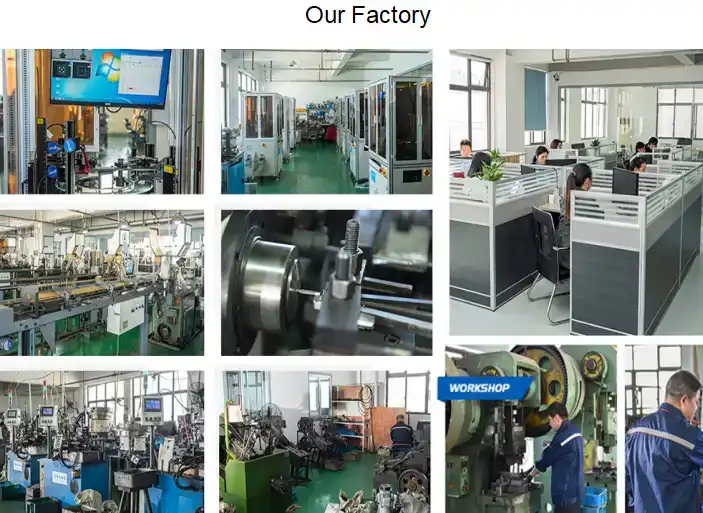
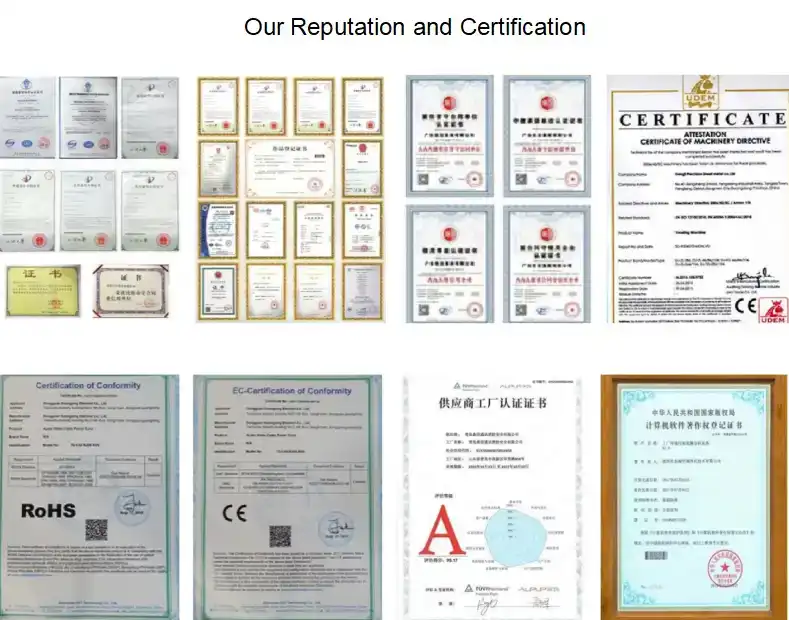
Our building has eight separate production lines that use progressive pressing, deep drawing, laser cutting, CNC machining, and robotic welding systems to make sure that even during large runs, the quality is always the same. We treat mild steel, stainless steel, aluminum alloys, brass, and copper in a number of ways, such as by powder coating, soldering, anodizing, and electrophoresis. The fact that we have ISO 9001, ISO 14001, and OHSAS 18001 certifications shows that we follow the quality management, environmental responsibility, and worker safety standards that buyers around the world expect.
In addition to normal parts, we are very good at OEM customization, which makes parts work better for certain operations. Our engineering team works together to come up with custom specs, choices for materials, and finish needs that make things last longer in tough conditions. To learn more about how RUIRUI can be your dependable supplier of trailer components, please contact our expert team at kshdhardware@qdkshd.com. You can see all of our services at sheetmetalprocessingplant.com and ask for exact specs that are specific to your needs.
References
1. Anderson, M., & Thompson, R. (2021). Heavy-Duty Trailer Engineering: Materials and Design Principles. Industrial Press Publications.
2. Chen, W., Martinez, J., & O'Brien, K. (2022). Corrosion resistance in trailer components: Comparative analysis of coating systems. Journal of Transportation Engineering, 148(6), 04022038.
3. Fitzgerald, D. (2020). Fleet Maintenance Management: Strategies for Reducing Total Cost of Ownership. McGraw-Hill Professional.
4. National Highway Traffic Safety Administration. (2023). Federal Motor Vehicle Safety Standards: Trailer Brake Systems and Components. U.S. Department of Transportation.
5. Peterson, L., & Zhao, Y. (2022). Lifecycle assessment of steel versus aluminum trailer components in commercial applications. International Journal of Industrial Engineering, 29(3), 312-328.
6. Williams, S. (2021). Procurement Excellence in B2B Manufacturing: Building Strategic Supplier Relationships. Wiley Business.

Send Inquiry
You may like