
The Advantages of Using an Heavy Duty Trailer Coupler
A heavy duty trailer coupler is an important part of industrial pulling because it makes transport safe and reliable. This important part is what links trucks to tow vehicles. It's made to handle heavy loads, harsh conditions, and difficult operating situations that regular couplers can't handle. Compared to their lighter peers, these robust connections offer better structural integrity, longer service life, and higher safety margins. For B2B buyers handling teams or infrastructure projects, this means lower running costs and less downtime.
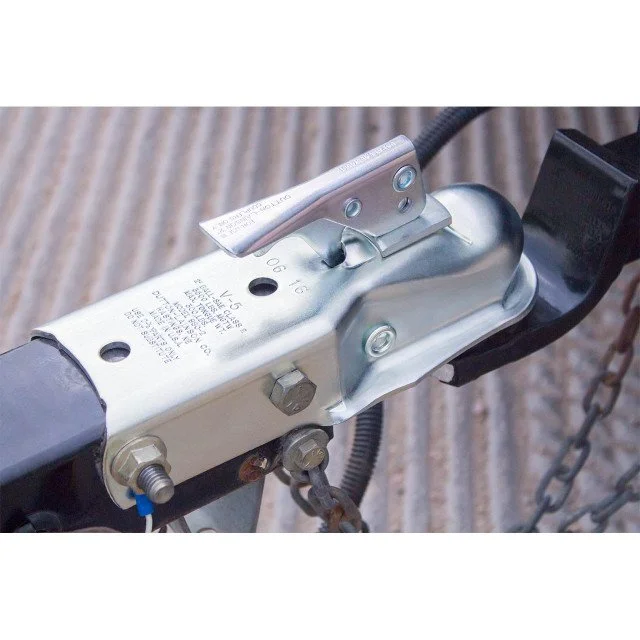
Understanding Heavy Duty Trailer Couplers: Functions and Benefits
Heavy duty trailer couplers are the main mechanical connection between trailers and towing vehicles. They are made for situations where failure is not a choice. Their engineering solves the most important problems that infrastructure builders, companies that make industrial equipment, and logistics operators have to deal with when moving heavy equipment, building supplies, and parts of city infrastructure.
Core Mechanical Design and Operation
These couplers are built with stronger latch mechanisms that safely connect with hitch balls that are usually between 2 inches and 2 5/16 inches in diameter. The locking system has parts made of solid steel that don't wear down even when the joint is moving back and forth all the time and loads are changing. This level of mechanical complexity makes sure that the link stays stable during movements like speeding up, slowing down, and turning that create strong lateral and vertical forces.
Capacity and Load Distribution
Heavy duty models are rated to carry gross trailer weights of more than 10,000 pounds, which makes them perfect for moving big things like tractors, steel beams, and containers. Their form spreads the pulling force over more mounting areas, which lowers the stress levels that make regular couplers break too soon. This engineering theory directly helps purchase managers who are looking for equipment that keeps working well even after long periods of time without being serviced.
Durability Advantages in Industrial Environments
Equipment used in industrial pulling is exposed to rough dust, chemicals, high temperatures, and water. Premium couplers are made of zinc plating, powder coating, or stainless steel, which are all processes that prevent rust. This means that they keep working when painted steel parts would break down. The longer operating lifespan means that units don't need to be replaced as often, which lowers the total cost of ownership for fleet workers who manage multiple units in different locations.
Types, Sizes, and Materials: Tailoring Solutions for Specific Needs
To choose the right heavy duty trailer coupler configuration, you need to know how the different designs solve the practical problems that B2B buyers in building, public works, and industrial logistics face.
Coupler Type Variations
There are different types of couplers for different types of pulling situations. Ball couplers, which are the most common type, allow for smooth movement and are good for general utility and vehicle transport. The open-throat form of pintle hook systems allows for more misalignment during connection, which makes them more durable for heavy duty uses like military equipment shipping and building. Locking couplers have security features that stop trailers from being disconnected without permission. This reduces the risk of theft in equipment holding areas and on the job site.
Material Selection Impact
The makeup of a material has a big effect on its performance and how well it works in a certain situation. Here are the core material options and their respective advantages:
- Carbon Steel: Carbon steel has great tensile strength and shear resistance, which makes it perfect for uses that need to hold a lot of weight. SAE 1045 high-carbon steel formulations have the mechanical qualities needed for couplers that can handle trailer weights of 15,000 pounds or more.
- Alloy Steel: Alloy steel has chromium, molybdenum, and other elements that make it stronger and less likely to wear down over time. These couplers can handle the repetitive loads that come up in daily fleet operations without getting stress cracks.
- Stainless Steel (304/316): It has the best corrosion protection, which is important for marine settings, activities along the coast, and chemical processing plants. The substance doesn't rust when exposed to saltwater or chemicals, which quickly breaks down carbon steel parts.
- Aluminum Alloys: Lowers the overall tongue weight while still being strong enough for light duty heavy applications. Long-haul transport companies that move trailers from one job site to another use less fuel because they don't have to carry as much weight.
Choosing the right material makes sure that the equipment works well in the setting it was designed for and doesn't need to be replaced too soon, saving money.
Dimensional Specifications and Compatibility
The coupler's size must match both the hitch ball width of the towing vehicle and the trailer's weight. Trailers that weigh up to 8,000 pounds can usually fit on a 2-inch ball diameter, while 2-5/16-inch versions can handle heavier loads that are popular in industrial settings. Channel-style movable couplers let you change the height vertically, so vehicles in a mixed fleet with different hitch heights can still work together.
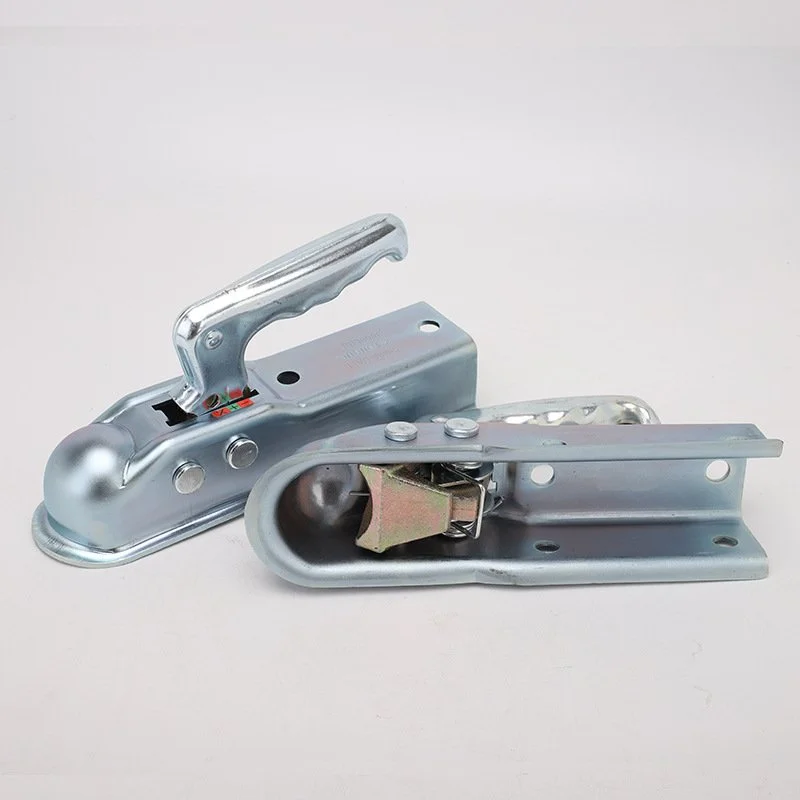
Comparing Heavy Duty Trailer Couplers: Making the Right Choice
It's helpful to compare the structural features, safety features, and performance specs that make luxury couplers different from standard ones before making a purchase choice.
Structural Integrity and Engineering Standards
Heavy duty trailer couplers made to SAE J684 standards go through strict testing procedures that make sure they work in the worst circumstances. Tensile testing uses forces of up to three times the maximum capacity to make sure that the structure will still hold up when it is overloaded. When you tow over rough ground or hit something on the road, compression testing mimics the vertical impact forces that are created. These validation steps give procurement teams trust that the tools they've chosen will work as expected during tough operating cycles.
Safety Feature Integration
Modern couplers have multiple safety layers that keep them from disconnecting by mistake while they're working. The hitch ball is held in place by the main latch device, and the latch is kept closed by a secondary safety pin. This two-layer method stops the "latch bounce" problem, in which vibrations from rough terrain can make latches that aren't properly fastened move open. High-end models have pins that are spring-loaded and have safety clips that keep them in place even when the machine is vibrating at a high frequency.
Locking Mechanisms and Security Considerations
A big worry for equipment staging areas and overnight parking lots is security against theft, in addition to operating safety. Locking couplers have tumbler cylinders that keep the trailer from being removed without the key. These safety features are especially helpful for building workers who store trailers full of expensive tools at construction sites. Insurance prices and the chance of losing assets go down, which has an effect on project budgeting.
Maintenance, Installation, and Safety: Ensuring Long-Term Performance
When used in difficult industrial settings, heavy duty trailer couplers are more reliable and last longer if they are installed correctly and maintained regularly.
Installation Best Practices
Before you place the trailer correctly, make sure that the coupler's capacity rating is equal to or greater than the trailer's gross vehicle weight rating. Before attaching, the bearing area on the trailer A-frame needs to be carefully checked for damage from rust or previous weld failures. To weld properly, you should follow the AWS D1.1 structural welding rules and use filler materials that are the right makeup for the base metal. For bolt-on installs, grade 8 fasteners with lock washers must be properly torqued so that they don't come away when the system vibrates.
Routine Inspection and Preventive Maintenance
Regular checks find wear patterns and new problems before they become practical failures. When looking at something visually, you should check the latch mechanism for proper spring tension, the hinge pin for wear extension, and the ball joint for deformation of the shape. Surface corrosion that goes beyond the protective covering means that the security has been weakened and needs to be fixed right away. Marine-grade grease applied to hinge points keeps them from sticking and ensures smooth operation across the temperature ranges that are common in field work.
Regulatory Compliance and Safety Standards
Heavy duty trailer coupler used in business service must have certain safety features and performance traits that are required by Department of Transportation rules. Following these rules keeps owners from being sued and makes sure that their vehicles can work with fleet safety programs. Traceability is made possible by ISO-certified quality management systems that keep records of material approvals and inspections that help with quality checks.
Procurement Insights: Buying and Sourcing Heavy Duty Trailer Couplers
For B2B buyers who are in charge of building projects or industrial fleets, strategic buying choices have a big effect on the efficiency of the supply chain, the total cost of ownership, and the dependability of operations.
Supplier Selection Criteria
There are a lot of important things to think about when choosing between online sellers and local distributors. When you work directly with a maker, you can often get unique engineering support and help with specifications that generic distributors can't provide. When equipment breaks down and threatens to delay projects, lead times become very important, so being close to replacement supplies is a smart thing to think about. When suppliers offer technical paperwork, CAD models, and material certifications, it's easier for engineering teams to get approval for purchases.
Volume Purchasing and Customization Options
Large fleet managers and building contractors who are working on multiple projects at the same time can save a lot of money by ordering in bulk. Manufacturers that offer OEM personalization can change the coupler's size, finish, and fitting arrangements to fit the needs of a particular application. Custom powder coating colors make it easier to keep track of assets across multiple locations, and rust treatments make them last longer in tough conditions.
Price Factors and Budgeting Considerations
The price of a coupler depends on the types of materials used, how hard they are to make, and how strict the quality control is. Standard zinc coating on carbon steel units makes them the most cost-effective choice for most uses. On the other hand, marine-grade stainless steel couplers are more expensive but last longer in harsh settings. To properly compare choices at different price points, you need to look at the total cost, which includes how often you need to replace things, the cost of upkeep work, and the cost of downtime.
Warranty Terms and Long-Term Support
Full guarantee coverage shows that the maker trusts the product's durability and protects the buyer financially in case it breaks down too soon. Terms ranging from limited promises for one year to structural pledges for life have a big effect on how procurement managers assess risk. Replacement parts, such as latch kits, pins, and mounting tools, are easy to get. This makes sure that the equipment can be used for a long time.
Conclusion
When corporate B2B buyers spend money on high-quality heavy duty trailer couplers, they get measured operating benefits that affect safety, efficiency, and the total cost of ownership. The better structural stability, improved safety features, and longer service life make the original investment worthwhile by lowering the need for upkeep, reducing downtime, and increasing the trustworthiness of the fleet. When procurement professionals know the technical specs, material properties, and application-specific needs, they can choose solutions that work best in tough towing environments while still following safety rules and government rules.
FAQs
What weight capacity should I choose for my application?
Choose a joint that can handle at least 20% more weight than your trailer can hold fully loaded. This safety margin takes into account dynamic loads from hits on the road and emergency stopping. When hauling excavators or steel beams for infrastructure builders, couplers that can hold up to 15,000 pounds are usually required. On the other hand, 10,000-pound rates are usually safe for municipal equipment trailers.
How does material choice affect performance?
Carbon steel is the strongest material for high-capacity uses, but it needs special coats to protect it in places where it will rust. Stainless steel is better for naval or coastal activities because it doesn't rust, but it costs about 40% more. Aluminum is lighter, which is good for fleet workers who have to drive long distances between job sites while saving gas.
What maintenance intervals prevent failures?
Visual checks done once a month find new wear patterns before they become dangerous. Lubricating pivot points every three months keeps them from locking and increases the life of the part. To stay in line with regulations and make sure the system works well, trained techs should do full reviews once a year to check the limits for size, the tightness of the latch spring, and the integrity of the surface coating.
Partner with RUIRUI for Premium Trailer Coupler Manufacturing
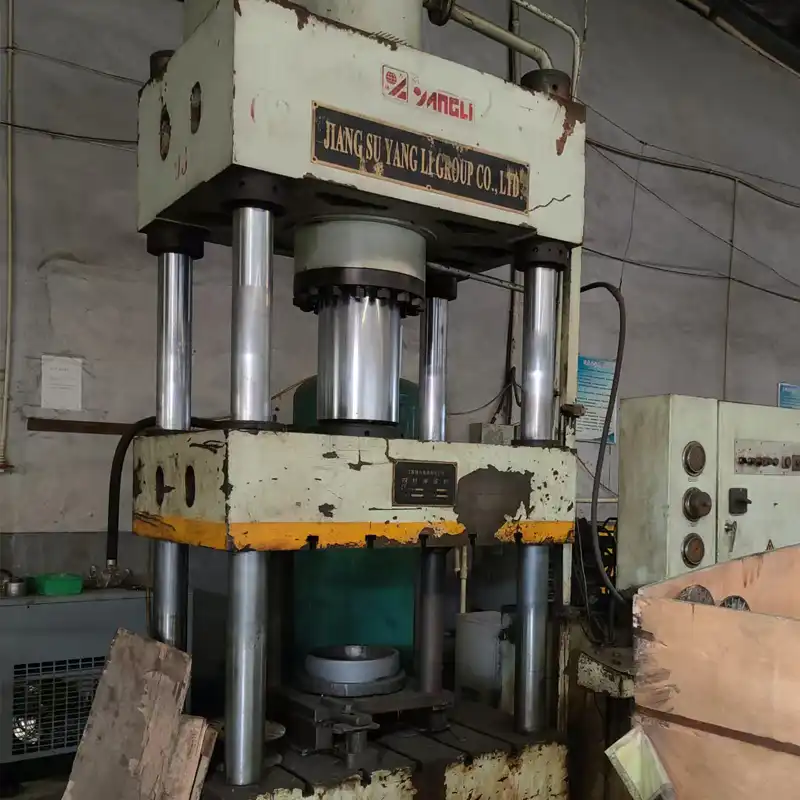
Because RUIRUI is a trusted heavy duty trailer coupler provider, they can meet the high standards of accurate engineering and production that B2B buying teams expect. Our Qingdao plant has strict quality control systems that are certified to ISO 9001 and ISO 14001 standards. It also has modern CNC machining, laser cutting, and progressive stamping capabilities. We are experts at making unique couplers out of high-carbon steel, stainless steel, and special alloys that are made to fit your exact load needs and weather conditions. You can talk to our engineering team at kshdhardware@qdkshd.com about your needs, ask for detailed drawings, or get bulk prices for your fleet. RUIRUI has been working with metal fabrication for more than 15 years and has automated production that can make 130,000 units a year. They can give your business the industrial capacity and technical help it needs.
References
Society of Automotive Engineers. "SAE J684: Trailer Couplings and Hitches - Automotive Type." SAE International Standards, 2018.
American Welding Society. "AWS D1.1/D1.1M: Structural Welding Code - Steel." American Welding Society Publications, 2020.
Department of Transportation. "Federal Motor Carrier Safety Regulations: Coupling Devices and Towing Methods." U.S. DOT FMCSA Standards, 2019.
National Institute of Standards and Technology. "Mechanical Properties of Structural Steels." NIST Technical Publications Database, 2017.
International Organization for Standardization. "ISO 11407: Road Vehicles - Mechanical Coupling Between Towing Vehicles and Trailers." ISO Standards Catalogue, 2021.
Materials Performance Institute. "Corrosion Resistance of Metal Alloys in Marine Environments: A Comparative Analysis." MPI Research Reports, 2020.

Send Inquiry
You may like