
The Essential Guide to Trailer Ball Sizes for Safe Towing
Picking the right hitch connection part isn't just about picking out a cool addition; it's a very important safety choice. The trailer ball is what connects your pull vehicle to the load, and if the width, shank size, or weight limit don't match, terrible accidents can happen. By learning about the uniform sizing system, material requirements, and load compatibility, you can make sure that your fleet follows the rules and limits your risk. This book breaks down the basic technical terms and best practices for procurement to help you make choices based on facts that keep your assets and image safe.
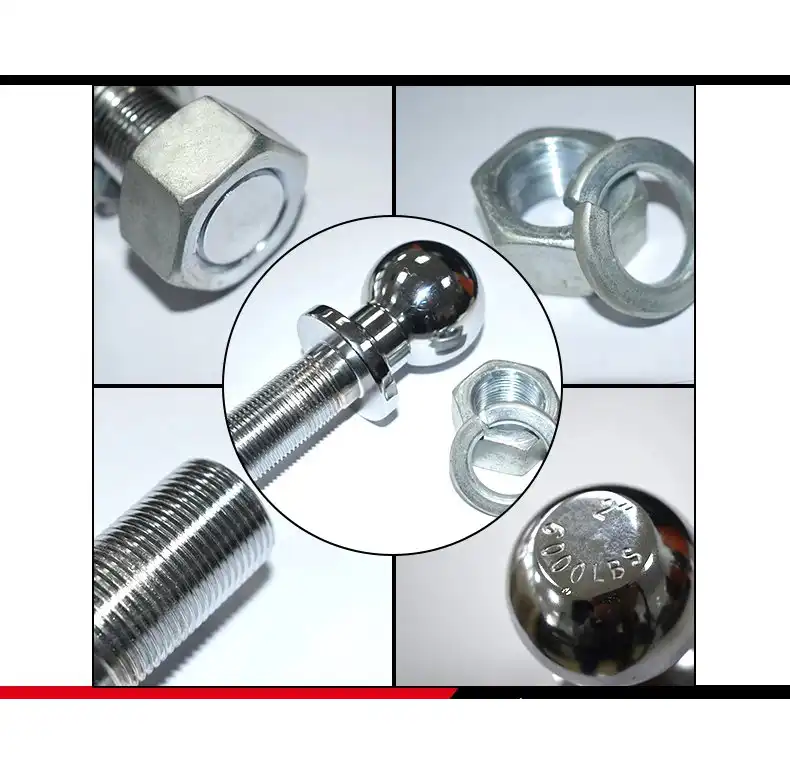
Understanding Trailer Ball Basics and Sizes
The Critical Role of Hitch Couplers in Towing Assemblies
The connecting part between the tow vehicle and the goods isn't just a metal ball; it's an engineering part that's meant to spread out dynamic loads when the vehicle speeds up, slows down, or turns. As soon as a coupler is connected to the ball mount, it makes a pivot point that has to handle tongue weight, wind resistance, turning, and sudden hits from uneven roads. Many fleet managers don't realize how precise they need to be when choosing parts because they don't understand this link.
Precision machining is used to make high-quality hitch balls that have the same tolerances across the full sphere diameter. This makes sure that the ball can touch the coupler socket from all angles. This full-contact surface spreads stress out evenly, which keeps metal from wearing out too quickly. Cheap options often have differences in size that put stress on small touch areas, speeding up wear and raising the risk of failure.
Standard Diameter Specifications and Vehicle Compatibility
The North American tow business is mostly made up of three circle sizes: 1-7/8 inches, 2 inches, and 2-5/16 inches. These measures match the inside diameter of trailer coupler sockets and are in line with the Society of Automotive Engineers' (SAE) J684 standard for gross trailer weight (GTW) classes.
The 1-7/8-inch version is usually used for Class I and Class II tasks and can hold up to 3,500 pounds GTW. These smaller couplers are often used on utility trailers, small boat trailers, and trailers for light goods where the tow vehicle's receiver isn't rated for as much weight.
As we move up to a 2-inch circle, we reach the most useful size for business. With this standard, you can pull a trailer that weighs between 3,500 and 8,000 pounds, which is between Class II and Class III. This size is often used for trailer parts, equipment trailers, medium-duty garden trailers, and recreational vehicles because it works with a wide range of light cars and full-size pickups.
The 2-5/16-inch width is needed for heavy-duty uses. These balls can take loads of up to 30,000 pounds gross vehicle weight. They were made for Class IV and Class V pulling jobs. This diameter is used to keep loads under control by construction companies moving excavators, farms moving animals, and industrial shipping companies pulling big equipment. Higher tongue weights—often more than 3,000 pounds—can be spread out over a bigger contact area without breaking the material's yield strength.
Shank Dimensions and Weight Capacity Correlation
The shank shape, not the ball diameter, decides the structure's strength. There are three different shank width options: 3/4-inch, 1-inch, and 1-1/4-inch. Each one has a different load limit. The threaded shank goes through the ball mount platform and is held in place with a retaining nut. This makes a fixed joint that needs to be able to withstand both tension and shear forces.
A 3/4-inch shank and a 1-7/8-inch ball usually have a 2,000-pound GTW rating, which is enough for small leisure loads. If you upgrade to a 1-inch shank with a 2-inch ball, the capacity goes up to 5,000 to 7,500 pounds, based on the metallurgical requirements set by the maker. Heavy-duty 1-1/4-inch shanks and 2-5/16-inch balls can handle loads of 10,000 to 20,000 pounds. For extreme business uses, cast units can handle up to 30,000 pounds.
Shank length is important. The length you need depends on the base of your ball mount. Usually, you need something between 1.75 inches and 3.5 inches. Not enough length keeps the nuts from engaging properly, making a dangerous link that can come apart when the object moves. Lengths that are too long lose material and add extra stress that can bend the shank when it is loaded from the side.
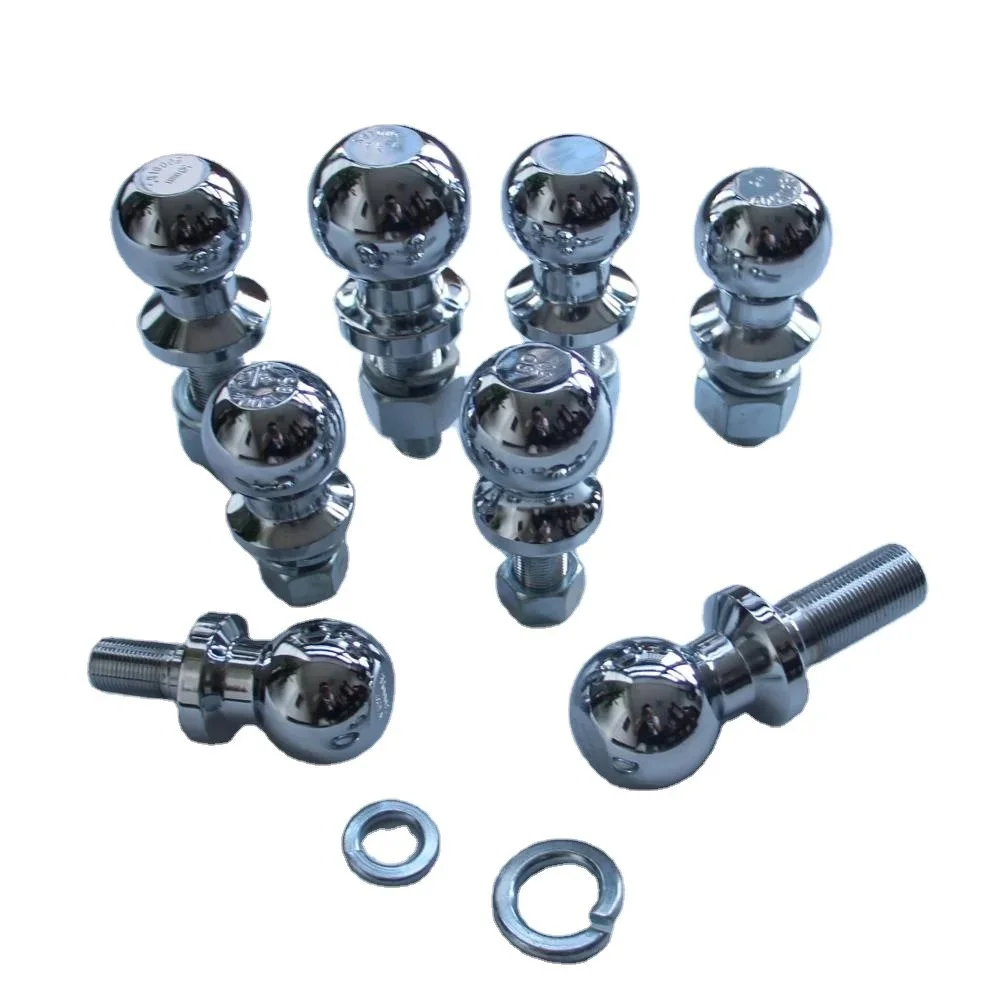
How to Measure and Select the Correct Trailer Ball Size
Precision Measurement Techniques for Component Verification
Professionals in procurement can't just depend on eye inspection. To measure accurately, you need tools that have been measured. Digital calipers give you the 0.01-inch accuracy you need to tell the difference between 2 and 1-7/8-inch widths. By measuring across the sphere's largest point from different directions, differences in how it was made and how it wears over time can be taken into account.
Similar steps are used for confirming the width of the shank. Not the threaded part, but the smooth part of the shank below the ball platform. The threaded part's major diameter is bigger than the official shank size. Finding out the thread pitch—whether it's a thick or fine thread—affects how well the nut fits and how much force it uses to clamp. Most uses coarse-thread screws (1-inch-8 TPI), but making sure you know exactly what you need can save you a lot of money.
Load Capacity Analysis and Safety Margin Calculation
When choosing a hitch ball, it's not about meeting your current load; it's about making sure you have enough safety gaps in case the worst happens. A 2:1 safety factor is normal in the business. This means that a part that is rated for 10,000 pounds should never regularly tow loads more than 5,000 pounds GTW.
Use a special scale or a weight distribution estimate to find out what your real tongue weight is. This is usually 10 to 15 percent of the gross trailer weight. For trailer parts, the tail weight of a 6,000-pound trailer is between 600 and 900 pounds. Your ball, mount, and receiver must all be able to handle more weight than this—the system's strength is equal to its weaker link.
During emergency movements, dynamic loading makes the steady tongue weight bigger. When you hit the brakes hard, the tongue weight can temporarily go up by 50%. Potholes and uneven ground can also add shock loads that are more than 200 percent of steady values. These stressors that don't show up in lab tests are taken into account by conservative capacity selection.
Material Selection: Balancing Performance and Environment
Chrome-plated carbon steel is still the least expensive option, and it's resistant enough to corrosion for rare use in mild regions. The electroplated chrome layer makes the surface hard and smooth, which lowers the friction between the couplers when they are moving. But chrome coating chips and cracks when hit over and over, letting rust form on the steel underneath.
The building of stainless steel greatly increases its resistance to rust, making it perfect for use near the coast, in the ocean, or in situations where road salt is present. The austenitic 304-grade stainless steel that is often used in hitch balls keeps its structure strong even when the surface oxidizes. This means that it doesn't have the severe failure risk that comes with carbon steel that rusts. The higher price—usually 40 to 60 percent more than chrome-plated options—is worth it because it lasts longer and needs to be replaced less often.
The top level is made of forged steel with special finishes. When you hot forge something, the metal grains are aligned, which makes the tensile strength 15-20% higher than when it is cast or made. When mixed with powder paint or zinc-rich binders, these units offer better protection against impacts and the environment. To keep breakdowns on the road to a minimum, fleet managers of heavy equipment trucks often choose cast units as standard equipment.
Installing and Maintaining Your Trailer Ball for Optimal Safety
Proper Installation Procedures and Torque Specifications
The link between the ball and the mount needs to be put together with great care. The thread engagement length should be at least 1.5 times the width of the shank. For example, a 1-inch shank needs 1.5 inches of thread engagement in the holding nut. Threads can strip under load if they are not engaged enough, and cross-threading during installation causes stress clusters that speed up fatigue failure.
Specifications for torque are not just ideas. Tightening force needs to be 100 to 120 lb-ft for a 3/4-inch shank, 200 to 250 lb-ft for a 1-inch shank, and 300 to 450 lb-ft for a 1-1/4-inch heavy-duty shank. Using a measured torque wrench takes the guessing out of it and makes sure that all of your tools have the same clamping force. When you don't tighten something enough, the unit can turn while it's working, which makes the mounting hole longer and creates dangerous play. When you over-torque a bolt, you exceed its yield strength, which forever deforms the threads and lowers the clamping force.
Before putting things together, use anti-seize powder on the threads. This stops galling, which is a type of cold welding in which steel threads stick together when they are pressed together. Anti-seize also keeps threads from rusting, which means they can still be removed in the future. Marine-grade formulas with zinc or copper bits give extra protection against corrosion in harsh settings.
Maintenance Protocols That Extend Service Life
Cleaning it regularly gets rid of the rough particles that speed up wear. As dirt, mud, and salt build up on the road, they create a cutting compound effect inside the coupler hole that wears away metal with each movement. This coarse dirt doesn't turn into an acidic cement if you pressure wash the ball surface after every use, especially after off-road or winter use.
Using lubrication lowers both friction and rust at the same time. A small layer of lithium-based grease should be put on the ball's surface before fitting it. This makes a protective layer between the different metals (the steel ball and the often-aluminum connection), which stops galvanic rusting. The oil also lowers friction when the trailer parts move, which stops the galling that makes the ball surface rough.
The regularity of inspections should match the level of use. Tow operations that happen every day need eye checks once a week to look for surface cracks, deformation at the ball-shank joint, and thread condition on the shank. Once a month use is enough to justify pre-season checks. If you see chrome falling off that reveals rust, vertical cracks at the ball platform contact, threads on the shank growing outward, or the shank appearing to bend, that's a bad sign.
Recognizing Failure Indicators Before Catastrophe Strikes
Metal fatigue doesn't have lights that flash when it happens. Cracks on the surface start as tiny holes that can't be seen with the human eye. During regular maintenance checks, magnetic particle inspection or dye penetrant tests can find these secret flaws. Operations that are in charge of important loads should replace parts after five years of use, even if they look fine, because wear weakening happens faster after a long time of cyclic loading.
Strange noise during connection means that the dimensions have changed. The coupler should be able to slide over the ball with some resistance. If it's too open, it means that the parts are worn out, and if it's too tight, it means that the ball is deformed or contaminated. When locking, a unique "clunk" sound means that the socket is fully engaged. If you don't hear this sound, it means that the coupling isn't complete and could come apart under load.
Rust spots around the ball-shank joint show that water has gotten into the joint. This means that the holding nut is coming loose or the ball base is cracked, which lets water in. Immediate removal, inspection, and replacement stops structures from suddenly breaking down while they are being used.
Comparing Trailer Ball Solutions: Making Informed Procurement Decisions
Evaluating Manufacturer Quality Standards and Certifications
Well-known brands have strict quality control systems that go above and beyond what the law requires. Companies that follow SAE J684 standards test sample units from every production batch destructively to make sure that the tensile strength, impact resistance, and measurement tolerances are all within the acceptable ranges. These companies legally have to stamp capacity numbers directly onto the ball platform so that they can be tracked and liability can be established.
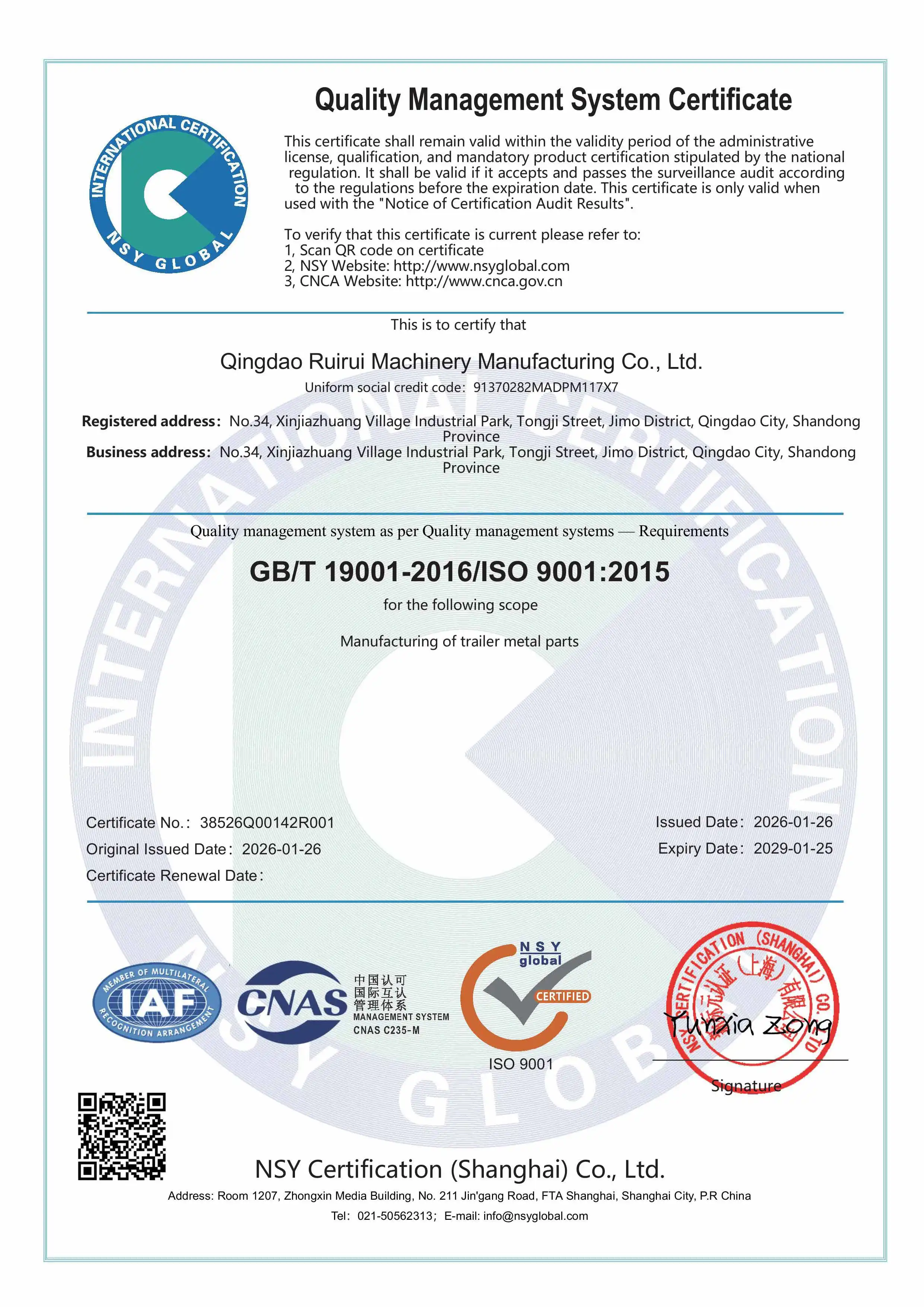
Premium makers use ISO 9001 quality control systems that keep track of every step of the production process, going beyond just following the rules. This methodical approach makes sure that all production runs are the same, gets rid of fake materials, and leaves audit trails for when mistakes happen in the field are being looked into. Managers in charge of buying things should ask for proof paperwork that shows the metal's makeup, how it was heated, and how thick the coating is.
Warranty terms show how confident the maker is. Leaders in the industry offer guarantees that last a lifetime and cover flaws in the materials or the work, but not abuse or normal wear and tear. The low failure rates are due to better metalworking and industrial accuracy, which is reflected in these generous policies. Cheaper options usually only offer one-year guarantees or don't allow business use at all, which is a sign of lower quality standards.
Customization Capabilities for Specialized Applications
Standard stock parts can be used for most pulling situations, but for more specialized jobs, the specs need to be changed. Multi-size, customizable designs let a single shank fit different ball tops, which makes inventory management easier for truck managers who serve a variety of trailer types. This modular method keeps the structure of a set unit strong while giving operators more options.
Custom joint lengths can fit different car shapes, including trailer parts. Lifted trucks need longer shanks to make sure the ball is at the right height in relation to the trailer joint and that the truck stays level while pulling. In contrast, cars that are lowered need shanks that are shorter to escape problems with ground clearance. When a manufacturer offers OEM customization services, they can make shanks to exact length requirements. This gets rid of the compromise that comes with flexible mounts.
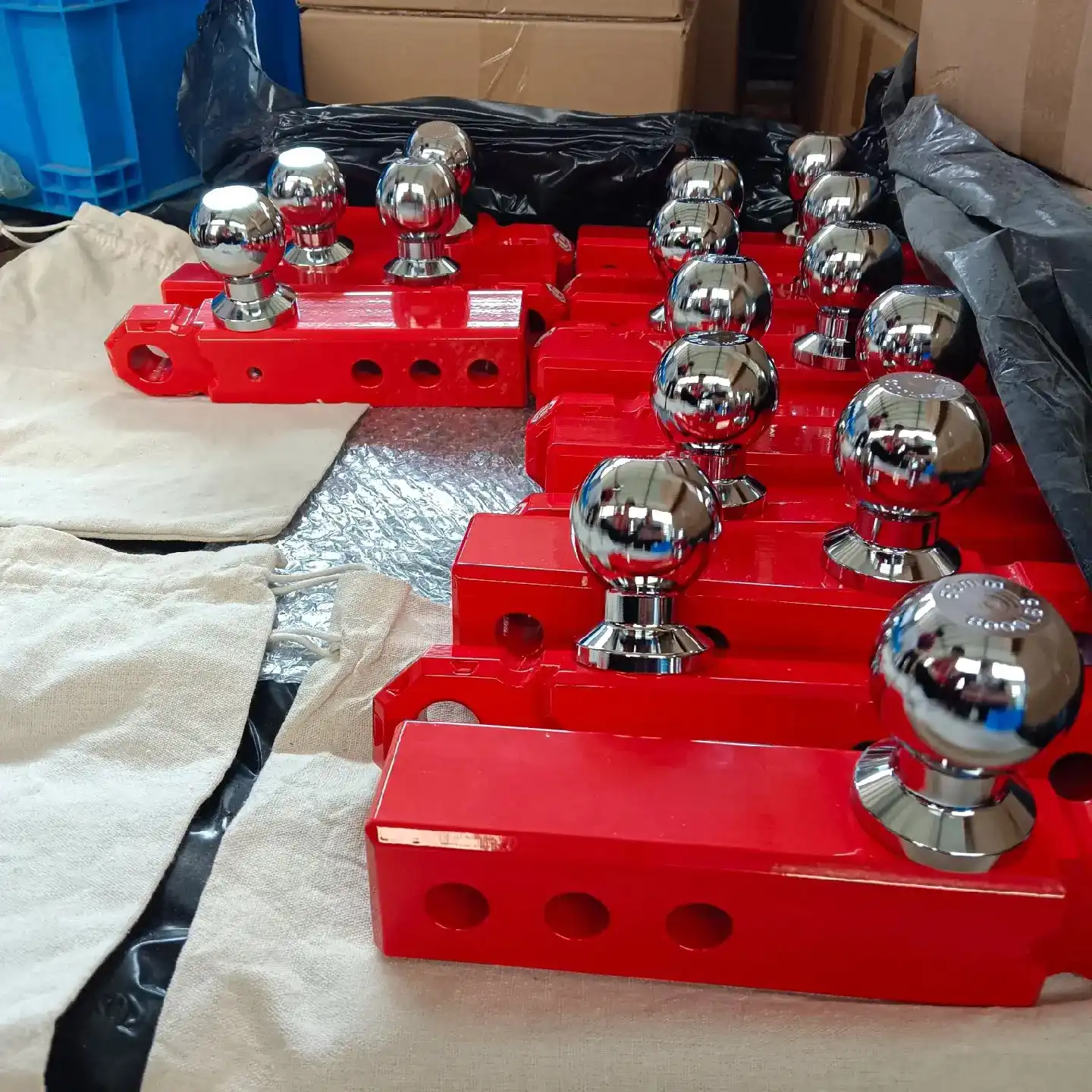
Specialized finish choices make parts last longer in harsh settings. Powder coating in unique colors is better at resisting chips than chrome plating, and it keeps the surfaces smooth for easy movement. Physical Vapor Deposition (PVD) surfaces are very hard and don't rust, so they are perfect for high-cycle industrial uses where coupling and uncoupling often speeds up wear.
Strategic Procurement for Volume Requirements
Buying in bulk can save you a lot of money, but you need to be very careful when choosing a seller. Direct connections with manufacturers get rid of the markups that distributors add, which cuts the cost per unit by 20 to 40 percent for sales of a container's worth of goods. This method needs careful quality checks. Asking for samples from planned production batches makes sure that cutting costs doesn't mean sacrificing material specs or accuracy in measurements.
Managing lead times becomes very important for big sales. Having domestic inventory kept by trusted sellers lets you quickly meet urgent needs, and direct factory orders lower the cost of planned purchases. Just-in-time stocking concepts and buffer stock work together to keep production running smoothly without tying up too much capital in slow-moving parts.
Support after the sale is what sets high-quality providers apart from average ones. Technical help when choosing a product makes sure that the specs are correct, and quick customer service takes care of delivery problems or quality issues quickly. For procurement managers who don't like taking risks, suppliers who offer technical support, such as checking load calculations and giving installation advice, add value that supports higher prices.
Conclusion
Choosing the right hitch coupling parts and trailer parts has a direct effect on operating safety, legal risk, and the total cost of ownership. By knowing how ball diameter, shank geometry, load capacity, and material specs are connected, sourcing professionals can choose parts that meet the specific needs of an application instead of just following general suggestions. Failures that put people in danger and damage goods can be avoided by following regular repair schedules and replacing parts as soon as they are found to be worn out. Strategic connections with suppliers that focus on quality standards, customization options, and technical support provide long-term benefits that go beyond the initial cost of the purchase.
FAQ
1. What Happens If You Use the Wrong Hitch Ball Size?
Connecting a trailer to a ball that isn't the right size leaves dangerous holes between the socket and the sphere. Undersized balls let too much movement happen inside the coupler, causing metal-on-metal hits that speed up wear and make the distinctive rattling sound that means connections are loose. This play makes sway worse at highway speeds, making it harder to control the car. The latch mechanism can't close all the way because the balls are too big. This makes an unsecure link that looks like it's connected but will come apart under load.
2. Can Aluminum Couplers Work With Steel Balls?
When aluminum couplers and steel balls touch each other, the different metals react with each other and cause galvanic rust. The electrolytic process damages the aluminum bit by bit, turning it into white oxidation powder that makes it rub against things more easily and wears out faster. This process can be stopped by regularly applying dielectric grease, but aluminum will quickly break down in salty settings like the ocean or on winter roads. In these cases, stainless steel balls are needed to protect the aluminum.
3. How Often Should You Replace Hitch Components?
Replacement times depend on how often they are used and how exposed they are to the surroundings. Commercial operations that tow every day should check parts once a month and replace them every three to five years, even if they don't look worn. This is because metal wear builds up over time and can't be seen. Towing for fun can stretch the service life to seven to ten years, as long as the vehicle is inspected once a year and there are no cracks, deformations, or too much rust on the surface. Any damage that can be seen, like cracks, bends, or thread wear, needs to be replaced right away.
Partner With RUIRUI for Custom Towing Solutions and Bulk Supply
RUIRUI Machinery in Qingdao specializes in making tow parts that are precisely machined and designed for tough industrial uses. We can make unique hitch balls in a range of sizes that meet OEM requirements for shank diameter, length, and load rating thanks to our advanced manufacturing skills, which include CNC machining, progressive pressing, and multi-axis laser cutting. We work with fleet managers, building builders, and equipment sellers who need reliable quality and the ability to make changes quickly.
As a trailer ball maker with ISO 9001 certification, we keep a close eye on quality throughout the whole process. Our engineering team helps you with the technical side of writing specifications, making sure that the dimensions are correct and that the materials you choose meet the needs of your application. Our eight production lines make 130,000 units a year, with lead times that are perfect for both pressing fulfillment and planned buying. This is true whether you need regular catalog items or custom-engineered solutions.
Email our team at kshdhardware@qdkshd.com to talk about the details of your project. We provide full support, which includes checking load calculations, helping with material selection, and setting prices based on volume for container shipping. Check out our full line of tow tools and precision metal production skills at sheetmetalprocessingplant.com. We have been making things for over 15 years and are experts in what we do.
References
1. Society of Automotive Engineers, "SAE J684: Trailer Couplings and Hitches - Automotive Type," SAE International Standards, 2018.
2. National Highway Traffic Safety Administration, "Trailer Hitch Safety: Proper Selection and Installation Guidelines," U.S. Department of Transportation, 2020.
3. American Society for Testing and Materials, "ASTM A641: Standard Specification for Zinc-Coated Steel Wire," ASTM International, 2021.
4. Recreational Vehicle Industry Association, "Towing Component Load Rating and Testing Protocols," RVIA Technical Standards, 2019.
5. Canadian Standards Association, "CSA D18: Trailer Couplers and Hitch Balls - Performance Requirements," CSA Group Standards, 2017.
6. International Organization for Standardization, "ISO 11407: Road Vehicles - Mechanical Coupling Between Towing Vehicles and Trailers," ISO Technical Standards, 2022.

Send Inquiry
You may like