
The Ultimate Guide to Trailer Jack Replacement
Changing a trailer jack is an important repair job that has a direct effect on how safe and efficiently your trailer fleet works. If you handle boat trailers, utility trailers, or heavy-duty equipment haulers, you should know when and how to replace a trailer jack to avoid crashes and equipment failures that cost a lot of money. This complete guide walks you through every step of repair, from spotting warning signs to choosing long-lasting parts that meet your needs. We'll talk about things like material choices, how to install things, and how to judge suppliers so that you can make smart buying decisions that protect your investment.
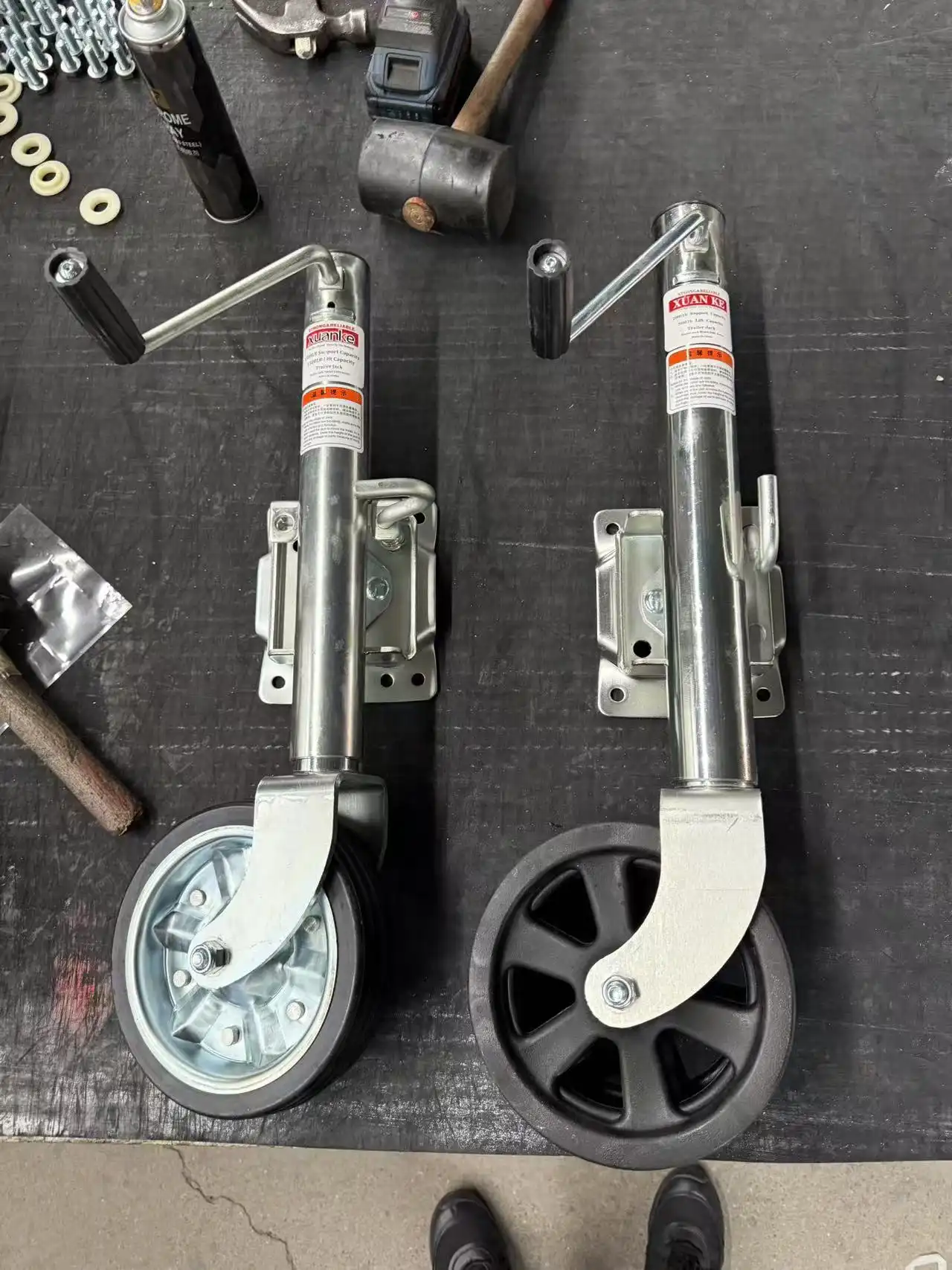
Understanding Trailer Jack Replacement: Why and When to Replace
Every trailer needs its jack to safely connect and disconnect and stay in place. Even the strongest jacks break down over time due to stress from the surroundings and wear and tear on the parts. Knowing when to change something keeps both your tools and your staff safe.
Key Warning Signs That Demand Immediate Attention
If you can see rust on the jack tube or fixing bracket, it means that the structure is weak. Rust gets into metal surfaces, making them less strong and making failure places hard to predict. If you see cracks around the weld joints or the jack shaft breaking, that means there is wear stress that can't be fixed.
Mechanical symptoms are also very important signs. Hearing grinding sounds while the screw system is working means that the gears inside are wearing out. If your jack can't lift the same loads it used to easily, it's likely because internal parts have worn out too much for safe use. If the handle slips when turning, it means that the gear teeth have worn smooth, which means that there is no longer any mechanical advantage needed to move.
Root Causes of Accelerated Deterioration
The most damaging cause is being exposed to the environment. Marine trailers are constantly corroded by saltwater, and building equipment is constantly harmed by dust and water. Wide variations in temperature make metal expand and contract, which weakens the structure over time.
Stresses from operations speed up wear patterns. When the rated weight capacity is exceeded, the fastening bolts bend and the gear teeth become worn. If you don't fully withdraw the jacks before transporting them, they could be damaged by road vibrations and impacts. If you don't lubricate your parts, friction will wear them down at an exponential rate.
Matching Capacity to Real-World Requirements
Proper weight rating keeps things from breaking down too soon. Make sure you know how much your trailer's tongue weighs—for most standard designs, it's 10-15% of the entire trailer weight. If you want to be safe, add at least 25% to the new amount you choose. A trailer jack that can hold at least 1,500 pounds is needed for a 5,000-pound trailer, but a 2,000-pound type is better for everyday use.
Size suitability is more than just weight numbers. Before you order replacements, measure the distance between the fixing holes on your old jack and the width of the tube. Most of the tubes on the market are standard 2-inch tubes, but heavy-duty uses may need 2.25-inch or bigger sizes. Make sure that the lift height range meets your connection needs, taking into account that different parking surfaces have different ground clearances.
Types of Trailer Jacks and Their Replacement Considerations
To choose the right trailer jack type, you need to know how the operating traits fit with your business needs. For different uses and upkeep patterns, each mechanism has its own unique benefits.
Manual Versus Electric Drive Systems
Because they are easy to use and don't cost much, manual jacks are the most popular choice for utility and leisure trailers. The gear-driven screw system doesn't need any outside power, so they can be used reliably in remote areas. Their simple design keeps failure spots to a minimum, which are usually just gear wear and tube rust. The physical feedback that comes with manual operation lets workers feel when something is binding or carrying too much weight before it causes damage.
Electric jacks change the way heavy-duty moving is done. When pulling trailers with tongue weights over 3,000 pounds, motor-driven systems take away the need to strain your muscles. They are especially useful in high-volume settings where human workers would get tired doing several daily couplings. Electric models need wire links that can withstand the weather and motor brushes and limit switches that need to be checked often. Dependence on batteries makes you vulnerable in cold places where power sources drop quickly.
Material Selection for Longevity
Steel building is great for general-purpose uses because it is strong for its weight. At reasonable prices, carbon steel jacks with powder-coat treatments, including trailer jacks, can handle some exposure to the elements. Because it is much more resistant to rust, hot-dip galvanized steel is the best choice for marine and industrial settings where chemicals and water can damage bare metal surfaces.
Stainless steel is the best material for places that are likely to rust. Grade 304 stainless steel doesn't rust in saltwater and doesn't need any protective coats, so you don't have to worry about paint wearing down. The longer service life in difficult circumstances makes up for the higher cost of the material. Cast iron is used in heavy-duty uses that need to be very strong, but it isn't good for mobile equipment because it is brittle and easily corrodes.
Specialized Jack Configurations
When they are folded up, scissor jacks take up very little room, which makes them perfect for enclosed trailers with low ground clearance. Their small size makes them good for situations where aerodynamics are important or where standard drop-leg designs can't be used because of problems with the suspension. The crosswise lever system has a mechanical benefit, but it needs to be carefully lined up so that it doesn't get stuck.
Lift ranges are longer with telescoping jacks than with fixed-length types. Their stacked tube design lets them fit trailers of different heights within a single unit. Marine boat trailers often have telescoping designs so they can fit on sloped water launch ramps. The extra sliding joints need to be oiled more often to keep them running smoothly and keep them from seizing up.
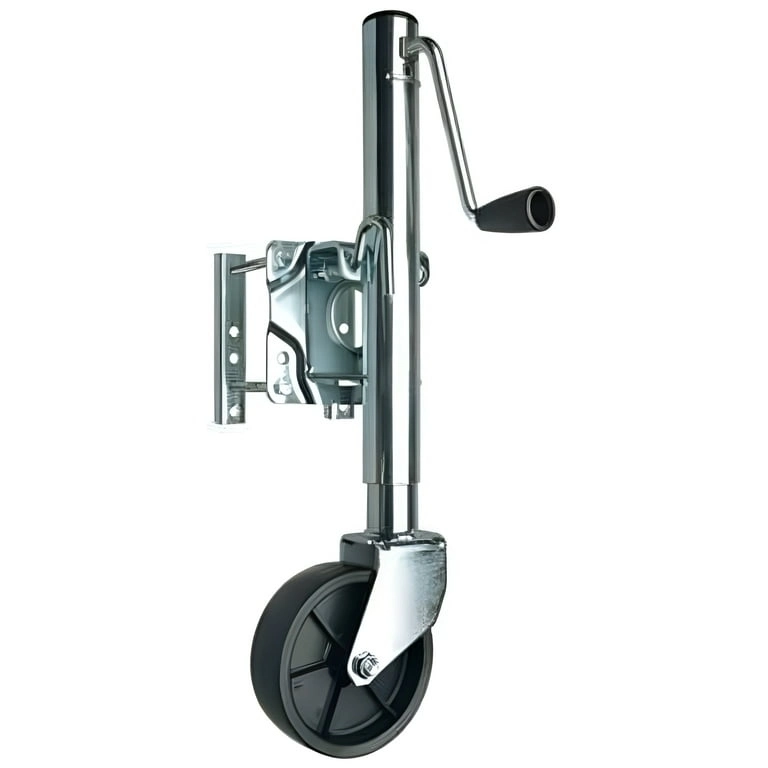
Step-by-Step Trailer Jack Replacement Process
The right way to change equipment and protect people is to follow the right replacement processes. Installation mistakes that hurt safety and performance are less likely to happen when you follow structured guidelines.
Preparation and Safety Protocols
Place the trailer on steady, level ground that can hold its full weight without sinking. Put wheel chocks on both sides of at least one tire to stop it from moving without warning. Take out all of the links between the trailer and the car pulling it, including the electrical ones and the safety chains. This separation keeps the car from moving by chance while the jack is being taken off.
Essential Tools and Quality Components
Before you try to remove the current trailer jack, make sure it is fully withdrawn. Mounting nuts are put under stress by extended jacks, which makes removal dangerous. If the jack won't go back down because it's broken, support the tongue of the trailer with jack stands that are rated for the load before moving on. Never use the broken jack as support while taking it off.
Installation Execution for Reliability
Get socket wrenches or combination wrenches that are the right size for the fixing bolts. For most uses, these are 1/2-inch or 9/16-inch bolts. A torque wrench makes sure that fasteners are properly tightened without being over-tightened, which can damage mounting frames. Corroded nuts can be loosen with penetrating oil, but seriously rusted screws may need to be cut with an angle grinder.
Post-Installation Verification
Well-made mounting clamps are the first step in making sure that new parts are of high quality. Make sure that the placement of the bolt holes fits the exact shape of your trailer frame. Grade of the fastener is important. To keep vibrations from opening bolts, use Grade 5 or better bolts with lock washers. Galvanic rusting can't happen when stainless steel hardware is used to place stainless jacks on aluminum trailers.
Choosing the Right Trailer Jack for Your Business Needs
When you buy something, you have to think about more than just the specs. You have to think about the total cost of ownership and how reliable the source is. When looking at jacks through a broad lens, the results are better in the long run than when you only look at price.
Critical Evaluation Criteria
Load ability must be higher than what is needed, with enough room for error. Think about the worst-case possibilities, such as uneven loading or working on sloped areas that make the tongue weight higher. Cycle life rates tell you how many lift operations the trailer jack can handle before it wears out and needs to be replaced. This is important information for businesses that do a lot of lifting.
Supplier Attributes That Matter
Material longevity directly affects how often it needs to be replaced and how much it costs to maintain. Be honest about your operating environment. For example, coastal operations need levels of corrosion protection that aren't needed for dry-climate warehouse uses. The effectiveness of your fleet's workers is affected by how easy it is to use. Jacks that need a lot of cranking effort slow down the connecting process and make operators tired.
Industry-Specific Application Insights
Warranty coverage shows that the company that made the product is sure that it will last. Look beyond the length of the guarantee to find out what kinds of problems are covered and how to get a repair. After-sales expert help is very important when there are questions about installation or problems with how the product works. When suppliers offer engineering help for unique projects, it shows that they care about their customers in more ways than just a business connection.
Ensuring Safety and Longevity: Best Practices for Trailer Jack Maintenance
Regular care increases the useful life of an item and stops it from breaking down when it's needed most. Systematic inspection methods find problems as they start to appear, before they become dangerous or need to be replaced right away.
Establishing Inspection Schedules
For business use, trailers should be inspected visually before each use, and for occasional use, they should be inspected once a month. Check the mounting brackets for cracks that spread out from the bolt holes. These are signs of stress buildup that happen before something terrible fails. Check the jack tubes for dents, bends, or rust that is getting through and making the structure less strong. Check that the fasteners are tight by turning the nuts with the right tools. If the nuts move, they are becoming loose and need to be fixed right away.
Lubrication Techniques That Protect
Functional testing proves that the mechanical state of the trailer jack is correct. Fully extend and withdraw the trailer jack, and pay attention to any sticking or uneven resistance. Strange noises during operation could be caused by worn-out parts or trash getting in the way. Check the trailer jack's rated performance over time by measuring its lift ability with measured weights on a regular basis.
Storage and Operating Practices
Every 30 days of use or before long periods of storage, put marine-grade grease on screw threads that are visible. In open settings, lithium-based formulas are better at resisting water washout than petroleum greases. Before reapplying grease, clean off any old material to stop abrasive pollution from building up and speeding up wear. Heavy grease is not good for pivot points and turning systems. Instead, you need light oil.
Troubleshooting Common Issues
Hard starting usually means that the engine isn't properly oiled or that there is internal rust. Take apart and clean any parts that can be reached. Replace any seriously rusted parts before putting it back together. If the gears slip when lifting, it means that the teeth have worn down too far and need to be replaced because they can't be fixed on integral gear sets.
Conclusion
Strategies for replacing trailer jacks that work well balance short-term needs with long-term business needs. Understanding how things break down helps buying teams plan for replacements before emergencies force them to make quick choices. Choosing the right materials for your surroundings keeps corrosion from happening too soon, and preparing your capacity with enough safety gaps keeps damage from happening when it's overloaded. Systematic repair keeps your fleet safe and extends the life of your equipment. Whether you're in charge of marine equipment that will be exposed to saltwater or building trailers that will be used in harsh industrial settings, choosing quality parts from dependable sources will keep your equipment ready to go and protect your workers from equipment breakdowns that could have been avoided.
FAQ
1. How do I determine the correct trailer jack size for my specific trailer model?
Use a special scale to find out how much your trailer's tongue weighs, or use 10-15% of the gross trailer weight to figure it out. Choose a jack that can handle at least 25% more than this. Make sure the space between the mounting holes fits your frame, and make sure the lift height works for your normal connection situations on different types of terrain.
2. What advantages do electric jacks provide compared to manual models in commercial applications?
Electric jacks take away the physical pain of repeated coupling tasks, which makes crews more productive in high-volume settings. They keep the lifting speed the same no matter how strong the user is, so methods are the same between shifts. The downsides are a higher starting cost, electrical parts that are sensitive to weather, and a battery that needs regular repair.
3. When does professional replacement become advisable versus in-house installation?
Professional assembly is best for cases where custom fabrication is needed, structural frame changes need to be made, or new equipment with a guarantee is at risk. Standard bolt-on repairs are done well by in-house teams that have the right tools and technical know-how. Expertise is needed to make sure that complicated electric trailer jack wiring or combined hydraulic systems work properly and in line with the rules.
Partner With RUIRUI for Reliable Trailer Jack Solutions
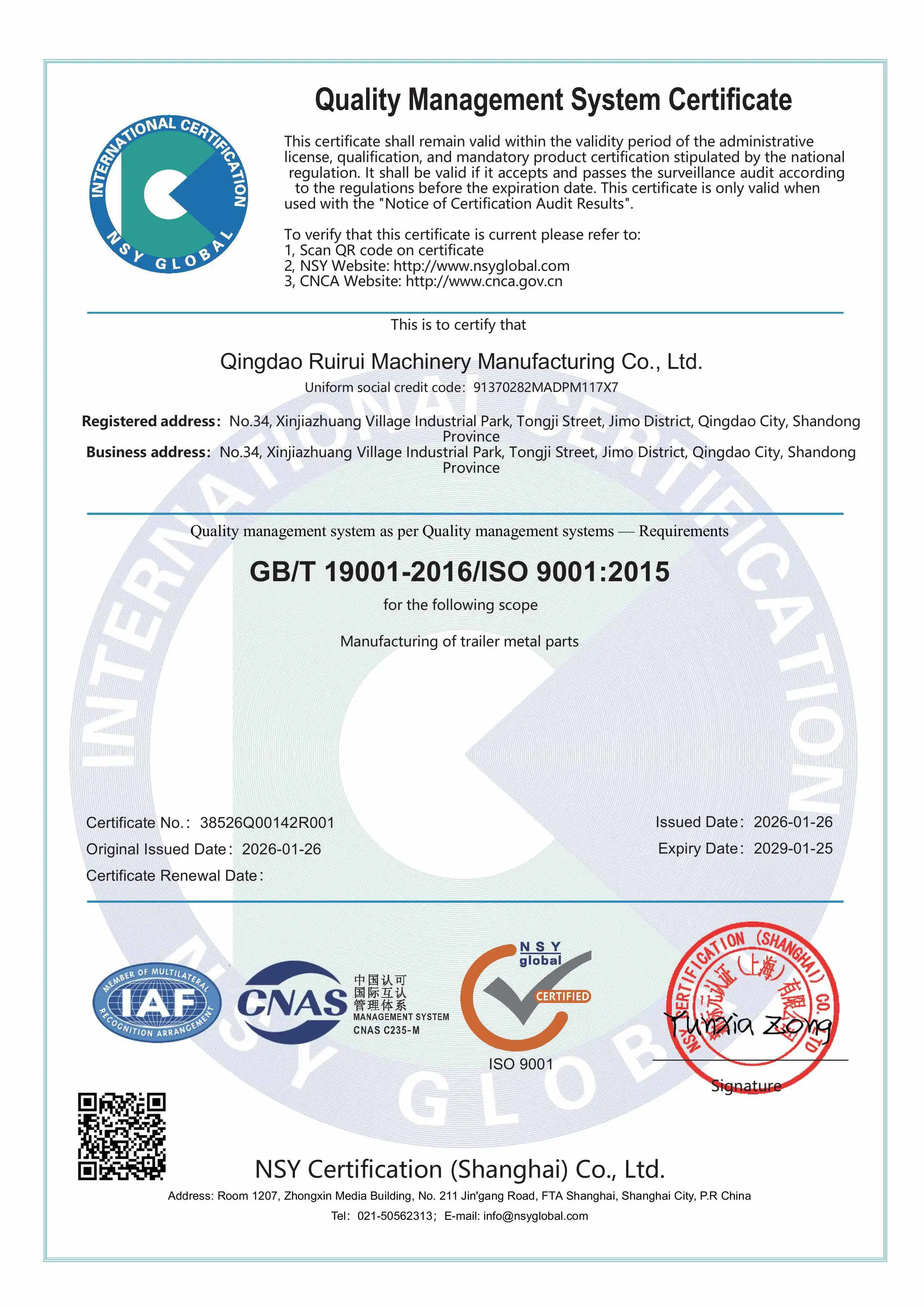
When your purchasing plan calls for trailer jack parts that are made to high standards, RUIRUI gives your business the quality and customization options it needs. As a well-known trailer jack maker with a lot of experience working with sheet metal, we offer OEM solutions to companies across North America that make industrial equipment, work with building contractors, and handle infrastructure projects. We can make mounting brackets, foot plates, and custom jack systems that last in harsh operating conditions through precise stamping, CNC machining, and welding. We are a trusted provider for both standard replacement parts and project-specific custom designs. Our quality systems are ISO-certified, and we can make more than 130,000 precision metal components every year. Our engineering team works directly with procurement staff to choose the best materials, finishes, and configurations for the best service life in your specific application. Contact us at kshdhardware@qdkshd.com to discuss your specifications.
References
1. Smith, J.R. and Thompson, M.K. (2022). "Structural Analysis of Trailer Coupling Systems: Load Distribution and Failure Mechanisms." Journal of Transportation Engineering, Volume 148, Issue 7.
2. National Highway Traffic Safety Administration (2021). "Trailer Safety Inspection Guidelines for Commercial Fleets." U.S. Department of Transportation Technical Report DOT-HS-813-201.
3. Anderson, P.L. (2023). "Corrosion Prevention Strategies for Marine Trailer Hardware." Coastal Engineering Quarterly, Volume 39, Number 2, pages 112-128.
4. International Standards Organization (2020). "ISO 12100: Safety of Machinery - General Principles for Design, Risk Assessment and Risk Reduction." ISO Technical Standards Publication.
5. Wagner, D.S. and Chen, Y. (2022). "Material Selection for High-Cycle Mechanical Lifting Devices." Materials Science and Engineering Review, Volume 54, pages 87-103.
6. Commercial Vehicle Safety Alliance (2023). "Best Practices for Trailer Maintenance and Component Replacement in Fleet Operations." CVSA Technical Manual, Third Edition.

Send Inquiry
You may like