
The Ultimate Guide to Trailer Jacks: Types, Uses, and Maintenance
A trailer jack is an important part of safe trailer operation because it lets drivers precisely level, couple, and support trailers. This machine raises the tongue of the trailer off the ground, making it easier to connect the hitch to a pull vehicle and carrying heavy static loads. Understanding the details of these lifting systems is important for both business logistics and building projects, whether you're in charge of a fleet of utility trucks or looking for parts for industrial equipment.
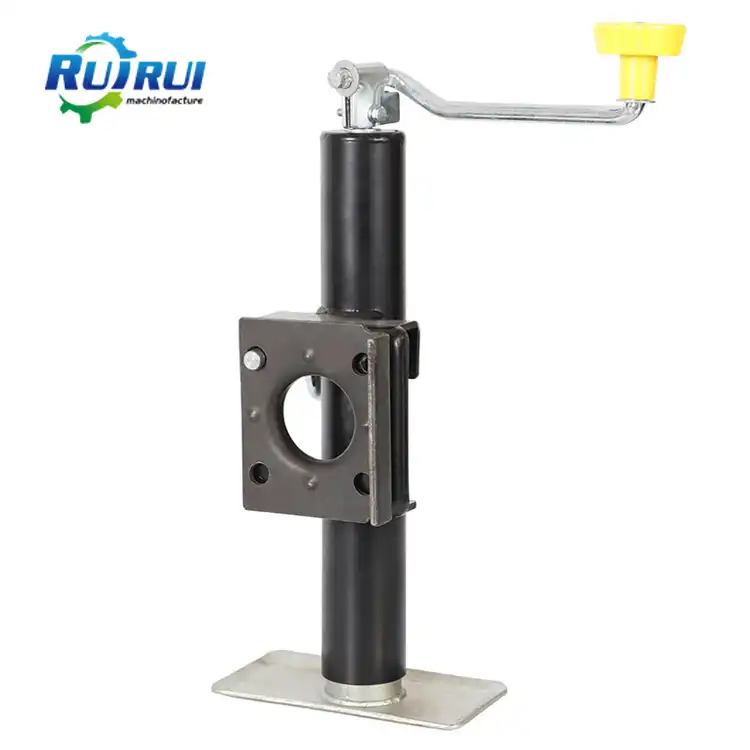
Understanding Trailer Jacks: Functions and Types
The Mechanical Foundation of Trailer Stability
An electric or human input is turned into vertical lifting force by a trailer jack's carefully designed gear systems. The device usually has an outer tube assembly that holds an inner extending tube that is attached to a system of threaded screws. When the crank handle is turned or the motor is turned on, the screw mechanism connects with a gear housing. This turns the spinning force into straight-up motion. With manageable effort ratios, this design lets a single user lift loads over a few thousand pounds. These ratios usually range from 5:1 to 8:1 mechanical advantage, based on the gear pitch specs.
The strength of the structure rests a lot on the choice of materials and the accuracy of the construction. Most industrial-grade jacks are made of welded steel and have strong fixing brackets that can handle the cyclic loading loads that come up when connecting things up and off often. The load path starts at the foot plate and goes through the inner tube. It is then spread out across the fixing bolts and into the trailer A-frame structure.
Manual Jacks: The Workhorse of the Industry
The market is dominated by manual trailer jacks for uses that need solid mechanical ease and don't need to be powered. These units have a drop-leg design, and the inner tube is extended by hand using a crank handle that can be taken off. The gear ratio usually gives enough pulling speed while keeping the user from getting too tired. This means that they can be used with trailer tongue weights of 800 to 5,000 pounds.
Procurement managers who are looking at the total cost of ownership will also like them. Since there aren't any electrical parts that could be damaged by water or a dead battery, care is still pretty low-key. Greasing the gear teeth every so often and checking the mounting hardware should be enough. Because they are so reliable, manual jacks are the best choice for utility trucks that work in building sites where dust and vibration could damage electrical systems.
Electric-Powered Solutions for Heavy-Duty Applications
Electric trailer jacks are useful for high-frequency tasks that need to be done quickly and can't be done by hand. These systems use 12-volt DC motors that get their power from either the tow vehicle's batteries or batteries that are specifically designed for the system. A standard electric jack can lift 3,500 pounds, or 12 inches, in less than 30 seconds. This makes it easier on operators and speeds up the time it takes to turn over fleets.
But the value offer is more than just speed. Marine trailer operations that often launch from boat ramps benefit from motor housings that are resistant to weather and wire lines that don't rust. Usually, the control systems have limit switches that stop the cables from being stretched too far and heat safety circuits that keep the motor from burning out when the load stops. Maintenance schedules are very different. To keep things running smoothly, electrical connections need to be tested regularly and the motor brush needs to be inspected every so often.
Swivel and Dual-Wheel Configurations
The Trailer Jack With Dual Wheels is an example of specialized engineering that solves problems with foundation support. In contrast to fixed single-wheel designs, this layout spreads ground contact pressure across two wheels, which lowers point loading by about half. This is very important when putting trailers in place on sand, soft ground, or brand-new asphalt, because regular jacks would go through the surface.
The swivel bracket system can turn in any direction, so workers can move trucks by hand without having to lift the whole tongue weight. This maneuverability is especially helpful for marine uses that have to get through busy marina parking lots or change boat trailers on beach launch ramps. The trade-off in engineering is more parts. More bearings and pivot points need to be greased regularly to keep them from seizing up, which is especially important in saltwater settings where galvanic rust speeds up wear.
Material Considerations: Steel Versus Aluminum
A lot of the time, choices about what to buy depend on how well the materials work in operational environments. Cold-rolled steel construction gives you the most load capacity per unit cost, and powder-coated or galvanized finishes protect against rust well enough for use in interior areas. Heavy-duty industrial trucks that carry building equipment usually need steel jacks that can hold up to 7,000 pounds and have reinforced tube wall thicknesses greater than 2.5mm.
Aluminum alloy options give up some ultimate strength in exchange for a huge weight loss—they are usually 40 percent lighter than steel models that do the same job. This is helpful for boat trailers because the tongue weight directly affects how much a car can pull. Marine-grade aluminum with an anodized surface treatment is better at withstanding saltwater than protected steel, but it costs about 30 to 50 percent more to buy. When figuring out how often to update fleet operations in coastal areas, the long life supports the higher price.
How to Choose the Best Trailer Jack for Your Needs
Aligning Capacity Specifications With Operational Demands
The most important thing to look at when choosing is the weight capacity number, but buyers who don't know the difference between static and dynamic loads often get confused by the specs. Manufacturers rate jacks based on their steady vertical load, which is the most weight that the jack can hold when it is not moving. But when connection operations happen during hitch alignment, dynamic forces can temporarily be 15 to 20 percent higher than static values.
As a general rule, engineers should mention jacks that are rated at least 50% above the estimated tongue weight. A jack that can hold at least 3,000 pounds should be used on a trailer with a tongue weight of 2,000 pounds. This safety gap accounts for uneven load distribution, changes in ground slope, and the possibility of the trailer being overloaded. Fleet managers who are in charge of a variety of trailer types often choose higher-capacity universal jacks so that they can keep track of their goods more easily. They are willing to pay a small premium for operating freedom.
Power Source Evaluation: Manual Versus Electric Trade-Offs
There's more to the choice between manual and electric trailer jack than just cost. When bought new, electric trailer jacks cost $150 to $300 more than manual ones, but the extra work they do during busy times pays for themselves within the operating seasons. When trailer jacks are used, a distribution fleet that does 20 coupling operations every day saves about 15 minutes per shift, which adds up to a big labor cost recovery over the lifespan of the equipment.
Electrical system connectivity needs to be checked when the goods are bought. At full load, most electric jacks use 15 to 25 amps, so your car's generator needs to be able to handle that much power and your wiring needs to be properly sized. Trailers that don't have built-in battery systems need to be connected to the tow vehicle's electrical systems, which makes installation more difficult. Even though they are less productive, remote businesses that don't have stable access to power still prefer manual jacks.
Mounting Configuration and Adjustability Requirements
Trailer A-frame shape determines the placement of mounting bolts and the lengths that need to be traveled vertically. Side-mount jacks connect to the vertical face of the trailer frame. They have shorter profiles that make them good for low-clearance situations, but they need to be perfectly lined up when they are installed. Top-mount designs use bolts to attach to horizontal frame surfaces. This makes installation easier and improves load distribution, but it takes up more vertical room.
Most levels of adjustability cover 10 to 15 inches of vertical movement. Extended-travel types with 18-inch lift abilities are better for trailers that have to deal with different loading dock heights or rough terrain. Because the range is longer, the jacks don't have to reach their full length before they can clear the ground, which would require workers to block on the spot, which is very dangerous.
Installation and Maintenance: Ensuring Longevity and Safety
Systematic Installation Procedures for Structural Integrity
To do a proper installation, you must first accurately measure where the fixing points will be so that the jack works perpendicular to the ground when the trailer is level. Mounting bolts should go through frame members far enough away from the edges (usually three times the bolt width) so that they don't tear out when the frame is loaded. Grade 8 bolts with nylock nuts and lock washers keep the jacks from coming loose from road vibrations, which is a typical way for jacks that aren't properly held to break.
Pay close attention to the Trailer Jack Foot Plate connection. This part screws or pins into the bottom of the inner tube, changing point contact into a spread-out bearing over the plate's surface. If you don't place the foot plate correctly, it can come off during use, letting the raw tube edge go through soft materials and possibly making the trailer unstable. The securing pins must fully connect through the mounting holes in both the tube wall and the plate. Cotter pins or locking clips must be used to keep the pins from accidentally coming loose.
Lubrication and Corrosion Prevention Protocols
Gear systems need to be oiled from time to time with marine grease made of lithium that won't wash away in water. Maintenance times rely on how often the equipment is used. For example, business companies that are used every day might need service every week, while leisure trailers only need service during the summer. The gear case usually has a grease fitting that can accept normal grease gun attachments. However, for some sealed designs, the gears need to be taken apart so that the inside can be oiled.
To keep telescoping tubes from galling and rust bonding, you need to pay close attention to them. A small layer of anti-seize substance is put on the outside of the inner tube to make it easier to stretch. This also keeps water out, which would otherwise cause rust to form. When transporting, operators should fully lower the jacks so that they are less exposed to road spray and debris buildup. Trailers that are used in saltwater settings should be rinsed with fresh water after each use to get rid of salt buildup before corrosion starts.
Inspection and Replacement Decision Criteria
Visual checks should find structural cracks in welds or mounting clamps, deformed tubes from being overloaded, and worn gear teeth that cause too much play. If a crack spreads to load-bearing parts, they need to be replaced right away. Trying to fix structural parts raises legal issues and makes them less reliable, which is not acceptable for business use.
As part of functional testing, the whole range of motion must be checked to make sure it works smoothly and without any noise or stiffness. Electric jacks need to be tested for current draw while they are under load to find motor degradation before it leads to a catastrophic failure. Swivel devices should have no more bearing play than what the maker says is acceptable. Usually, less than 1/8 inch of radial movement is acceptable. When new parts are needed, getting OEM-equivalent parts from reputable companies makes sure they will work with the original design and keep the safety gaps that were built into it.
Comparing Popular Trailer Jack Solutions: Features, Performance, and Procurement Considerations
Manual Jack Performance Across Load Classes
Most utility trailers used for light business work have standard drop-leg manual jacks that can hold between 1,500 and 2,500 pounds. Most of the time, these units are made of zinc-plated steel and have sealed gear housings to keep dust out. The retail price runs from $45 to $85 based on the capacity and finish quality. This makes them a good choice for standardizing a fleet from an economic point of view.
Heavy-duty manual versions that can hold more than 5,000 pounds have thicker tube walls and bigger gear screws that spread the load over more tooth contact areas. These specialized units cost between $120 and $200, but their long service life makes them worth it in difficult situations like trailers carrying skid steers or industrial machinery. The bigger physical size means that the available mounting room has to be checked during specification.
Electric Jack Value Propositions
The 3,500-pound size group is mostly made up of mid-range electric jacks, including trailer jack models, that cost between $180 and $280. These systems strike a good mix between being affordable and working well enough for boat trailers and protected cargo uses. Motor duty cycles usually let them run continuously for two to three minutes before the thermal protection kicks in. This is long enough for regular coupling jobs but could be a problem if they need to be moved for a long time.
Premium electric models have planetary gear reduction systems that make them smaller while still providing more power. These high-tech units can lift 6,000 pounds while still being the same size as cheaper models with less lifting power. The higher efficiency lowers the current draw, which extends the battery life in situations where power sources are placed on trailers. The prices go up to $350 to $500, which makes them more specialized options for heavy marine trailers or business uses that support the higher investment through productivity measures.
Sourcing Strategies for Procurement Professionals
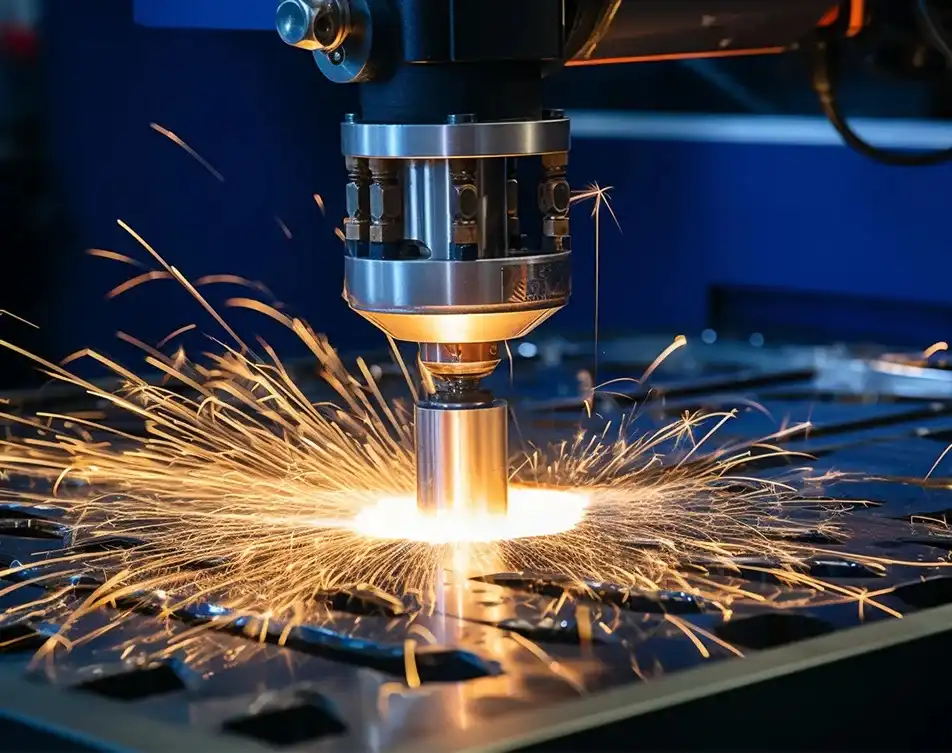
Building relationships with makers that offer OEM customization gives businesses with specific operational needs strategic benefits. When you work with makers who offer a range of manufacturing services, such as laser cutting, CNC machining, and advanced finishing processes, you can get custom tube lengths, unique mounting brackets, and coatings that are made to fit your needs.
When negotiating for a large purchase, guarantee terms that last longer than one year should be talked about. This is especially important for fleet uses where early failures cause problems with operations. When you buy 50 units or more, you usually get a volume deal. When you buy 100 or more, you get even bigger price cuts. When compared to domestic options, buying from qualified makers in regions with well-established metal fabrication infrastructure can save you 20 to 35 percent on costs. However, you need to be very careful with lead times and shipping planning.
Conclusion
To choose the right trailer jack options, you need to carefully consider your working needs, the conditions of the area, and the total cost of ownership. When it comes to mechanical ease, manual systems are stable and good for occasional use and buying on a budget. On the other hand, electric versions are more productive and worth the extra money in high-frequency uses. Which material to use—steel or aluminum? It depends on the application description and how sensitive you are to rust and weight. Installing gear that is right for the job and following repair plans directly affects how long equipment lasts and how safe it is to use. Establishing source relationships with makers that show they can do a wide range of manufacturing tasks, have quality standards, and are ready to support custom specs that match specific business needs is good for procurement pros.
FAQ
1. What capacity rating should I specify for my trailer application?
Use scales instead of guesses to get an accurate reading on the tongue weight of the trailer, and then choose jacks that are rated at least 150% of the measured values. This safety cushion accounts for dynamic loading during connection operations and possible future changes to the trailer that could make the tongue heavier. When trailers have gross weights over 10,000 pounds, they usually need jacks that can hold more than 5,000 pounds to keep safety factors at a good level under normal working conditions.
2. Can electric jacks operate reliably in marine environments?
Modern electric jacks with sealed motor housings and marine-grade wire lines work consistently in saltwater as long as they are kept in good shape. Faster rusting can be stopped by rinsing with fresh water after each saltwater soaking and checking electrical connections once a year. But places with harsh marine conditions might still prefer manual options that don't have any electricity failure modes at all, even if they cost more in terms of output.
3. How frequently should maintenance procedures be performed?
Commercial teams that do daily coupling operations should set up routines for lubrication every month and full checks every three months. Recreational trailers that are only used during certain times of the year need to be serviced before the season starts. This includes lubrication, functional testing, and a structure check. If a trailer sits idle for more than six months, it should be operationally cycled and re-oiled before it is put back into service. This stops rust bonding and makes sure the trailer works before loading operations.
Partner With RUIRUI for Premium Trailer Jack Solutions
RUIRUI is ready to help you meet your buying goals when your operations need precisely built lifting solutions backed by a wealth of manufacturing knowledge. Our plant specializes in making trailer parts, like jacks, mounting tools, and structural accessories, exactly the way you want them. We can meet ISO 9001 standards for OEM-quality goods by laser cutting, CNC machining, and applying advanced surface processes.
We know what North American dealers and industrial buyers want because we've been making trailer jacks for a long time and have shipped containers at sea. Our engineering team works directly with clients to make ideas work best for their needs, whether they need water solutions that won't rust or heavy-duty industrial ones. Email our expert sales team at kshdhardware@qdkshd.com to talk about your needs and get full quotes for large orders. We have low factory-direct prices, short production wait times, and professional packaging that makes sure your parts come ready to use right away. Visit sheetmetalprocessingplant.com to see all of our services and learn why top dealers trust RUIRUI to provide them with reliable trailer jacks.
References
1. Smith, J. R. (2021). Mechanical Design Principles for Trailer Coupling Systems. Industrial Equipment Press.
2. National Association of Trailer Manufacturers. (2022). Safety Standards and Best Practices for Trailer Jack Installation. NATM Technical Bulletin Series.
3. Morrison, T. & Chen, L. (2020). Material Selection in Heavy-Duty Lifting Equipment: A Comparative Analysis. Journal of Mechanical Engineering Applications, 15(3), 234-251.
4. Peterson, K. (2023). Fleet Maintenance Protocols for Commercial Trailer Operations. Transportation Equipment Management Quarterly.
5. Anderson, M. et al. (2022). Corrosion Prevention in Marine Trailer Components. Coastal Engineering and Materials Science Review, 8(2), 112-128.
6. Industrial Fabrication Standards Committee. (2021). OEM Procurement Guidelines for Trailer Hardware and Accessories. Manufacturing Industry Standards Publication.

Send Inquiry
You may like