
Top Rated Bulk Trailer Balls for Heavy Equipment Hauling
When your heavy equipment hauling operation faces unexpected downtime because of a failed trailer ball, the cost goes far beyond the replacement part. Lost productivity, missed deadlines, and potential safety hazards can cripple your business operations. Finding reliable bulk trailer balls that can withstand the extreme forces of heavy equipment transport isn't just about purchasing hardware—it's about ensuring your fleet operates safely and efficiently every single day. This comprehensive guide explores the critical factors in selecting top-rated bulk trailer balls specifically engineered for heavy equipment hauling, helping you make informed procurement decisions that protect your investment and keep your operations running smoothly.
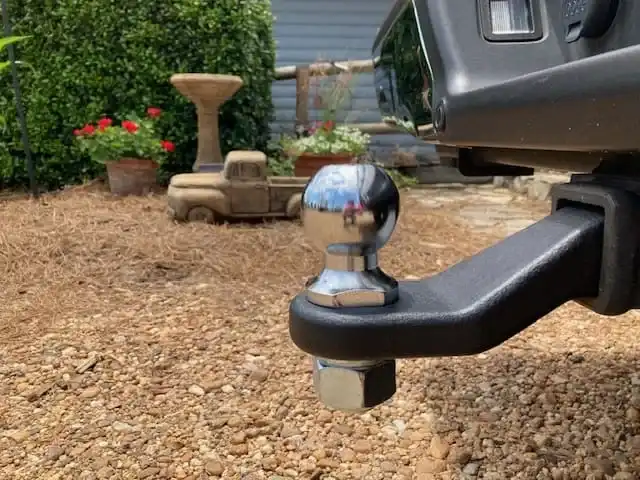
Understanding Bulk Trailer Balls for Heavy-Duty Applications
The demanding nature of heavy equipment hauling requires trailer coupling components that exceed standard specifications. Bulk trailer balls designed for these applications must demonstrate exceptional strength, durability, and reliability under extreme loading conditions that would quickly compromise inferior products. The metallurgical composition, manufacturing precision, and quality control processes all contribute to a trailer ball's ability to safely handle the massive weights and dynamic forces encountered when transporting bulldozers, excavators, and other heavy machinery. Professional haulers recognize that not all bulk trailer balls are created equal. The difference between a standard consumer-grade trailer ball and one engineered for heavy equipment transport involves significantly different material specifications, heat treatment processes, and manufacturing standards. High-quality bulk trailer balls intended for heavy-duty applications typically feature forged steel construction rather than cast iron, providing superior grain structure and strength characteristics. The forging process compresses the metal's internal structure, eliminating porosity and creating a denser, more resilient coupling point capable of withstanding the repeated stress cycles inherent in heavy equipment transport operations.
Material Composition and Strength Requirements
The metallurgical properties of bulk trailer balls directly determine their load-bearing capacity and service longevity. Premium bulk trailer balls for heavy equipment hauling are manufactured from high-carbon steel alloys that provide optimal tensile strength and impact resistance. The carbon content, typically ranging from 0.40% to 0.50%, creates a material structure that balances hardness with the necessary ductility to prevent brittle failure under shock loading. Additional alloying elements such as chromium and molybdenum further enhance the steel's hardenability and resistance to wear, ensuring the trailer ball maintains its dimensional integrity even after thousands of coupling cycles. Surface hardening treatments represent another critical aspect of bulk trailer balls quality manufacturing. Through processes like induction hardening or case hardening, manufacturers create an extremely hard outer layer while maintaining a tough, resilient core. This dual-layer structure provides exceptional wear resistance at the contact surfaces where the coupler interfaces with the ball, while the softer core absorbs impact energy and prevents catastrophic brittle fracture. The hardness differential between surface and core is carefully controlled, with surface hardness typically reaching 55-60 HRC while the core maintains 30-35 HRC, creating the optimal combination of durability and toughness for heavy equipment hauling applications.
Load Capacity Classification and Safety Standards
Understanding the load rating system for bulk trailer balls is essential for selecting appropriate components for heavy equipment hauling. Trailer balls are classified by their gross trailer weight (GTW) capacity, which represents the maximum weight they can safely handle including both the trailer and its cargo. For heavy equipment transport, bulk trailer balls must typically support GTW ratings of 10,000 pounds or greater, with many professional applications requiring 15,000 to 30,000-pound capacity balls. However, the rated capacity alone doesn't tell the complete story—the actual safety margin and engineering design factor incorporated by the manufacturer significantly impacts real-world reliability and longevity. Reputable manufacturers of bulk trailer balls incorporate substantial safety factors into their designs, typically engineering components to withstand forces two to three times their stated capacity rating. This conservative approach accounts for dynamic loading, impact forces during rough terrain transport, and the cumulative effects of fatigue over extended service life. Quality assurance testing protocols subject bulk trailer balls to destructive testing, verifying that samples consistently exceed minimum strength requirements before production batches are released. These rigorous testing procedures ensure that every bulk trailer ball leaving the factory meets or exceeds published specifications, providing haulers with the confidence needed for critical heavy equipment transport operations.
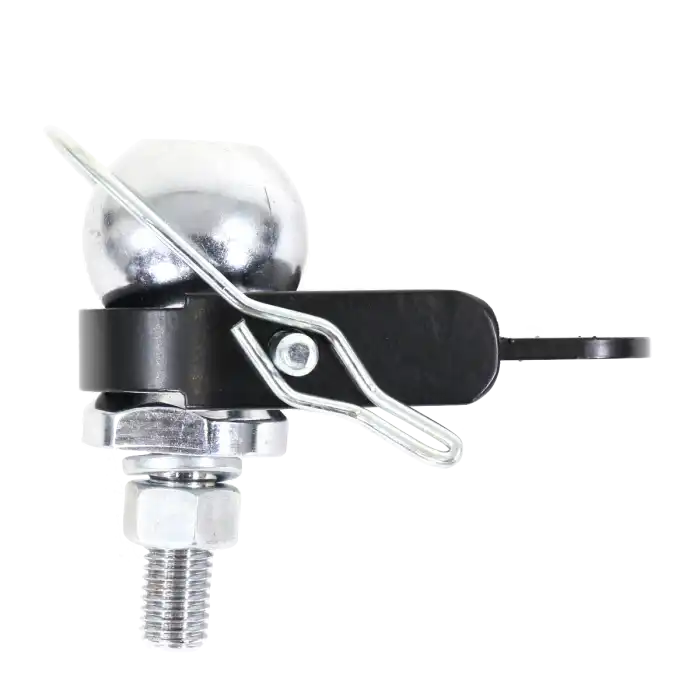
Selecting the Right Bulk Trailer Balls for Your Fleet
Procurement decisions for bulk trailer balls should extend beyond simple price comparisons to encompass total cost of ownership, compatibility with existing equipment, and supplier reliability. Fleet managers responsible for heavy equipment hauling operations must evaluate multiple factors simultaneously, balancing immediate budget constraints against long-term operational requirements and safety considerations. The proliferation of low-cost imported bulk trailer balls has created a challenging marketplace where distinguishing quality products from substandard alternatives requires careful evaluation and verification of manufacturing standards.
Size and Shank Specifications
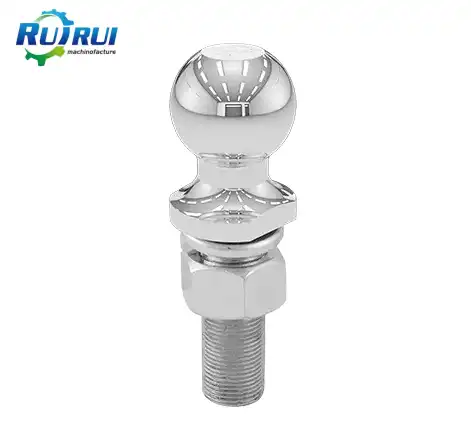
Proper sizing of bulk trailer balls involves matching both the ball diameter and shank dimensions to your specific trailer coupler and towing vehicle receiver. The ball diameter, measured across the widest point of the ball's spherical surface, must precisely match the coupler specification—common sizes for heavy equipment hauling include 2 inches, 2-5/16 inches, and 3 inches. Even slight mismatches between ball diameter and coupler size create dangerous conditions where the coupler may not fully seat or may detach under load. Professional operations maintain bulk trailer balls in multiple sizes to accommodate different trailers within their fleet, ensuring proper coupling regardless of which combination of equipment and trailer is deployed. The shank diameter and length represent equally critical specifications that determine how the bulk trailer balls mount to the towing vehicle's receiver or draw bar. Heavy-duty applications typically require 1-inch or 1-1/4-inch diameter shanks to provide adequate structural support for the high tongue weights associated with heavy equipment transport. The shank length must provide sufficient thread engagement for the securing nut while accommodating any height adjustment requirements between the towing vehicle and trailer. Insufficient shank length compromises thread engagement and reduces clamping force, potentially allowing the trailer ball to work loose during transport. Conversely, excessive shank length may prevent the securing nut from adequately tightening against the mounting surface, creating an unstable connection point.
Surface Finish and Corrosion Protection
The surface treatment applied to bulk trailer balls significantly impacts their service life and maintenance requirements, particularly for equipment operating in harsh environmental conditions. Raw steel components rapidly develop surface rust when exposed to moisture, road salt, and industrial contaminants commonly encountered in construction and heavy equipment hauling operations. This corrosion not only degrades the ball's appearance but also creates friction and binding between the ball and coupler, making connecting and disconnecting operations more difficult while accelerating wear on both components. Professional-grade bulk trailer balls feature advanced surface treatments that provide long-lasting corrosion protection without compromising the critical dimensional tolerances required for proper coupler fit. Chrome plating represents the industry standard for premium trailer balls, creating a hard, smooth surface that resists both corrosion and wear while facilitating easy coupling operations. The chrome layer, typically 0.002 to 0.005 inches thick, forms a protective barrier that prevents moisture from reaching the underlying steel while maintaining the precise ball diameter required for safe coupler engagement. Alternative surface treatments include zinc plating for more economical applications and powder coating for specialized requirements, though these generally provide less durable protection than hard chrome plating for demanding heavy equipment hauling environments.
Manufacturing Excellence in Bulk Trailer Balls Production
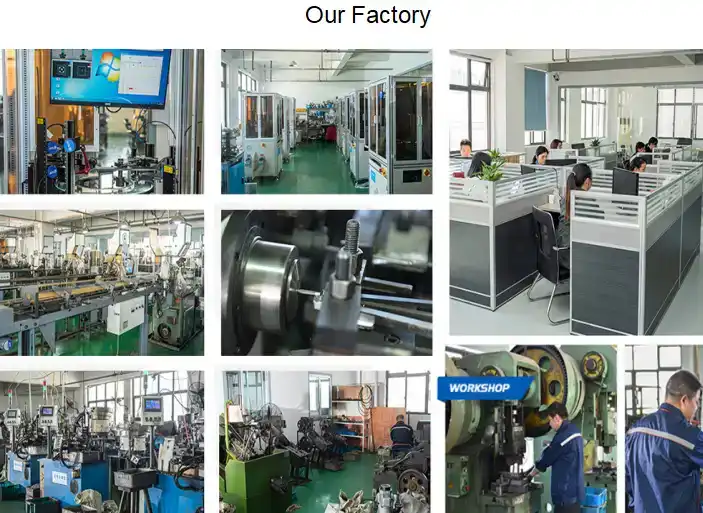
The production of high-quality bulk trailer balls requires sophisticated manufacturing capabilities that extend far beyond simple metal casting or machining operations. Advanced manufacturers employ multi-stage processes that transform raw steel stock into precision-engineered coupling components capable of safely handling extreme loads over extended service intervals. Understanding these manufacturing processes helps procurement professionals evaluate supplier capabilities and make informed decisions when sourcing bulk trailer balls for critical heavy equipment hauling applications. Modern bulk trailer balls production typically begins with hot forging processes that shape heated steel billets under tremendous pressure, creating the basic ball and shank geometry while simultaneously refining the metal's grain structure for optimal strength characteristics. The forging operation, performed at temperatures exceeding 2000°F, allows the steel to flow plastically under the forming dies, producing a component with continuous grain flow that follows the part's contours rather than being interrupted by the part geometry. This continuous grain structure dramatically improves the trailer ball's resistance to fatigue failure and impact damage compared to cast or machined alternatives where grain boundaries may create stress concentration points and potential failure initiation sites.
Following forging, bulk trailer balls undergo precision machining operations to achieve the exact dimensional tolerances required for safe, reliable coupling performance. CNC machining centers remove excess material and create the precisely spherical ball surface, maintaining diameter tolerances within ±0.005 inches across the entire contact surface. The shank receives threading operations that create clean, accurate threads for secure mounting while maintaining specified thread class tolerances. Any manufacturer producing bulk trailer balls without CNC machining capabilities cannot consistently achieve the dimensional precision required for professional heavy equipment hauling applications, regardless of material quality or heat treatment processes employed.
Heat Treatment and Quality Control Processes
Thermal processing represents perhaps the most critical manufacturing step in producing bulk trailer balls capable of withstanding heavy equipment hauling demands. Heat treatment transforms the forged steel's microstructure, optimizing mechanical properties for the extreme service conditions these components encounter. The process typically involves heating the forged bulk trailer balls to austenitizing temperatures between 1500-1600°F, holding at temperature to ensure complete transformation, then quenching in controlled-rate oil or polymer baths to achieve the desired hardness and strength characteristics. Subsequent tempering operations, performed at lower temperatures around 800-1000°F, relieve internal stresses and adjust final hardness to the optimal range that balances strength with toughness. Quality assurance protocols at leading bulk trailer balls manufacturers incorporate multiple verification stages throughout production to ensure every component meets stringent specifications. Incoming material certifications verify steel chemistry and mechanical properties before forging begins. In-process dimensional inspections catch any deviations from specification before components progress to subsequent operations. Post-heat treatment hardness testing confirms that thermal processing achieved target properties. Final inspection procedures verify all critical dimensions, surface finish, and thread quality before bulk trailer balls receive approval for shipment. These comprehensive quality control measures, when properly documented and auditable, provide procurement professionals with confidence that supplied bulk trailer balls will perform reliably in demanding heavy equipment hauling applications.
Conclusion
Selecting top-rated bulk trailer balls for heavy equipment hauling requires careful evaluation of materials, manufacturing processes, and supplier capabilities to ensure safe, reliable performance under extreme operating conditions.
Cooperate With Qingdao RUIRUI Machinary Co., LTD.
When sourcing bulk trailer balls for your heavy equipment hauling operations, partnering with a China bulk trailer balls manufacturer that combines advanced manufacturing capabilities with rigorous quality control delivers the reliability your business demands. Qingdao RUIRUI Machinary Co., LTD. stands as a leading China bulk trailer balls supplier, offering High Quality bulk trailer balls manufactured through state-of-the-art processes including progressive stamping, CNC machining, and advanced surface treatment technologies. As an established China bulk trailer balls factory since 2016, we maintain ISO 9001, ISO 14001, and OHSAS 18001 certifications, ensuring every bulk trailer balls for sale meets international quality standards.
Our expertise as a China bulk trailer balls wholesale provider extends beyond manufacturing to include comprehensive technical support, OEM customization capabilities, and competitive bulk trailer balls price structures that deliver exceptional value. With eight automated production lines producing 130,000 pieces annually, we provide the reliable supply chain continuity essential for fleet operations while maintaining the flexibility to accommodate custom specifications. Whether you need standard configurations or specialized designs in mild steel, stainless steel, or aluminum alloys, our engineering team works closely with quality inspectors to ensure every product meets your exact requirements from initial inquiry through delivery.
Ready to upgrade your heavy equipment hauling operations with premium bulk trailer balls? Contact our team at info@qdkshd.com to discuss your specific requirements and discover how RUIRUI's manufacturing excellence, competitive pricing, and customer-focused service create the perfect partnership for your procurement needs. Save this resource and reach out whenever questions arise about specifications, customization options, or bulk ordering—we're here to support your success with responsive technical expertise and proven manufacturing capabilities that keep your fleet moving safely and efficiently.
References
1. "Trailer Coupling Safety Standards and Load Requirements" - Society of Automotive Engineers (SAE), Technical Standards Committee
2. "Metallurgical Analysis of Forged Steel Trailer Components" - Dr. Robert Chen, Materials Science and Engineering Journal
3. "Heavy Equipment Transport: Best Practices for Trailer Safety" - National Association of Heavy Equipment Haulers, Safety Division
4. "Heat Treatment Processes for High-Strength Steel Components" - American Society for Metals (ASM), Manufacturing Technology Research Group
5. "Quality Assurance in Automotive Coupling Systems" - International Organization for Standardization (ISO), Transportation Safety Committee

Send Inquiry
Related Industry Knowledge
- How Do Secure Towing Solutions Prevent Trailer Sway?
- Industrial-Grade Metal Hinge: The Fastest-Growing Category in 2025 Hardware Market
- Thick-Gauge vs. Standard Hinges: A 5-Point Buyer's Checklist
- What Customization Options Are Available for Forged Steel Mechanical Parts?
- Why 92% of HVAC Pros Choose This Steel AC Bracket?
- Which tire sizes are compatible with Steel Tandem Fender?
- What are the Benefits of Stainless Steel Hinges?
- How do you maintain stainless steel hinges?
- How often should I inspect or replace my trailer safety pin?
- What are the limitations or drawbacks of using zinc-plated R shape pins?