
Trailer Ball Sizes Guide: Choose the Right Fit
Getting the right trailer ball width and weight limit is still the most important thing you can do to make sure you follow the rules and are safe when you pull. If the trailer ball fits right, the pulling car and the load stay firmly attached and don't come away while the trailer is moving. It's important to know how trailer ball width, shank standards, and load rates relate to each other whether you're an infrastructure worker in charge of a fleet or a procurement manager looking for parts to put together OEM trucks. This is true whether you're an infrastructure worker or a procurement manager. A lot of accidents involving tows happen because the links aren't right, so smart picking isn't just an option; it's a must.
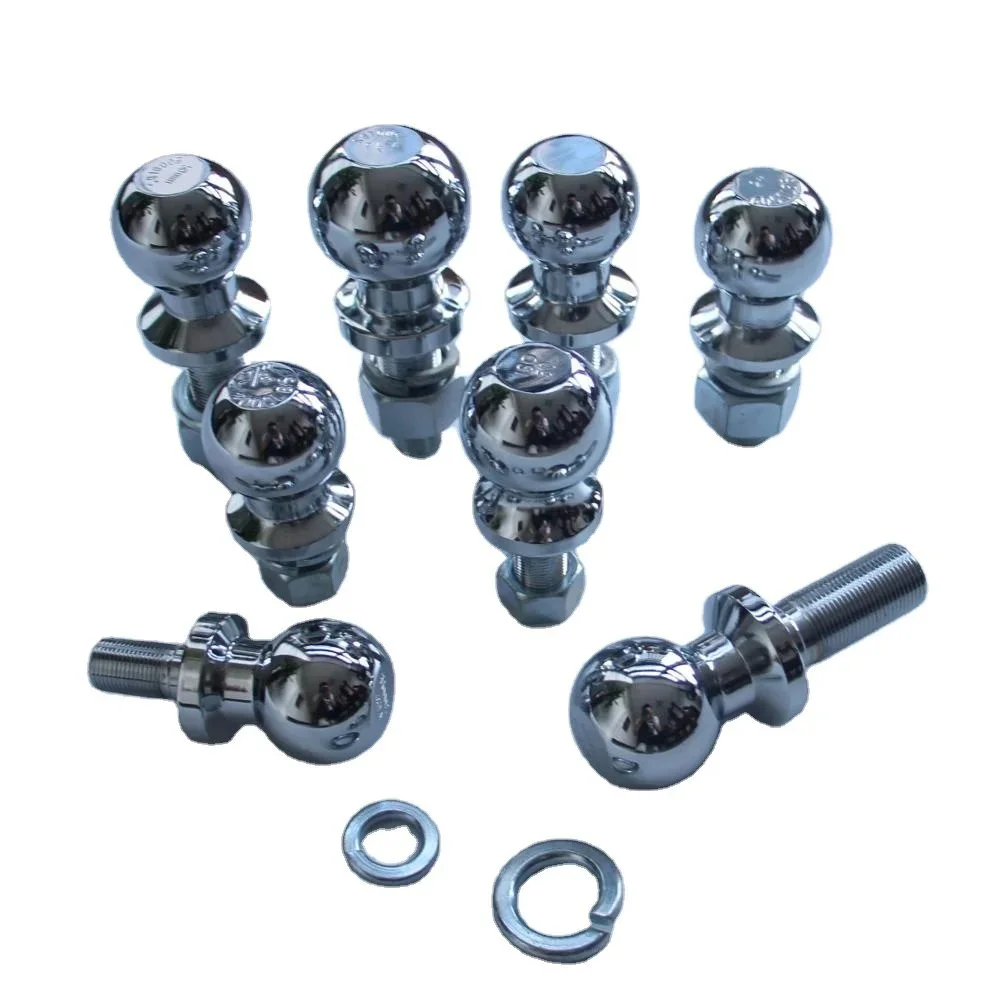
Understanding Trailer Ball Sizes and Specifications
Three things work together to make trailer balls technically correct. This keeps pulling safe. Together, the width, shank length, and weight capacity make a mechanical link that can handle loads that move on different types of ground.
Core Dimensional Parameters
This touch is set by the width of the trailer ball. While utility trailers and boats should be 2 inches wide, pleasure trailers should be 1-7/8 inches wide. Big building equipment and cargo trucks should be 2-5/16 inches wide. What makes the trailer ball fit through the receiver tube is the length of the handle. For different types of hitches and car forms, shanks of different lengths can be used. Gross Trailer Weight (GTW), which stands for "weight capacity," tells you how much weight is safe to put on a trailer.
Specification Comparison Chart
| Ball Diameter | Typical GTW Rating | Common Applications |
|---|---|---|
| 1-7/8" | Up to 2,000 lbs | Small utility trailers, jet skis |
| 2" | 3,500 – 8,000 lbs | Boat trailers, enclosed cargo trailers |
| 2-5/16" | 10,000 – 30,000 lbs | Equipment haulers, heavy construction trailers |
These scores are in line with SAE J684 standards, which say how tow equipment sold in North America should work.
Measuring Existing Components
When you need to replace parts or check what you already have, writing down these measurements makes it easier to order things in the future and speeds up the supply chain. To find the diameter, measure across the widest part of the trailer ball with a caliper or precision ruler. The shank length is the distance from the bottom of the trailer ball to the base of the threaded part. The thread pitch and diameter need to match the mounting hardware on your drawbar assembly.
How to Choose the Right Trailer Ball for Different Towing Needs
A structured review approach that fits technical needs with budget limits is helpful for people who work in procurement. This method lowers risk while increasing lasting value for a variety of towing uses.
Defining Compatibility Requirements
That's why it's important to make sure that the receiver class matches the trailer ball capacity. Class I receivers can hold up to 2,000 pounds and are good for small vehicles and light-duty tasks. Class III receivers, which are common in full-size trucks and SUVs, can hold 3,500 to 8,000 pounds with weight-distributing hitches. Class V receivers can hold the heaviest loads, up to 20,000 pounds for commercial and industrial uses.
The size of the coupler on the trailer determines the diameter of the trailer ball. To avoid guesswork, measure the coupler's internal dimensions or look at the manufacturer's instructions. Many fleet operators keep different-sized drawbar assemblies on hand so they can fit different types of trailers without having to switch out equipment. This saves time during vehicle changes.
Material and Durability Considerations
If you live in a mild climate or near the coast, chrome-plated steel trailer balls are the most popular because they are good value for money and don't rust. Stainless steel trailer balls, especially 304 and 316 grades, last longer because oxidation speeds up component degradation. This means that higher initial costs are offset by longer replacement intervals, which lowers the total cost of ownership for fleets that are used a lot.
Procurement Decision Checklist
Setting up vendor qualifications keeps the supply chain safe. For example:
- ISO 9001 certifications show that the quality management system can produce consistent output.
- Production capacity is important when changing orders to accommodate a growing fleet or seasonal demand spikes.
- Lead time guarantees keep operations running smoothly, especially for businesses that are coordinating container-level shipments from manufacturing partners.
- Engineering support is helpful when changing the shank's dimensions or adding special coatings for specific operational environments.
Taking all of these factors into account creates a supplier scorecard that helps with long-term partnership decisions and lowers procurement risk.
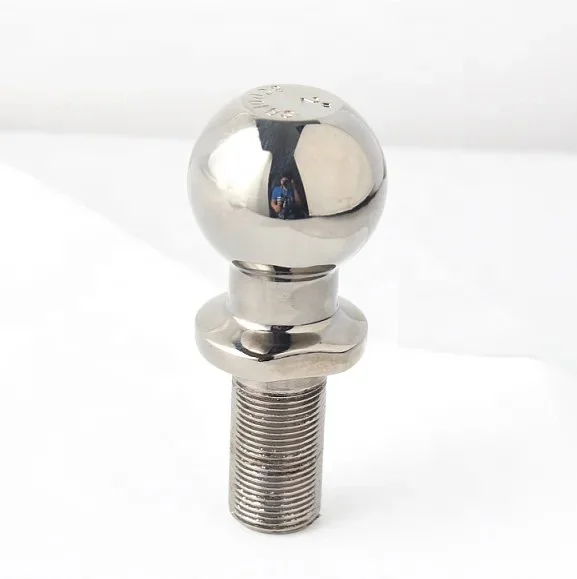
Comparing Different Types and Materials of Trailer Balls
You can buy different kinds of tow gear, and each one is made to meet different performance standards and user preferences.
Standard vs. Heavy-Duty Configurations
Standard trailer balls are used for general tasks where the weight limits stay in Class I through Class III. Heavy-duty models have larger shank diameters (often 1-1/4 inches instead of the standard 1-inch) and reinforced ball-to-shank junctions that stop the structure from bending when hauling heavy loads like excavators. Construction companies need these reinforced designs to keep the structure strong at maximum rated loads.
People who often change between towing and non-towing vehicle configurations like quick-release systems because the trailer ball can be removed without tools. This keeps the hitch's ground clearance and good looks when it's not in use. Specialty trailer balls are available for different uses, such as gooseneck adapters for farm equipment or adjustable-height models that fix geometry problems between the coupler and the vehicle.
Material Science and Performance Trade-offs
When you chrome plate forged steel for a trailer ball, you get a hard, smooth surface that makes it easier for the coupling to move. The protective layer can handle light wear and tear, but it can chip when hit, letting water into the base metal. Nickel finishes are better for looks and offer average corrosion resistance. They are often used for installations that will be seen by a lot of people, like on commercial fleets where brand presentation is important.
As stainless steel doesn't need to be plated, the corrosion resistance is the same all the way through the part. Grade 304 is fine for most environments, while molybdenum is added to Grade 316 to make it more resistant to chloride in marine or industrial chemical exposure situations. The higher cost of the material usually adds 40 to 60 percent to the unit price, but the longer service life and fewer replacement cycles make up for it. This lifecycle economics is appealing to distributors who serve coastal markets or cities that take care of winter road maintenance.
Manufacturer Reputation and Supply Reliability
Larger companies don't usually spend as much on infrastructure like metallurgical testing, quality control protocols, and liability insurance as bigger brands do. This infrastructure makes sure that the parts are the same size and perform as expected under rated conditions. If you're buying parts for projects that could be sued, like municipal infrastructure projects or commercial fleet operations, the supplier's reputation directly affects risk management. It's best to work with manufacturers that have the right certifications and documented production histories so that you can defend your buying decisions if problems are looked at by regulators.
Installation and Maintenance Best Practices to Maximize Trailer Ball Life
Putting parts together properly and keeping up with regular maintenance will make them last longer while still protecting you in the ways that were planned when they were first made.
Correct Installation Procedures
Make sure that the flat side of the shank lines up with the flat inside the hole so that it doesn't turn when it's loaded. Place the washer on top of the locknut so that the cupped side faces up. Tighten the locknut by hand until it's snug, then use a torque wrench to reach the manufacturer's recommended tightness, which is usually 90 to 120 foot-pounds for normal uses. If you tighten it too much, the threads could strip or the shank could get damaged.
People often make installation mistakes like not using a washer (which increases stress and wear) or thread pitches that don't match (which looks like they'll work at first but doesn't when they're loaded). To avoid cross-threading by accident during field installations, procurement teams should make sure that all of their threads have the same specifications.
Maintenance Protocols for Extended Durability
Every time you use the trailer ball, clean it to get rid of dirt from the road, grease buildup from the coupler, and corrosive substances like road salt. To fix the surface, use a wire brush and solvent without hurting the protective finishes. To stop rust from forming, put a thin layer of trailer coupler grease on it. This is especially important when the trailer is stored and there is no friction to move the grease around.
Once every three months, look for signs of wear on the trailer ball surface. If you see flat spots or clear deformation, the material is worn out and needs to be replaced right away. Also, look for cracks in the threaded shank that are radiating from the ball junction; this is a common way for fasteners to fail under cyclic loading. Every year, check the torque specifications again; even locknut designs can become loose over time due to vibration. Writing down these inspections makes maintenance records that are useful for fleet management audits and shows care in safety-critical systems.
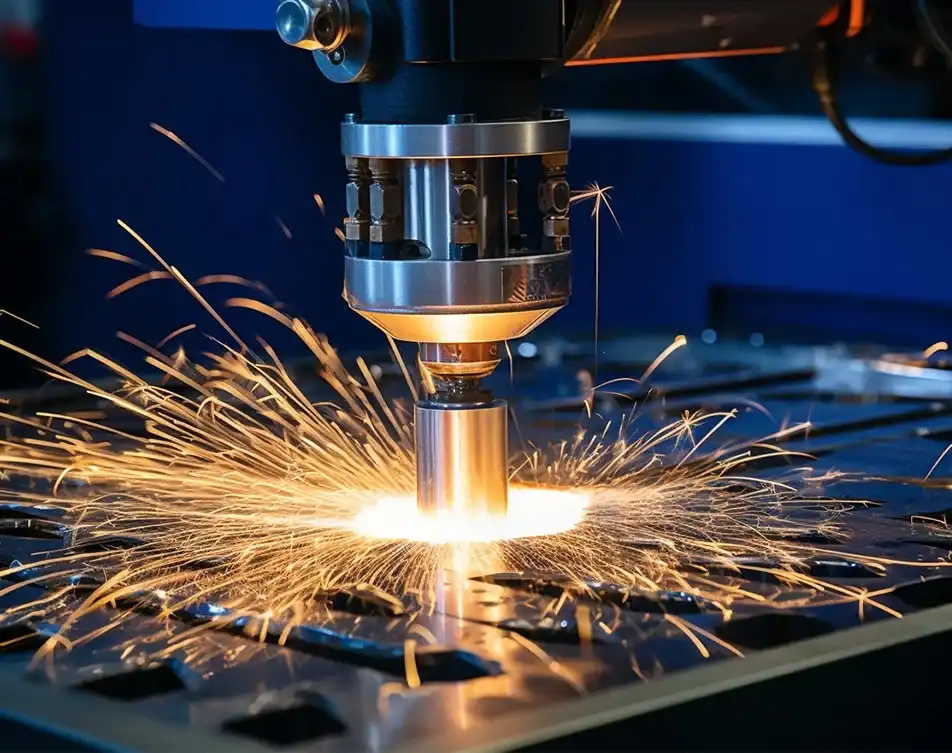
Where and How to Buy Trailer Balls – A Procurement Guide
With strategic buying, you can get both low prices and a supply chain you can trust. This is especially important for companies that need to keep up with large groups of cars or tight deadlines for building projects.
Evaluating Sourcing Channels
Local distributors have a wider range of products at lower prices than factory-direct suppliers. They also offer immediate availability and direct technical consultation, which is helpful when troubleshooting compatibility issues or responding to emergency equipment failures. Their markup, which is usually 25–40% on top of factory-direct pricing, covers the costs of keeping inventory and shipping to different areas. Shipping lead times for online industrial suppliers vary from days to weeks depending on where their stock is located.
When buyers need to customize a lot of items or ship them in containers, working directly with manufacturers is the best way to do it. This method lowers the cost per unit through economies of scale, but buyers need to place larger orders and plan ahead to work with production and shipping schedules in other countries. When buyers buy from Chinese sheet metal fabrication specialists, they often negotiate OEM specifications, like custom shank lengths, special coatings, or packaging configurations that make installation easier for the end user.
Supplier Qualification Criteria
As long as you check the reputation of a supplier, you can be sure that low-quality parts won't get into your supply chain. You can also ask for material certifications that confirm the alloy composition and heat treatment specifications. For quality management certifications, like ISO 9001, which list process controls and traceability systems, also look at the supplier's delivery performance history. This is important for project-driven procurement, where delays can affect other activities that depend on it.
Technical support, managing warranties, and making sure replacement parts are available are all parts of after-sales support. Suppliers that offer engineering consultation can help with problems that arise during installation or questions about specifications that arise during deployment. Warranties that last anywhere from 12 months to a lifetime show that the manufacturer is sure that the product will last, and they give customers a way to get their money back if the trailer ball breaks down too soon.
Value Optimization Strategies
When you buy in bulk, you can save money on each item and make sure you have enough on hand for routine maintenance or replacements in case of an emergency. Buying trailer balls with mounting hardware that works with them (drawbars, pins, and clips) makes it easier to buy and makes sure that all the parts fit together. Some suppliers offer kits that are already set up for certain types of vehicles, which helps buyers who are in charge of a diverse fleet decide what to buy.
When you compare prices, you shouldn't just look at the initial purchase price. For example, a chrome-plated trailer ball that costs 50% less than a stainless steel one may last twice as long, which means lower annualized costs and less work to replace. Because you have to pay for downtime when parts fail, you get a full economic picture that helps you make smart buying decisions.
Conclusion
When choosing the right trailer ball, you need to carefully think about its diameter, weight limit, material make-up, and the supplier's credentials. These technical choices have a direct impact on towing safety, operational efficiency, and long-term cost management in commercial fleets and industrial settings. Making sure that the trailer ball specifications match your specific load needs, environmental conditions, and vehicle compatibility lowers your risk of liability while increasing regulatory compliance. Buying from certified manufacturers with well-documented quality systems guarantees reliable parts that can handle tough operational conditions, protecting both people and equipment during the towing process.
FAQ
1. What happens if I use the wrong trailer ball size?
There is too much play in the connection when the trailer ball and coupler are the wrong sizes. This lets the trailer sway randomly while it's being moved. Balls that are too small may come off completely when they're loaded, and balls that are too big can stop the coupler from latching properly. This makes it harder to control the trailer and is against most safety laws for towing.
2. How often should I replace my trailer ball?
Check the trailer ball surface every 50 tow cycles or every three months for fleets that are always working. If you see any flat spots, cracks, or deformation, you should replace it right away. Chrome plating wear that shows the base metal means it's almost time to throw it away, especially in corrosive environments where it breaks down quickly after the first layer of protection is gone.
3. Can I use a standard ball for heavy-duty towing?
When working with heavy loads, it's important to use parts that are the right size for the job. If you use parts that are too small, they could fail catastrophically, damaging property or even killing people. Always make sure that the trailer ball specs match the maximum rated capacity of the trailer and receiver system.
Partner with RUIRUI for Custom Trailer Ball Manufacturing Solutions
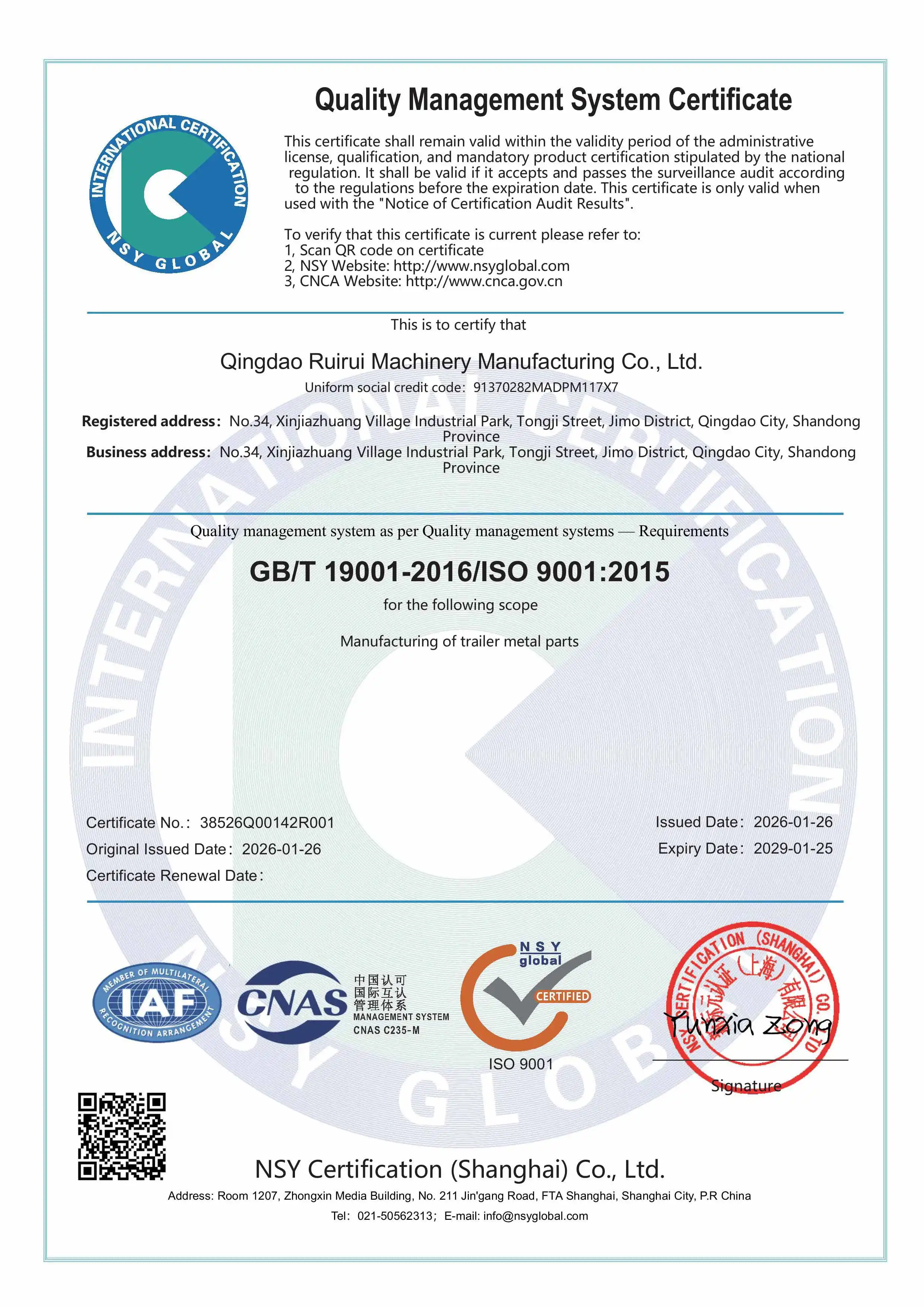
When it comes to making tow parts that exactly match OEM specs, Qingdao RUIRUI Machinery Co., LTD is the best. We don't just make standard trailer balls; we can also make custom shank lengths, coatings that don't rust, and multi-size interchangeable systems that can meet the needs of a wide range of fleets. Our ISO 9001 certification, advanced CNC machining, and robotic production lines that make 130,000 units a year make sure that distributors in North America and Europe always get high quality products.
Our engineering team works directly with procurement managers to make sure that specifications are optimized for each application, whether you're looking for parts for building commercial trailers or parts for public infrastructure projects. We keep all of our material certifications up to date and provide technical documentation to support regulatory compliance across international markets. Email our team at kshdhardware@qdkshd.com to talk about your trailer ball supplier needs, get custom samples, or look into volume pricing structures that fit your procurement goals. Visit sheetmetalprocessingplant.com to learn more about our full manufacturing capabilities and quality assurance protocols.
References
1. Society of Automotive Engineers, "SAE J684: Trailer Couplings and Hitches – Automotive Type," 2024 Edition.
2. American Society for Testing and Materials, "ASTM F2638: Standard Test Method for Determining Towing System Strength," 2023.
3. National Highway Traffic Safety Administration, "Towing Safety and Equipment Compliance Guidelines for Commercial Vehicles," 2024.
4. International Organization for Standardization, "ISO 11555: Road Vehicles – Mechanical Coupling Between Towing Vehicle and Trailer," 2022.
5. Trailer Industry Association, "Best Practices for Towing Equipment Maintenance and Inspection," Annual Report 2024.
6. Materials Engineering Journal, "Comparative Analysis of Corrosion Resistance in Automotive Towing Components," Volume 47, Issue 3, 2023.

Send Inquiry
You may like