
Trailer Coupler Replacement Checklist for Safety
In fleet operations, you can't skip taking care of a trailer coupler that works well. These mechanical links keep trailers firmly attached to pull vehicles so that they don't come loose during transport, which could be very dangerous. Regular replacement keeps operations running smoothly and guards against accidents, damage claims, and breaking the law. This checklist shows procurement managers how to review couplers, repair them, and find new ones so that business trailer fleets can keep their integrity.
Understanding Trailer Coupler Basics and Safety Importance
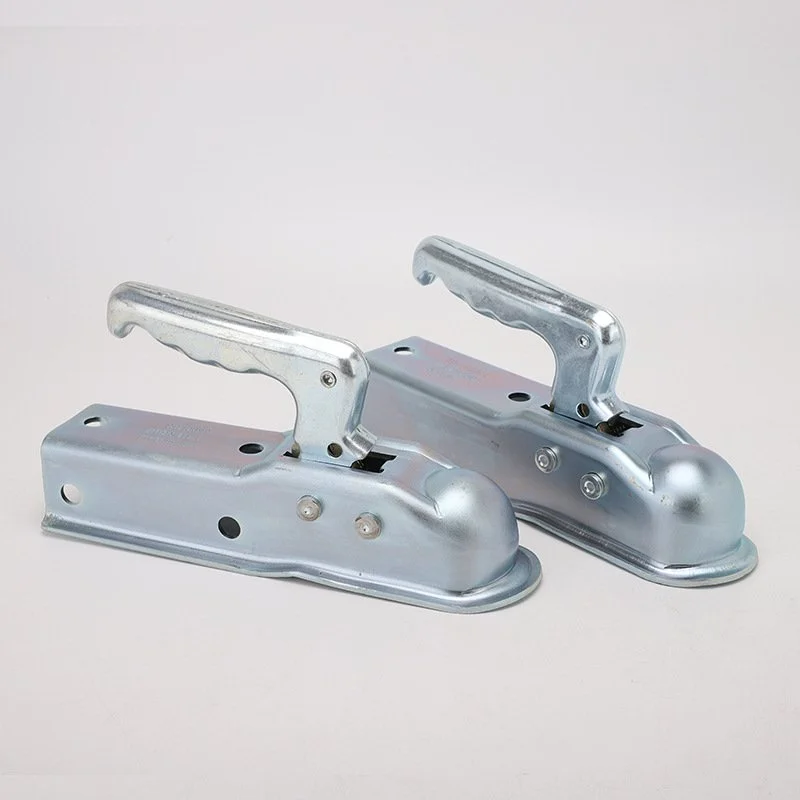
Trailer couplers are the main mechanical link between cars that pull trailers and trailers. They spread out dynamic loads and allow the trailer to move freely around turns and rough terrain. Understanding how they are built helps buying teams find the right specs for the needs of the business.
Mechanical Roles and Locking Mechanisms
These days, couplers use spring-loaded latch systems that hold the hitch ball in place inside a socket body. A trailer coupler pin is added to the latch system to make it stronger. It's an extra safety feature that keeps the latch from opening when there is shaking or shock. On the coupler body, weight grades show the Gross Trailer Weight limit. These range from Class I (2,000 lbs) to Class V (20,000+ lbs), and the ball sizes match. The ball sizes range from 1-7/8 inches to 2-5/16 inches.
Warning Signs of Wear and Malfunction
Critical failure signs can be seen with the naked eye. Hairline cracks around the weld points or socket edges show that the metal is worn out from being stressed over and over again. Surface rust, especially pitting rusting, weakens structures and causes friction that makes it hard for things to move smoothly. When latch parts are loose and don't snap shut tightly or have a lot of play, it means that the locking pawls or springs are worn out. Any coupler that shows these signs needs to be replaced right away so that the link doesn't break during transport.
Safety Risks of Delayed Replacement
Businesses can face serious problems if they don't repair couplers on time. When driving at highway speeds, a detached trailer can cause accidents involving more than one car, which can lead to deaths, lawsuits, and fines from the government. When emergency roadside breakdowns cause fleet downtime, it messes up supply plans and hurts relationships with customers. When accidents that could have been avoided happen, insurance rates go up, and OSHA violations come with big fines. These risks are taken care of by proactive repair programs, which also lower the total cost of ownership by setting up regular upkeep cycles.
Comprehensive Trailer Coupler Replacement Checklist
Structured replacement procedures make sure that different trailer uses are safe and compatible with each other. This methodical approach cuts down on installation mistakes while keeping up with the standards for paperwork needed for fleet checks.
Pre-Replacement Inspection and Documentation
Technicians must check the specs of the existing coupler before ordering new parts. Use calipers to find out how big the ball is and make sure that the weight number fits the trailer's Gross Vehicle Weight number. Take a picture of the current mounting setup and write down the bolt patterns, safety chain connection points, and A-frame measurements. Write down any changes you make to the original equipment manufacturer's specs, as these will affect the choice of new parts. This method is based on facts and keeps people from buying parts that don't work together, which slows down repairs.
Essential Tools and Quality Sourcing Criteria
To replace something, you'll need standard car tools like torque wrenches that are set to the manufacturer's specs, penetrating oil for fasteners that are corroded, wire brushes to clean the surface, and thread-locking compound for permanent installs. When buying parts, procurement teams should give more weight to sellers who can provide material approvals that say what kind of steel they use and how strong it is. Products made from SAE 1045 high-carbon steel are better at resisting stress than those made from lower-grade metals. Surface treatments like zinc electroplating with a yellow chromate conversion layer are better than plain paint finishes at protecting against rust in the environment.
Installation Procedures and Torque Specifications
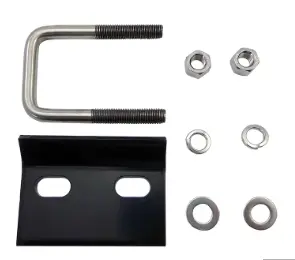
Remove the mounting bolts for the old coupler and use penetrating oil on the threads if they show signs of rust. Thoroughly clean the A-frame mounting surface, getting rid of any rust or other dirt that might be blocking the proper fitting. Place the new coupler so that the bolt holes are perfectly lined up so that cross-threading doesn't happen. First, tighten the nuts and bolts by hand. Then, use a measured wrench to apply the required torque values. For Grade 5 bolts on normal Class III couplers, these are usually 45 to 65 ft-lbs. Put the new trailer coupler pin through the latch mechanism and secure it with a spring-steel safety clip. This will keep it from coming off by accident.
Post-Installation Testing and Documentation
Once everything is set up, make sure it works before putting the trailer back into service. Repeatedly enter and disengage the latch device to make sure it works smoothly and doesn't get stuck. Apply both vertical and lateral force to the closed coupler and look for extreme movement, which could mean that the bolts are not tight enough. Attach the safety chains to the right places on the mounting points and make sure they provide backup load paths in case the main link breaks. In maintenance logs, write down the date of replacement, the part numbers, the technician's name, and the test findings. These records help with compliance checks and finding trends of failure that happen across the whole fleet.
Choosing the Right Trailer Coupler for Business Needs
How you choose your components has a direct effect on their working dependability and lifecycle costs. When you match coupler specs to application needs, you can avoid early failures and get the best performance in a variety of service settings.
Comparing Ball Couplers and Pintle Hooks
For light to medium duty uses, ball couplers are the best choice because they move smoothly and make less noise when they're working. They're good for hauling things on the highway where ride quality is important, like with covered cargo trailers and pulling RVs. The hook-and-eye form of pintle hooks makes them stronger for big industrial hauling, and their larger vertical load capacity and range of motion on uneven ground make them ideal. Pintle hooks are built to last and are resistant to damage from impacts during loading, which is helpful for building teams that haul tractors or aggregate materials.
Material Selection: Steel vs. Aluminum Analysis
When used in standard business settings, carbon steel couplers that have been zinc-plated offer great value for money. They can handle high shock loads from emergency stops and bump hits without deforming. Marine settings need types of stainless steel (304 or 316 grade) that don't rust when exposed to saltwater. This is especially important for boat trailer companies that work near coastal facilities. Aluminum couplers are lighter than steel ones, so they can be used in situations where the carrying capacity is limited. However, they have less final tensile strength.
Evaluating Advanced Features and Supplier Reliability
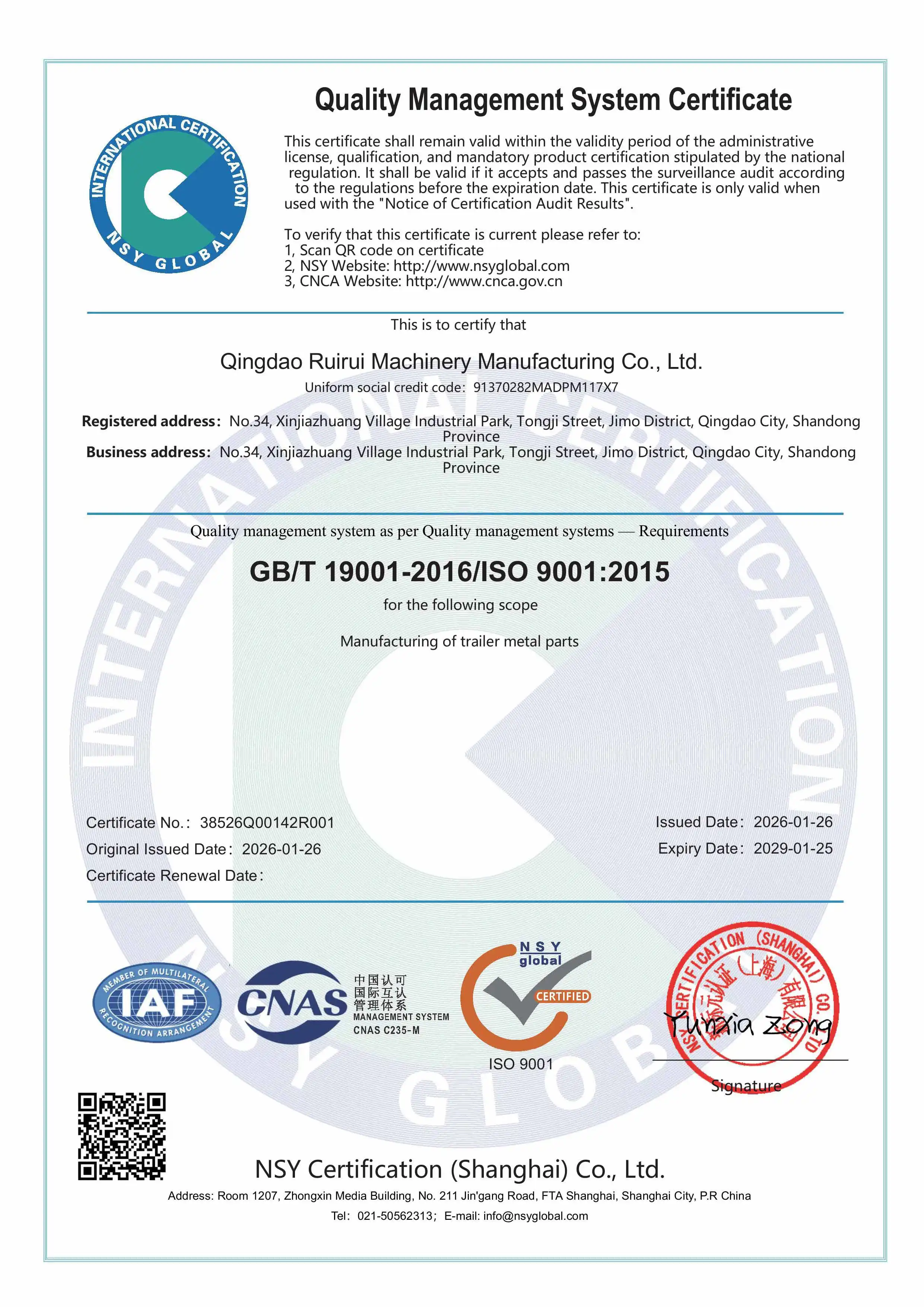
Adjustable-height channel couplers make it possible to fine-tune the levelness of trailers pulled by a variety of vehicles. This keeps tires from wearing unevenly and makes the trailer more stable. Electric actuator types can work with automatic fleet management systems, but they add more places where things can go wrong, so they need extra care. Procurement teams should check that sellers have ISO 9001 certification, which shows that they have quality management systems, when they are reviewing them. Ask for proof that the product has been tested for tensile strength and accuracy in measurements according to SAE J684. Suppliers who offer OEM customization can change designs to fit specific practical needs, such as specific mounting configurations or standards for corrosion-resistant coatings.
Trailer Coupler Maintenance Best Practices to Extend Service Life
Preventive repair programs make parts last a lot longer and cut down on unexpected breakdowns that stop activities. Data-driven methods improve the number of inspections and the control of goods.
Routine Maintenance Tasks and Frequencies
During monthly checks, marine-grade lithium grease should be applied to the ball socket and latch pivot points to stop rust and friction wear. Remove built-up road grime with degreasing agents, which will reveal the surface conditions that were hidden by the dirt. To keep the bolts from coming loose from shaking, make sure they all have the right amount of force and tighten them again if necessary. Check the trailer coupler pin for damage or wear, and replace it if the protection clip looks worn. For every three months, a deep checkup is done by taking the whole system apart and looking at it very closely under a microscope. This finds tiny cracks that would not be seen during regular checks.
Recognizing Wear Patterns Requiring Immediate Action
The ball joint deforming in the shape of an oval shows that it has been overloaded more than once, going beyond its maximum capacity. This pattern of wear lowers the holding force and lets dangerous side-to-side movement happen during travel. Long bolt holes in the bearing plate show that stress is building up from impacts, which makes the structure less strong. If there is color change around the weld lines, it could mean that the heat-affected zone is breaking down due to thermal cycles. If any of these things happen, the item needs to be replaced right away instead of trying to fix it in the field, which could lower the safety margins.
Leveraging Maintenance Data for Strategic Procurement
By keeping track of when parts are replaced across different parts of the fleet, trends can be found that are related to certain uses or working conditions. Couplers on trailers that work on dirt building sites may need to be replaced every 18 to 24 months, but units that only work on highways last 48 months or more. By looking at this data, procurement experts can deal with suppliers to buy in bulk, which gets them better prices and helps them keep the right amount of inventory on hand. Predictive replacement plans get rid of the need for emergency fast shipping and stop operations from being interrupted by unexpected downtime.
Mitigating Risk: Safety Tips and Regulatory Compliance
Comprehensive risk management combines following the rules with following the right practical methods. This keeps companies from being sued and makes sure workers are safe during pulling operations.
Common Installation and Operational Errors
The most common cause of failure is balls that are the wrong size. For example, a 2-inch ball used with a 2-5/16-inch coupler leaves dangerous clearing gaps. Trailers sway when the tongue weight isn't spread out evenly, especially when the coupler doesn't put enough downward force on the hitch ball. Sometimes, operators forget to fully engage the latch mechanism or install the trailer coupler pin, which makes the link open to coming loose while the trailer is moving. Before every trip, training programs should stress the importance of checking things, like seeing that the latch is fully closed and the safety pin is in place.
Establishing Safety Protocols and Training Standards
Make pre-trip cleaning paperwork required, and tell drivers to test the coupler connection by lifting the tongue while the towing car is in park. Under the tongue, the safety chain attachment must make an X-pattern. This keeps the trailer from falling to the ground if the main connection breaks. Make quality deals with your suppliers that say they have to include material certifications and dimensional inspection records with every shipment. These papers help with tracking if a part fails, so it's easy to find the product batches that are affected.
Regulatory Framework Overview
Standards J684 and J2638 from the Society of Automotive Engineers spell out how coupler systems should work. They include static load testing at 150% of their maximum capacity and fatigue cycle testing that mimics years of service. ISO 11407 sets international standards for mechanical links, which makes it easier for global fleets to work in different countries. 49 CFR rules from the Department of Transportation say that couplers must be inspected every year and records must be kept for auditing reasons. These standards should be clearly mentioned in the procurement specs. This will make sure that the parts provided meet legal requirements and provide proof that can be used during investigations into incidents.
Conclusion
Fleet safety management is based on programs to repair trailer couplers, which have a direct effect on operations uptime and risk exposure. Systematic inspection routines find wear before they break, and standard replacement processes make sure that the quality of all upkeep work is the same. Strategic relationships with certified providers give you access to engineered parts that meet strict performance standards. Scheduling upkeep based on data helps keep inventory levels at the best level and lowers lifecycle costs by making replacement rounds more predictable. Companies that use these all-around methods keep their employees safe, keep customer relationships strong, and stay in line with regulations all while getting the most out of their equipment purchases.
FAQ
How often should commercial trailer couplers be replaced?
Replacement times depend on how often they are used and where they are used. Highway trailers that go over 50,000 miles a year usually need to be replaced every 36 to 48 months. Off-road building units, on the other hand, may need to be replaced every 18 to 24 months because they are subjected to shock loads. If you check your door every month and find cracks, serious corrosion, or a broken latch mechanism, you have to repair it right away, no matter how long the service lasts.
Should businesses handle coupler installation internally or outsource to professionals?
Companies that have qualified techs and torque equipment that has been calibrated can do setups cheaply while still making sure the quality is high. Fleets that don't have their own trained experts should work with qualified service providers to make sure they follow safety rules and torque specs. Installing something wrong creates a damage risk that is greater than any possible work savings from doing it yourself.
What distinguishes ball couplers from pintle hooks in heavy-duty applications?
For travel on paved roads, ball couplers offer smoother movement, while pintle hooks are better for industrial settings because they can hold more weight and are less likely to break when hit. Because pintle designs can handle more misalignment during loading, they are best for hauling building tools where it's hard to keep the car in the exact right place.
Partner with RUIRUI for Premium Trailer Coupler Solutions
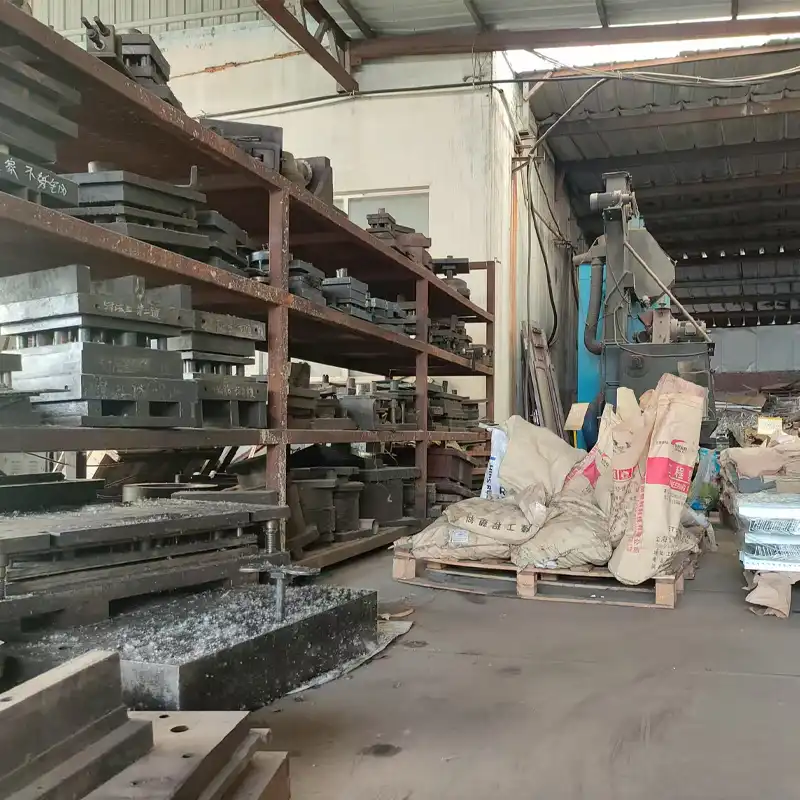
To get trailer coupler parts that work, you need manufacturing partners who use fine engineering and tried-and-true quality methods. RUIRUI specializes in custom metal fabrication for B2B buying teams that need reliable providers that can meet strict requirements. Our ISO 9001-certified factory uses advanced pressing, CNC machining, and laser cutting technologies to make high-strength couplers that are accurate in size and made of solid materials. We offer OEM customization to meet the specific needs of each fleet, such as adding corrosion-resistant finishes or changing the way the equipment is mounted. With eight automated production lines that turn out 130,000 units a year, we offer North American wholesalers scalable supply options that support container-level shipping. Email our engineering team at kshdhardware@qdkshd.com to talk about your trailer coupler needs and get full quotes that are made to fit your buying needs.
References
Society of Automotive Engineers. "SAE J684: Trailer Couplings and Hitches—Automotive Type." SAE International Standards, 2019.
Department of Transportation. "Title 49 CFR Part 393: Parts and Accessories Necessary for Safe Operation." Federal Motor Carrier Safety Administration, 2021.
International Organization for Standardization. "ISO 11407: Road Vehicles—Mechanical Connections Between Towing Vehicles and Trailers—Performance Requirements and Test Methods." ISO Standards Catalogue, 2020.
National Highway Traffic Safety Administration. "Trailer Safety: Equipment Maintenance and Inspection Guidelines." NHTSA Technical Report Series, 2018.
American Society for Testing and Materials. "ASTM A29/A29M: Standard Specification for General Requirements for Steel Bars, Carbon and Alloy, Hot-Wrought." ASTM International, 2020.
Occupational Safety and Health Administration. "OSHA 1910.178: Powered Industrial Trucks—Trailer Safety Requirements." OSHA Regulatory Standards, 2022.

Send Inquiry
You may like