
Trailer Coupler Replacement: Step-by-Step Guide
Changing a trailer coupler in the right way makes sure that pulling is safe and reliable and stops dangerous disconnections while in transit. Knowing how to replace something keeps your assets and employees safe, whether you're in charge of a business fleet or looking for parts for building projects. If the trailer coupler is worn or broken, it makes the mechanical link between the tow vehicle and trailer less reliable. This can cause accidents, lost goods, and downtime that affects business. This guide tells you how to figure out what needs to be replaced, how to choose the right connection hardware, and how to install it correctly so that it meets industry safety standards.
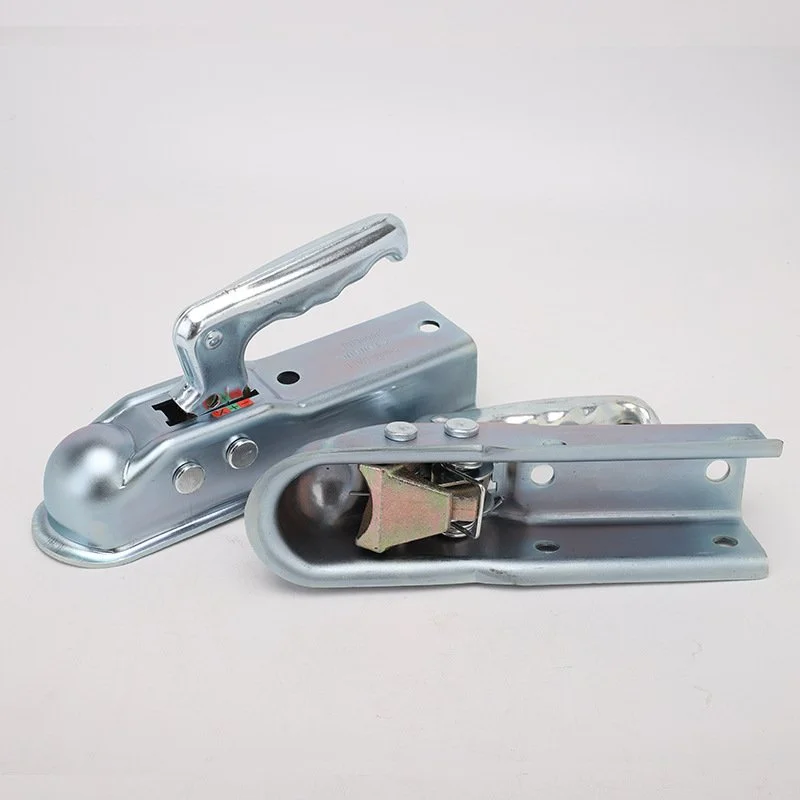
Understanding Trailer Coupler Replacement – Defining the Problem
In moving operations, trailer couplers are the main mechanical link that connects trailers to tow cars. During their service life, these parts are subjected to a lot of dynamic loads, weather exposure, and repeated stress cycles. When structural strength decreases and the safety of the tow link is at risk, replacement is needed.
Recognizing When Replacement Is Necessary
Several signs show that your trailer coupler needs to be replaced right away instead of just being serviced regularly. Cracks that can be seen in the casting or weld joints are dangerous weak spots that can't be fixed. If there is too much play or movement between the trailer coupler and hitch ball, it means that the internal measurements are worn out, which makes the load less stable. When rust keeps getting into a structure and changes the width, especially where stress is concentrated, the part becomes too weak to be safe. When coupling and uncoupling, deformed latch devices that don't engage properly or need too much force to work pose instant safety risks.
Safety and Operational Consequences
Running a machine with a broken joint creates big risks for responsibility and operations. Unexpected separation during transport can cause trailers to go off the road, which can damage property, hurt people, and have serious legal implications. When a trailer coupler fails, it causes equipment to stop working, which throws off logistics plans and affects customer promises and income streams. When towing equipment fails, insurance companies often look into the upkeep records and the state of the parts involved, which could affect coverage and rates.
Analyzing Causes and Choosing the Right Trailer Coupler
Understanding how things break down helps procurement teams choose the right new trailer couplers and put in place preventative maintenance plans that make service gaps longer.
Common Causes of Coupler Wear and Failure
Material wear builds up over time from repeated loading cycles. Eventually, tiny cracks spread and cause the structure to fail. Environmental factors speed up wear and tear, especially in naval settings where steel parts are immersed in saltwater, which causes violent rust. When trailer couplers are installed incorrectly or have weight values that don't match, they are put under stress levels that are higher than what the design allows. This greatly shortens their service life. When there isn't enough lubrication, metals can touch and wear down bearing surfaces and closing systems faster than they should.
Coupler Types and Their Applications
The most common type is a ball trailer coupler, which has a locking device that closes over a spherical hitch ball. With gross trailer weights usually between 3,500 and 8,000 pounds, the 2-inch trailer coupler is good for light to medium-duty uses like utility trailers, boat trailers, and equipment haulers. Either a channel-style mounting system that bolts to the mouths of an A-frame supports these units, or they have welded designs that are built right into the frames of trailers.
Pintle hooks are heavy-duty links that are popular in building and military settings that need to be able to bend and resist impact. Gooseneck trailer couplers can be mounted in truck beds to join in a fifth-wheel style. This spreads the weight over the back axle, which makes big loads more stable. Engineers can match coupling gear to specific working needs and trailer setups when they understand these differences.
Selecting Compatible Replacement Components
By matching replacement trailer couplers to the specs of the current trailer, dangerous incompatibilities can be avoided. Gross trailer weight values must be met or surpassed by the weight capacity, along with the right safety factors for dynamic loading situations. Compatible ball sizes are very important. Common widths are 1-7/8 inches, 2 inches, and 2-5/16 inches. Mismatches stop the balls from engaging properly. No matter if the trailer tongue is built with a channel-mount, an A-frame weld-on, or an integrated jack assembly, the mounting design must match. When choosing materials, you should think about where they will be used. For example, zinc-plated or galvanized finishes are good for freshwater use, while stainless steel is better for saltwater sea uses.
Step-by-Step Trailer Coupler Replacement Process
If you change a trailer coupler the right way, it will be installed safely and work at its best for as long as it lasts. Safety rules for taking the trailer apart and putting it back together protect the workers and keep the trailer's structure strong.
Preparation and Assessment
To start, park the trailer on level ground and raise the tongue with jack stands to a comfortable working height. Get the tools you'll need, like torque wrenches, socket sets, penetrating oil, wire brushes, and the right safety gear. Carefully look at the current trailer coupler, writing down any damage patterns and measurements of important dimensions that will help you choose a new one. Picture the mounting setup and the way the hardware is set up to make sure you reassemble it correctly.
Removing the Old Coupler
Apply penetrating oil to mounting bolts and let them soak for long enough to make it easier to remove rusted screws. Hold the trailer coupler's weight up while the bolt is being removed to avoid a quick drop that could hurt someone or damage nearby parts. Four grade-8 bolts go through the trailer tongue to hold channel-mount trailer couplers in place. Welded units, on the other hand, may need to be cut and ground apart to be taken off the frame. Throw away worn-out parts properly, especially if they have coats or materials that are dangerous and need to be handled in a certain way.
Installing the New Coupler
Carefully place the new trailer coupler, making sure it lines up with the current mounting holes or areas for getting ready to join. For setups with bolts, use brand-new grade-8 hardware that has the right locking mechanisms, like nylon-insert lock nuts or thread-locking compound. To make sure the load is spread out evenly and the structure doesn't bend, torque the screws according to the manufacturer's instructions in a cross-pattern order. Welded works need to be done by trained welders who follow the AWS D1.1 structural welding rules. The joints must be properly prepared and have full penetration welds.
Testing and Safety Verification
After installation, try the latch mechanism's functionality by engaging and disengaging it several times to make sure it works smoothly. Do a pull test by trying to separate the trailer coupler from a hitch ball that is the right size under controlled conditions. Make sure the latch stays in place. Check all the bolts to make sure they are tight enough, and put safety devices in place, like the trailer coupler pin going through the latch mechanism to stop it from opening by mistake. Write down the date, the part specs, and the name of the person who did the installation in the repair records.
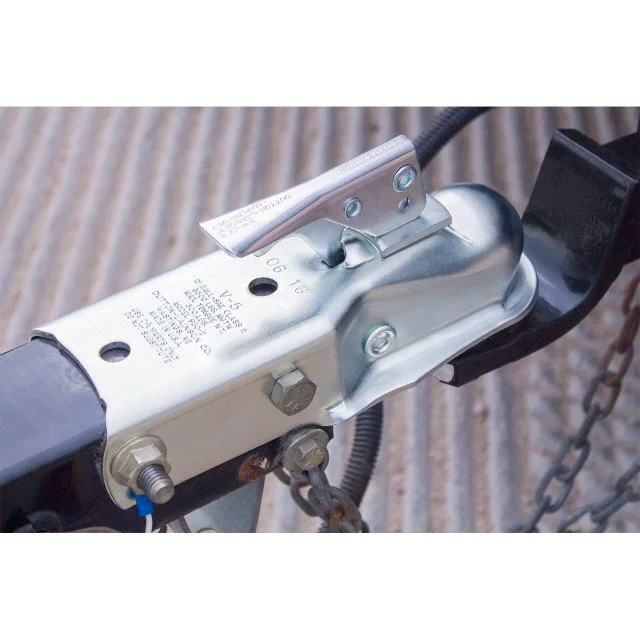
Maintenance Guide and Troubleshooting for Longevity
Regular maintenance makes trailer couplers last longer and keeps safety margins at a high level throughout their operating area. By setting regular inspection times, you can avoid unexpected problems that stop activities.
Regular Maintenance Practices
When you lubricate pivot points, latch systems, and ball contact surfaces, you stop rust and reduce friction and wear. Marine-grade grease should be used on moving parts once a month or after being in water, especially in tough working conditions. Every three months, check the torque of the fastening hardware, because vibrations slowly loosen screws over time. Clean out the latch channels and safety pin holes of any buildup of dirt or dust to make sure the devices work right when they're needed.
Troubleshooting Common Issues
When trailer couplers are in motion and rattle, it's usually because the ball sockets are worn out and have gotten too big. This situation can't be fixed and needs to be replaced to get it to fit right again. Noisy operation is often a sign that there isn't enough greasing or that the machine is contaminated with gritty particles that speed up wear. If latch mechanisms don't work right, they might have broken springs, bent actuator levers, or something blocking the full closing. These problems need to be fixed right away because they pose serious safety risks.
Extending Service Life Through Best Practices
Using the right hitching method keeps the stress on the trailer coupler parts to a minimum. Slowly lower the trailer onto the hitch ball and make sure it is level before locking it in place. Cross safety chains that are rated for the trailer's weight class under the tongue to catch the trailer coupler if it comes loose. If you want to prevent theft while keeping the latch in place, you might want to upgrade to locking trailer coupler designs with locked cylinders. When not in use, keep trailers with trailer couplers that are covered or treated with rust inhibitors. This is especially important in seaside or winter road salt areas.
Procurement Considerations for B2B Buyers
These choices have an effect on the total cost of ownership, the downtime of the fleet, and the dependability of the trailer coupler supply chain. To get the best deal, procurement pros have to look at more than just the initial unit price.
Evaluating Quality and Durability
How well and how long something lasts are directly related to what it's made of. For general uses, cast ductile iron has a great strength-to-weight ratio and can withstand impacts. Forged steel design is better at resisting fatigue for heavy-duty rounds. Different types made of stainless steel cost more, but they don't rust in naval settings, so they last longer and cost less to maintain. Surface treatments like zinc plating, powder coating, and galvanizing make things last longer in acidic environments. Different finishes are best for different amounts of exposure.
Comparing Manufacturers and Suppliers
Well-known names like Reese, CURT, PullRite, and Bulldog keep their high standards of quality and wide range of products that can be used in many situations. However, fleet owners and distributors who need customization or large quantities can benefit from buying directly from specialized trailer coupler makers. If you look at a supplier's ISO 9001 certification, production capacity, technical support, and foreign shipping experience, you can be sure that you will have a reliable relationship for long-term buying programs.
Bulk Purchasing and Customization Options
Buying in bulk from global distributors saves money and makes sure that repair shops that work with big trailer fleets always have what they need. When compared to retail outlets, container-level supplies have much lower per-unit costs, which makes it easier to figure out the total cost of ownership. Custom manufacturing possibilities let you specify specific mounting arrangements, finish needs, or merging with your own trailer designs. OEM partnerships with makers skilled in fabricating sheet metal, CNC machining, and surface treatment processes make it possible to develop trailer coupler products that meet specific operating needs.
Pricing Structures and Total Cost Analysis
Look at different price models, such as FOB terms, possibilities for shipping consolidation, and payment structures that help your cash flow the most. Lifecycle costs include things like guarantee coverage, the availability of replacement parts, and how quickly expert support can help you. Set up vendor-managed inventory plans or blanket purchase agreements for expected consumption patterns. This will make sure that trailer coupler parts are always available and keep working capital from getting stuck in inventory.
Conclusion
Replacing trailer couplers correctly protects the safety of the fleet, keeps operations running smoothly, and shows that you follow professional repair standards. Following organized replacement methods will ensure proper installation, and knowing how things break down will help you plan for preventative maintenance. When looking for replacement parts, procurement teams should look at the material specs, the manufacturer's skills, and the total cost. Regular check, the right kind of lubrication, and repair before critical wear happens stop costly fails and protect you from responsibility. Having access to quality trailer coupler parts, technical know-how, and reliable supply chains is made easier when you work with sellers who have been in business for a long time and understand how they can be used in industry settings.
FAQ
How often should trailer couplers be replaced?
Instead of being set in stone, replacement times for trailer couplers depend on how often they are used and how they are being used. In harsh conditions, commercial companies may need to replace their trailer couplers every 18 to 24 months. On the other hand, leisure trailers that are only used during certain times of the year can last longer than five years with proper upkeep. Do thorough checks every three months, looking for cracks, too much wear, and the latch mechanism working. Replace right away if you find structural damage, no matter how long the service lasts.
Can I install a trailer coupler myself or should I hire a professional?
Channel-mount trailer coupler replacement can be done by qualified techs with the right tools, following the manufacturer's directions and torque requirements. For welded works to be safe and up to code, they need to be done by experienced welders who are certified for structural uses. Setting up standard processes and teaching employees the right way to put things is good for fleet maintenance operations. When there are concerns about responsibility or difficult integration issues, skilled installation provides proof and protects the guarantee.
What is the difference between locking and non-locking couplers?
Locking trailer couplers have keyed cylinder systems that stop the latch from working without the right key. This keeps trailers that aren't being used from being stolen. Most designs that don't lock use simple trigger or lever devices that are held in place with pins that can be taken out. Locking models cost a little more, but they get rid of the need for separate hitch locks and keep the positive hold. Integrated locking features make it easier to secure things without sacrificing ease for high-security uses like construction equipment trucks and business cargo wagons.
Partner with RUIRUI for Reliable Trailer Coupler Solutions
Upgrading your trailer coupler gear with precision-engineered parts protects your fleet and keeps operations running smoothly. RUIRUI specializes in making high-performance coupling gear and custom metal production for business-to-business clients around the world. Our ISO-certified factories use cutting-edge methods like progressive pressing, CNC machining, and special surface treatments to make sure the parts they make meet strict quality standards. Whether you need standard 2-inch trailer couplers for dealer stock or custom-engineered solutions for unique uses, our technical team can help you match the details of the parts you need with your business's needs. Contact kshdhardware@qdkshd.com to talk about buying trailer couplers in bulk, getting OEM customization options, and looking into partnering options with a reputable metal component maker that is dedicated to quality, dependability, and quick service.
References
Society of Automotive Engineers. (2020). SAE J684: Trailer Couplings and Hitches—Automotive Type. SAE International Standards.
National Highway Traffic Safety Administration. (2019). Federal Motor Vehicle Safety Standards: Trailer Hitch Systems Requirements. U.S. Department of Transportation.
American Welding Society. (2021). AWS D1.1 Structural Welding Code—Steel: Fabrication and Installation Requirements. Miami: AWS Publications.
Recreation Vehicle Industry Association. (2022). RVIA Standards for Trailer Coupling Devices and Safety Chains. Reston: RVIA Technical Publications.
International Organization for Standardization. (2018). ISO 11555 Towing and Coupling Equipment: Performance and Safety Requirements. Geneva: ISO Standards Catalogue.
American Society for Testing and Materials. (2021). ASTM A576 Standard Specification for Steel Bars, Carbon, Hot-Wrought, Special Quality. West Conshohocken: ASTM International.

Send Inquiry
You may like