
Trailer Coupler Supplier Guide for Distributors
When wholesalers look for trailer couplers, they have to make important choices that have a direct effect on how reliable their products are, how many customers they keep, and their profit margins. A trailer coupler is the mechanical link between the hitch ball on a pulling car and the trailer. It makes sure that the trailer stays attached while it's being moved. Quality couplers are made of strong materials, are precisely engineered, and follow safety rules so they can handle changing loads, rust, and long-term use in business, industrial, and public settings. This guide gives people who work in distribution the technical information and source evaluation criteria they need to build a competitive product line that meets the needs of a wide range of customers while still meeting safety and operational standards.
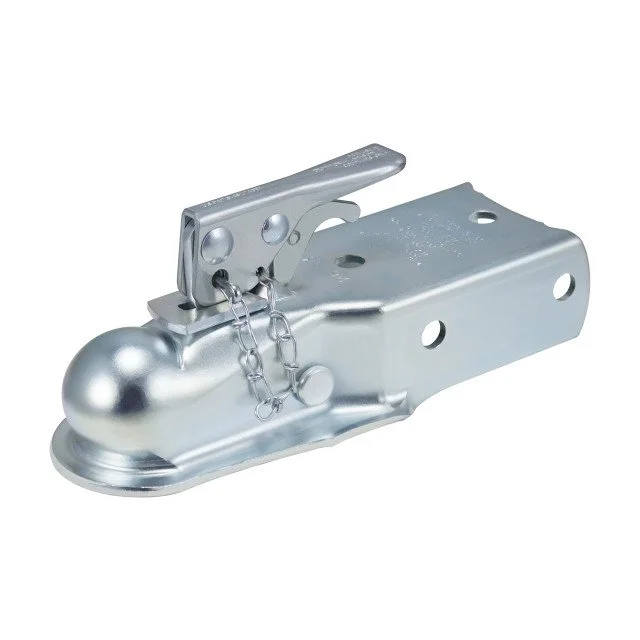
Understanding Trailer Couplers – Key Knowledge for Distributors
Understanding trailer couplers is important for distributors to know. Technical knowledge is the first thing that you need to do to be great at marketing. Trailer couplers are not just any ordinary items; they are designed safety devices whose performance directly affects how happy customers are and how much risk a company has.
Core Functions and Component Architecture
A trailer coupler does more than one thing at the same time when it's working. The main job is to make a strong mechanical link that can handle the torque, vertical loads, and horizontal forces that are created when the vehicle speeds up, slows down, or turns. Modern trailer couplers have three built-in parts: the coupler body, which holds the ball socket; the latch mechanism, which closes over the hitch ball; and the locking system, which keeps the trailer coupler from disengaging by mistake. The safety chain connection points, the surge brake actuator for some models, and mounting gear made for certain trailer tongue designs are also parts. When wholesalers understand this design, they can talk about value in more ways than just comparing prices.
Common Coupler Classifications and Weight Ratings
Trailer couplers are grouped by their gross trailer weight (GTW) ability, which is usually between 2,000 pounds and 30,000 pounds for heavy industrial use. Class I and II trailer couplers are used for light-duty tasks like pulling small cargo trucks and leisure gear. Class III and IV trailer couplers are for medium-sized business trucks that are used for landscaping, delivering building supplies, and moving equipment. Class V trailer couplers are used for heavy-duty tasks like moving big equipment, business transport, and industrial logistics. Each category has a different set of ball sizes, with widths of 1-7/8 inches, 2 inches, 2-5/16 inches, and 3 inches. This makes inventory planning more difficult for wholesalers who serve a wide range of customers.
Material Selection and Durability Considerations
How long a material lasts and how often it needs to be maintained depend on its makeup. Steel trailer couplers are the strongest and are usually used in business settings, but they need to be coated to keep them from rusting. Hot-dipped galvanized finishes are better at resisting rust than electroplating. This is especially important for dealers who work in seaside areas or places where the roads are treated harshly in the winter. Powder-coated steel looks good and protects against rust, but the coating must be kept intact to stop limited corrosion. Stainless steel trailer couplers are very resistant to corrosion, but they are more expensive and can only be used in marine settings or on unique projects. When tongue weight is important, aluminum alloys are lighter, but they can't be used for heavy-duty tasks because they aren't strong enough.
Safety Certifications and Compliance Requirements
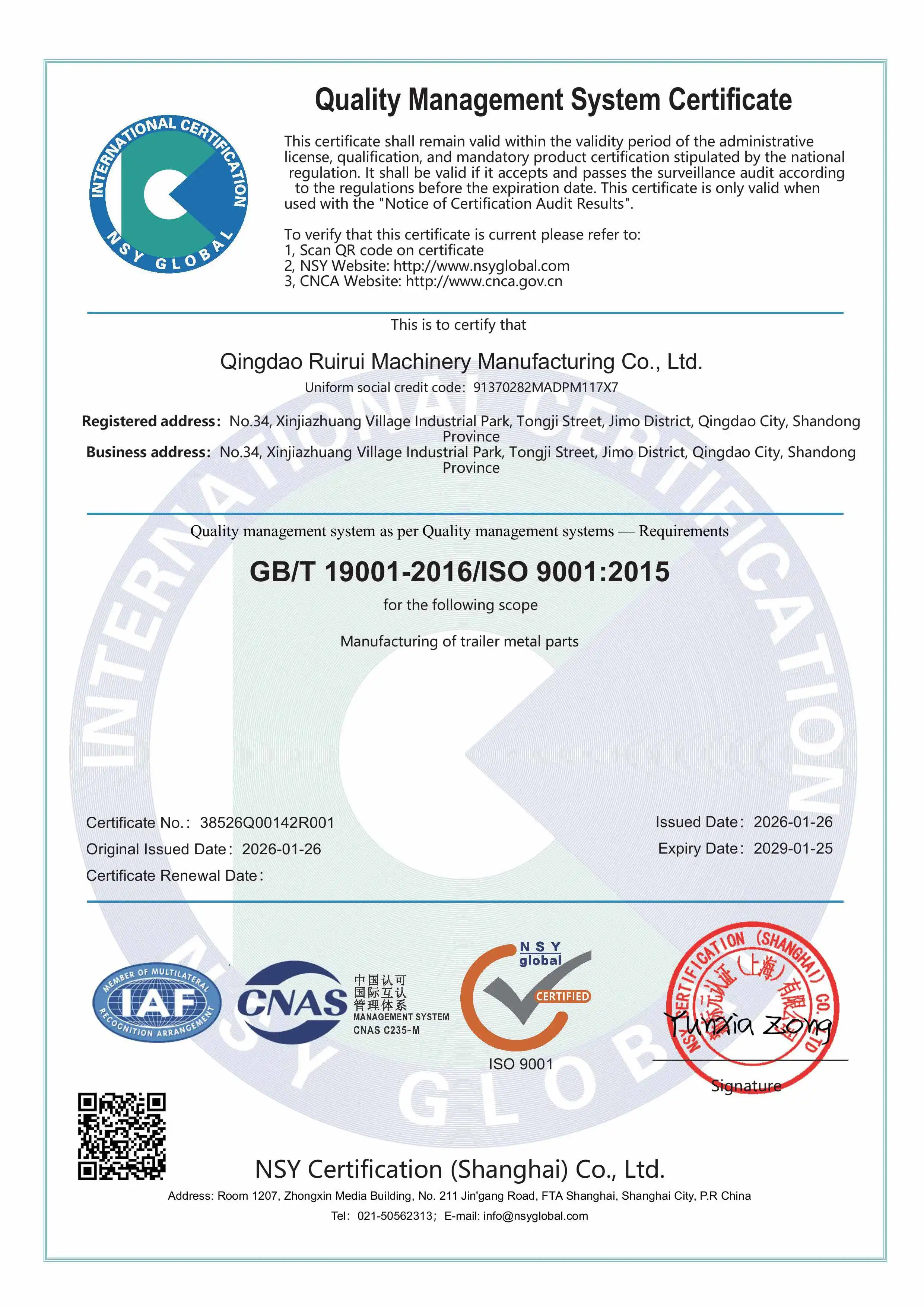
Professional wholesalers know that licenses are more than just pieces of paper; they protect you legally and give customers trust. SAE J684 sets performance standards for trailer couplers and tells you how to test them for both standing and moving loads. If a product meets these standards, it shows that it meets technical standards and quality standards. At the factory level, ISO 9001 approval means that quality is managed in a planned way throughout the whole production process. Specification rules that link to these standards are common for distributors who work with government contracts or institutional buyers. Professional wholesalers are different from transactional providers because they keep records and talk about their compliance capabilities.
Typical Wear Patterns and Maintenance Guidance
Trailer couplers break down in predictable ways, which dealers should know about in order to give more useful advice. The ball socket wears down over time from repeated coupling and road shaking, which leads to too much play that makes the vehicle less safe. The latch mechanism wears out at the pivot points and contact surfaces, which could cause it to break if it is not taken care of. Corrosion usually starts where fasteners are, where water drains, or where the covering is damaged. Customers will trust distributors more and buy from them again if they teach them about regular inspection times, lubrication needs, and replacement signs. Along with the original trailer coupler sales, selling maintenance tools, new parts, and technical paperwork can help you make more money and keep your customers from having to wait for repairs.
How to Select the Best Trailer Couplers for Your Distributed Product Range
Strategic product selection affects how well a store works and how happy customers are. Distributors need to find a balance between the number of products they offer and the amount of money they spend on goods. They should focus on products that meet the most common customer needs while still being able to meet more specialized needs.
Material and Construction Quality Assessment
When looking at possible goods, you should check the quality of the welds, the consistency of the surface finish, and the material thickness in relation to its stated capacity. Good production controls are shown by continuous welds that don't have any breaks or holes in them. A uniform layer thickness is a sign of good finishing. The mounting places should have the right amount of reinforcement for the load values. Cast parts need to be checked for surface flaws that show problems with the quality of the factory. Most of the time, forged parts are stronger, but they cost more. Price-conscious distributors may keep basic goods in stock for customers on a budget while also keeping high-end options on hand for tough jobs.
Size Compatibility and Application Matching
The most basic requirement is that the balls must be compatible in size. Most of the time, a full inventory will have 2-inch and 2-5/16-inch trailer couplers, which are used for most industrial trailer uses. Channel sizes need to match the type of trailer tongue—mounting methods are different for standard A-frame tongues and round tube designs. For wholesalers who work with customers who have a mix of trailers, the adjustment range is important. Trailer couplers that can be adjusted to different tongue heights are more complicated mechanically, but they can handle more tongue heights. The vertical load capacity must match the gross weight values of the trailer. The tongue weight capacity affects how the weight is distributed and how the trailer handles.
Locking Mechanisms and Security Features
The trailer coupler pin is an important safety part that keeps the latch mechanism closed and stops the trailer couplers from coming loose by chance while they're being moved. Different pin shapes meet different operating needs. Straight pins with hairpin clips are easy to use and effective for holding things in place, but they don't stop thieves. Threaded pins and locking nuts make a solid closure that won't come away from vibration. Keyed locking pins offer both mechanical security and theft prevention, making them useful for commercial yards and building sites where trailer theft is a worry. Pins that are spring-loaded and have extra locks make them easy to use and safe. Distributors should keep a variety of pin types on hand to meet the needs and tastes of a wide range of customers.
Specialized Features for Niche Applications
Some groups of customers need trailer couplers with specific traits. Surge brake actuators have hydraulic parts that apply the brakes to the trailer in a proportional way when it slows down. This is important for boat trailers and other situations where power brakes aren't available. Trailer couplers that can be adjusted to different heights help people who are in charge of a variety of trailer companies. Latches with wear markers let you see how much service life is left. Zinc-plated or stainless steel parts work well in naval environments where saltwater contact speeds up corrosion. Distributors who work with areas that have a lot of certain industries, like marine, agriculture, and building, should stock application-specific goods instead of general ones.
Corrosion Resistance and Environmental Protection
The operating setting has a huge impact on how long a product lasts and how happy customers are with it. Standard painting finishes work fine for indoor uses in dry climates, but they quickly fail near the coast or where road salt is used. The sacrificial zinc layer that self-heals small scratches in hot-dip galvanizing gives better long-term protection. Powder covering over a galvanized base makes it resistant to rust and nice-looking. Stainless steel building doesn't worry about rust, but it costs a lot, which limits its use in the market. Instead of using a one-size-fits-all method, distributors should divide their stock into sections based on the amount of protection needed, making sure that product specs are tailored to the local area and the needs of each customer.
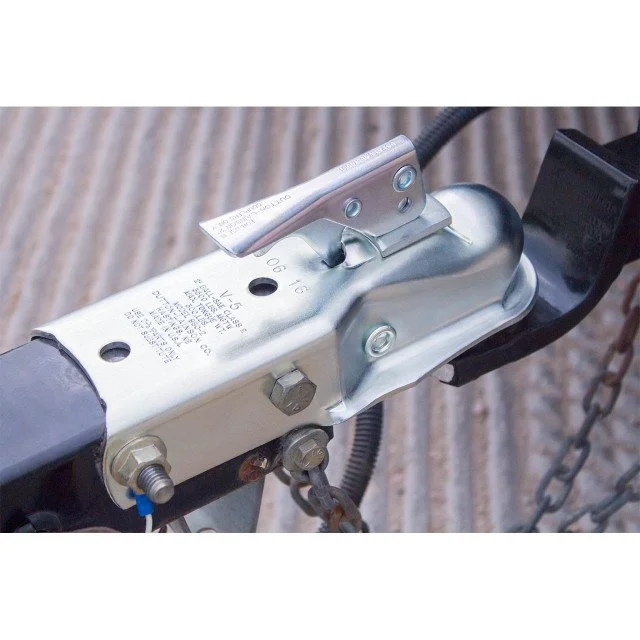
Evaluating and Partnering with Trailer Coupler Suppliers
Choosing a supplier is a strategic choice that will affect business efficiency, customer satisfaction, and the company's ability to compete in the long run. The process of judging should look at more than just unit price. It should also look at the total cost of ownership and the strength of the relationship.
Manufacturing Capability and Quality Systems
A supplier's ability to meet ongoing demand and handle unique needs is based on their production capacity and technical know-how. Progressive pressing, CNC machining, laser cutting, and robotic welding are all tools that can be used in facilities to keep quality high while output grows. ISO 9001 approval means that quality management systems have been written down, but distributor reps should visit the facility or have a third party do an audit to make sure that the systems are actually being used. Ask possible suppliers about the inspection procedures they use. Verification of arriving materials, quality checks during production, and tests of the finished product all show that they care about quality. Distributors can get more out of their business when they work with manufacturing partners that offer technical support. These partners can help with unique product development, interpreting specifications, and application troubleshooting.
Supply Chain Reliability and Lead Time Management
Customers won't be unhappy or lose sales if products are always available. Check out how your sellers get their raw materials, how they handle their goods, and how well they can plan your production schedule. Suppliers who keep strategic material stockpiles are better able to handle problems in the supply chain than those who only use just-in-time methods. Your inventory change patterns should match your production lead times. Shorter cycles allow for leaner inventory management, while longer cycles need more safety stock. When distributors buy from foreign makers, the ability to ship at the container level affects unit prices by improving shipping efficiency. Setting up clear ways to communicate and keep track of orders stops mistakes that break customer promises.
Customization Capabilities and OEM Support
Being able to offer unique goods, such as custom trailer couplers, sets you apart from the competition. Distributors can serve big customers who need special mounting setups, load ratings, or logos when they work with OEMs. Suppliers with engineering teams can take customer requirements and turn them into designs that can be made. They can also oversee the creation of prototypes and help with testing and proof. Look for partners whose minimum order numbers (MOQs) for custom items are flexible. If MOQs are too high, customization is only possible for the biggest sales. Finishing choices like powder coating colors, laser etching, and unique packages make it easier to brand. Suppliers who can provide technical support and proof of specification compliance are very helpful for distributors who work with project-based customers.
Warranty Terms and After-Sales Support
Warranty coverage shifts risk and shows that the maker is confident in their product. As a general rule, manufacturers cover defects for one year. However, luxury makers may offer longer terms or performance guarantees. The steps for filing a warranty claim should be easy to understand. Difficult steps make customers angry and add to the work of management. After-sales expert support helps distributors answer questions about installation, fix problems with speed, and give advice to customers. When suppliers give partner sales teams training materials, installation guides, and specification sheets, they can act as informed consultants instead of taking orders. Distributors can save money on marketing costs by using marketing support like product photos, technical drawings, and specification sheets. This keeps the distributor's presentation professional.
Pricing Structure and Commercial Terms
Unit price is only one part of the total cost of acquisition. Volume discount systems should be in line with how much you can actually buy. Having too high of tier limits doesn't help in real life. The terms of payment affect the amount of working capital that is needed. For example, net-30 or net-60 terms make cash flow easier than deposit conditions. The total landed cost is based on the freight terms. FOB origin puts the cost and responsibility of shipping on the seller, while delivered price makes planning easier. You should make sure that the minimum order value fits your order regularity and store space so that you don't end up with too much inventory. Rebate programs or volume bonuses that happen once a year thank customers for their loyalty and help keep prices low. Unexpected costs that cut into profits can be avoided by setting prices clearly and making it easy to make changes. Professional trailer couplers are an essential part of these calculations.
Optimizing Your Distribution Business with Trailer Couplers
Having a product available is only the first step to successful marketing. Long-term market place and profits depend on how well you handle your inventory, your team's skills, and your relationships with customers.
Strategic Inventory Management and Product Mix
For inventory investment, you have to weigh the risk of failure against the cost of holding the goods. Looking at past sales data shows that there are things that sell quickly and need to be kept in higher stock levels, as well as specialty items that sell slowly but can be dropped-shipped. The 80/20 rule usually works: a small group of SKUs brings in the most money. Keep a lot of these in stock and only a few of the unique things on hand to show that you can do it without spending too much money. Demand for some types of trailer couplers changes with the seasons. For example, demand for recreational trailer parts peaks before summer, while demand for commercial goods stays steady. Regional differences are important. For example, marine-grade steel trailer couplers sell faster along the coast than in the middle of the country. Set up reorder point systems that will refill things at the right levels. This way, you won't run out of important items and won't have too many slow-moving items.
Sales Team Training and Technical Competency
Customers trust salespeople who know what they're talking about, which gives them a competitive edge. Members of the team should know enough about load rating selection, ball size fit, mounting requirements, and trailer couplers to help customers make choices. Product training classes that cover materials, features, and how well they work in different situations allow for strategic selling instead of just taking orders. This learning is helped by training materials, standard guides, and comparison charts given by the supplier. Distributors are seen as experts in their fields instead of just selling goods when their sales teams are ready to talk about safety regulations, upkeep needs, upgrade options, and trailer couplers. This knowledge is especially important when working with business customers who commit to large amounts—technical trustworthiness is just as important as price when choosing a seller.
Customer Education and Value-Added Services
Actively educating customers makes them more loyal and cuts down on returns. Giving fitting guides, torque specs, and safety information shows that you care about more than just the deal. Maintenance suggestions, such as how often to check and lubricate, help customers get the most out of their products. Safety compliance paperwork helps customers deal with safety rules or their own safety plans. Some wholesalers offer better deals by putting together mounting kits that include trailer couplers, the right fasteners, and installation tools. Others offer application advice services to help customers choose the right goods for buying new trailers or making the whole fleet more uniform. Customers stay with these services even when competitors offer slightly lower prices because it costs them to switch.
Building Long-Term Customer Relationships
Repeat business is a better way for distributors to make money than constantly getting new customers. Building relationships starts with making sure that products are always available and continues with quick service and problem-solving. When people are thinking about what to buy, your company stays at the top of their minds thanks to regular updates on new goods, industry trends, and technology advances. Programs that offer savings or refunds based on how much you buy are called loyalty programs. Requesting comments from customers on how well products work, how well services are provided, and what needs aren't being met shows respect and gives you information about the market. When customers see wholesalers as partners instead of vendors, they bring problems to the table to be solved together instead of looking for other sources right away.
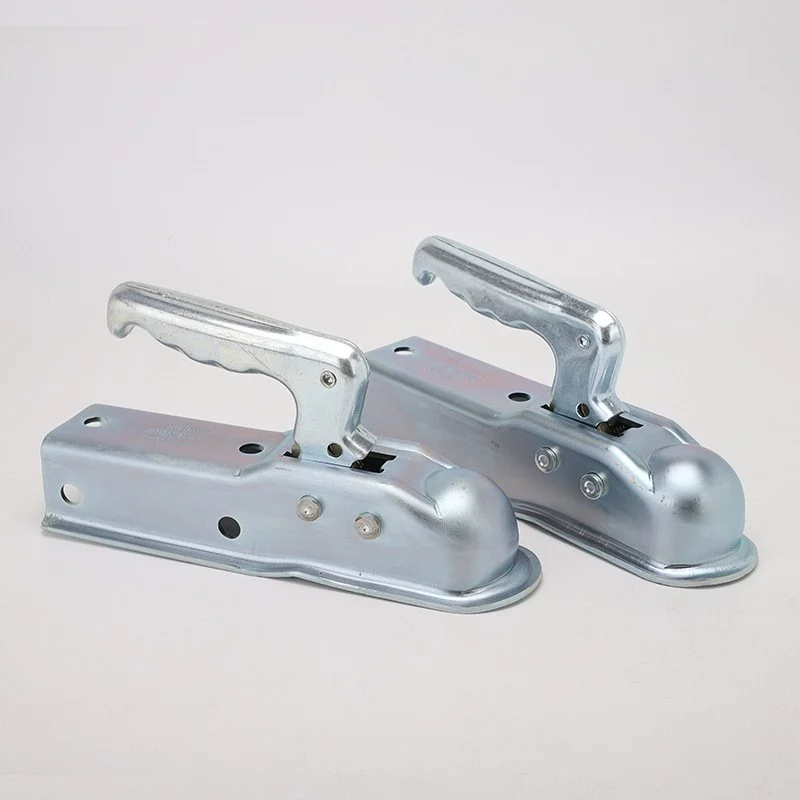
Conclusion
To be successful in distributing trailer couplers, you need to find a balance between technical understanding, good relationships with suppliers, and high-quality operations. Distributors who put in the time and effort to learn about product specs, application needs, and customer wants set themselves up as experts in their field instead of just selling generic goods. Strategic relationships with suppliers that offer high-quality goods, the ability to customize them, and dependable service are the basis for gaining a competitive edge. Operational practices like smart inventory management, team training, and services that add value turn the supply of a product into loyal customers. There are a lot of opportunities in the trailer coupler market for distributors who are willing to learn more, build connections, and give complete solutions instead of just filling orders.
FAQ
1. How do I determine the appropriate weight capacity when selecting trailer couplers?
To choose the right weight capacity, you need to make sure that the trailer coupler's gross trailer weight (GTW) number matches the trailer's full weight, not just its empty weight. Always pick trailer couplers that are rated higher than the trailer's real weight to be safe. Think about the tongue weight on its own—usually 10 to 15 percent of the GTW—and make sure that the connection and fixing system can handle this vertical load without breaking.
2. What are the signs that a trailer coupler needs replacement?
There should not be too much play between the trailer coupler and ball when they are locked together. There should also be obvious cracks in the welds or casting, rust that goes deeper than the surface, twisted latch mechanisms, and broken threads on adjustment parts. Any trailer coupler that was in an accident should be changed, even if there isn't any damage that can be seen, because internal stress cracks can weaken the structure.
3. What's the difference between a trailer coupler and a hitch ball?
The hitch ball connects to the tow vehicle and acts as a turning point. The trailer coupler, on the other hand, fits on the tongue of the trailer and is tightened around the ball. They join the two parts of the tow link together. To be compatible, the ball diameter must match the trailer coupler socket size. Connectors that aren't matched make unsafe links that are more likely to break.
Partner with RUIRUI for Premium Trailer Coupler Solutions
To have a competitive inventory of trailer accessories, you need to work with makers who can produce, have technical knowledge, and care about their customers. We make precision-engineered trailer parts like trailer couplers, pins, bolts, and custom sheet metal products at Qingdao RUIRUI Machinery Co., LTD using cutting-edge manufacturing techniques. Our factory has automatic production lines that can do progressive pressing, CNC machining, laser cutting, and robotic welding. These lines make sure that the quality of the 130,000 units we make every year is always the same. With over 15 years of manufacturing experience, ISO 9001 certification, and a wide range of finishing options such as powder coating and galvanizing, we are a reliable trailer coupler provider that knows how to meet the needs of industrial and commercial uses. Our affordable wholesale prices, OEM customization support, and technical advice services help distribution partners set their products apart from others and build long-lasting relationships with customers. Get in touch with us at kshdhardware@qdkshd.com to talk about the products you need and find out how RUIRUI can help your supply chain.
References
1. Society of Automotive Engineers. "SAE J684: Trailer Couplings and Hitches – Automotive Type." SAE International Standards, 2019.
2. National Highway Traffic Safety Administration. "Trailer Safety: Coupling Systems and Load Distribution Requirements." U.S. Department of Transportation, 2021.
3. American Welding Society. "Structural Welding Code for Sheet Steel: AWS D1.3/D1.3M." American Welding Society Publications, 2018.
4. International Organization for Standardization. "ISO 9001:2015 Quality Management Systems – Requirements for Manufacturing Operations." ISO Standards Catalogue, 2015.
5. Trailer Equipment Manufacturers Association. "Guidelines for Trailer Coupling Selection and Maintenance in Commercial Applications." TEMA Technical Publications, 2020.
6. Materials Performance Institute. "Corrosion Protection Methods for Trailer Hardware in Marine and Industrial Environments." MPI Research Report Series, 2022.

Send Inquiry
You may like