
Trailer Hitch Pin Lock Corrosion Resistance: What to Look For
Just as you are ready to take your boat away for a weekend excursion, picture your trailer hitch pin lock entirely seized by rust. It costs you money and time to cut it off since the key won't turn and the pin won't slide. Rust quietly ruins trailer hitch pin locks, making reliable security a costly responsibility. In addition to avoiding discomfort, knowing corrosion resistance is essential for safeguarding your investment and making sure your trailer is safe from theft. From material selection to protective coatings, this in-depth guide will take you through all the crucial considerations when choosing a trailer hitch pin lock with weather resistance.You'll end up saving money and trouble by making an informed decision thanks to this.
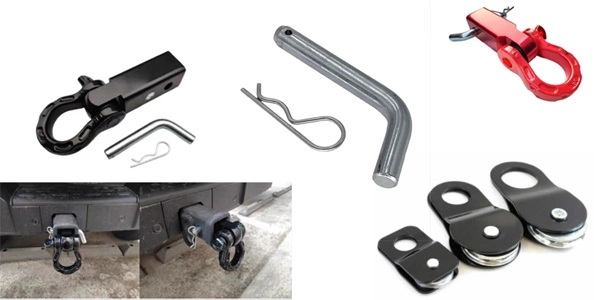
Understanding Corrosion in Trailer Hitch Pin Locks
For owners of trailer hitch pin locks, corrosion is a significant problem, especially for those who operate in challenging conditions. When oxygen, moisture, and other environmental pollutants including chemicals, road salt, and dirt come into contact with metal components, corrosion starts. When these impurities come into contact with your hitch pin lock's metal surface, they cause electrochemical processes that progressively weaken the material's structural integrity. Rust, pitting, surface deterioration, and ultimately the total failure of the locking mechanism are indicators of this deterioration. Understanding the corrosion process is crucial because it enables you to see weak spots in your trailer hitch pin lock and take preventative action to stop damage before it gets out of control. The rate of corrosion varies greatly depending on environmental conditions and use habits. Stronger corrosive conditions are found in coastal areas with salt-laden air and in areas where road salt is heavily sprayed throughout the winter. In urban and industrial environments, trailer hitch pin lock parts are exposed to acidic and chemical contaminants, which accelerates their degradation. Even in very temperate climates, rust is produced by morning dew, rain, and temperature fluctuations. The lock cylinder offers a particularly vulnerable location because moisture, dirt, and debris may easily enter the keyhole and attack the internal pins and springs that comprise the locking mechanism. When internal corrosion begins, the lock becomes more difficult to use until it eventually seizes completely, requiring destructive removal that may damage the receiver hitch as well as the lock.
The Real Cost of Corrosion Failure
In addition to the severe pain of a seized trailer hitch pin lock, corrosion failure has substantial hidden costs that many owners ignore. It takes more than just swapping out a $30 to $50 component to cut off a rusted lock; it may also scrape painted surfaces, damage the receiver tube, and take hours to remove. When attempting to tow their trailer for an urgent trip, many owners discover corrosion problems first, which makes them miss meetings, put off vacations, or reschedule business deliveries. The security vulnerability presents yet another serious concern since partially corroded Trailer Hitch Pin Lock devices may seem to be operational but provide no defense against theft. Weak locks provide owners a false sense of security and make them a prime target for cunning thieves. Furthermore, the receiver tube itself may be harmed by galvanic corrosion or mechanical binding brought on by rusted pins, requiring expensive repairs that may exceed the value of the original lock.
Material Selection for Maximum Corrosion Resistance
Any trailer hitch pin lock's ability to withstand corrosion starts with the material choice, and knowing the characteristics of various metals can help you make far better choices. The industry standard for corrosion-resistant trailer hitch pin locks is stainless steel, especially marine-grade 316 stainless steel, which has molybdenum added for improved resistance to corrosion caused by chloride. Instead than relying on a surface coating that may chip, scratch, or wear off with usage, stainless steel's resistance to corrosion is built into the material itself, unlike alternatives that are powder-coated or chrome-plated. The passive oxide layer, which is naturally produced by the chromium content of stainless steel, continuously regenerates when it is damaged, offering self-healing protection throughout the duration of the lock's service life. Therefore, areas with high amounts of road salt, coastal areas, or any circumstance where long-term dependability is crucial are perfect for stainless steel trailer hitch pin lock mechanisms. Although carbon steel with protective coatings is less expensive than pure stainless steel, the kind and quality of the coating has a significant impact on long-term performance. Although chromium plating is visually appealing and initially protective, it has a basic flaw in that the thin and fragile covering allows moisture to seep through to the steel below. A galvanic cell that amplifies rust development and speeds up localized corrosion is created when even a little chip or scratch breaks through the chrome coating, making the exposed steel anodic relative to the surrounding chrome. Compared to chrome plating, powder coating offers more consistent coverage and superior impact resistance, but it is also more likely to chip or scratch, exposing the underlying metal. By completely coating metal surfaces with a consistent, chip-resistant organic layer, electrophoretic painting—a technique taken from the automotive industry—offers remarkable corrosion protection. However, for this coating to function on a trailer hitch pin lock that is exposed to challenging circumstances, it must be applied and maintained properly.
Comparing Performance: Stainless Steel vs. Coated Options
When compared to coated carbon steel trailer hitch pin lock options, stainless steel is always more cost-effective over the long run. A premium stainless steel hitch pin lock may cost forty to eighty dollars, while a carbon steel version that has been powder-coated or chrome-plated can cost twenty to thirty dollars. A stainless steel device may provide consistent service for ten years or more, while a coated lock will often need to be changed every one to three years, depending on the conditions. Additionally, there are significant differences in the maintenance requirements: coated locks require frequent inspection for coating degradation and quick touch-up or replacement when scratches expose base metal, whereas stainless steel devices only require occasional cleaning to maintain optimal performance. Because properly selected stainless steel Trailer Hitch Pin Lock hardware continues to operate flawlessly whereas coated equivalents sometimes fail within months, the performance difference becomes even more apparent for owners who park their trailers outdoors or work in corrosive environments.
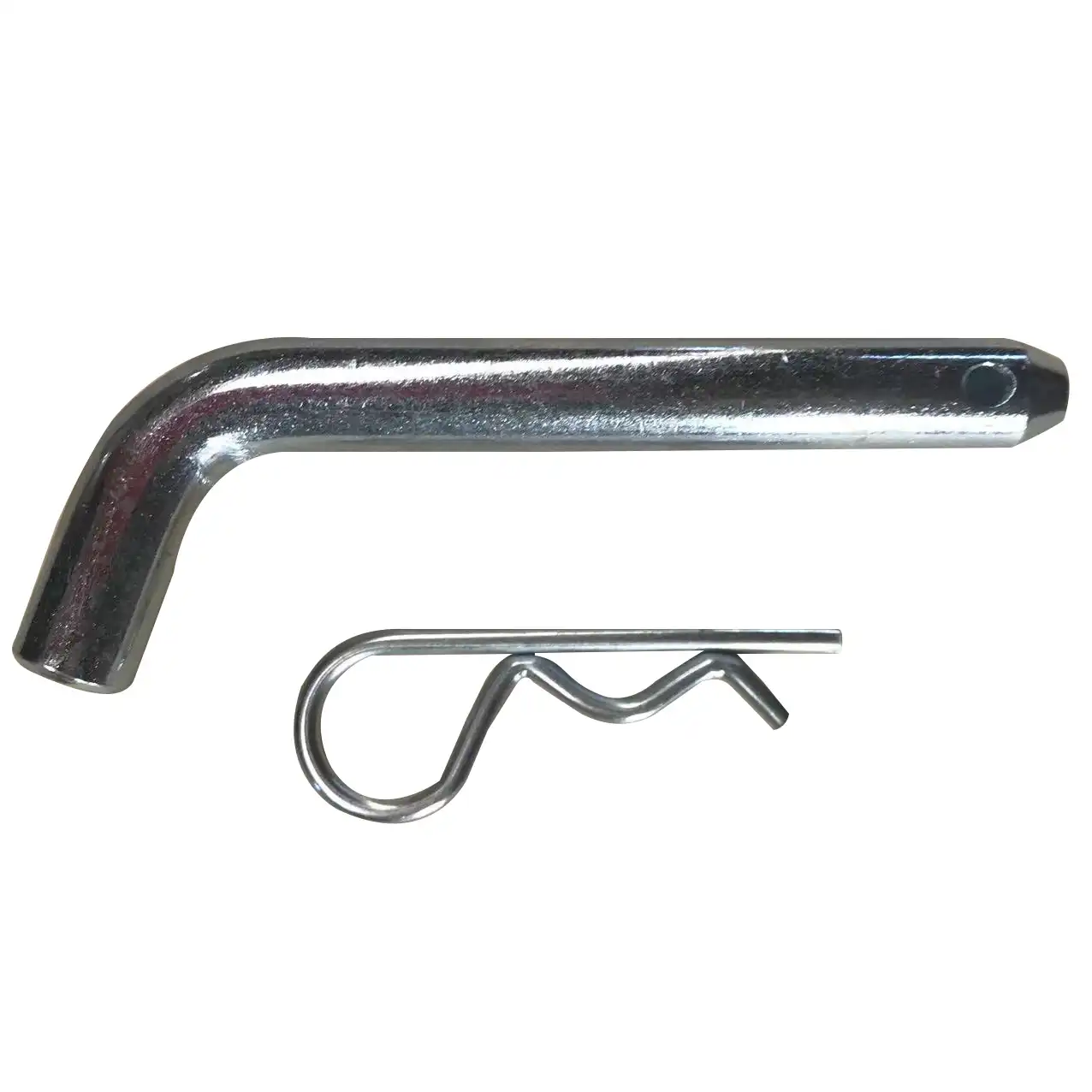
Protective Features and Design Considerations
The way your Trailer Hitch Pin Lock resists corrosion over time is significantly influenced by several design elements in addition to the choice of base material. The initial barrier of protection against moisture and contaminants entering the lock cylinder itself is provided by dust caps and keyhole covers. In order to keep rain, snow, road spray, and airborne pollutants from getting to the internal locking mechanism, high-quality trailer hitch pin lock designs include spring-loaded or sliding dust covers made of rubber or flexible plastic that seal the keyhole when not in use. These covers should slide open easily when you need to enter the key, but they should fit tightly enough to stay in place while driving. Though they might be less practical for regular use, some sophisticated designs include threaded tops that provide even more solid sealing. By keeping moisture away from the delicate pin tumbler assembly, an efficient dust cover may easily double or treble the service life of a trailer hitch pin lock in harsh situations. By erecting barriers between moving parts and environmental exposure, O-rings and weatherproof seals provide supplementary protection. O-rings are included into premium trailer hitch pin lock designs at crucial points where the pin shaft joins the locking housing. This stops moisture from capillarily seeping into internal systems. Materials resistant to ozone, UV light, and temperature fluctuations must be used to make these seals; synthetic rubbers like silicone or EPDM are usually used instead of natural rubber, which deteriorates rapidly in the outdoors. Throughout the lock's range of motion, the seal design should maintain positive sealing pressure while permitting typical thermal expansion and contraction without leaving gaps. By stopping the moisture incursion that causes interior corrosion, routine examination and the occasional replacement of these seals—perhaps every two to three years—represent a little investment that significantly increases the working life of your trailer hitch pin lock.
The Importance of Proper Lock Cylinder Design
Numerous tiny, very susceptible to corrosion precise parts, including as pins, springs, and rotating elements, are found within the lock cylinder itself. Brass or nickel-plated parts are used in the cylinder assembly by high-quality trailer hitch pin lock manufacturers because they are more corrosion-resistant than untreated steel. Effective sealing of the cylinder housing is necessary to stop water infiltration, and many high-end designs include drainage channels that allow any moisture that does get in to leave instead of collecting around internal parts. To provide internal cylinder components more corrosion protection, some manufacturers use unique coatings or lubricants; nevertheless, these treatments must be renewed on a regular basis to be effective. When assessing a trailer hitch pin lock, take into account if the maker discloses information regarding internal materials and safeguards. Transparency in this regard often indicates an emphasis on endurance and quality rather than just the lowest initial cost.
Coating Technologies and Surface Treatments
Recent advancements in surface treatment technology have given makers of trailer hitch pin locks a variety of ways to improve corrosion resistance. Sacrificial protection is how zinc plating, one of the earliest and most affordable protective coatings, prolongs the component's life by corroding preferentially to the steel base metal. Because zinc-nickel alloy plating combines the corrosion resistance of nickel with the sacrificial protection of zinc, it delivers much better performance than basic zinc plating, which gives just a few years of protection in harsh conditions. Zinc-nickel alloy plating is an excellent compromise between basic chrome plating and pricey stainless steel construction because it may prevent red rust development on Trailer Hitch Pin Lock components for two to four times longer than regular zinc plating. Another specialized surface treatment is anodizing, but it only works with aluminum components—not steel. Anodizing produces a strong, corrosion-resistant oxide coating on the aluminum surface when manufacturers employ aluminum in Trailer Hitch Pin Lock construction, usually for handles, caps, or cosmetic features rather than load-bearing components. In reality, the anodizing process turns the outermost metal into the very hard and chemically stable aluminum oxide. Because the protective layer is a part of the base metal, anodized aluminum cannot peel or chip like plating or coating procedures that deposit foreign elements to the surface. In order to guarantee long-term endurance and appearance preservation, make sure that any metal components used in Trailer Hitch Pin Lock designs are hard-anodized rather than just painted or powder-coated.
Innovative Coating Systems for Extreme Environments
With the exception of solid stainless steel or exotic alloy construction, advanced coating systems offer the highest level of protection for Trailer Hitch Pin Lock applications in the most difficult environments—marine settings, areas with heavy road salt application, or industrial areas with corrosive atmospheric conditions. Sequential layers of various materials, each with a distinct protective function, are applied via multi-layer coating systems. A typical high-performance system might have an electrocoat primer that seals the surface, a zinc phosphate conversion coating that improves adhesion and offers baseline corrosion resistance, and a long-lasting polyurethane powder coat that offers color, gloss, and mechanical protection on top. Some high-end Trailer Hitch Pin Lock manufacturers have followed similar strategies for their premium product lines. These systems are often utilized in automotive and marine applications where decades of service life are required.
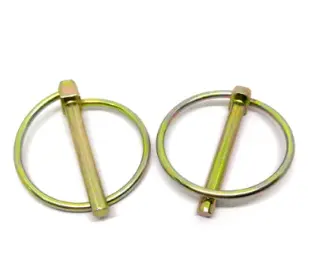
Testing and Certification Standards
Customers may differentiate between goods with legitimate corrosion-resistant designs and those with inflated marketing claims by being aware of the testing requirements and certifications specific to Trailer Hitch Pin Lock products. The industry standard for assessing corrosion resistance in automotive and towing applications is salt spray testing, formerly known as ASTM B117 testing. In this test, samples of trailer hitch pin locks are subjected to a fine mist of salt solution in a temperature-controlled chamber for predetermined amounts of time—typically 96 to 1000 hours, depending on the approved performance level. Excellent corrosion resistance appropriate for demanding situations is shown by products that survive 500 hours or more of salt spray testing without exhibiting red rust on crucial surfaces. In addition to giving customers objective performance data rather than arbitrary marketing promises, manufacturers' disclosure of salt spray test results for their Trailer Hitch Pin Lock products shows confidence in the product's quality. Manufacturers catering to commercial and industrial sectors often seek wider quality management certifications that include corrosion resistance as one component of total product dependability, in addition to salt spray testing. A manufacturer's use of thorough quality management systems that address raw material selection, production process control, and final product testing is shown by ISO 9001 certification. Although corrosion resistance isn't directly covered by ISO 9001, certified manufacturers usually use uniform quality standards throughout the manufacturing process, increasing the likelihood that their Trailer Hitch Pin Lock goods will work as expected over time. In order to make sure that coating procedures, surface treatments, and material selection adhere to environmental responsibility standards—a factor that fleet operators and organizations with sustainability mandates are finding more and more significant—some manufacturers also seek environmental management certification through ISO 14001.
Evaluating Manufacturer Claims and Warranties
Examine the warranty conditions carefully when assessing corrosion resistance claims for Trailer Hitch Pin Lock goods, as they often show the manufacturer's true level of confidence in the product's longevity. A manufacturer shows significant confidence in material selection and preventative measures when they give a five-year or lifetime guarantee against rust and corrosion, especially without qualification or restriction. On the other hand, goods with one-year or ninety-day warranties, or those that do not cover corrosion damage, imply that the manufacturer is aware that the product is not meant to be exposed to the elements for an extended period of time. To learn what kinds of corrosion are covered, what environmental circumstances nullify coverage, and what paperwork the manufacturer needs for warranty claims, carefully read the warranty terms. Because they recognize that customer happiness and brand reputation rely on goods functioning as promised throughout the course of their service life, high-quality manufacturers provide extensive guarantees for their Trailer Hitch Pin Lock products.
Maintenance Best Practices for Extending Service Life
For best service life and dependability, even the most corrosion-resistant trailer hitch pin lock needs proper maintenance. The cornerstone of efficient maintenance is routine cleaning, which eliminates accumulated salt, dirt, road grime, and other impurities that retain moisture on metal surfaces and hasten corrosion. Clean your trailer hitch pin lock thoroughly with warm water and mild detergent every three to six months, or more regularly if you're working in a coastal or high-salt climate. Use a soft brush to remove dirt from the lock cylinder, threads, and crevices. Rinse well with fresh water after washing to get rid of any soap and detergent residue, and then use compressed air or let it air dry for a few hours before reinstalling. The useful life of even somewhat corrosion-resistant Trailer Hitch Pin Lock designs is significantly increased by this easy maintenance procedure, which eliminates the corrosive chemicals before they can start serious metal deterioration. The second essential component of trailer hitch pin lock maintenance is lubrication, however the choice of lubricant is crucial. While WD-40 and other conventional petroleum-based lubricants are great for temporarily lubricating and dislodging moisture, they also have a tendency to draw dust and debris, which may build up in the lock cylinder and actually hasten wear. Dry lubricants with PTFE (Teflon) or graphite work better for Trailer Hitch Pin Lock applications because they lubricate moving parts without leaving behind sticky residue that draws impurities. Every three to six months, apply dry lubrication to the lock cylinder by putting the applicator tube straight into the keyhole, spraying a little bit (usually about one or two seconds), and then turning the key many times to spread the oil throughout the pin stack. A thin layer of marine-grade grease on the outside of the pin shaft and locking mechanism prevents corrosion and permits smooth operation; nevertheless, it should be cleaned and reapply at each maintenance interval to avoid dirt buildup.
Seasonal Maintenance Considerations
For Trailer Hitch Pin Lock installations subjected to harsh climatic conditions, seasonal variations need modified maintenance strategies. Clean and lubricate your hitch pin lock well before winter comes in areas where road salt is used. Then, think about lightly spraying exposed surfaces with a lanolin-based protection spray or marine corrosion preventive. Instead of letting road salt spray come into direct touch with metal surfaces, these products provide a water-repellent barrier. In order to prevent corrosive residues from causing damage during the winter, rinse the Trailer Hitch Pin Lock with fresh water after every journey, especially after driving on salted roads. When spring comes, thoroughly examine your hitch pin lock to look for any coating damage, rust development, or mechanical wear that resulted from the hard winter weather. Any corrosion patches should be fixed right away by wire brushing the rust off and then using protective spray or touch-up coating to stop future deterioration. This periodic maintenance cycle maximizes the security performance and service life of your trailer hitch pin lock by keeping it in top condition all year long.
Conclusion
The quality of the base material, protective coatings, design elements, and manufacturing reputation are all important considerations when choosing a trailer hitch pin lock with enough corrosion resistance. Your investment will provide years of dependable service rather than failing too soon from rust and deterioration in harsh conditions if you prioritize stainless steel construction, efficient sealing systems, and tried-and-true preventive treatments.
Cooperate With Qingdao RUIRUI Machinary Co., LTD.
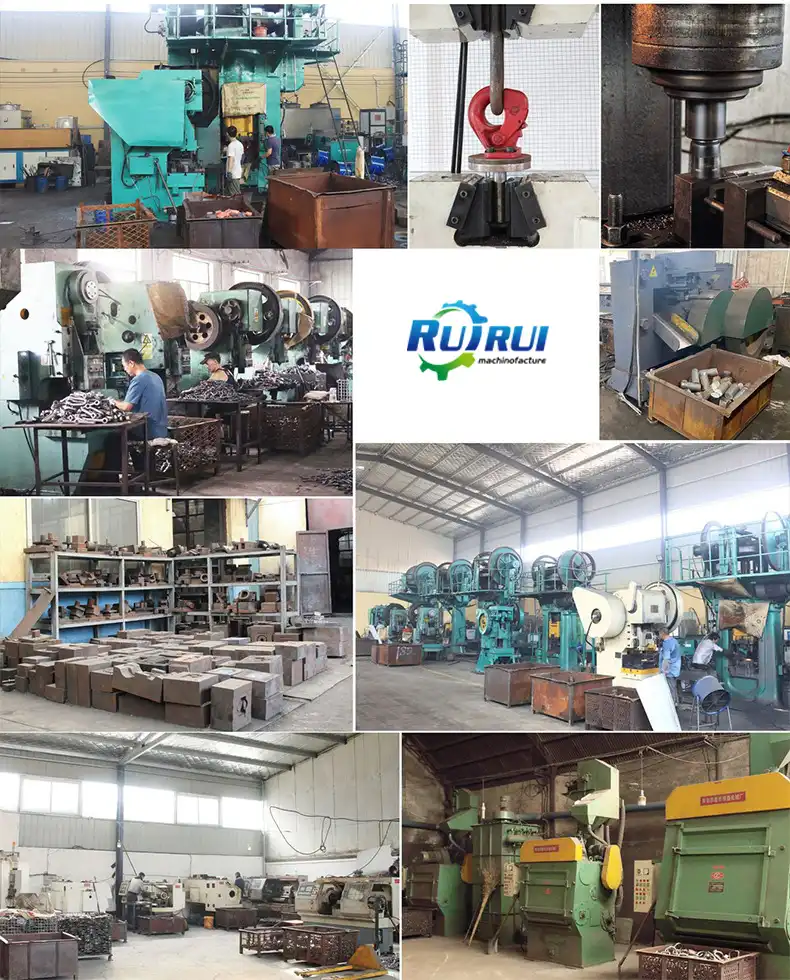
Qingdao RUIRUI Machinary Co., LTD. is a prominent China trailer hitch pin lock factory and manufacturer that specializes in creating high-quality trailer accessories with remarkable corrosion resistance using cutting-edge metal fabrication technology. In order to guarantee that every trailer hitch pin lock for sale satisfies the highest durability standards, our China trailer hitch pin lock supplier capabilities include progressive stamping, deep drawing, CNC machining, laser cutting, welding, and specialized surface treatments like powder coating, plating, anodizing, and electrophoresis. We deal with a variety of materials, such as brass, copper, stainless steel, mild steel, and aluminum alloys. We provide specialized processing services that give each material the best possible care to prevent corrosion. We uphold ISO 9001, ISO 14001, and OHSAS 18001 certifications as a reliable wholesale partner for China Trailer Hitch Pin Lock, ensuring strict quality control throughout our manufacturing process. We provide High Quality Trailer Hitch Pin Lock solutions that safeguard your investment against corrosion and theft, with products shipped to more than 80 countries, competitive Trailer Hitch Pin Lock pricing points, OEM support, quick delivery times, and expert packing. To discuss your unique needs, contact us at info@qdkshd.com right now. Save this page to your bookmarks for future use anytime you want professional assistance with trailer hitch pin lock selection and maintenance.
References
1. "Corrosion Resistance of Stainless Steels in Marine Environments" - American Iron and Steel Institute Technical Committee
2. "Salt Spray Testing Methods for Automotive Components: ASTM B117 Standard Practice" - ASTM International Standards Organization
3. "Surface Treatment Technologies for Enhanced Corrosion Protection" - Society of Automotive Engineers Technical Paper Series
4. "Material Selection Guide for Towing and Trailer Equipment" - National Association of Trailer Manufacturers Technical Division
5. "Protective Coating Systems for Heavy-Duty Vehicular Applications" - Federation of Societies for Coatings Technology Research Journal

Send Inquiry
Related Industry Knowledge
- Top 5 Steel Tread Plate Trailer Fenders for Off-Road
- Trailer Hardware Factory Solutions for Fleet Operators
- What Are the Key Features of a High-Quality Forged Container Eccentric Steel Latch?
- Best Trailer Parts Manufacturer for Heavy-Duty Axles & Brakes
- What size nut is on a 2 inch trailer ball?
- How does the design of the gooseneck ball affect its performance?
- How can I maintain my spare tire lock to ensure it functions properly?
- Can I use a trailer ball cover with a lubricated hitch ball?
- Are there any design considerations for colored corrugated metal fences?
- What is the role of a pump cover plate in pump efficiency?