
Trailer Hitch Pin Lock Maintenance Tips for Longevity
Imagine that as you are about to leave with your loaded trailer, you find that your trailer hitch pin lock is stuck in place due to corrosion. You fight with penetrating oil for hours, or worse, you have to cut it off completely. Numerous trailer owners who neglect one important component of their towing setup end themselves in this terrible situation. Maintaining your trailer hitch pin lock properly is important for safety, deterring theft, and avoiding expensive emergency repairs in addition to being convenient. We'll lead you through tried-and-true maintenance techniques in this thorough guide that will keep your locking mechanisms operating efficiently for many years to come, safeguarding your investment and peace of mind.
Understanding Trailer Hitch Pin Lock Components and Their Vulnerabilities
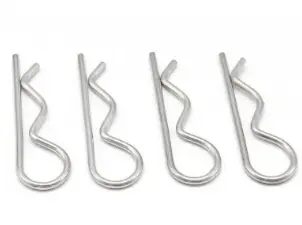
It's critical to comprehend what makes your trailer hitch pin lock prone to deterioration and failure before beginning any repair treatments. Unlike regular hitch pins, these security devices have a distinct set of maintenance issues since they combine heavy-duty metal structure with precise locking mechanisms. Road salt, dirt, and environmental pollutants constantly attack the outer pin shaft, and the locking cylinder's tiny pins and springs might corrode or bind when exposed to moisture. The fragility of Trailer Hitch Pin Lock systems derives from their outside exposure and the materials utilized in their manufacture. The majority of high-quality locks are made of forged alloys or hardened steel to prevent theft, but these materials still need to be protected against oxidation. Water may seep deeply into the lock mechanism via the keyway, making it a particularly susceptible entrance site. This internal corrosion might result in challenging key insertion or total seizure. By identifying these weak places, you may focus your maintenance efforts where they are most important and avoid issues before they need to be fixed by professionals or replaced entirely.
The Critical Role of Environmental Protection
The length of time your trailer hitch pin lock will operate consistently without assistance is mostly dependent on environmental variables. Corrosion processes inside the exterior pin structure and internal locking mechanism may be significantly accelerated by exposure to salt air in coastal areas, road salt during the winter, and simple humidity. Long periods of inactivity may cause moisture to build up within the keyway and around internal sections of your trailer hitch pin lock, which creates the ideal environment for rust to grow and fuse moving parts together. To enhance component lifespan, protection measures must take into consideration both active usage times and storage intervals. Your trailer hitch pin lock is subject to weather, road debris, and mechanical degradation during busy towing seasons. In addition to producing micro-movements that, depending on the surroundings, either clean or retain moisture, the lock is subject to vibration pressures that may drive impurities further into crucial locations. Variations in temperature and stagnant moisture cause condensation cycles that encourage oxidation on previously shielded metal surfaces throughout the assembly, posing distinct issues throughout storage periods.
Pre-Use Preparation and Initial Break-In Procedures
Before being installed for the first time, new trailer hitch pin lock units greatly benefit from careful preparation, which creates a protected foundation that pays off throughout the course of their service life. Although factory anti-corrosion coatings provide some protection, they usually don't offer the complete coverage required for extended outdoor exposure in demanding applications. A new locking pin's functional lifetime may be increased by many years by taking fifteen minutes to properly prepare it before installation. This will also avoid annoying operational issues that often arise after just a few months of use. It takes more than just entering the key and setting up the device to break into a modern trailer hitch pin lock. Pre-lubricating all threaded surfaces, running the locking mechanism through many cycles while using the proper lubricants, and creating a baseline operating feel that will act as your benchmark for future condition evaluations are all components of quality preparation. Instead of finding difficulties months later when you're getting ready for a crucial trip, you may find any manufacturing flaws or tolerance concerns at this first preparation period when the item is still readily returnable.
Thread Lubrication and Anti-Seize Application
Trailer Hitch Pin Lock assemblies' threading mechanisms are high-wear components that greatly benefit from adequate lubrication during initial setup. Applying anti-seize compound to threads prevents galling and cold-welding, which may make removal more challenging in the future, particularly when different metals come into contact or when the assembly is heated and cooled during operation. Throughout the product's service life, a thin, uniform layer of marine-grade anti-seize compound protects all threaded components from corrosion while lowering the torque needed for installation and removal procedures. Both the male and female thread surfaces must be properly prepared for your trailer hitch pin lock in order to guarantee full coverage free of extra material that can draw dirt. Before applying anti-seize compound in a continuous spiral pattern that follows the thread route, thoroughly clean the threads with a wire brush and solvent. To properly spread the lubricant into the thread roots, where corrosion usually starts, work the parts together many times. For locks that will be used in maritime conditions or places where road salt is often applied during the winter, this preparatory phase is very important.
Regular Cleaning Protocols for Optimal Performance
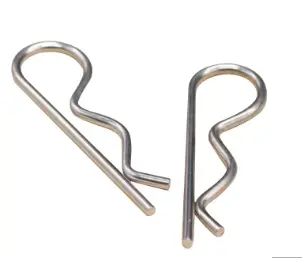
Effective Trailer Hitch Pin Lock maintenance starts with establishing a regular cleaning schedule that eliminates impurities before they may get past protective coatings or into vital parts. While commercial operators may need weekly or even daily cleaning techniques, monthly care will provide sufficient protection for infrequent recreational users. The frequency and severity of cleaning should scale with your use patterns and environmental circumstances. Every cleaning session offers a chance to check for emerging issues while clearing the collected material that speeds up corrosion and wear processes. In order to prevent damaging protective coatings or creating new issues, the cleaning procedure for trailer hitch pin lock assemblies must strike a balance between thoroughness and material compatibility. While specialist metal cleaners deal with tough deposits without damaging underlying materials, basic soap and water solutions easily remove the majority of road dirt. Pay close attention to any gaps in the building where moisture and impurities tend to gather, as well as the cracks around the lock cylinder. After cleaning, it is crucial to dry completely before storing or lubricating since trapped moisture beneath new lubricant speeds up corrosion growth rather than stops it.
Post-Trip Maintenance Procedures
Even if there isn't any obvious contamination, every towing session exposes your trailer hitch pin lock to conditions that need to be addressed right once upon return. Road spray contains chemicals and salt that continue to corrode even after you've unplugged, so cleaning your vehicle right away after a journey is a great way to prolong component life. It just takes a few minutes to clear the keyway with a fast wipe-down using a moist cloth and compressed air, but it avoids the buildup of residue that would later need more forceful cleaning techniques. Creating a post-trip procedure for your trailer hitch pin lock guarantees that nothing is missed during the hectic time after a journey. Keyway flushing to remove dirt from the lock mechanism, basic cleaning to remove surface pollutants, visual examination for any visible damage or looseness, and a brief operational check to make sure the key spins smoothly and the locking action feels normal should all be part of this process. Keeping track of any changes in functionality or appearance makes it easier to see progressive deterioration that could otherwise go undetected until failure happens. This methodical strategy significantly lowers overall ownership costs by converting maintenance from a reactive emergency reaction to proactive prevention.
Lubrication Strategies and Product Selection
For long-term Trailer Hitch Pin Lock performance, proper lubrication is perhaps the most crucial maintenance chore. However, selecting the incorrect oil kind or application technique might actually exacerbate issues rather than avoid them. While exterior pin surfaces benefit from thicker grease compositions that provide barrier protection against moisture penetration, lock cylinders need dry lubricants that won't draw dust and debris. Effective maintenance may be distinguished from unproductive busywork that wastes time and money without providing protection by being aware of these various needs and using the right materials for each location. Both short-term operating advantages and long-term protective qualities under various environmental circumstances must be taken into account when choosing a lubricant for trailer hitch pin lock maintenance. For lock mechanisms, graphite powder and PTFE-based dry lubricants work best because they provide smooth operation without the tackiness that collects flying particles. External metal surfaces need distinct treatment, with marine-grade waterproof greases giving improved protection against moisture ingress and corrosion development. Seasonal factors also play a role in choosing a product, as certain lubricants thin too much in the summer heat and become too viscous for dependable operation in very low temperatures.
Lock Cylinder Treatment and Protection
Rather of using general-purpose lubricants, the internal mechanism of your trailer hitch pin lock requires specialist care using materials designed for precision lock maintenance. For these applications, spray graphite or dry PTFE lubricants are the most effective because they provide smooth operation without leaving residue that draws in contaminating particles. The method of application is just as important as the choice of product; moving the key through many cycles after brief bursts straight into the keyway distributes lubricant throughout the internal mechanism and removes any loose debris that may otherwise cause binding. As use intensity and environmental exposure increase, the frequency of lock cylinder lubrication for your trailer hitch pin lock should increase. For recreational users, quarterly treatment is a good baseline. Let capillary action pull the product into the spaces between the key and cylinder walls by completely inserting the key and spraying lubricant around its circumference. Turn the lock repeatedly over its whole range of motion after working the key in and out numerous times without encountering any resistance. While the mechanical motion helps remove any accumulation that might prevent smooth operation, this procedure guarantees that lubricant reaches all internal pin chambers and springs.
Seasonal Storage and Extended Non-Use Protocols
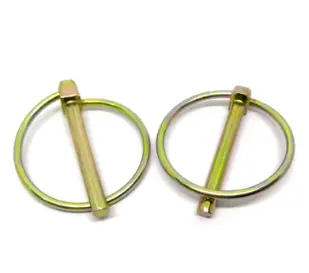
Long-term storage poses special maintenance issues for trailer hitch pin locks because static circumstances enable corrosion processes to go unchecked and mechanical components may bind due to immobility. In areas with high humidity or large temperature swings that cause condensation cycles inside the lock mechanism, winter storage is especially troublesome. Proper storage preparation and occasional exercise during inactive seasons minimizes the seized locks and operating troubles that commonly greet spring when owners seek to restart towing operations after months of idleness. In order to give yourself enough time to fix any emerging issues while components are still easily accessible, you should start the storage preparation procedure for your trailer hitch pin lock well in advance of the season's last usage. To remove any residues of road impurities that would otherwise concentrate corrosion activity during storage, remove the lock from the receiver and thoroughly clean it. Fresh lubricant should be applied to both exterior surfaces and interior mechanisms. After that, all moving parts should be worked through their entire range of motion to fully disperse protective coatings. If at all feasible, store the lock in a climate-controlled area. If not, keep it in a tight plastic bag with desiccant packets to limit humidity exposure.
Periodic Exercise During Storage
In order to avoid the static bonding and lubricant settling that may occur over months of total inactivity, even properly prepared Trailer Hitch Pin Lock systems benefit from frequent exercise over lengthy storage periods. During storage seasons, protective lubricants are redistributed over all surfaces and internal mechanisms are kept free via monthly operating cycles. By avoiding the annoying circumstance of finding a seized lock when you're prepared to begin towing operations, you may save time and money and perhaps avoid emergency replacement scenarios that occur at the most inopportune times. Although it only takes a few minutes each month, the workout program for stored trailer hitch pin lock assemblies offers significant advantages for preserving operational readiness. Insert the key and work it through many lock-unlock cycles, feeling for any increasing resistance that would suggest growing difficulties. Look for any indications of corrosion growth on exterior surfaces, and fix any areas right away to stop it from spreading. To provide ongoing protection throughout the storage period, apply a thin layer of new lubricant if the previous application seems to be running low. The majority of storage-related malfunctions are avoided with this little time and effort commitment, which also gives early notice of any problems that need expert assistance.
Inspection Protocols and Problem Identification
Proactive maintenance of trailer hitch pin locks is based on systematic inspection techniques that spot emerging issues before they become operational failures or safety risks. While operational testing identifies functional deterioration that may not be immediately apparent, visual assessment identifies evident problems like surface corrosion or mechanical damage. Instead of dealing with catastrophic failures that might jeopardize security and safety during crucial towing operations, you can address small concerns quickly by establishing a regular inspection routine and knowing what defines normal vs problematic circumstances. At the very least, trailer hitch pin lock assemblies should be inspected prior to each usage, with more thorough quarterly inspections offering a thorough condition evaluation. Pre-trip checks concentrate on operational preparedness, verifying that the locking mechanism engages positively, the key rotates smoothly, and there isn't any visible wear or damage. Every quarter, thorough inspections include disassembling everything when feasible and closely examining every part, including wear patterns, corrosion development, and structural soundness. This two-tier method strikes a compromise between the real time limits that afflict busy trailer operators and the need for comprehensive condition monitoring.
Identifying Early Warning Signs of Deterioration
Early warning signs enable action before small issues with the trailer hitch pin lock develop into failures that need to be replaced immediately. While looseness or play in mechanical connections shows wear that will become worse with time, increased resistance while rotating the key signals internal corrosion or contamination growing inside the lock cylinder. Although surface rust in non-critical parts may seem to be solely decorative, it really indicates insufficient protective coating coverage, which may ultimately spread to structural sections. Before resuming use, any unusual noises made during operation, sticking or binding at any stage of the mechanical cycle, or obvious fractures in any component should be fixed right away. Establishing baseline normal operating characteristics while the device is fresh is necessary for early issue identification for your trailer hitch pin lock. This serves as a reference point for seeing subtle changes that could otherwise go unnoticed. During the first installation, record the overall mechanical smoothness, lock turning effort, and key insertion resistance. During regular inspections, refer to these baseline characteristics and record any departures from normal functioning. A rigorous comparison to recorded baseline conditions exposes patterns that enable prompt maintenance intervention before catastrophic failures occur, but little changes that build gradually sometimes go unreported until they abruptly appear as full failure.
Advanced Protection Techniques for Harsh Environments
To obtain an appropriate Trailer Hitch Pin Lock service life, operators operating in exceptionally harsh environmental circumstances need to implement extra protection techniques beyond conventional maintenance routines. Corrosion processes are accelerated in industrial settings with chemical contamination, coastal activities with salt air exposure, and winter situations with excessive road salt application, all of which rapidly outpace simple preventative measures. When conventional procedures are insufficient to ensure dependable performance under harsh circumstances, advanced techniques like as protective coatings, regular maintenance cycles, and environmental isolation methods become critical expenditures. The first step in the improved protection strategy for Trailer Hitch Pin Lock assemblies in tough situations is product selection. Instead of using consumer-grade hardware, components designed for demanding circumstances are chosen. Compared to regular steel, stainless steel structure offers far greater corrosion resistance, and additional protective layers are added by specialty coatings like powder coating or chromium plating. Operational procedures must adjust to environmental conditions in addition to hardware choices. This may include daily cleaning schedules, protective coverings during storage, and full disassembly for comprehensive maintenance at shorter intervals than would otherwise be necessary.
Protective Coating Application and Maintenance
By adding more barriers against moisture entry and chemical assault, supplemental protective coatings increase the service life of trailer hitch pin locks in corrosive situations. Marine-grade corrosion inhibitor sprays provide superior performance without interfering with mechanical function, but they only give short-term protection that has to be changed often. Powder coating and specialty paint systems intended to protect against severe environments are more long-lasting options, but they usually need to be applied by professionals and may have an impact on precise mechanism tolerances. To ensure that improved corrosion resistance doesn't come at the expense of essential functioning, the coating selection and application method must strike a balance between protection efficacy and operational needs. Regular examination for any damage or deterioration that can enable corrosion to start under the protective layer is part of proper coating maintenance for your trailer hitch pin lock. Even tiny coating flaws produce concentrated corrosion spots where moisture entry drives metal degradation. In order to stop localized corrosion, which often advances quickly once protective barriers are broken, address any coating damage right once with touch-up treatment or full re-coating. This methodical strategy to maintaining coating integrity turns out to be significantly more economical than letting corrosion grow and then addressing the resulting structural damage and operational issues.
Conclusion
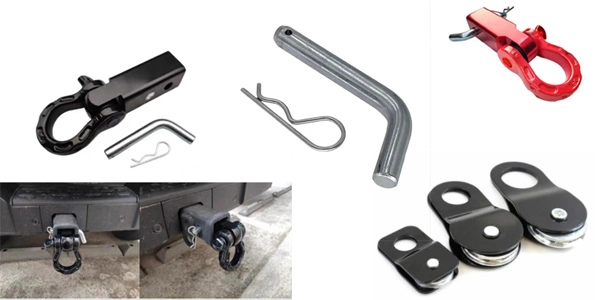
To optimize service life and guarantee dependable functioning when you need it most, effective trailer hitch pin lock maintenance involves routine cleaning, adequate lubrication, methodical inspection, and suitable storage techniques. By using these tried-and-true methods, you can preserve the security that initially makes these devices desirable while avoiding the annoyance and cost of locks being seized or premature failures.
Cooperate With Qingdao RUIRUI Machinary Co., LTD.
Qingdao RUIRUI Machinary Co., LTD. provides outstanding goods supported by ISO certifications and cutting-edge production capabilities when you need a dependable China Trailer Hitch Pin Lock manufacturer that understands quality manufacturing. As a top manufacturer and supplier of China trailer hitch pin locks, we provide high-quality solutions at reasonable costs, including China trailer hitch pin lock wholesale choices and trailer hitch pin lock for sale. Our proficiency in CNC machining, metal stamping, and surface treatments including plating and powder coating guarantees that every part satisfies high requirements. We provide the OEM support and expert packaging you need thanks to our eight manufacturing lines, 130,000-piece yearly capacity, and more than 15 years of management expertise. Get in touch with us at info@qdkshd.com to talk about your needs and discover why clients all around the world rely on RUIRUI for their trailer accessory requirements. When looking for high-quality towing parts, bookmark this site for easy access.
References
1. Kennedy, Amanda. "Maximizing Silent Hitch Pin Longevity Through Proper Maintenance." Let's Go Aero Resources and Technical Documentation, 2024.
2. Richardson, Aaron. "Comprehensive Guide to Trailer Hitch Lock Selection and Maintenance for RV Applications." RVing Know How Expert Series, 2024.
3. Patriot Hitches Engineering Team. "Expert Maintenance Protocols for Extending Trailer Hitch Lifespan." Patriot Hitches Technical Bulletin, 2023.
4. Trailer Valet Manufacturing Division. "Maintenance Best Practices for Adjustable Hitch Systems and Locking Components." Trailer Valet Technical Resources, 2023.
5. PopUp Towing Products Safety Committee. "Maximizing Safety and Security in Gooseneck Trailer Hitch Lock Applications." PopUp Towing Products Safety Guidelines, 2025.

Send Inquiry
You may like
Related Industry Knowledge
- How to Lubricate a Trailer Coupler?
- Sheet Metal Fabrication Applications in Automotive & Aerospace
- Best Trailer Hitch Pin Lock for Saltwater & Coastal Use
- What size nut is on a 2 inch trailer ball?
- Heavy Duty Trailer Jack: The Industry Standard for Reliability and Strength
- Why Is the Adjustable Tow Arm Adapter Essential for Heavy-Duty Towing?
- Are Stainless Steel Hinges Better Than Brass or Bronze?
- What Materials Are Utility Pole Clamps Made From?
- Why Choose Custom Precision Milling Parts for High-Volume Orders?
- How far apart should bollards be?