
Trailer Parts Wholesale Supplier for Semi Trailers and Trucks - RUIRUI
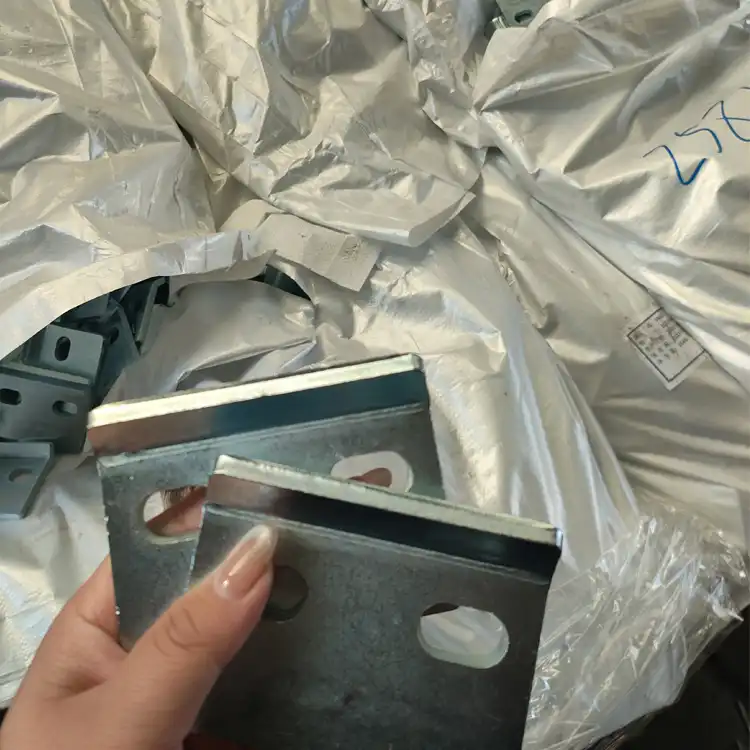
Picking the right source is very important for getting solid parts for business fleets. This will help with both short-term and long-term cost management. RUIRUI Machinery was founded in 2016 and is based in Qingdao, China. Its main business is making and selling trailer parts that meet the strict needs of B2B buyers around the world. Our range of products includes trailer pins and arms, winches, fasteners, and special sheet metal solutions made from high-grade carbon steel with an advanced spray coating that protects against sun damage, lasts longer, and resists rust better than other coatings. With factory-direct prices and ISO-certified quality standards, we serve infrastructure builders, fleet managers, OEM makers, and bulk wholesalers all over North America, Europe, and beyond.
Understanding Essential Trailer Parts for Semi Trailers and Trucks
A lot of different parts work together to make sure that every semi-trailer and business truck is safe to drive and follows all the rules. Knowing about these important factors helps fleet managers make smart buying choices that have a direct effect on repair costs and uptime.
Critical Structural Components
The trailer frame is the most important part of any moving business. It supports the whole load and stays strong over thousands of miles. The carbon steel frames that RUIRUI makes have carefully planned shapes that spread out weight evenly and stop stress cracks that happen with cheaper materials. Axles and suspension systems work together to keep the tires on the road and absorb shocks from the road. Leaf springs or air ride technology are used in modern suspension systems. The choice depends on the type of load and the ground. Axles that are properly defined must meet the Gross Vehicle Weight Rating (GVWR) and take into account how the load will be distributed in real life.
Essential Mechanical Systems
The brake system is the single most important safety feature on any trailer. Electric brakes are most common in the light to medium duty market. An electric force activates the brake shoes through a controller that is in sync with the pulling vehicle. Heavy-duty uses use hydraulic systems, which have better stopping power because they use compressed fluid to move trailer parts. By checking the brake drums, shoes, and hydraulic lines on a regular basis, you can stop them from slowly losing their effectiveness, which can cause dangerous stopping distances and legal problems.
Support Hardware and Connections
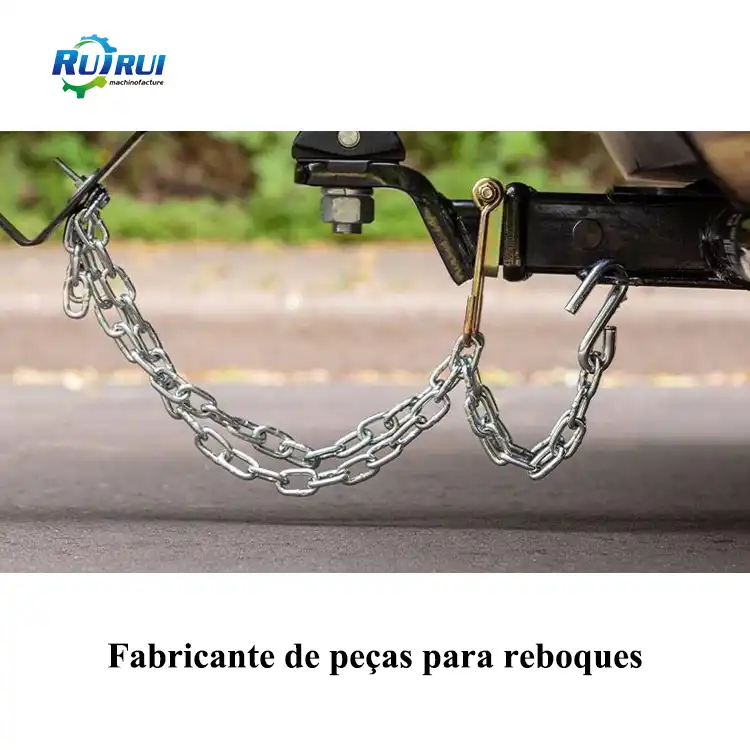
Hitches, couplers, and safety chains join the truck to the trailer legally and physically. The coupler has to be the exact same size as the ball mount, which is usually between 2 inches for smaller uses and 2-5/8 inches for heavy industrial use. Landing jacks support the front of the trailer while it is being loaded and when it is not attached to the tractor. Depending on the use, they can hold up to 50,000 pounds. Wiring harnesses send electrical messages for the brakes, lights, and other functions. In business settings, seven-way connectors are common. Using parts that meet SAE J560 standards makes sure that different makers' equipment can work together and cuts down on the time needed to fix problems when using a mixed fleet.
Lighting systems do two things: they improve sight and make sure that rules are followed. Marker lights, turn signs, stop lights, and reflectors must all be placed and work in a certain way according to Federal Motor Carrier Safety Administration (FMCSA) rules. With LED technology, light bulbs have mostly been replaced because they last a lot longer, use a lot less power, and make it easier to see in bad weather.
How to Choose the Right Trailer Parts for Your Fleet
When choosing the right parts, you need to look at more than just the price. You need to think about how they will work, what they will be used for, and the total cost of ownership. Smart strategies for buying things weigh short-term budget limits against long-term costs for reliability and upkeep.
Defining Operational Requirements
Load standards tell us how strong different parts of a structure are. A fleet that hauls maximum-weight loads every day needs tire ratings, brake capacities, and frame design that are different from fleets that only do light-duty work sometimes. Environmental factors have a big effect on the choice of materials. For example, processes near the coast need better corrosion protection, and parts that are used in high temperature ranges need to be tried across a wider range of temperatures. Concerns about compatibility go beyond just physical measures. They also include electrical system voltage, hydraulic pressure ratings, and making sure that all fleet cars use the same mounting pattern.
Evaluating Quality Metrics
The makeup of the material directly affects how long a component lasts and how it fails. When properly treated with protection coats, carbon steel has a great strength-to-weight ratio and is a cost-effective material. Even though it costs more at first, stainless steel is better at resisting rust in harsh settings. Aluminum is lighter, which saves fuel, but it needs careful planning to keep its structural stability. At RUIRUI, we use modern spray treatment methods to add thermoplastic powder covering that makes even shields against oxidation, UV degradation, and chemical exposure. Compared to basic paint finishes, this surface treatment makes things last a lot longer.
Warranty terms and certifications are objective ways to see how confident the maker is in the product and how strict their quality control is. ISO 9001 certification shows that quality management is organized, and ISO 14001 certification shows that production methods are environmentally friendly. Components that are approved to SAE standards make sure that trailer parts from different brands of tools can be used together and work as expected. RUIRUI has many certifications, such as ISO 9001, ISO 14001, and OHSAS 18001, and for every batch of goods we make, we keep full quality documentation.
Component-Specific Selection Criteria
Choosing the right tires means finding a mix between load ability, tread design, and compound formulation. For long-distance use, radial construction tires have less rolling resistance and heat building, while bias-ply tires have stiffer sidewalls for off-road or low-speed use. Ratings for load ranges from C to G show that the ply's strength and pressure ability are growing. When comparing axles, you have to look at the predicted loads and the ease of servicing access along with the beam width, wall thickness, and hub configuration. Dropped wheels lower the deck height, which makes it easier to load, but they also lower the ground clearance. To keep brakes from wearing out on long descents, axle capacity and heat discharge must be matched. Electric brake magnets with ratings between 10 and 12 inches have different torque rates. For heavy loads, you need bigger magnets.
When purchasing from bulk sellers, purchasing managers should ask for Material Test Reports (MTRs) that list the chemical make-up and mechanical qualities of the materials, as well as dimensional inspection reports that confirm the accuracy of the measurements and accelerated rust testing results that show how well the coatings work. RUIRUI gives full details for all special and standard parts, which lets you compare them with other sellers in a smart way.
Advantages of Partnering with RUIRUI for Trailer Parts Wholesale Supply
Picking the right manufacturing partner affects more than just the quality of the parts; it also affects the stability of the supply chain, the level of expert help available, and the total cost of purchase. The integrated method that RUIRUI uses meets all of the needs of B2B buyers, from the initial design to ongoing support.
Comprehensive Manufacturing Capabilities
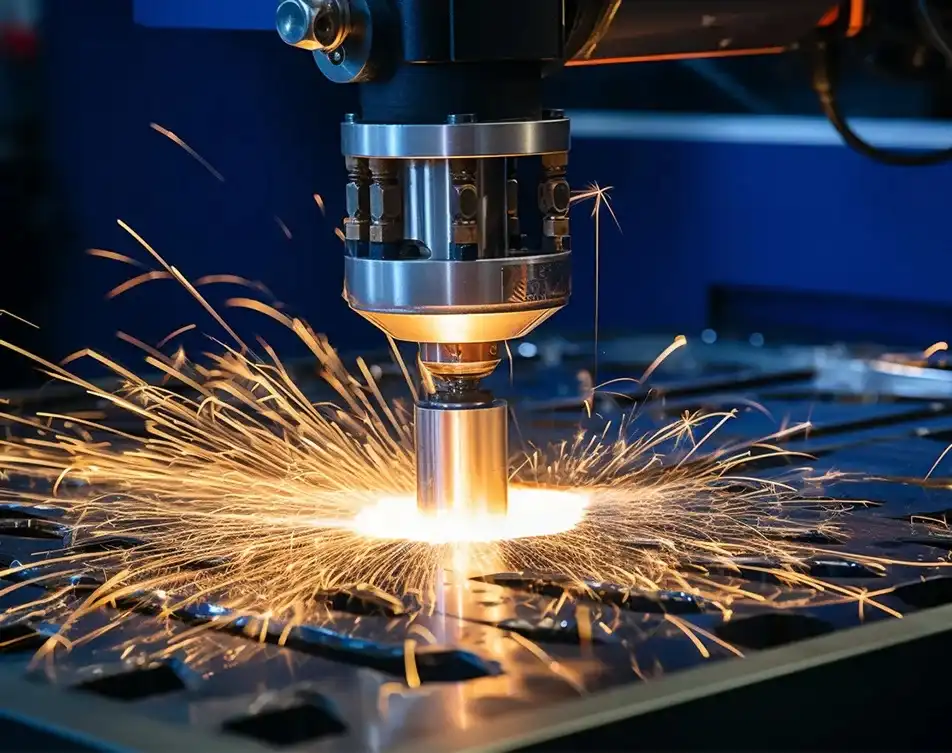
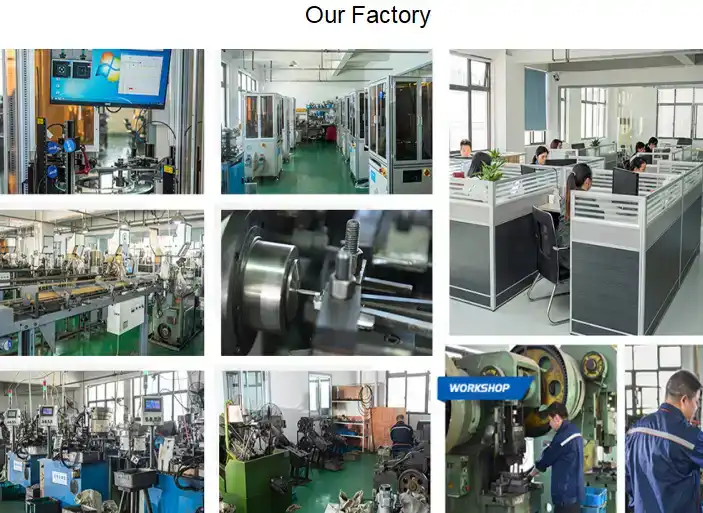
Our Qingdao plant has eight dedicated production lines with fully automated robotic systems. Each line can make 130,000 units a year while keeping the standard of every part the same. This size lets you offer reasonable prices on large orders without giving up the customization options that smaller businesses need. In addition to basic pressing, RUIRUI offers a full range of metal manufacturing services, such as CNC machining for tight tolerances, laser cutting for complicated shapes, and a number of finishing methods, such as electrophoresis, powder coating, plating, and anodizing. Because of this vertical integration, buyers can get whole kits from a single seller. This makes it easier to coordinate and reduces the chance of compatibility issues between parts made by different companies.
Our engineering team brings more than 15 years of management experience to unique projects. They work directly with clients to turn business needs into designs for components that work best. We have the technical knowledge and production freedom to give fleet operations exactly what they need, whether it's making copies of old parts for old equipment or coming up with completely new solutions for unique uses.
Quality Systems and Certifications
Tough quality control starts with the raw materials and goes on through all the steps of production. Our inspectors and production engineers work together to make detailed quality files that keep track of every step of the manufacturing process for every batch. This makes it possible to quickly find the root cause of problems in the field and provides the paperwork needed for ISO compliance checks. We make sure that our parts meet both ISO and IATF quality standards, as well as general manufacturing requirements and the technical requirements of the car industry.
Before it goes into production, the carbon steel we use for trailer parts goes through a strict checking process to check its chemical makeup, mechanical properties, and surface state. Our spray coating method uses uniform thickness that is controlled by automatic systems. This makes a barrier that is resistant to sun damage and corrosion, which extends the life of trailer parts even in harsh working conditions. Before they are packaged, finished parts are checked for their dimensions, their coating thickness is measured, and they are put through practical tests that are right for their purpose.
Integrated Support Services
Technical support goes beyond choosing the right parts; it also includes startup help, debugging, and advice on how to keep things in good shape. Our team can look at engineering plans to make sure they work with current tools or come up with their own specs to fit specific needs. This consultation makes sure that buyers get parts that are best for their specific uses instead of having to make operating sacrifices to fit standard goods.
Global logistics make it easy to send to customers in 80 countries, with choices like containerized shipping for large orders and faster shipping when the cost of downtime justifies the higher freight. Professional packaging keeps parts safe while they're being shipped internationally and makes it easier to receive and handle goods at the customer's location. Our history of on-time deliveries means that buyers can keep less safety stock on hand and save money on the costs of keeping it.
Trailer Maintenance and Safety Checklist for Fleet Managers
Preventative maintenance programs keep parts from breaking down on the side of the road, which can be very expensive. They also make sure that regulations are followed and parts last longer. Systematic inspection routines find problems as they start to appear before they become breaks that mess up delivery plans and hurt relationships with customers.
Tire Inspection and Monitoring
Before every trip, you should look at the tires visually to make sure they are properly inflated, have enough tread depth, and don't have any signs of uneven wear that could mean balance or suspension issues. In order to follow FMCSA rules, steer tires with a tread depth below 4/32 inch and trailer spots with a tread depth below 2/32 inch must be replaced. Uneven wear across the tread surface suggests improper filling or axle misalignment requiring professional analysis. Sidewall cracks, bulges, or visible cords are all signs of structural failure that mean the tire needs to be replaced right away, no matter how deep the tread is. Proper filling according to the manufacturer's instructions stops too much heat from building up, which speeds up the wear and tear on the rubber and raises the risk of blowout.
Electrical System Maintenance
Most electrical problems happen because of rust in the connectors, especially in places that get a lot of wetness. Putting dielectric grease on plug contacts during placement makes a barrier against wetness that greatly increases the stability of the connection. Checking your lights before every trip keeps you from getting tickets during stop checks and lets other drivers know what you're going to do. When checked with a multimeter, seven-way connection pins on trailer parts should show spring tension, and resistance below 0.5 ohms means good electrical continuity. Lighting problems that come and go are usually caused by bad ground connections, not broken lights. This means that frame-mounted ground straps should be checked for rust or looseness.
Comprehensive Safety Inspection Protocol
When inspecting a frame, the inspector looks for stress cracks near weld joints, cross-member attachment points, and axle hangers. These are places where metal wears out from being loaded and unloaded many times. To stop surface rust from turning into internal rusting, it needs to be wire-brushed and coated again. Every three months, brake performance should be tested by measuring stopping lengths from controlled speeds. This way, any slow loss of safety margins can be found. Bearing repacking schedules vary by maker, but they are usually done every 12,000. miles or once a year, whichever comes first. When inspecting suspension parts, worn bushings, cracked hinges, and broken leaf springs that make the car less stable and cause tires to wear out faster are looked for.
Proper upkeep lowers running costs by extending the life of parts, improving fuel economy with properly inflated tires and aligned wheels, and lowering the number of breakdowns that happen on the side of the road. By making roads safer, both employees and other drivers are protected, and the company doesn't have to worry about being sued if accident reports show that maintenance was put off. By following the rules, you can avoid fines, out-of-service orders, and the problems they cause during busy shipping times.
Conclusion
In conclusion, Getting quality trailer parts from well-known companies with track records has a direct effect on the dependability of the business, the costs of running it, and its place in the market. RUIRUI Machinery offers advanced production, complete quality systems, and global transportation experience to help business-to-business buyers who need reliable wholesale supply relationships. Our carbon steel trailer parts with an advanced spray coating are long-lasting and resistant to corrosion, which are important for business use, while still being affordable for big purchases. Our expert team and manufacturing capacity can meet your business needs, whether you're an OEM maker looking for large-scale supplies, a distributor building up your stock, or a fleet manager looking for replacement trailer parts.
FAQ
1. What advantages does wholesale purchasing from RUIRUI provide over retail suppliers?
When you buy in bulk from RUIRUI, you get factory-direct prices that don't include markups for distributors. This usually cuts costs by 20–35% compared to buying through retail outlets. Our minimum order amounts let you ship containers at the best freight rates and make sure that your products are always available for planned maintenance and repairs that come up out of the blue. When you work directly with a manufacturer, you can get engineering help for unique specs and the quality paperwork that fleet compliance programs need.
2. How can buyers verify component compatibility with existing equipment?
Before confirming an order, RUIRUI's technical team checks the specs, mounting measurements, and functional needs of the equipment to make sure it works with everything else. We give you full dimensional models, material specs, and interaction needs that you can compare with the systems you already have. Our in-depth knowledge of international standards makes sure that parts work properly with tools from a wide range of makers on markets around the world.
3. What shipping options support international bulk orders?
For cheap mass shipments, we offer containerized ocean freight. Usually, we can get to North American ports in 25 to 30 days and European targets in 30 to 35 days. Expedited air freight can meet immediate needs when the cost of downtime makes it worth it. Our professional packaging protects parts while they're being shipped internationally and makes customs clearing go smoothly by providing all the necessary paperwork and using unified tariff classification.
Partner with RUIRUI for Reliable Trailer Parts Supply
RUIRUI Machinery is ready to meet your needs for parts by providing high-quality manufacturing, quick expert support, and reliable shipping. Our wholesale trailer parts supply program gives B2B buyers the price benefits, consistent quality, and technical help they need to run a competitive fleet. Email our team at kshdhardware@qdkshd.com to talk about your particular needs, get technical specs, or get prices for large orders to help you plan your purchases. Visit sheetmetalprocessingplant.com to see all of our services and learn how working with an experienced trailer parts maker can help your business run more smoothly and cost less overall.
References
1. Federal Motor Carrier Safety Administration. (2023). Vehicle Maintenance Regulations and Inspection Requirements for Commercial Carriers.
2. Society of Automotive Engineers. (2022). SAE J560 Standard for Seven-Conductor Electrical Connectors for Truck-Trailer Applications.
3. American Trucking Associations. (2023). Fleet Management Best Practices: Component Selection and Maintenance Protocols.
4. International Organization for Standardization. (2021). ISO 9001:2015 Quality Management Systems Requirements for Manufacturing Organizations.
5. National Highway Traffic Safety Administration. (2023). Federal Motor Vehicle Safety Standards: Lighting Equipment and Brake System Performance Requirements.
6. Commercial Vehicle Safety Alliance. (2022). North American Standard Out-of-Service Criteria: Inspection Guidelines for Commercial Trailers and Components.

Send Inquiry
You may like