
Trailer Safety Chains: G80 Grade Chains for Heavy-Duty Towing Professionals
Imagine yourself as a seasoned professional transporter getting ready for a crucial transportation assignment. The stakes are high, the timeframe is short, and the cargo is precious. However, when you examine your towing arrangement, uncertainty regarding your existing trailer safety chains begins to surface. Will they withstand severe strain? Can they manage the erratic forces of heavy-duty towing? This uncertainty affects more than just equipment; it also affects your livelihood, reputation, and—above all—road safety. Failure of trailer safety chains has considerably more serious repercussions than just damaged goods; it may endanger lives and ruin decades-long livelihoods. Knowing G80 grade trailer safety chains is more than just technical expertise; it's the difference between professional, confident towing and expensive, risky failures that no seasoned operator can afford to take.
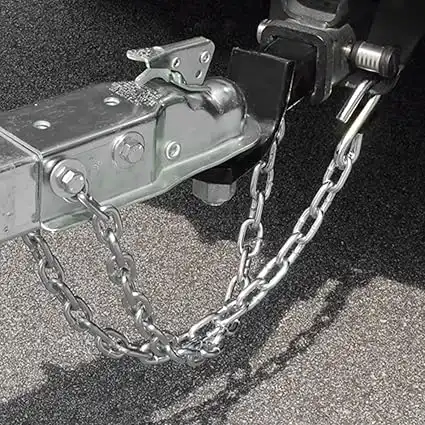
Understanding G80 Grade Trailer Safety Chains Standards
The highest level of contemporary towing safety technology is represented by G80 grade trailer safety chains, which are designed especially for professionals who cannot afford equipment failure. High-strength, heat-treated alloy steel that passes stringent testing to satisfy global safety regulations is used in the production of these chains. The "G80" label signifies that the chain has a tensile strength of 80 kilograms-force per square millimeter, which makes it much stronger than inferior substitutes. Because these trailer safety chains provide better working load limitations while keeping the same weight as subpar alternatives, professional towing operations depend on them. Precise heat treatment throughout the production process improves the steel's molecular structure and produces chains that are resistant to fatigue, stretching, and breaking in harsh environments. Beyond just numbers, G80 certification is significant because it signifies a dedication to safety that professional operators need. These trailer safety chains go through a rigorous quality testing process that includes dimensional accuracy checks, break strength verification, and proof load testing. To create G80 grade goods, manufacturing facilities must adhere to stringent quality control procedures, guaranteeing that every chain satisfies the high criteria necessary for heavy-duty applications. Independent testing labs check the chain's performance parameters as part of the certification process, giving consumers assurance about the dependability of their equipment.
Material Composition and Heat Treatment Process
G80 trailer safety chains' exceptional performance starts with carefully chosen alloy steel compositions that include metals like molybdenum, chromium, and nickel. Together, these alloying components improve the steel's toughness, strength, and resistance to corrosion and wear. Equally important is the heat treatment procedure, which optimizes the microstructure of the steel via carefully regulated cycles of heating and cooling. This procedure, called quenching and tempering, produces a fine-grained structure that optimizes strength and ductility—two qualities crucial for trailer safety chains that need to absorb shock loads while remaining flexible. Sophisticated furnace systems used by high-quality producers provide accurate temperature control throughout the heat treatment cycle. During manufacture, the chains go through many inspection phases, including as dimensions verification, hardness testing, and visual examination for surface flaws. The service life of these vital safety components is increased by surface treatments like electrophoresis coating, which provide further corrosion resistance. Every G80 trailer safety chain is guaranteed to meet or surpass the exacting standards of expert towing operations thanks to this thorough production process.
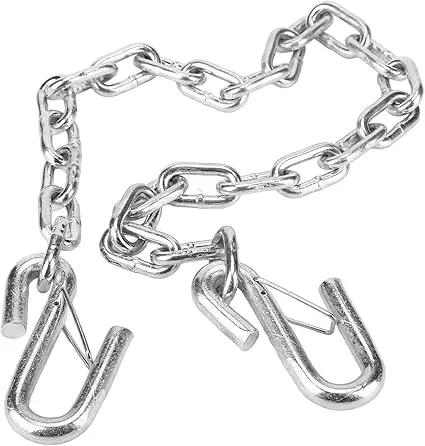
Heavy-Duty Towing Applications and Load Requirements
There are many different applications for professional towing operations, and each one has its own set of difficulties that call for dependable trailer safety chains. Chains that can withstand heavy loads and erratic stress patterns are necessary for emergency recovery operations, industrial facility relocations, transporting construction equipment, and carrying agricultural gear. Because G80 grade trailer safety chains have working load limitations that much above those of conventional chains—typically giving 25–50% more capacity than equivalent G70 products—they perform very well in these challenging conditions. When moving precious or large goods, skilled operators depend on the critical safety margins provided by this increased capacity. Static computations are unable to accurately estimate the complicated loading conditions created by the dynamic nature of towing. Different loads on trailer safety chains are caused by a variety of factors, including crosswinds, road imperfections, acceleration and deceleration forces, and trailer oscillation. Expert operators are aware that chains encounter dynamic forces that may magnify the real loads many times in addition to the static weight of the cargo. With design elements that uniformly distribute stress throughout the chain structure and withstand the fatigue that eventually kills weaker chains, G80 grade chains are especially designed to withstand these dynamic loading situations.
Calculating Proper Chain Specifications
A number of parameters, such as gross vehicle weight, load characteristics, and operating circumstances, must be carefully considered when determining the appropriate specifications for trailer safety chains. According to industry regulations, trailer safety chains must be able to hold at least half of the entire load and have a combined working load limit equal to the gross trailer weight. However, in order to give extra safety margins for unforeseen circumstances, expert operators often request chains with greater capacities. Dynamic load factors, which usually range from 1.5 to 2.0 times the static load depending on the particular application and operating circumstances, must be taken into consideration throughout the calculation process. When defining trailer safety chains, professional towing operations also take the attachment locations and connecting techniques into account. The weakest link in a chain, which often consists of hooks, shackles, and mounting gear, determines how strong the chain is. In order to retain the chain's full strength rating throughout the connection system, G80 grade systems usually include matching hardware components. In crucial circumstances when failure is not an option, this all-encompassing approach to component selection guarantees that trailer safety chains function as intended, offering dependable protection.
Professional Installation and Proper Chain Routing
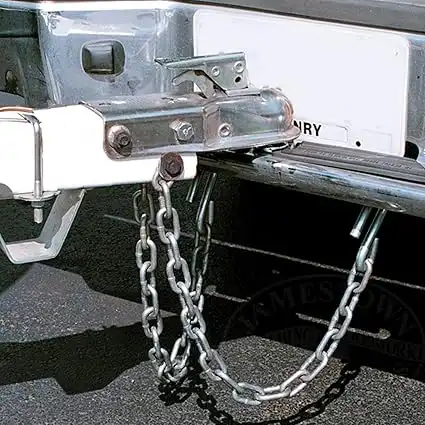
Choosing the appropriate grade and standard is just as important as installing trailer safety chains correctly. Understanding the proper routing design that maximizes efficacy while permitting typical vehicle movement is the first step in a professional installation. In order to create a safety cradle that would catch and sustain the trailer in the event that the main hitch connection fails, the chains must be routed in a crossing pattern under the trailer tongue. This crossing arrangement keeps the trailer from falling to the ground and preserves some steering control, both of which are essential for averting disastrous mishaps in situations involving hitch failures. Strength and placement of the connection points for trailer safety chains must be carefully considered. The whole rated load of the chains must be supported by the mounting sites, which usually calls for integrated mounting points or strengthened brackets on the trailer and towing vehicle. Expert installations steer clear of attaching to lightweight parts that can't withstand the stresses involved in emergency circumstances, such bumpers or ornamental trim pieces. In order to avoid excessive drooping that might result in ground contact and premature wear, the chains must be set to the correct length, allowing for enough slack for regular rotation.
Maintenance and Inspection Protocols
Maintaining trailer safety chains on a regular basis is crucial to their continuing effectiveness and dependability. Expert operators carry out methodical inspection procedures that look at all parts of the safety chain system, such as attachment points, mounting hardware, hooks, and links. Visual examinations should spot any wear, corrosion, distortion, or cracking that would jeopardize the integrity of the chain. Any chain that exhibits stretching or a loss in link diameter of more than 5% should be taken out of service right away and replaced. G80 trailer safety chains have a much longer service life when handled and stored properly. After usage, chains should be cleaned, especially if they come into contact with chemicals, road salt, or corrosive situations. Corrosion may be avoided by storing in dry circumstances, while kinking and early wear can be avoided by using the right coiling procedures. For their trailer safety chains, professional operators keep thorough service records that include use hours, inspection dates, and any occurrences that may have an impact on the chains' condition. This paperwork helps guarantee that safety margins are maintained throughout the equipment's service life and provide useful information for replacement scheduling.
Comparative Analysis: G80 vs. Other Chain Grades
When compared to other widely available chain grades, the G80 grade trailer safety chains' performance benefits become clear. Although G70 chains are suitable for many applications, their operating load limitations are usually 20–30% lower than those of comparable G80 items. In professional towing applications, when safety margins and maximum cargo capacity are crucial, this distinction becomes crucial. Compared to lower-grade alternatives, G80 chains perform better thanks to sophisticated metallurgy and production techniques that provide a more consistent and robust material structure. Professional operators understand that the greater initial cost of G80 trailer safety chains is mitigated by their improved performance and extended service life, despite the fact that economic concerns often affect chain selection selections. Smaller diameter G80 chains may often take the place of bigger lower-grade chains due to their increased strength features, reducing weight and improving handling qualities. Furthermore, G80 chains' exceptional fatigue resistance lowers the frequency of replacements, which lowers long-term running expenses while maintaining the strictest safety requirements.
Performance Testing and Certification Standards
G80 grade trailer safety chains are subject to strict testing criteria to confirm their performance qualities in controlled laboratory settings. These tests include dimensional accuracy verification to guarantee correct fit with standard hardware components, ultimate strength testing to confirm break strength, and proof load testing at 2.5 times the working load limit. Both static and dynamic loading scenarios that mimic the forces encountered during real towing operations are included in the testing methods, which imitate real-world loading situations. Regular audits of production sites and testing labs are carried out by certification authorities, who maintain stringent monitoring of the testing and manufacturing procedures for G80 grade items. This supervision guarantees that trailer safety chains with the G80 designation continuously fulfill the performance requirements that are claimed. Because certified goods have undergone extensive testing and quality control procedures that confirm their appropriateness for demanding applications, professional operators depend on this certification system to make well-informed judgments regarding their safety equipment.
Industry Standards and Regulatory Compliance
Professional towing companies have to abide by a number of regulations that set minimum specifications for trailer safety chains. Safety chains must typically have sufficient capacity to manage a split trailer and keep it from totally separating from the towing vehicle, however these rules vary by jurisdiction. In addition to offering extra safety margins that expert operators appreciate, the use of G80 grade trailer safety chains helps guarantee compliance with these regulations. Professional groups and industry associations have created best practice recommendations that often go above and beyond the bare minimum required by regulations. Higher-capacity safety equipment is advised in accordance with these rules, which acknowledge that professional towing operations encounter more demanding circumstances than average recreational users. These improved recommendations are in line with G80 grade trailer safety chains, which provide the performance standards required by professional operators to maintain their safety records and regulatory compliance status.
Documentation and Traceability Requirements
Documentation standards that demand thorough records of safety equipment specifications, inspection findings, and maintenance activities apply to many professional towing operations. G80 grade trailer safety chains are usually accompanied by extensive paperwork that includes test results, material certifications, and traceability details that enable users to confirm the chain's performance attributes and production history. In addition to providing useful information for insurance and liability protection, this paperwork is necessary for regulatory compliance. Each set of trailer safety chains' service history, including installation dates, inspection findings, and any accidents or unusual loading circumstances that can shorten the chains' remaining service life, is tracked by professional operators using record-keeping systems. In the case of regulatory inspections or insurance investigations, this methodical approach to documenting helps guarantee that safety margins are maintained and provide proof of appropriate maintenance procedures.
Conclusion
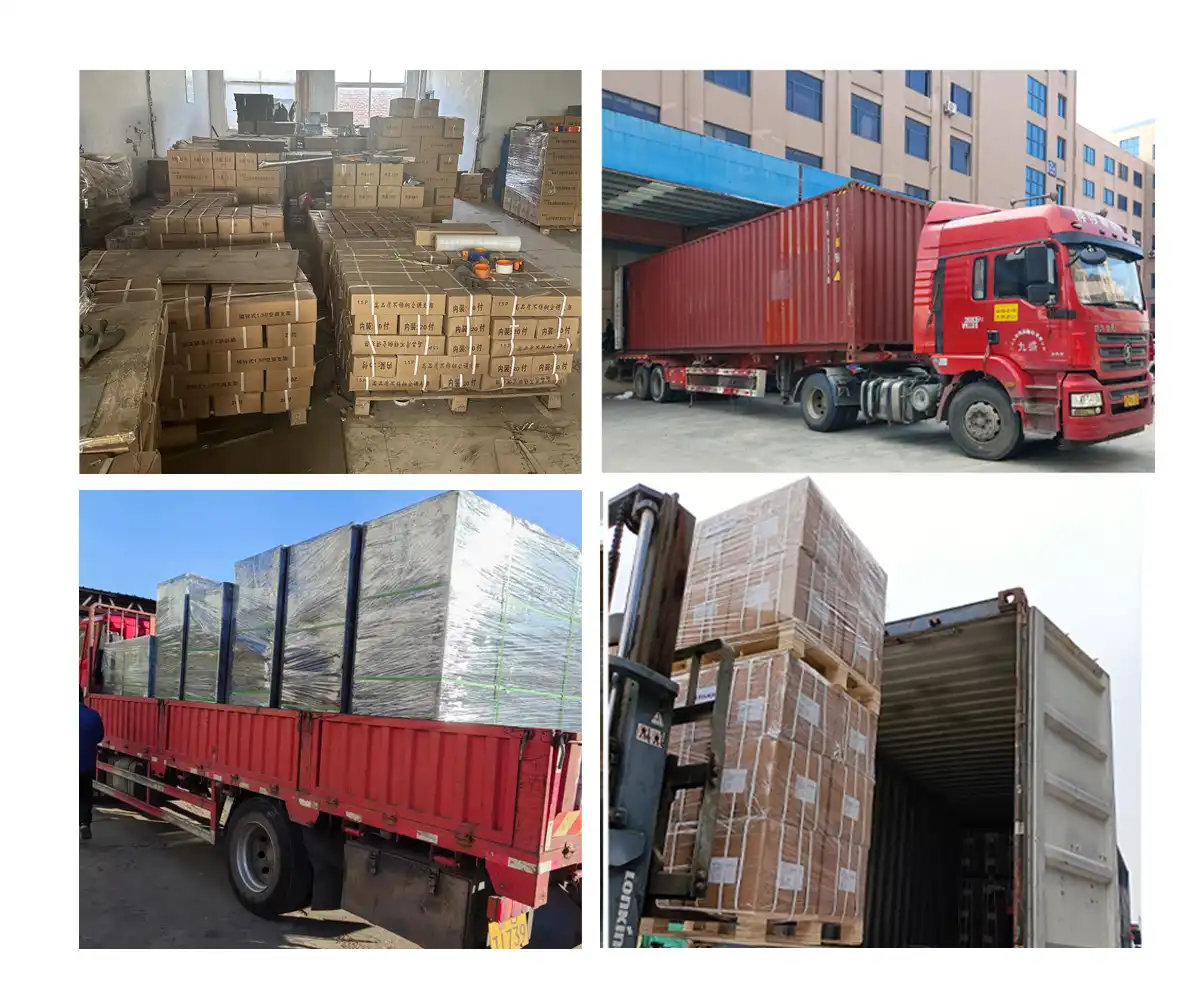
For professional towing operations, G80 grade trailer safety chains are the gold standard because of their unparalleled strength, dependability, and safety performance, all of which justify their high price. When delivering precious goods or operating in severe situations when failure is not an option, their greater working load limits, increased fatigue resistance, and full certification provide experienced operators the confidence they need.
Cooperate with Qingdao RUIRUI Machinary Co., LTD.
Ready to upgrade your towing operation with premium G80 trailer safety chains? Qingdao RUIRUI Machinary Co., LTD. stands as your premier China trailer safety chains manufacturer, offering comprehensive solutions for professional towing applications. Since 2016, our ISO-certified facility has specialized in producing high-quality trailer accessories, including industry-leading trailer safety chains that meet the most demanding professional requirements. Our advanced manufacturing capabilities include progressive stamping, heat treatment, and electrophoresis coating processes that ensure every product meets G80 grade standards.
As a leading China trailer safety chains supplier, we understand the critical importance of reliability in professional towing operations. Our fully automated production lines and rigorous quality control systems guarantee consistent performance across our entire product range. Whether you need standard configurations or custom trailer safety chains for specialized applications, our experienced engineering team provides comprehensive OEM support to meet your exact specifications. We're your trusted China trailer safety chains wholesale partner, offering competitive pricing without compromising on quality.
Our global reach extends to over 80 countries, making us a recognized China trailer safety chains factory with proven expertise in international markets. Professional operators worldwide rely on our high quality trailer safety chains for their most demanding applications. With trailer safety chains for sale through our streamlined distribution network and competitive trailer safety chains price points, we make premium safety equipment accessible to operations of all sizes. Contact us at info@qdkshd.com to discuss your specific requirements and discover why industry professionals choose RUIRUI for their critical safety equipment needs.
FAQ
Q: What is the difference between G80 and G70 grade trailer safety chains?
A: G80 chains offer 25-30% higher working load limits than G70 chains of the same size, with superior fatigue resistance and longer service life.
Q: How do I determine the correct chain size for my trailer?
A: Select chains with combined working load limit equal to your gross trailer weight, with each chain rated for at least 50% of the total load.
Q: What maintenance is required for G80 trailer safety chains?
A: Regular visual inspection, cleaning after use, proper storage, and immediate replacement if wear exceeds 5% link diameter reduction.
Q: Can G80 chains be repaired if damaged?
A: No, damaged safety chains should never be repaired. Any chain showing wear, deformation, or damage must be replaced immediately.
References
1. "Heavy-Duty Chain Design and Testing Standards for Transportation Applications" - American Society of Testing and Materials (ASTM)
2. "Grade 80 Alloy Steel Chain Manufacturing Specifications and Quality Control" - Society of Automotive Engineers (SAE)
3. "Trailer Safety Systems: Engineering Guidelines for Professional Towing Operations" - National Institute for Occupational Safety and Health (NIOSH)
4. "Heat Treatment Processes for High-Strength Steel Chains in Transportation Applications" - American Society for Metals (ASM International)

Send Inquiry
Related Industry Knowledge
- How to Use a Coupler Lock?
- Best 50mm Hitch Ball for Caravan and Trailer Towing
- Wholesale Heavy Duty Trailer Parts: Save on Bulk Orders
- How Do Forged Steel Mechanical Parts Ensure Safety in Automotive and Oil & Gas Systems?
- What are the typical applications of small sheet metal boxes?
- What materials are 1/4 Hitch Pin Locks made from?
- Can Wall-Mounted Device Rack Brackets Be Used for All Types of Devices?
- Do Trailer Hitch Tighteners Come in Different Styles?
- What materials are Trailer D Pins made from?
- What safety features do hydraulic bollards have?