
Trailer Tightener Explained: How It Improves Stability
A trailer tightener is an important piece of machinery that removes slack between hitch parts and holds cargo while it's being moved, which directly increases safety and stability. By using ratchet straps or special clamps to apply controlled stress, these tools keep loads from moving, cut down on wear caused by vibrations, and make sure that transportation rules are followed. Knowing how trailer tighteners work can greatly lower business risks and equipment damage, whether you're in charge of a fleet of commercial vehicles or building projects that need reliable cargo solutions.
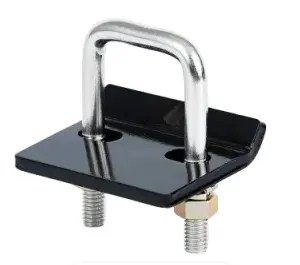
What Is a Trailer Tightener and How Does It Improve Stability
A trailer tightener represents a group of different locking devices that keep goods safe during transport. This phrase refers to a wide range of tools, from basic hitch stabilisers and ratchet straps to more complex ones that solve specific practical problems. These parts do their job by forming friction bands that stop any mechanical play that could weaken load security.
Core Types and Their Distinct Functions
The most useful type is the ratchet strap, which has a mechanical benefit system that lets users get high tension levels with little physical effort. A certain amount of weight can be supported by these straps' knitted polyester fabric, which is usually between 1,500 and 15,000 pounds. The ratcheting system gives you exact control over how much force is applied, so you don't have to worry about damaging sensitive cargo by either not securing it enough or too tightly.
Load bands are used for heavy-duty tasks where chain-based locking methods work best. These tools are often used in building and moving big machinery. They tighten chains around loads with levers or ratchets. Their metal structure is better able to handle rough environments and heavy loads than synthetic options.
Another problem with stability that hitch stabilisers try to fix is the tolerance gap that exists between receiver tubes and fitted mounts. This mechanical space, which is needed for assembly, makes the goods move around while they are being shipped. A good hitch stabiliser, or trailer tightener, uses U-bolt systems to clamp down on the link, turning the multiple parts into a single rigid structure. This stops the usual grinding and makes the fastening points less stressed.
How Stability Enhancement Actually Works
Managing three important forces is what load fastening is all about: vertical bounce from rough roads, lateral sway during turns, and longitudinal surge from speeding up and slowing down. When locking systems are properly tightened, they create static friction that fights these moving forces.
The whole system acts like a single mass unit when the load stays still on the trailer bed. This uniform movement stops dangerous things from happening, like cargo walking, which is when loads slowly move around, which can cause changes in the vehicle's centre of gravity and make it unstable. When the trailer has to stop quickly in an emergency, loaded objects that are protected stay in place instead of flying around inside or behind the trailer.
The choice of materials has a big effect on how well something works. It is better for stainless steel parts to not rust, so they stay strong in sea settings or places where road salt is used. Zinc-coated options offer good protection at lower costs and are good for uses that will be exposed to less harsh environments. Knowing these differences helps procurement teams balance the costs of the original purchase with the costs of repairs and upkeep over the product's lifetime.
How to Use Trailer Tighteners Correctly: A Practical Guide
To properly set up security systems, you need to pay attention to the methods and safety rules. When used wrongly, even high-quality equipment doesn't work right, which could lead to liability issues and damage to goods. A quality trailer tightener requires attention to methodology and safety protocols.
Preparation and Attachment Steps
Before you start locking anything, check all of the parts for damage that you can see. Check the binding for tears, cuts, or UV damage that shows up as fading or stiffness. Check metal parts for cracks, distortion, or too much rust. Replace any broken parts right away—never try to fix important safety equipment yourself.
Think about how the weight will be distributed and where the trailer's centre of gravity is before putting the goods on the bed. Lighter things should go on top and heavier ones should be placed low and in the middle. This design naturally keeps the car from tipping over and keeps its handling traits. Use corner guards to protect the edges of your goods so that sharp metal or wood edges don't damage your webbing.
Thread straps are wrapped around the load and through anchor points in a way that properly spreads the force of the pull. Crossing patterns are good for big loads that are likely to fall over, while parallel patterns are better for low-profile items. Make sure the webbing is flat and not twisted, as this can weaken it by up to 50% and speed up wear.
Tension Application and Verification
To use ratchet systems correctly, you need to know how to do them. Engage the ratchet while the binding is still loose, and then pump the handle until you feel resistance, which means the strap is tight. The goal is to get a tight strain that stops the goods from moving without crushing or deforming it. Over-tightening hurts goods and puts too much stress on machines, which could lead to early failure.
After the initial tensioning, try to move the load by hand to test it physically. When properly secured, goods should not move at all when pushed with enough force. After the first few miles, check the tightness of the trailer tightener again because the car often needs to be retightened because of settling and compression.
Safety Considerations and Maintenance Practices
Users should put on work gloves to keep their hands safe from metal points and the roughness of the webbing. Wearing safety glasses keeps you from getting hurt when a strap suddenly drops or when something flying around during tensioning operations. When applying high strain, move your body out of the way of possible recoil routes.
Maintenance keeps things working well and makes them last longer. After being exposed to chemicals, oils, or rough materials, clean the straps with light soap and water. Let them dry completely in the air before putting them away. When not in use, keep tools inside to avoid long-term UV exposure. As directed by the maker, grease the moving parts of ratchets and load bands. Pivots and pawl mechanisms usually need light machine oil.
Write down the times of machine inspections and replace parts that have reached their manufacturer-specified service limits or are showing signs of wear and tear. Keeping good records shows that you are doing your job and helps companies that move a lot of cargo develop a safety culture.
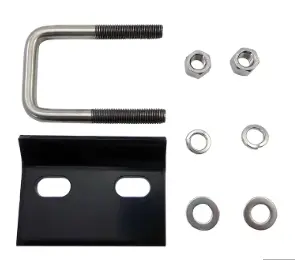
Comparing Trailer Tightener Options: Which One Fits Your Business Needs
To choose the right security tools, you need to look at the working situation, the type of load, and your budget. Understanding these differences between applications and solutions for each trailer tightener keeps you from making costly mistakes when matching equipment capabilities to real needs.
Ratchet Straps Versus Load Binders
Ratchet straps work great for situations where you need to make quick changes and secure moderate to big loads. Their synthetic build doesn't rust and doesn't need as much upkeep as metal ones. The ratcheting system lets you precisely control the tension, which is useful for binding loads of different sizes or fragile items that could be damaged by compression. Because of these things, ratchet straps are perfect for transportation companies that move different kinds of goods along regular routes.
In heavy building and industrial transport, where longevity is very important, load binders are the most common type of vehicle. Because they are made of metal, they can handle rough materials, high temperatures, and brutal weather that would damage synthetic bands. Chain-based systems are better at keeping things in place when they have sharp edges or rough surfaces because they are less likely to cut or wear down. In exchange, it has more weight, needs more upkeep, and can't be used with as much accuracy.
Manual Versus Powered Tensioning Systems
Most processes still use manual methods because they are reliable and don't need power sources or complicated mechanisms. The operators like the tactile input because it helps them figure out the right amount of tension. Manual equipment is good for small groups and situations where it will only be used occasionally because it costs less to buy and easier to maintain.
Concerns about efficiency in high-volume processes can be met by electric and pneumatic tensioning systems, including trailer tighteners. These powered solutions keep tension constant across multiple tie-down spots and keep operators from getting tired from doing the same chores over and over. Fleet managers say that switching to powered systems for operations that secure dozens of loads every day has made them 30 to 40 percent more efficient. When labour costs and throughput needs are high enough to support the higher equipment cost and more complicated upkeep, the investment makes sense.
Material Durability and Cost-Effectiveness Analysis
Instead of just looking at the purchase price, lifetime cost analysis helps with decision-making about what to buy. If you look at how often you have to change the hitch stabiliser and how much it costs to do upkeep, a stainless steel hitch stabiliser that costs 60% more than a zinc-coated one may end up being cheaper in the long run over five years.
When evaluating materials, think about how intense the working setting is. Economy-grade equipment works well for moderate-duty tasks that are only used occasionally, but daily-use business tasks need industrial-grade parts that are made to last longer between repairs. Standardised equipment specs often come with 15–25 percent discounts when you buy a lot of them. This makes fleet-wide standardisation financially smart and makes it easier to handle inventory and train operators.
Procuring Trailer Tighteners: A B2B Buying Guide
When you strategically source cargo-securing tools, you have to look at sellers in more ways than just price per unit. Structured methods that take into account the total value provided throughout the supplier relationship are helpful for people who work in procurement. Selecting the right trailer tightener provider requires evaluation beyond just the unit price.
Critical Supplier Evaluation Factors
A manufacturing capability review tells you if possible suppliers can handle custom orders or increase production to meet rising demand. Facilities with ISO 9001 approval and automatic production lines show that they have mastered process control, which leads to consistent product quality. Check to see if potential partners have quality paperwork systems that keep track of the factors of production and the results of inspections for each batch of goods.
When questions come up about choosing a product, how to use it, or how to fix a problem, the ease of access to technical help can slow down operations. Suppliers who offer technical advice during the specification phase help match the capabilities of the equipment to the real needs. This way, costly mistakes aren't found until after the equipment has been deployed. After-sales help should include specialised literature that is easy to find, an inventory of replacement parts, and quick ways to get in touch.
The terms of the warranty show that the maker believes the product will last and protect you financially if it breaks down too soon. For commercial-grade tools like a trailer tightener, standard guarantees last between 12 and 24 months. For certain uses, premium warranties can last up to five years. To set realistic goals, you should know what the guarantee doesn't cover when it comes to overuse, environmental exposure, or normal wear and tear.
Strategic Purchasing Approaches
When you commit to buying in bulk, you can get better prices and sometimes even unique manufacturing choices that smaller buyers can't get. With annual purchase deals and quarterly shipping schedules, you can plan your budget and get good terms at the same time. Suppliers often let buyers request unique packing, labelling, or even changes to the product, which brings in a lot of ongoing income.
Diversifying your relationships with suppliers lowers the risks in your supply chain without giving up the benefits of big discounts. A major provider that meets 70% of the needs and a qualified secondary source work together to protect against interruptions and keep the negotiating power. This method worked well when there was recent volatility in the global supply chain, which affected the transportation and industrial sectors.
Product bundling strategies group together similar items like straps, chains, hooks, and tools into kits that make keeping track of goods easier and make sure all the parts work together. Pre-configured kits cut down on the work that goes into buying things and help to standardise security processes across working teams that are spread out.
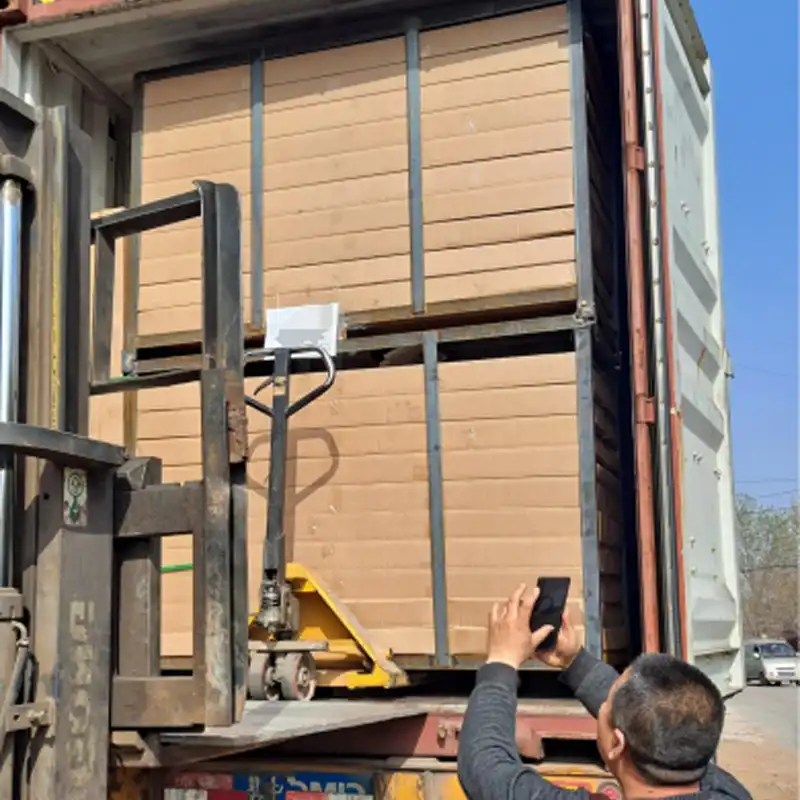
Real-World Case Studies: How Trailer Tighteners Improve Stability in Logistics
Real-life examples show how choosing and using the right security tools can lead to measurable operational gains in a wide range of industries. The implementation of a high-quality trailer tightener protocol directly impacts equipment transport reliability.
Heavy Equipment Transport Reliability Enhancement
A regional company that rented out building tools kept getting damage claims from accidents that happened during transport. Analysis showed that poor locking methods let the equipment move during transport, which damaged the hydraulic lines and caused cosmetic problems that made the equipment less valuable when it came time to sell.
The company set up a standard way to secure things by using heavy-duty ratchet straps that were rated for the weight classes of the items being moved. The people who drive excavators, loaders, and other similar machines were taught the right way to connect things and tighten them up. Needs for documentation made sure that people were responsible for following security measures.
The results came out in the first quarter. Transport-related damage claims dropped by 73%, and equipment became more available because fewer units needed to be fixed before they could be rented out, thanks to the trailer tightener. The money spent on good security tools and training paid off eight months later when insurance claims went down and assets were used more efficiently.
Fleet Operations Efficiency Through Standardization
A transportation company that was in charge of 45 trucks carrying different kinds of goods was not working efficiently because drivers were not always using the same safety procedures. Instead of planning ahead, buying equipment was done on the spur of the moment, which is why there are 17 different types of straps in stock. This wide range made training harder, raised the cost of supplies, and caused misunderstanding when replacing equipment.
The operations team did a full audit of all the different types of goods, weight ranges, and security needs for everyday loads. Based on this study, three basic strap specs were found to meet 94% of all securing needs. Procurement worked out a bulk deal with a qualified source for these standard items, which cut costs by 22% compared to buying them on an as-needed basis before.
Schedules for replacing equipment and training for drivers on standard methods were part of implementation. Within six months, the average amount of time needed to secure a load went down by 18 minutes, which saved a lot of work each year. The number of cases of cargo damage dropped by 41%, and drivers were happier because procedures were made easier and equipment was more reliable.
Conclusion
A trailer tightener represents essential safety gear that has a direct effect on how well operations run, how safe the product is, and how much risk an employer has in a wide range of industrial settings. When buying teams know about the technical principles behind load securing, the performance characteristics of materials, and the right way to use them, they can make decisions that meet the needs of the operation. Instead of just looking at the original buy price, the strategic selection process looks at things like the type of equipment, how long the materials will last, the skills of the supplier, and the total cost over their whole time. Putting good security tools and training into practice in the real world shows that the money spent pays off in the end by reducing damage, increasing speed, and improving safety.
FAQ
1. What tension specifications should I use when securing different cargo types?
The amount of tension needed depends on the weight, fragility, and shape of the goods. As a general rule, you should apply enough force to stop any noticeable movement when checked by hand. For friction-based securing, this is usually done at 10-15% of the package weight. Things that are easily broken may need less tension and more padding, and loads that aren't a normal shape do better when they are crossed in patterns that spread the force over many places. Check the working load limits of your equipment before using it, and never go over the rated capabilities, which should be at least three times the force being used.
2. How frequently should securing equipment undergo inspection and replacement?
Before each use, look over the item to see if there are any clear signs of damage, such as cuts, fraying, warping, or rust. Equipment that is used a lot should have thorough checks every three months, and the results should be written down in repair records. If you see UV damage, lasting extension of more than 5%, or cuts deeper than 10% of the webbing width, you should replace the synthetic straps. When metal parts get cracks, deformation, or rust that affects more than the surface finish, they need to be replaced.
3. Can I mix different manufacturers' components in securing systems?
When you mix parts from different sources, you need to pay close attention to the matching requirements. Make sure that the working loads of the hooks, straps, and tools are all the same, and that they all use the same connection standards. When pieces of tools don't match, weak spots can form where the weakest part decides how strong the whole system is. Standardising on single-source systems makes this worry less of a problem and makes sure that all of the parts go through the same testing and quality standards. When mixing is necessary, make sure that all of the details for each part are written down carefully and that they are compatible through the supplier's technical support channels.
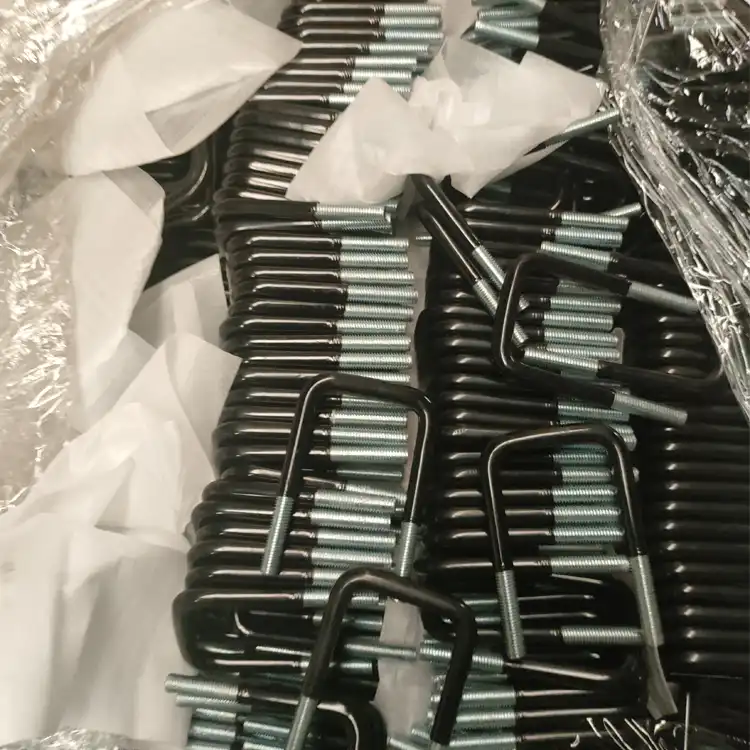
Partner with RUIRUI for Premium Trailer Securing Solutions
Building a reliable supply chain for cargo securing equipment demands partnerships with manufacturers offering both quality products and comprehensive support. RUIRUI specializes in precision sheet metal fabrication and trailer tightener manufacturing, delivering custom solutions engineered for demanding industrial applications. Our capabilities span stamping, laser cutting, CNC machining, and advanced surface treatments including powder coating, galvanizing, and electrophoresis—processes that ensure corrosion resistance and extended service life even in harsh operating environments.
As an established manufacturer, we know the technical requirements driving procurement decisions for logistics, construction, and industrial operations. Our ISO-certified quality systems and fully automated production lines enable consistent output meeting international standards while maintaining competitive factory-direct pricing. Whether you require standard securing components or custom-engineered solutions matching specific project parameters, our technical team provides engineering support from concept through production.
We invite procurement managers and engineering teams to explore partnership opportunities. Contact our specialists at kshdhardware@qdkshd.com to discuss your securing equipment requirements, request technical specifications, or arrange sample evaluation. Visit sheetmetalprocessingplant.com for detailed information about our manufacturing capabilities and product portfolios.
References
1. Transportation Research Board. (2018). Cargo Securement Handbook for Commercial Drivers. National Academy of Sciences, Washington, DC.
2. Smith, J. & Martinez, R. (2020). Heavy-Duty Vehicle Load Distribution and Restraint Systems: Engineering Principles and Practical Applications. SAE International Press.
3. Federal Motor Carrier Safety Administration. (2021). North American Cargo Securement Standard: Compliance and Best Practices Guide. U.S. Department of Transportation.
4. Anderson, K. (2019). "Material Selection for Transportation Equipment: Durability Analysis of Steel Alloys in Corrosive Environments." Journal of Industrial Materials Engineering, 34(2), 145-162.
5. International Organization for Standardization. (2022). ISO 12195-1:2022 Load Restraint Assemblies on Road Vehicles - Safety - Part 1: Calculation of Lashing Forces. Geneva, Switzerland.
6. Williams, P. & Chen, L. (2021). Fleet Safety Management: Equipment Standards and Training Protocols for Commercial Transportation. Logistics Publishing Group, Atlanta, GA.

Send Inquiry
You may like