
Trailer Tightener vs Anti-Sway Bar Comparison
When evaluating cargo securement and towing stability, procurement managers often encounter a critical decision: choosing between a trailer tightener and an anti-sway bar. These devices serve fundamentally different purposes in the transportation ecosystem. A trailer tightener functions as a mechanical constraint device that eliminates the tolerance gap between towing components, securing cargo through static friction and preventing rattling during transit. Anti-sway bars, conversely, are suspension-based stabilization systems that control the lateral movement of trailers by distributing weight and reducing pendulum-like oscillations during highway travel. Understanding the operational distinctions between these two mechanisms enables informed equipment selection aligned with specific load management requirements and towing conditions.
Understanding the Basics: Trailer Tighteners and Anti-Sway Bars
To effectively handle cargo, it is important to be clear about what each gadget does. These tools solve different problems in the towing and transportation workflows, so it's important for procurement pros to know how to find them.
What Defines a Trailer Tightener
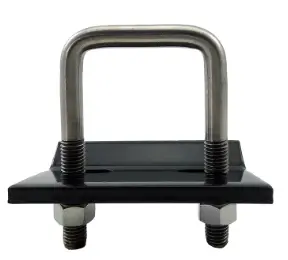
A trailer tightener is a type of load-securing gear that is used to make links in towing systems that are rigid. The most common type is the hitch stabilisation clamp, which uses a U-bolt system and a locking plate to close the 1/16 to 1/8-inch gap that forms between a vehicle's hitch receiver and the tow mount that is inserted. This tolerance is there to make entry easier, but it causes vibrations and metal-on-metal touch that aren't wanted when the machine is running. The device turns a multi-piece system into a single structural unit by adding a lot of clamping force, usually 35 to 45 ft-lbs of pressure. The stress strength is provided by materials like A36 carbon steel or 304 stainless steel. Powder treatment and electro-galvanization protect against the corrosive conditions of the road. Another type is ratchet-style trailer tightener with cam buckle mechanisms. These are usually made of galvanised steel or stainless steel, and they use webbing straps with weight limits to attach loads directly to trailer seats.
How Anti-Sway Bars Function
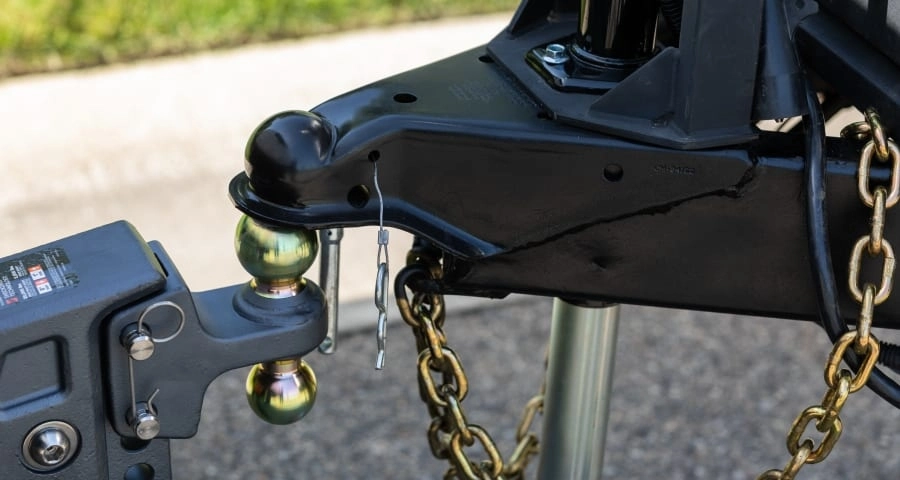
Anti-sway bars work in a completely different way mechanically. These suspension parts, which are also known as sway control bars or weight distribution hitches, are attached between the car pulling the trailer and the tongue of the trailer to stop side forces, using a trailer tightener. When a trailer starts to sway because of crosswinds, moving cars, or uneven road surfaces, the anti-sway bar stops it by creating friction resistance. The device basically limits the angle at which the trailer can turn in relation to the tow vehicle. This stops vibrations from getting worse and causing dangerous fishtailing. Weight distribution types have spring bars that move the tongue's weight to the front axle of the tow car. This makes it easier to turn and stop. The design of these systems is based on certain gross trailer weight ratings. The friction settings can be changed to suit different loads and drive situations.
Core Functional Differences
The operational difference is based on the attention on fixing problems. trailer tightener make sure that the static link is strong, which stops rattling, keeps receiver tubes from wearing out, and keeps goods from moving up and down or side to side. They focus on the point where two parts meet, using friction to hold things together. Specifically, anti-sway bars deal with the physics of trailer instability at highway speeds and handle dynamic motion control while in transit. They get involved in cycles that happen in real time and provide corrective pushback against outside forces. When a procurement manager looks at these devices, they need to know that one locks down the link point and the other controls how the trailer moves. A lot of professional tow companies use both technologies at the same time because they solve different problems in different ways.
Key Performance and Safety Comparison
Performance measures and safety results are very different between these types of devices, which affects how well they work in different situations.
Load Securement Effectiveness of Trailer Tighteners
The main way to tell how well trailer tightener work is by how well they keep the link straight even when the load is changing. A vibration frequency analysis test shows that good hitch stabilisers stop up to 95% of receiver shaking. This drop is directly linked to less metal fatigue in receiver pin holes and longer towed mount service lives. Different designs have different weight limits. For example, ratchet strap trailer tightener usually have a working load limit of 1,500 lbs for light-duty uses and 10,000 lbs for heavy industrial use. To use the device correctly, you need to match its rated capacity to the weight of the secured goods with the right safety factor. For steady loads, this is usually 3:1, and for dynamic situations, it's usually 5:1. To ensure proper installation, fasteners should be torqued to the manufacturer's specs, locking mechanisms should be checked before each trip, and the clamping surface should be kept free of any dirt or corrosion that could weaken friction bonding.
Towing Stability Benefits of Anti-Sway Bars
Trailer tracking accuracy gets better with anti-sway bars, which shows how useful they are. When tested in the field, weight distribution systems that are set up correctly cut down on trailer sway by 60–80% compared to systems that only use ball mounts. This is especially important when pulling loads that are getting close to the vehicle's highest rated capacity or when bad weather is present, like when the wind is gusting over 25 mph. The improvement in safety shows up as fewer handling changes from the driver, fewer times the brakes are applied during sway events, and a lower rate of accidents during emergency manoeuvres. However, how well it works depends on how the trailer tightener is installed and adjusted. For example, if the spring bar tightness or friction pad settings are wrong, the driving characteristics can get worse. To keep working at its best for as long as it's supposed to, the device's friction surfaces, spring bar connection points, and chain tensioning systems need to be checked on a regular basis.
Maintenance Demands and Safety Considerations
Both types of devices need different ways to be maintained. trailer tightener need to be checked for torque on a regular basis, especially after the first 50 miles of use, when they settle down for the first time. Check the U-bolt threads and locking nuts for rust or stripping. If thread contact drops below 80%, it's best to replace them. Ratchet systems need to have their pawl parts oiled and their strap webbing checked for damage from UV light or wear and tear. Anti-sway bars are harder to service because they need more work. Friction pads wear down slowly and need to be replaced when their thickness drops below what the maker considers acceptable, which is usually every 15,000 to 20,000 miles of pulling. Check for stress cracks in spring bars near where they connect, and grease pivot ball sockets regularly to keep them from locking. Most safety problems with trailer tightener happen when the torque is too low, letting vibrations cause the nuts to come loose. Most problems with anti-sway bars happen when the friction adjusters are too tight, which can make the trailer behave strangely.
Practical Application Scenarios and Use Cases
When technologies are used in the real world, they show where they work best in different operating settings.
Short-Distance Heavy Cargo Transport
Flatbed trailers and utility trailers are often used by building companies and factories to move heavy equipment, steel loads, and other bulky materials from one nearby spot to another. In these situations, trailer tightener are the best way to keep the load in place without having to deal with the complexity of full sway control systems. Usually, it's used to secure machine parts, building materials, or metal parts that have been fabricated for trips of five to fifty miles on roads that are both urban and country. Instead of controlling high-speed aerodynamic forces, the main goal is to keep the load from moving during acceleration, stopping, and turns. trailer tightener that work like ratchets and have 3-inch wire and 5,000-pound weight limits can hold tools securely to trailer D-rings or stake pockets. Multiple trailer tightener placed at key cargo points form a safe load distribution pattern that stops the load from moving, even during emergency stops.
Long-Distance Highway Towing Stability
When they do statewide or cross-country hauls, regional distribution companies, RV hire businesses, and boat transport services all face different problems. Between 55 and 75 mph on the highway, passing semi-trucks create rapid bursts of wind that are stronger than 40 mph equivalent force. This puts a lot of stress on trailers. In these situations, a trailer tightener and anti-sway bars are very important for safety. A shipping company that moves covered cargo trailers saw a 73% drop in accidents caused by sway after adding weight distribution hitches with dual-cam sway control to its fleet. The method worked especially well when going through mountain passes, where crosswinds and changes in elevation can make trucks less stable. Drivers said they were much less tired on eight-hour haul days because the tow vehicle needed little turning adjustments to stay in its lane.
Combined Equipment Strategies
The smartest tow companies know that deploying tools in layers is the safest way to do things. Both technologies are used regularly by a heavy equipment hire business that specialises in scissor lift and aerial platform delivery. Weight distribution systems with built-in sway control handle the heavy tongue weights and high centres of gravity that come with equipment trailers. Hitch stabilisers stop receiver play that would otherwise wear out expensive tow vehicles' metal. When one of the tyres on a heavy trailer suddenly blew out at highway speed, this two-pronged method proved to be useful. The anti-sway system stopped the initial loss of stability, and the rigid hitch link kept the steering reaction stable. This let the driver safely steer the car to a stop on the side of the road. The company's insurance data showed that towing-related claims went down by 40% after the combined equipment rule was put in place for all 120 vehicles in its fleet.
Market Insights and Procurement Considerations
When making strategic sourcing choices, it helps to know about competitive product landscapes, cost structures, and supplier evaluation factors that are useful for business-to-business purchases.
Comparative Brand Analysis in Trailer Tighteners
There are a number of well-known companies in the North American market that give a range of products with different specs. Keeper has heavy-duty types with 304 stainless steel construction and 0.5-inch diameter U-bolts that are rated for Class IV and V hitches. The corrosion resistance was proven through 750 hours of salt spray tests. Rhino USA is different because their binding plate has special anti-vibration rubber isolators built in. These stop high-frequency noise from getting into the car frame. Ancra makes designs for business fleets that are stronger and use welded construction instead of fastened parts. This makes them last longer in high-cycle situations where trailer tightener are installed and removed every day. Master Lock puts a lot of emphasis on security features. Their products have keyed locking systems that keep expensive bike racks and cargo cases from being stolen while also stabilising the hitch. Instead of depending only on marketing claims, procurement workers looking at these choices should ask for third-party test certifications showing real tensile strength, corrosion resistance timelines, and vibration dampening performance.
Cost-Benefit Analysis for B2B Buyers
When evaluating an investment, it's important to look at the total cost of ownership, not just the unit purchase price. trailer tightener don't cost a lot of money. Commercial-grade hitch stabilisers cost $25 to $65 each, and ratchet strap systems cost $15 to $40, based on the length of the strap and the maximum amount they can hold. Anti-sway systems cost more up front. Light-duty weight distribution hitches cost between $200 and $600, and heavy-duty industrial models that can handle 14,000-pound or more gross trailer weights cost between $500 and $1,200. The economic analysis changes, though, when risk reduction is taken into account. A single accident caused by sway can cost more than $50,000 if it damages goods, needs to be fixed, or leads to an insurance claim. When fleet managers buy in bulk, they can usually get discounts of 15 to 25 percent on orders of more than 50 units. Standardisation also has benefits like making driver training easier and reducing the need for extra parts inventory. When figuring out the financial case for upgrading equipment, the return on investment estimate should include lower insurance rates, longer tow vehicle service life, and fewer claims for cargo damage.
Supplier Evaluation and Procurement Strategy
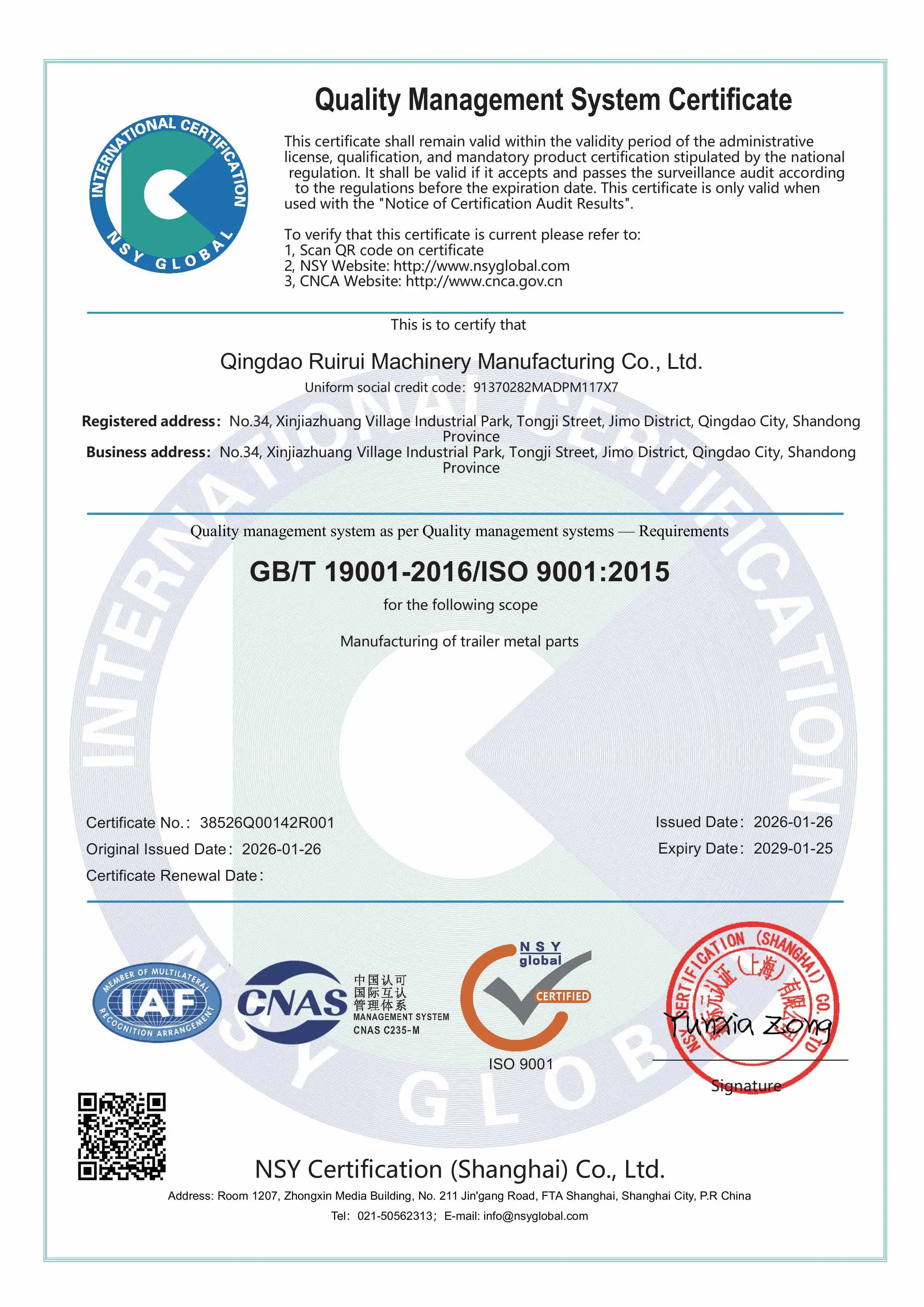
To find trusted manufacturing partners, you need to look at more than just the price of the goods. Quality certifications like ISO 9001 compliance show that processes are controlled in a planned way, and ISO 14001 certification shows that environmental management is committed, which is important for policies that focus on sustainable buying. When buying for big fleets or when seasonal demand goes up, production capacity is very important. Suppliers with dedicated production lines and yearly output over 100,000 units offer supply chain security that smaller fabricators can't match. The engineering help that top providers offer sets them apart, especially when it comes to meeting unique needs like changing the receiver's dimensions, needing a special coating, or integrating with custom trailer designs. For just-in-time inventory plans, lead time promises are very important. Top providers offer 15–30 day production processes for custom orders and keep standard configurations in stock so that they can be shipped within 72 hours. Total landed cost is affected by the spread of the distribution network. Suppliers with established warehouses in key areas are more cost-effective, even if their FOB prices are higher.
Conclusion
The main thing that determines which trailer tightener or anti-sway bars to use is what transportation problem needs to be solved. trailer tightener are great at locking down connection points, stopping vibrations, and keeping goods from moving because they use mechanical pressing force. Anti-sway bars help with dynamic stability on highways by stopping the car from oscillating laterally in ways that could make it unsafe to drive. Both technologies are often used together in complex ways because they pose different technical challenges, such as keeping connections safe and controlling motion. To find the best tools to buy, procurement professionals have to look at their unique operational profile, which includes the types of cargo, journey distances, speed conditions, and fleet makeup. There are many good products in both categories on the market. When choosing a provider, people look at quality standards, production capacity, technical support, and the total cost of ownership, not just the price per unit.
FAQs
1. Can an anti-sway bar replace the need for a trailer tightener?
These parts of the pulling system do different jobs that don't cross. An anti-sway bar stops the trailer from moving side to side while it's being moved, but it doesn't lock the hitch receiver link or stop rattling that can happen because of tolerance gaps. A trailer tightener keeps the receiver interface stable, but it doesn't stop the trailer from swaying due to atmospheric or inertial forces. Professional tow jobs usually need both. The sway bar controls dynamic stability, while the tightener keeps the link strong. If you try to switch one for the other, you leave important safety gaps in the way the equipment is set up.
2. How often should I inspect and maintain my trailer tighteners?
Best practices in the industry say that before every move, the vehicle should be visually checked for loose bolts, rust, or damage to the clamping surfaces. Verification of torque should happen after the first 50 miles of installation and then every 3,000 miles or every three months for daily use. To keep the pawls from locking, ratchet devices need to be oiled with dry silicone spray every six months. When UV damage, tearing, or cuts that are more than 10% of the width show up on webbing straps on trailer tightener, they need to be thrown away. Units that are exposed to salt should be washed and checked every three months for rust that has gotten through the protective coats. Regular repair greatly increases the service life and stops problems from happening in the field.
3. What load capacity should I specify when ordering trailer tighteners for heavy equipment transport?
The safety factor principle tells us that the working load limit should be at least three times the real weight of the goods for static loads and five times for dynamic situations like shock loading or vibration. Transporting heavy machinery usually involves a lot of dynamic forces when loading and removing and when the road isn't smooth. trailer tightener with a working load limit of 15,000 to 25,000 pounds should be used on a backhoe extension that weighs 5,000 pounds. Always make sure that the anchor points, straps, and tightening tools all share the same capacity values for the whole system. When parts don't work together properly, they can fail, and the weakest part decides how much the system can handle, no matter what the other parts' specs say.
Partner with RUIRUI for Premium Trailer Tightener Manufacturing
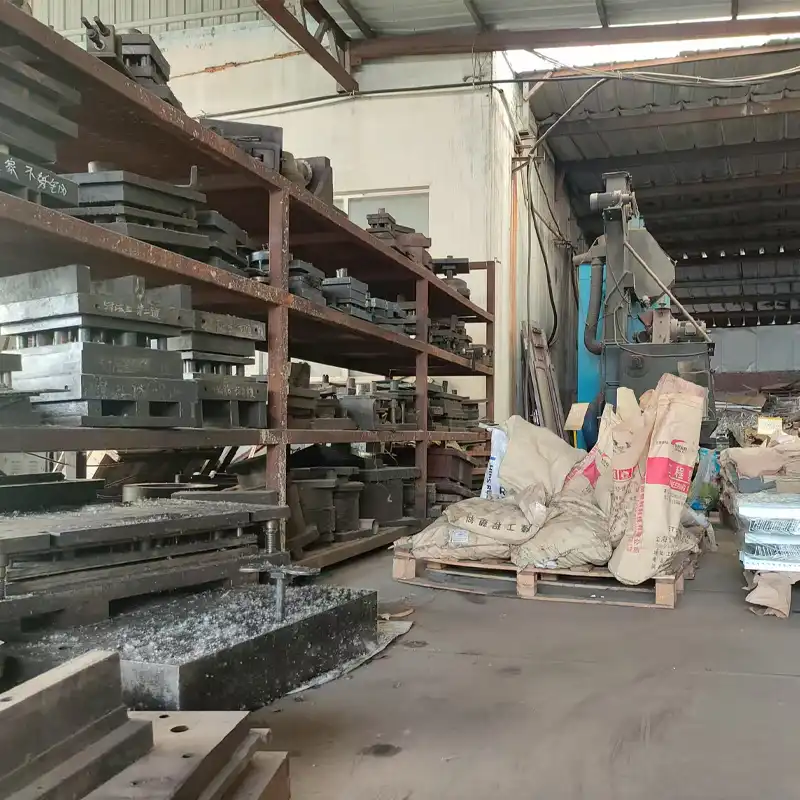
Partnering with makers who have shown they can do great engineering and production is the only way to get solid, high-performance trailer parts. RUIRUI Machinery makes trailer tightener and binding systems that are very precise and are designed for tough business uses. Our advanced production plant uses progressive stamping, CNC machining, and laser cutting to make trailer tightener that meet strict quality standards. We follow the rules set by ISO 9001, ISO 14001, and OHSAS 18001, which means that the quality of our work stays the same even when we make more than 130,000 units a year. Our metalworking skills include working with stainless steel, carbon steel, and special alloys. We can treat the outside of the metal in a variety of ways, such as powder coating, electrophoresis, and corrosion-resistant plating, which has been proven by long-term salt spray testing. Our R&D team works with procurement professionals to come up with the best specs, whether you need standard hitch stabilisers or custom-engineered solutions for keeping your goods safe. As a well-known company that sells trailer tightener to distributors in North America, Europe, and the Middle East, we know how important it is to have consistent shipping times and expert paperwork to back up your quality control procedures. Email our engineering team at kshdhardware@qdkshd.com to talk about your unique needs and get full product specifications that are made to fit the needs of your fleet.
References
1. Anderson, M.J. (2021). Mechanical Fastening Systems for Commercial Transportation Equipment. Society of Automotive Engineers Technical Paper Series.
2. Brooks, T.R. & Henderson, K.L. (2020). Load Securement Engineering: Principles and Applications for Heavy Equipment Transport. Transportation Research Institute, University of Michigan.
3. Carter, D.P. (2019). Trailer Dynamics and Stability Control Systems: A Comprehensive Analysis. SAE International Journal of Commercial Vehicles, 12(3), 245-267.
4. Industrial Fasteners Institute. (2022). Standards and Specifications for Trailer Coupling Hardware. Cleveland, OH: IFI Technical Standards Division.
5. Martinez, R.S. & Zhou, L. (2020). Corrosion Resistance Testing Protocols for Automotive Exterior Hardware. ASTM International Materials Performance Standards, Vol. 14.
6. National Highway Traffic Safety Administration. (2021). Trailer Towing Safety Guidelines and Equipment Recommendations for Commercial Fleet Operations. U.S. Department of Transportation Report DOT-HS-812-956.

Send Inquiry
You may like