
Trailer Tongue vs. Trailer Coupler: What's the Difference?
It's important to know the difference between a trailer tongue and a trailer coupler when choosing tow systems for city parks or business fleets. The part of the trailer that sticks out from the frame is called the tongue. It supports and spreads the weight. On the other hand, the trailer coupler is what physically locks onto the tow vehicle's hitch ball. Even though each of these parts does something different, they all work together to make a safe tow connection. Picking high-quality tongues and couplers that work well together makes operations safer, cuts down on maintenance costs, and meets the rules that the transportation and construction industries need to follow.
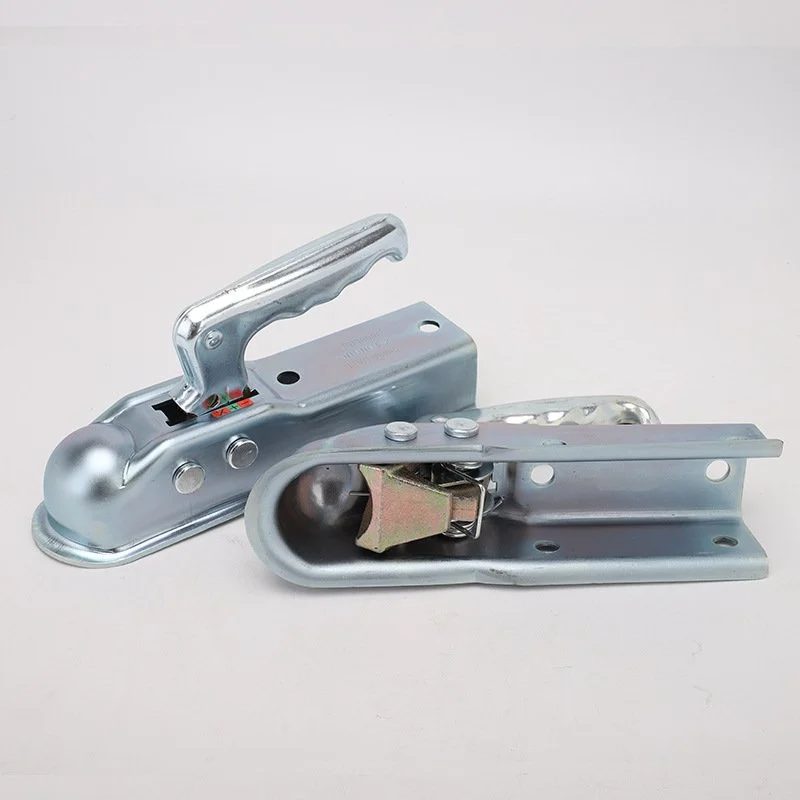
Understanding the Basics: What Are Trailer Tongue and Trailer Coupler?
The Trailer Tongue: Structural Foundation of Towing
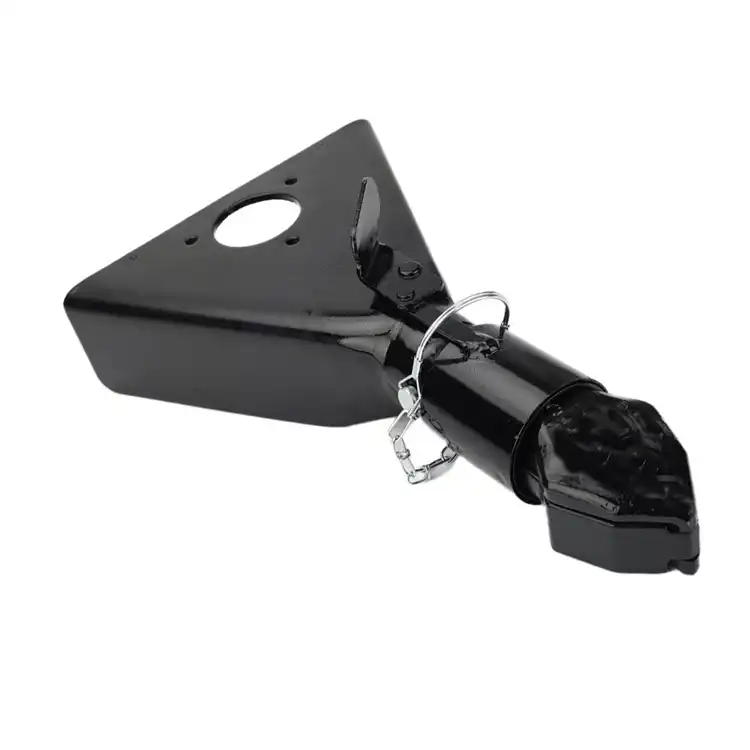
The tongue is the metal arm that sticks out from the front of the trailer frame. It tells the hitch system on the tow vehicle how heavy the trailer is and how hard it is pulling. Depending on the task, tongues can be set up in various ways. Straight tongues are simple and easy to build, so they are common on utility and cargo trailers. The A-frame tongues, which have two arms that come together, spread the weight out better and make the structure stronger. This makes them better for boat trailers and trailers that carry heavy equipment.
Different tongue lengths change how the tow's weight is spread out and how stable it is. Longer tongues make it easier to steer and lessen swaying on the highway. Shorter tongues, on the other hand, make it easier to turn in cities or warehouses with limited space. Most of the time, people choose mild steel, galvanized steel, or aluminum alloys as their material. There are pros and cons to each one when it comes to price, weight, and damage from corrosion.
The Trailer Coupler: Precision Connection Mechanism
What's on the end of the trailer tongue that connects to the tow vehicle's hitch ball? That's what the trailer coupler is called. There are locking mechanisms in couplers that keep the ball in the socket and keep it from coming loose while the coupler is being moved. Couplers come in a few different types. The standard ball coupler has a latch or clamp that tightens around the ball. The channel-mount coupler, on the other hand, bolts directly to rectangular tongue tubing.
Both the coupler and the hitch ball need to be the same size. Most people choose between 1-7/8 inches, 2 inches, and 2-5/16 inches. The 2-inch ball coupler is often used in business and industry, and it can hold up to 12,000 pounds of gross trailer weight. When the coupler is the right size, it fits completely on the ball. This keeps the locking mechanism strong even when the loads change.
Complementary Roles in Towing Systems
Even though the tongue and coupler are made of different parts, they need to work together as one unit. The coupler moves the joint, and the tongue mechanically holds it together. You can tell how stable, safe, and how much weight the tow can hold by how well these parts work together. If the parts don't match, they might break more easily, wear out faster, or make the towing unsafe, which could put people and goods at risk.
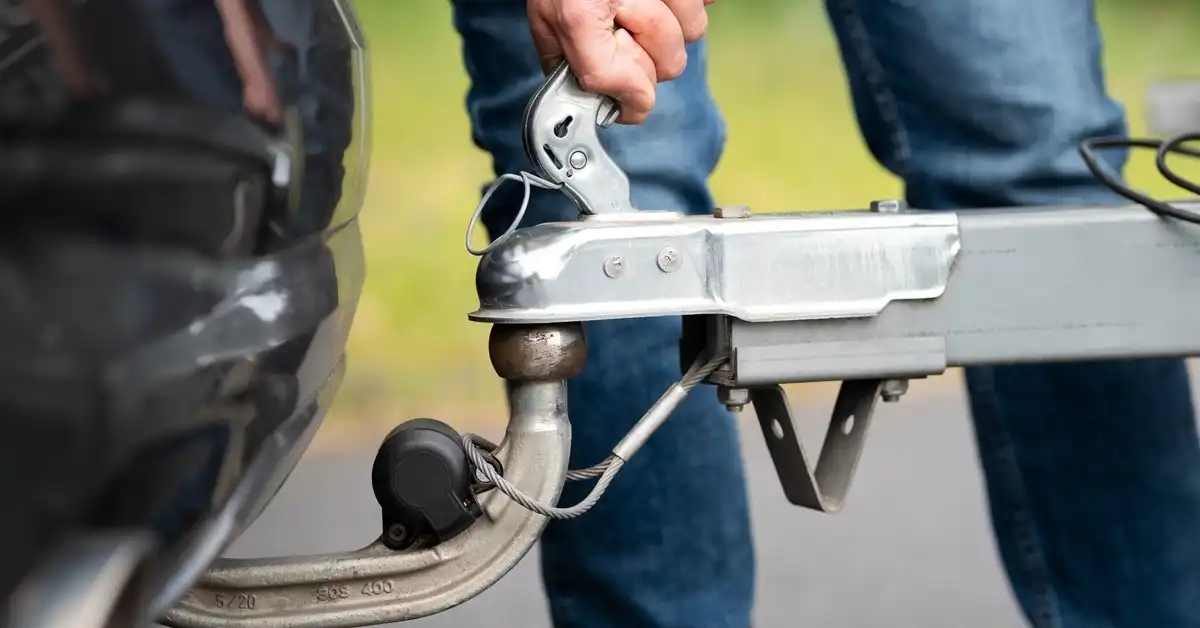
Key Differences Between Trailer Tongue and Trailer Coupler
Structural Design and Load-Bearing Function
It's built into trailer coupler tongues to handle the twisting and bending forces that happen when you speed up or slow down or turn. That's how they spread the weight: from the trailer frame to the hitch point. The loads that will be put on the tongue determine the wall thickness and cross-sectional geometry. Tongues are usually made from steel tubing or channel frames. On the other hand, trailer couplers are precisely machined parts that are designed to handle tensile and compressive forces that are focused at the ball interface. They have latches, locking pins, and sometimes hydraulic or spring-loaded parts that keep the attachment in place. There is a lot of engineering that goes into making sure the latch stays in place when the vertical load changes, there is vibration, and there is shock.
Material Selection and Durability Considerations
Tongues are often made of hot-rolled or cold-rolled steel, which is strong and easy to weld. When metal is outside or in the water, galvanized coatings or powder coatings keep it from rusting. Aluminum tongues are being used in lighter trailers more and more because they lower the trailer's tare weight without affecting how well it holds up. Things that go into couplers need to be strong and not break down easily. Body made of forged steel or cast iron lasts a long time. Body made of stainless steel doesn't rust or react with chemicals in harsh setting. Anodizing, zinc plating, and black oxide are all surface treatments that make things last longer and need less upkeep.
Maintenance and Inspection Requirements
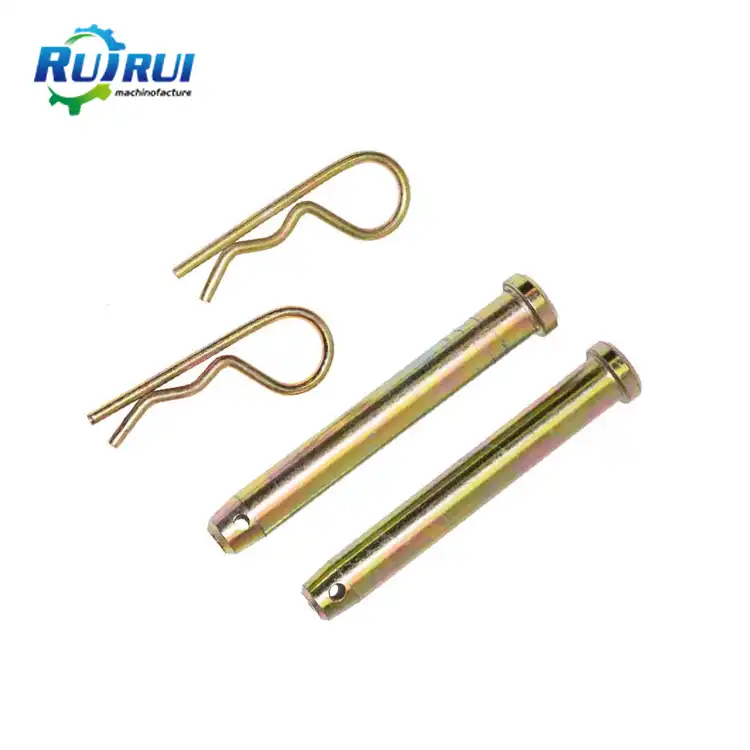
Every so often, tongues should be checked for cracks, corrosion, and weak welds. In the area where the frame attaches to the coupler and mounts, this is especially important because stress builds up there. You can find fatigue cracks before they become dangerous by looking at them visually and then testing them with dye penetrant or magnetic particles. Couplers need more care since they have more parts that can move. The latch assemblies, locking pins, and coupler pin mechanisms should be worn down and in the right place. They should also be oiled. It's important to have a trailer coupler pin because it locks the coupler latch mechanism so that it doesn't come loose by accident when the latch bounces or vibrates. Accidents and downtime that cost a lot of money can be avoided by replacing worn couplers before they break.
Failure Modes and Safety Implications
Usually, a tongue bends, deforms, or breaks where it's under a lot of stress. This is usually caused by being overworked or worn out. When these things go wrong, they can separate trailers in terrible ways, making it impossible to control the load. When the latch comes off, the ball socket wears out, or the coupler pin breaks, the coupler can no longer work. If these problems aren't fixed, the trailer could come off the tow vehicle in whole or in part. This would be very dangerous for the people driving and other cars on the road. These risks can be cut down by picking parts that have the right load ratings and safety certifications.
How to Choose the Right Trailer Coupler and Tongue Combination for Your Business?
Assessing Load Requirements and Trailer Application
First, figure out the gross trailer weight. This is the weight of the trailer plus its heaviest load. This number tells you the heaviest weight that the tongue and trailer coupler can support. It tells you how much weight a tongue or coupler can hold on a trailer. Most of the time, this limit is set at 2,000 pounds for light-duty uses and at over 20,000 pounds for heavy industrial trailers. What the application is for also changes the choice. Tools used on construction sites can be moved around with utility trailers that have standard ball couplers and tongues that are shorter and stronger. For marine uses, you need couplers that don't let water in and materials that don't rust. Heavy equipment haulers need A-frame tongues and high-capacity couplers with two sets of locking features to move heavy loads.
Material and Environmental Compatibility
What kind of material is used for trailer coupler depends a lot on the workplace. In coastal areas, chemical plants, and wastewater treatment plants, tow trucks are exposed to salt spray, humidity, and chemicals that break down metal. Couplers and tongues made of galvanized or powder-coated stainless steel are less likely to rust in these conditions. Temperature changes are also important. While some steels can become more brittle in cold places, coupler latch rubber parts can wear out more quickly. Foundries and steel mills, which get very hot, may need alloys that have been heat-treated and are treated on the outside in special ways.
Compliance with Industry Standards and Sizing Charts
Both commercial and local teams have to follow the rules all the time. Society of Automotive Engineers (SAE) J684 sets standards for how well trailer couplings should work. These rules must be followed for all coupler and tongue combinations. ISO 1102 and ISO 3584 are international rules that say what size hitch ball to use and what kind of coupler to use. The hitch ball diameter, coupler class, and load rating are all linked on the size charts made by manufacturers. People whose job it is to buy things should make sure that the parts they pick fit both the hitch capacity of the tow vehicle and the trailer's design needs. Sizes that don't match can be dangerous and make warranties useless.
Strategic Sourcing for Long-Term Partnerships
For business-to-business buyers, it's good to build relationships with manufacturers that can do OEM customization, bulk, and technical support. Work with suppliers who offer engineering help, CAD-based design help, and prototype fabrication to help procurement teams pick the best parts for their fleets. Inventory costs are kept low and items are always available with short lead times and logistics support that you can count on.
Installation and Maintenance Best Practices for Trailer Tongues and Couplers
Installation Guidelines and Required Tools
The trailer coupler mount needs to fit the tongue profile. This is the first thing that needs to be done for a proper installation. Weld-on couplers need to be welded by a professional to make sure they go all the way through and stay in place. Channel-mount couplers, on the other hand, are attached directly to rectangular tubing with bolts. To mount something, you should use fasteners that are at least grade 8 and tighten them to the manufacturer's instructions. It's very important that the coupler and tongue come together at the right point. The hitch ball is more likely to break if it isn't lined up straight. This is because side loads can speed up wear and tear. Before you tighten the last screw, use accurate measuring tools to make sure the alignment is right. As well as welding gear, you'll need torque wrenches, socket sets, drill bits for mounting holes, and socket sets to do a weld-on installation. Wear safety gear like gloves and eye protection when you weld, and make sure there is enough air flow.
Regular Inspection Protocols
Check the item on a regular basis based on how often it is used. Everyday fleet trailers should have their couplers checked once a week to make sure the latch works and the coupler pins and sockets are in good shape. You should check the tongues for cracks, rust, and weak welds once a month. Making a list of important things is a good idea. Some of these are latch engagement force, coupler pin insertion and retention, ball socket clearance, tongue straightness, and fastener torque. Keep track of how long parts last and when they need to be replaced by writing down what you find in these logs.
Troubleshooting Common Issues
When hitching, the coupler might not line up right if the ground is not level. Before locking the coupler in place, users should be shown how to line it up with the hitch ball on a flat surface or jack stands. If the coupler gets stuck on the ball, look for damage, dirt, or balls that are the wrong size. A dirty buildup, corrosion, or worn-out springs could make a latch not work. Get rid of any dirt on the latches with a solvent. Grease the pivot points with marine-grade grease. If any of the springs are worn, replace them right away. It could be that the latch isn't lined up right or that the pin is worn out if the trailer coupler pin doesn't go all the way in. To get the secondary locking function back, replace any broken parts right away. Tow-related tongue bending or swaying means that the tongue isn't stiff enough or that the weight isn't being spread out right. To make sure it's safe, make sure the tongue weight is between 10 and 15% of the gross trailer weight. You could get a tongue with a thicker gauge or put in a hitch system that spreads the weight.
Conclusion
You can understand how trailer coupler systems work in tow systems by knowing the difference between them. Tongues hold the structure up and spread the weight out, and couplers mechanically connect hitch balls together. Picking high-quality parts that work well together based on the load, the environment, and government rules keeps things safe and lowers the total cost of ownership. Parts can last longer and have less downtime if they are installed correctly and kept in good shape. It's good for procurement teams to work with manufacturers that can customize products for OEMs, supply large amounts, and offer full technical support. People who work on infrastructure, manage fleets, or sell equipment can make decisions that are safer and more efficient when they know these differences.
FAQ
Are all trailer couplers compatible with any trailer tongue?
Do you know that all trailer couplers can be used with any trailer tongue? No, there are lots of things that can make people incompatible. The tongue shape has to match the coupler's mounting style. It is possible to connect flat or round stock to channel-mount couplers or rectangular tubing to weld-on couplers. The ball size, load rating, and latch mechanism can also tell you what items will work with it. Before you buy, always look over the fine print.
How do I know when to replace my trailer coupler?
There are signs of wear when the coupler body has cracks, the ball socket has too much play, the latch mechanism is broken, or the coupler pin won't sit in place. To stay safe, you should get a new coupler if it no longer locks onto the hitch ball securely or if it starts to rust.
What safety certifications should I prioritize when sourcing trailer components?
When I buy trailer parts, what safety certifications should I look for? SAE J684 sets standards for performance and safety, so check to see if the trailer couplings meet those standards. Both ISO 1102 and ISO 3584 talk about hitch ball sizes and how they connect to other things. System for quality management that has been approved by ISO 9001 is a strong one. Claims about load capacity and fatigue resistance are backed up by tests done by a third party.
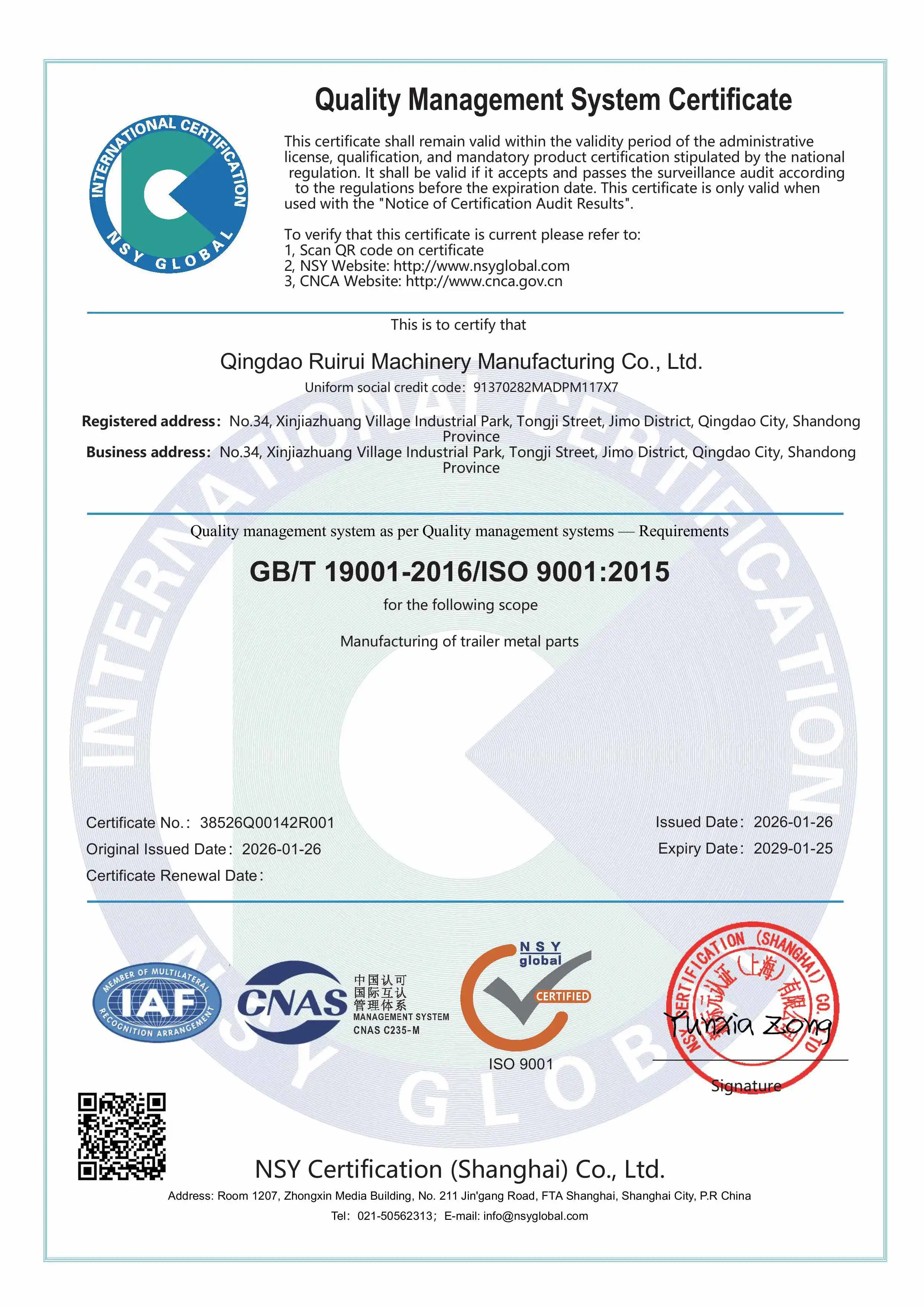
Partner with RUIRUI for Reliable Trailer Coupler Manufacturing
Work together with RUIRUI to make trailer couplers that you can trust. RUIRUI Machinery is very good at making trailer couplers, tongues, and other tow hardware that is precisely machined to meet high standards in the industry. Some of the high-tech methods we use for manufacturing are CNC milling, laser cutting, progressive stamping, and robotic welding. This makes sure that our large-scale production runs keep the same level of quality. If you need galvanized tongues, stainless steel couplers that won't rust, or special finishes for harsh environments, we can make OEM parts just the way you want them. We follow the strictest rules for quality and the environment all over the world, as shown by our ISO 9001 and ISO 14001 certifications. If you need a trailer coupler for a long time, you can trust RUIRUI because they have quick lead times, low factory-direct prices, and full technical support. Send us an email at kshdhardware@qdkshd.com to talk about custom solutions for your fleet.
References
Society of Automotive Engineers. "SAE J684: Trailer Couplings and Hitches - Automotive Type." SAE International Standards, 2018.
International Organization for Standardization. "ISO 1102: Mechanical Coupling between Tractors and Semi-Trailers." ISO Standards Catalogue, 2017.
Reese Products. "Trailer Coupler Selection and Maintenance Guide for Commercial Applications." Reese Technical Publications, 2020.
National Highway Traffic Safety Administration. "Federal Motor Vehicle Safety Standards: Trailer Hitch and Coupling Device Requirements." NHTSA Regulatory Documents, 2019.
American Welding Society. "AWS D1.1: Structural Welding Code - Steel." AWS Standards and Publications, 2020.
Transportation Research Board. "Trailer Towing System Design and Safety Analysis for Heavy-Duty Applications." TRB Research Reports, 2021.

Send Inquiry

Related Industry Knowledge
- What Makes Forged Steel Trailer Container Handle Locks on Both Sides More Durable?
- What Are the Key Features of a High-Quality Forged Container Eccentric Steel Latch?
- Universal Anti-Rattle Clamp for Every Towing Adventure
- How Can Custom Forged Container Eccentric Steel Latches Fit Unique Shipping Needs?
- Could a Custom-Sized Trailer Arm Locker Fastener Improve Safety and Fit for Your Equipment?
- Looking for ISO-Certified Custom Casing Fitting Cannula Sleeve Supporting Foot Manufacturers?
- Why is a 1/4 Hitch Pin Lock important?
- Are there any safety considerations when using a coupler repair kit?
- How do I troubleshoot Trailer Connector issues?
- What materials are used for sheet metal boxes?