
U Bolt Uses: Essential Applications in Various Industries
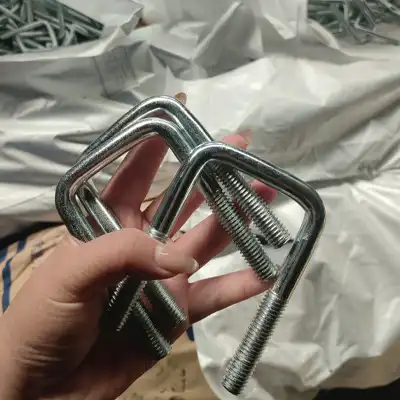
U bolts are essential for connecting pipes, beams, and other structure parts together, and they are used in a wide range of industries. To meet special operating needs, a custom U bolt has measurements, thread configurations, and material requirements that are made just for you. These U-shaped fasteners are very strong and last a long time. They are used to secure exhaust systems in car assembly, keep infrastructure stable in building projects, and hold equipment in sea settings. Standard screws can be turned into application-specific solutions that solve specific installation problems while still meeting industry safety standards and performance requirements when measurements, coatings, and materials can be changed.
Understanding U Bolts and Their Applications
What Makes a U Bolt Essential in Industrial Fastening
U bolts have a unique U-shaped design with two threaded legs that stick out from a curved base. This makes a safe clamping device for round or square items. This shape lets the fastener go around pipes, rods, or beams, and it spreads the load stress equally across the contact area. Industries depend on these parts because they stop horizontal movement and vibration-induced loosening, which is something that regular bolt arrangements can't do. The threaded arms can hold nuts and washers, which makes the tension changeable so that it can work with different substrate widths and material tolerances.
Why Customization Matters for Critical Applications
Off-the-shelf fasteners don't always work well for jobs that need specific sizes, load rates, or resistance to the environment. Customization fills in these holes by letting purchasing teams define exact diameter sizes, leg spacing, thread pitch, and coating needs. For projects that involve big machinery, the base material might need to be thicker and the leg space might need to be wider so that it can handle dynamic loads, requiring a custom U bolt. Marine uses need special coatings that don't rust. Custom solutions get rid of the need to choose between what's in stock and what the engineers really need. This lowers the risk of failure and the cost of upkeep over the lifespan of the product.
Performance Advantages Over Standard Fastening Methods
Customized fixing solutions make a real difference in the safety and stability of structures. Custom designs make the best use of material distribution to deal with specific stress patterns, like steady tension, shock loads that come and go, or cycles of heat expansion and contraction. The exact fit gets rid of gaps that cause noise or wear, which greatly increases the life of the part. When compared to welded links or standard clamps, properly designed custom U bolts are easier to install, can be easily accessed for maintenance in the future, and can be adjusted to fit different tolerances during assembly without lowering the holding strength.
Types and Materials of Custom U Bolts
Material Selection for Optimal Performance
Picking the right material has a direct effect on how long it lasts and what it can be used for. Heavy-duty industrial equipment is made of high-strength steel, which has a very high tensile strength. Stainless steel types 304 and 316 don't rust in chemical processes and coastal areas. We make electrogalvanized U-bolts at Qingdao RUIRUI Machinery Co., LTD. These bolts are both cheap and effective at stopping rust. The electrogalvanizing method puts down a thin layer of zinc that protects against rust from water and the air for up to 10 years in normal conditions. Brass is an alternative material that can be used when electrical connection is needed, alloy steel is used when temperatures are very high, and special treatments like powder coating or anodizing can make the material more resistant to chemicals.
Specialized Shapes and Design Variations
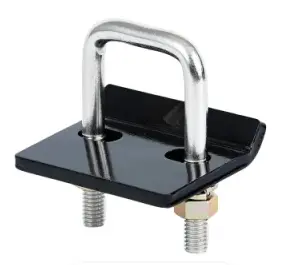
In addition to the usual round and square profiles, engineered versions are also available to fit different fitting situations, including the custom U bolt. Semi-round shapes work well in situations where one side needs to be mounted flush against a flat surface. Heavy-duty versions have thicker base parts and thread areas that are strengthened so they can handle loads of more than 20 tons. Wider throat openings are often needed for agricultural tools to hold on to large parts, while narrow profiles that fit within small spaces are needed for automobile uses. Thread configurations range from coarse threads for easy assembly to fine threads for precise tensioning. Metric or imperial values can be chosen based on area standards.
Corrosion Protection Strategies
Surface solutions need to be right for the environment. Our electrogalvanized finish gives basic security that can be used indoors or outdoors for short periods of time. Hot-dip galvanizing makes thicker zinc layers through soaking processes, which is good for projects in marine settings or chemical plants. Stainless steel doesn't need any coatings because it is naturally resistant to rust and doesn't need any upkeep. When choosing a coating type, you have to weigh the original cost against the expected service intervals and replacement costs. If you follow the right specifications, you may be able to double or even triple the useful lifespan of custom U bolts in harsh circumstances.
How to Choose the Right Custom U Bolt for Your Needs
Accurate Dimensional Measurement Techniques
To properly specify something, you must first know exactly how big the thing being secured is. You can find the outside diameter of pipes or the width of rectangular beams by measuring them and then adding the space needed for seals, insulation, or protective wrapping. Leg length needs to take into account the width of the base and the thread engagement, which is usually 1.5 times the nut's height above the mounting surface. The diameter, pitch, and class of fit of a thread are all specs that affect how much force is needed for assembly and how well it resists shaking.
Comparing Custom Solutions to Standard Inventory
It is easy to get standard screws right away, and they cost less per unit for simple jobs. When projects have non-standard sizes, special load requirements, or unique environmental issues, custom making can be helpful. When you place a lot of orders, the price difference between custom and regular choices gets smaller. When a procurement manager is looking at different choices, they should figure out the total fixed cost, which should include any possible rework, early fails, and problems with servicing access. Even though they cost more at first, custom U bolt solutions often end up being cheaper over the course of a multi-year project.
Load Capacity and Safety Factor Calculations
For engineers to be safe, they need to do accurate load analyses. Figure out both static loads and dynamic forces based on the weight of the parts and their vibrations, heat expansion, or working stress. Use the right safety factors, which are usually between 3:1 and 5:1 for stationary indoor uses and higher for important infrastructure or mobile equipment. The holding power is affected by the features of the material, the depth of the thread engagement, and the strength of the base. Talking to makers during the planning phase helps keep costs down by preventing over-engineering and making sure there are enough performance margins for projects that are safety-critical.
Installation and Maintenance Best Practices for Custom U Bolts
Proper Installation Protocols
For fitting to go well, the mounting surfaces must be clean and free of rust, paint overspray, and other things that could get in the way of full touch. Make sure that the gap between the legs of the U-bolt is the same on both sides as it goes around the item being fastened. First, tighten the nuts with your fingers. Then, use calibrated torque tools to get them as tight as the maker specifies. When you over-torque, you damage the threads and lower the gripping force. When you under-torque, the threads can open when the machine shakes. Use the right washers to spread the pressure and keep the base from getting damaged, especially when working with metal or hybrid structures that aren't very strong.
Inspection and Maintenance Schedules
How often you need to check something, such as a custom U bolt, depends on how bad the job is and how exposed it is to the surroundings. In places with a lot of vibration, like automobile suspensions or industrial machines, checks need to be done every three months. In places with static structures, however, reviews may only need to be done once a year. Check for rust, thread damage, or warping that could mean the load is too high. Tighten connections that are moving or coming loose, and repair screws that have rust getting through the coatings. Recording the results of inspections creates a repair log that helps with planning replacements and finds recurring problems that need design changes.
Real-World Application Success Stories
For a local water treatment plant in the Midwest, an infrastructure contractor swapped out normal pipe hangers for heavy-duty custom U bolts that were made just for the job. The custom leg spacing made room for shielded pipes, and the thicker base met the needs of earthquake loads. Five years after installation, a check showed that there had been no problems and the system needed very little upkeep compared to what was originally planned. In the same way, a company that makes farm equipment worked with our engineering team to create special screws for combine harvester parts. The custom approach cut the time it took to put the parts together by 40% and made them more resistant to vibration. This shows that proper design has practical benefits beyond just component function.
Procurement Guide: Ordering Custom U Bolts for B2B Clients
Supplier Evaluation Criteria
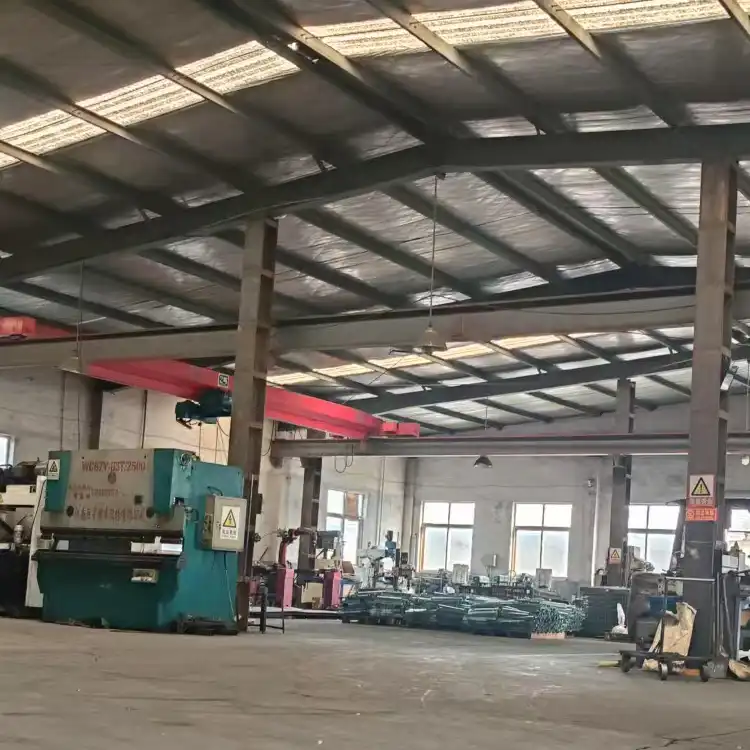
Before choosing a factory partner, you need to look at more than just the unit price. Quality standards like ISO 9001 and ISO 14001 show that process controls and environmental management systems are in place. Production capacity tells providers if they can meet both original orders and future needs for growth without having to delay deliveries. Technical support is very important—experienced engineering teams help improve plans, suggest different materials, and fix problems with installation. At Qingdao RUIRUI Machinery Co., LTD, we have eight production lines that can make more than 130,000 pieces a year. These lines are backed by high-tech CNC machines, laser cutters, and precision bending tools. Our quality systems have been ISO-certified to make sure that the work we do meets foreign standards every time.
Understanding Lead Times and Order Quantities
Custom making has several steps in the process that change when things can be delivered. Finding the raw materials usually takes one to two weeks. After that comes shaping, sewing, finishing, quality control, and packing. For custom U bolts, the same steps apply. Standard wait times for first orders are four to six weeks, but they can be faster for repeat orders once the tooling is made. The minimum order quantity (MOQ) for our 1000-piece product line strikes a good mix between the ability to customize and the cost-effectiveness of production. When you commit to a larger number, you can get price breaks by buying materials in bulk and planning your production runs more efficiently. Setting up blanket purchase orders with planned releases helps keep inventory costs low and project timelines in line with the supply of parts.
Cost Factors and Value Analysis
Pricing models take into account many factors, such as the cost of the base materials, the level of customization, the finishing processes, and the number of orders. It costs more to process high-strength alloy steels than normal carbon steel, and special surface treatments make the process even more expensive. For complex shapes that need special tools, there are one-time setup fees that are spread out over the number of orders. Landed costs are also affected by transportation and packaging, especially for foreign packages that need to be shipped in containers by water. Smart buying looks at the total cost of ownership instead of just the unit price, taking into account things like labor costs for installation, expected service life, upkeep needs, and failure risks. Our low factory-direct prices get rid of the markups that distributors add on top of the prices we offer. We also keep our quality standards high, which lowers our long-term running costs for custom U bolts.
Conclusion
U bolts are still important parts for fastening things together in the building, infrastructure, industrial equipment, and automobile industries. custom U bolt solutions are better because they are precisely engineered to meet the needs of each application. This means they work better, last longer, and require less upkeep. Choosing the right materials, making sure the measurements are correct, and protecting against rust all have a direct effect on how reliable the system is and how much it costs to run. When procurement professionals look at fastening options for complicated projects, they need to work with experienced manufacturers who can offer technical help, quality certifications, and production capacity that has been shown to work. The worth of these seemingly simple parts in important industrial systems is maximized when they are specified, installed, and maintained correctly.
FAQ
1. What advantages do custom U bolts offer compared to standard options?
Tailored screws fit perfectly, leaving no holes that could cause vibration and wear. Customizing the material and covering to fit the surroundings greatly increases the time between service intervals. Load capacity optimization through engineering design lowers safety risks and might make it possible to use lighter custom U bolts that save money on materials for big projects.
2. How do I accurately measure for custom U bolt orders?
Find the item being secured's outside diameter or width and add enough space for any wrapping or insulation. Then, describe the leg length so that it takes into account the thickness of the mounting base and the thread engagement. Give details about the thread, such as its width, pitch, and standard type. Detailed technical sketches make sure that everyone understands and that everything fits right.
3. Which material is best for use in the ocean or near the coast?
Grades 316 or 304 stainless steel are better at resisting rust in saltwater settings and don't need to be coated. Hot-dip galvanized steel is a cheap way to protect against less serious ocean pollution. Electrogalvanized finishes work well for short-term setups or projects that need to stay within a tight budget because they last less time before they need to be refinished or replaced.
Partner with RUIRUI for Custom U Bolt Solutions
Precision-engineered electrogalvanized U-bolts made to strict ISO 9001 and ISO 14001 standards are ready to help you with your fixing needs at Qingdao RUIRUI Machinery Co., LTD. Our skilled research and development (R&D) team works with sourcing experts to come up with the best solutions that meet all of your needs, from choosing the right materials to making sure the coatings are the right thickness and the right size. We serve infrastructure builders, equipment makers, and industrial distributors all over North America and Europe. We can make more than 130,000 units a year, have short lead times, and our MOQ starts at 1000 pieces. Email our team at kshdhardware@qdkshd.com to talk about the needs of your project, get detailed specs, or set up a sample review. As a reliable custom U bolt provider, we offer factory-direct prices without lowering the quality or engineering support that your important projects need.
References
1. American Society of Mechanical Engineers. (2021). ASME B18.2.1: Square, Hex, Heavy Hex, and Askew Head Bolts and Hex, Heavy Hex, Hex Flange, Lobed Head, and Lag Screws. New York: ASME Press.
2. Industrial Fasteners Institute. (2020). Fastener Standards: Mechanical and Material Requirements for Externally Threaded Products. Independence, OH: IFI Publications.
3. Kulak, G. L., Fisher, J. W., & Struik, J. H. (2001). Guide to Design Criteria for Bolted and Riveted Joints. Chicago: American Institute of Steel Construction.
4. European Committee for Standardization. (2019). EN 15048: Non-preloaded Structural Bolting Assemblies – General Requirements. Brussels: CEN.
5. Liu, J. & Zhang, Y. (2018). "Corrosion Behavior of Galvanized Steel Fasteners in Marine Environments." Journal of Materials Engineering and Performance, 27(4), 1856-1867.
6. National Association of Corrosion Engineers. (2017). Protective Coatings for Industrial Fasteners: Selection and Performance Guidelines. Houston: NACE International.

Send Inquiry
You may like