
Understanding Trailer Parts Quality Certification Requirements
When looking for parts for industrial uses, it's important to know what quality approval standards are for trailer parts. You can check these licenses to make sure that the parts you buy meet strict safety, longevity, and performance standards set by government agencies and industry groups. Standards like ISO 9001, DOT (Department of Transportation), and SAE (Society of Automotive Engineers) make sure that makers follow the same rules for materials and production methods. Certification systems make everyone in the supply chain responsible by giving procurement workers proof that parts have been tested and approved before they reach assembly lines.
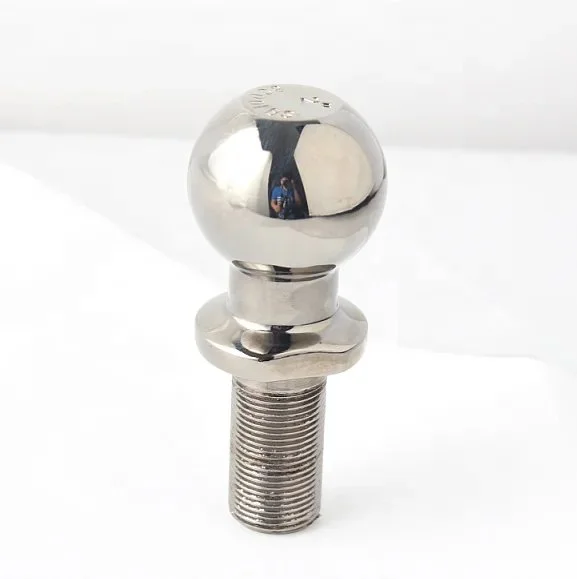
What Are Trailer Parts Quality Certifications
Quality approvals are proof from a third party that the parts that were made meet certain technical and safety standards. These certificates are given out by recognized organizations after thorough checks of the ways products are made, where materials come from, and how they are tested.
The Role of Regulatory Bodies
Manufacturers must meet standards set by independent licensing bodies and standards organizations. ISO sets standards for quality control systems, and DOT makes sure that parts used in business transportation across North America follow safety rules. SAE comes up with technical standards that control testing methods and engineering specs. Periodically, these groups check to see if manufacturers are still following the rules. This makes sure that manufacturers keep up the quality over time, rather than just getting certified once and allowing standards to drop.
Why Certifications Matter in B2B Procurement
When procurement managers buy parts that aren't approved, they take on big practical and financial risks, including for trailer parts. Certified parts can be tracked back to where the materials came from, where they were made, and the results of tests. When there are problems with the quality or guarantee claims, this openness is very important. Certification lowers your risk of responsibility by showing that you did your research when choosing a seller. In addition to lowering risks, certified parts usually offer better dependability, which lowers upkeep costs and downtime throughout the working lifecycles of systems.
Building Supplier Accountability
The requirements for certification serve as a screen that separates trustworthy makers from those who don't meet standards. Suppliers who are ready to go through strict licensing processes show that they are truly committed to quality, not just saying they are in their marketing materials. This transparency is especially helpful when getting goods from around the world, where distance makes it harder to keep an eye on suppliers.
Key Certification Standards and Their Requirements
There are different licensing systems that cover different parts of safety, quality, and the integrity of the materials used in production. Knowing which standards apply to your buying needs makes sure that you are in line with government rules and operating goals.
ISO 9001: Quality Management Foundation
With ISO 9001 certification, you can be sure that producers use systematic quality control techniques all the way through the production process. This standard says that process control, supplier review, corrective actions, and efforts to keep getting better must all have written rules. Manufacturers must show that they can regularly make goods that meet the needs of customers and the rules. ISO 9001 certification is a basic requirement for many purchase standards because it is used in a wide range of businesses and component types.
DOT Standards: Transportation Safety Requirements
Parts used in business trailers that travel on U.S. roads, including trailer parts, must have certain certifications from the Department of Transportation. DOT rules cover things like lighting systems, brake parts, connection devices, and building parts. Manufacturers have to follow certain testing procedures and put DOT identification tags on approved parts. These rules keep people safe by making sure that important systems work properly even when they are under a lot of stress, like when driving on the highway.
SAE Technical Specifications
SAE standards give engineers thorough rules for how to build parts, choose materials, and test them. The tolerances for sizes, the qualities of the material, its resistance to corrosion, and its effectiveness are all controlled by these specs. Some SAE J standards that are important for making trailers are those that describe fasteners, light requirements, and electrical system rules. SAE standards make sure that parts from different makers and uses can work together and be swapped out.
Material-Specific Certifications
Different types of components need different kinds of evaluation. Material approvals that list the chemical make-up and mechanical qualities of structural steel parts are needed. Voltage levels and environmental safety standards must be followed by electrical systems. Fatigue tests are done on suspension parts to make sure they can handle weight. At RUIRUI Machinery, we treat the outside of our carbon steel parts with special techniques, such as spray painting, which protects them from the sun, makes them last a long time, and stops corrosion—all of which are important for trailer uses that are exposed to tough environments.
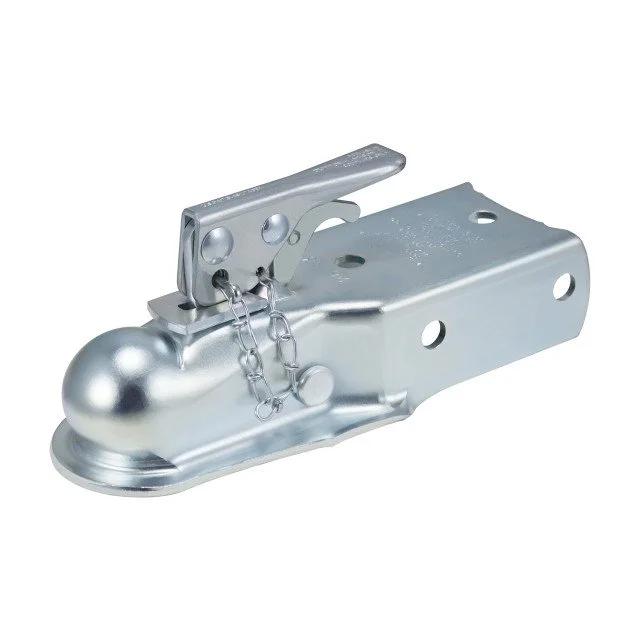
How to Evaluate Trailer Parts Based on Certification During Procurement
For buying to go smoothly, there needs to be a methodical way to check certifications that goes beyond just believing what the seller says.
Matching Components to Required Standards
A structured review framework can be made by making a certification matrix that connects component groups to relevant standards. DOT rules must be followed by braking systems, structural parts must have material certifications, and electrical units must meet SAE standards. This matrix can be used as a checklist to make sure that buying teams check all the necessary licenses of sellers before accepting them.
Verifying Certification Authenticity
Authentication has several steps of proof, including trailer parts. Ask for the original certification papers instead of copies, since the originals have security features that stop them from being faked. When possible, cross-reference certification numbers with records of the issuing body. Look over audit records that show how the certification process was done, and pay attention to any limitations on the scope that might leave out certain goods or methods. Certifications from foreign officials that you don't know can be checked by third-party verification services.
Balancing Cost and Certification Requirements
Certified parts usually cost more because the company that certifies them has spent more money on quality systems and testing methods. Buyers have to weigh the cost of approval against the risk they are taking. For safety-critical parts, strict approval standards are necessary, but for non-critical parts, less thorough validation might be enough. OEM-certified parts are sure to work with other parts, but aftermarket parts with the same certifications can save you money without sacrificing safety.
Integrating Certification Checks into Workflows
Consistency is ensured by incorporating certification proof into the buying process. Before the buy order is approved, certification documents should be looked over on quality checks. All necessary licenses must be gathered and checked during the supplier hiring process. As part of ongoing source management, checks and keeping an eye on when certifications are renewed are two things that are done. These organized methods keep parts that aren't approved from getting into supply lines.
Common Challenges and How to Address Them in Trailer Parts Certification
When procurement workers use global buying, they have to deal with more challenges to keep quality standards high.
International Standards Variations
Different areas have different certification systems, which can be confusing when sourcing around the world. European CE marking rules are different from DOT rules in North America. Asian makers may have certifications that Western buyers don't know about. To solve this problem, we need to create equivalency grids that list licenses that are accepted worldwide that can be used instead of local ones. Hiring technical consultants who are familiar with a number of different legal systems can help you evaluate foreign certifications in an unbiased way.
Counterfeit Certification Risks
Getting fake certificates for trailer parts is a very dangerous thing to do. Some red flags are certifications from groups that aren't well known, papers that don't have any security features, or suppliers who can't provide audit paperwork to back up their claims. Some ways to reduce the risk are to inspect the facilities of suppliers, ask for direct proof from certification bodies, and use blockchain-based verification tools that are becoming more common in supply chain management.
Regional Regulatory Complexity
Local, state, and federal rules may have standards that conflict, making it hard to follow them all. Environmental standards, safety rules for transportation, and rules for cars all have an effect on the specs of parts. To stay in compliance, you need services to keep an eye on regulations, legal advice, and working ties with sellers who know what the rules are. Industry groups often give their members legal advice to help them deal with the complicated world of compliance.
Cost-Quality Balance
To keep certification standards high and keep buying costs low, you need to use strategic methods. When you make a volume agreement with a certified source, the price will often go down. Long-term partnerships give sellers a reason to keep up with licensing requirements. Over time, collaborative quality improvement projects can lower approval costs while also making parts more reliable. Tough source performance measures make sure that efforts to cut costs don't hurt quality.
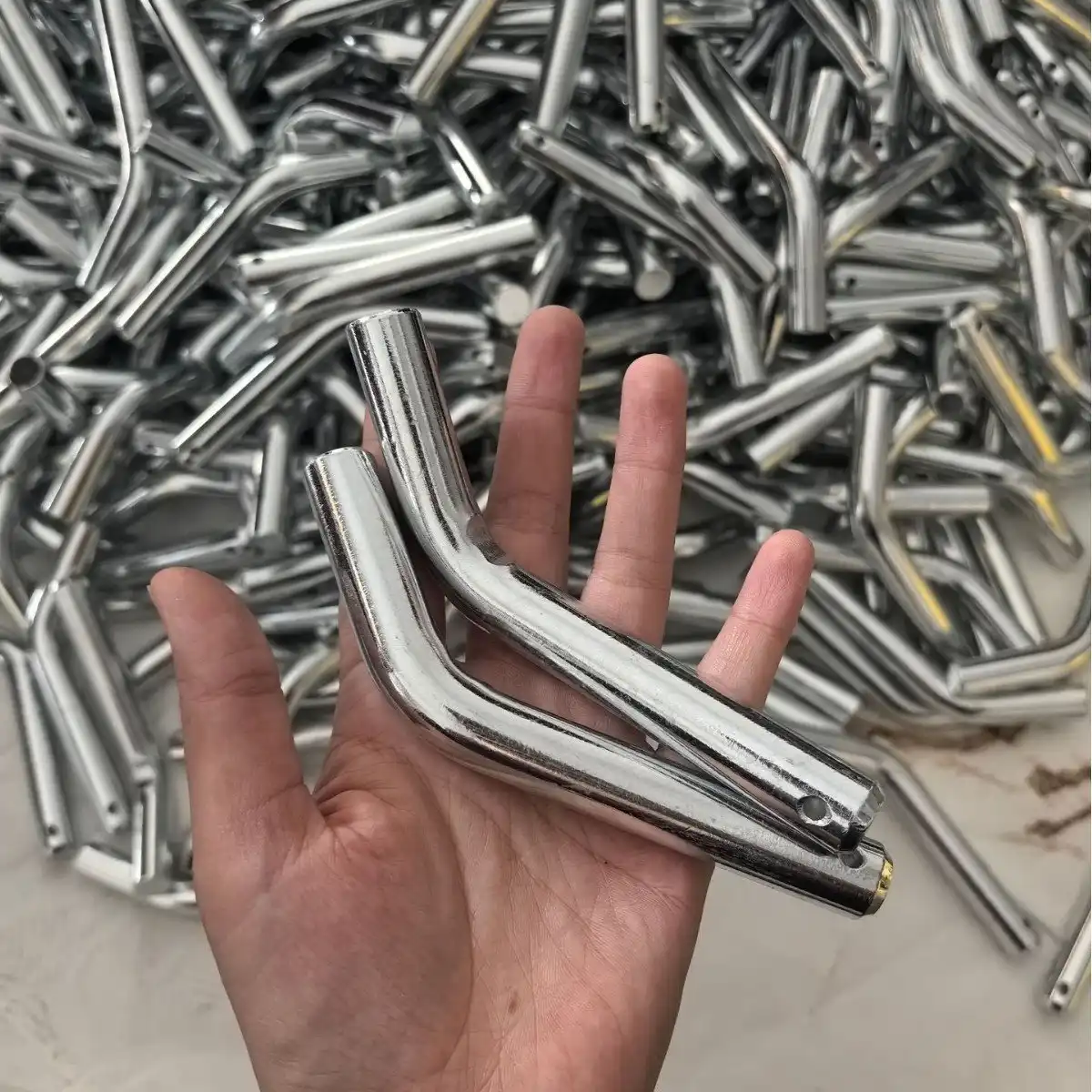
Best Practices and Checklist for Ensuring Certified Trailer Parts Quality
Structured certification management leads to gains in buying that can be measured.
Comprehensive Verification Checklist
Systematic study of the paperwork is the first step in effective certification validation. Check that the certification numbers match what the seller says they are, and look at the end dates to make sure they are still valid. Check that certain parts have the stated certifications by comparing part numbers to certification scope statements. Look over the material traceability papers that show how raw materials are connected to final parts. Look at test results that show that the performance was validated. This thorough method stops gaps in licensing that put quality at risk.
Supplier Audit History Review
Past stability tells us what to expect in the future. Ask for records of past certification checks and make a note of any problems and what was done to fix them. Assess how suppliers handle quality problems, including how well they can solve problems and how committed they are to ongoing growth. Strong audit records show that providers see certification as a practical priority rather than an administrative need.
Digital Certification Management
Platforms for technology make it easier to keep an eye on certifications along complicated supply lines, including for trailer parts. With document management systems, all of your certifications are kept in one place, and when they expire, the system sends you an automatic reminder. Supplier websites let you see the latest certifications and test results right away. Blockchain verification platforms make certification records that can't be changed, which boosts trust in their trustworthiness. These digital tools make accountability easier to see while reducing the work of administrators.
Case Study: European OEM Success
A well-known European equipment maker changed how they buy trailer parts to align with best practices for approval management. They set up a buyer scorecard system that gave certification compliance a lot of weight when choosing a provider. Digital tools let them see the certification state of all of their suppliers in real time. Manufacturers were able to get more certifications with the help of collaborative supplier growth programs. As a result, there were 43% fewer quality issues, 28% more on-time deliveries, and stronger relationships with providers who are dedicated to excellence. This method shows that certification management can do more than just make sure that rules are followed; it can also help improve how things are done.
Conclusion
Quality approvals are the basis for buying trailer parts with confidence. Supply chain resilience saves operations from quality failures by understanding certification systems, putting in place verification methods, and keeping track of ongoing compliance. Certification management costs money to set up processes and help suppliers improve, but it pays off in the end with fewer guarantee claims, better safety records, and more reliable operations. Our ISO-certified manufacturing methods and full quality control systems at RUIRUI Machinery make sure that every part meets international standards. Our carbon steel trailer parts are coated with modern spray coating technology that makes them more durable and resistant to rust. Purchasing managers who put certification standards first gain a competitive edge through high-quality supply chains, which directly affects customer happiness and the company's image in the market.
FAQ
1. What certifications should I require when sourcing trailer components?
Certifications needed depend on the role of the part and local laws. Building parts need to be certified by ISO 9001 for quality control and have material test results that show the grade of steel and its mechanical properties. For North American markets, safety-critical parts like brake systems need to be DOT-compliant. The necessary SAE standards should be met by electrical parts. Always make sure that certificates cover specific goods and not just the ability to make things in general.
2. How can I verify that supplier certifications are legitimate?
Ask for the real certification papers that have security features and check the certification numbers in the databases of the granting authority when you can. Instead of just looking at badges, read the full audit reports. To make sure, contact the certification groups immediately. Do checks of source facilities to look at quality systems in person. Third-party verification services make sure that foreign certifications that people don't know about are real.
3. Do certified components always cost more than uncertified alternatives?
Certified parts usually cost more because they have to go through more testing and quality assurance steps. But when you figure out the total cost, you should include risk factors like warranty claims, machine downtime, and your potential responsibility. Even though they cost more at first, certified parts usually have cheaper lifetime costs because they are more reliable. Strategic relationships with suppliers and promises to buy in bulk can lower price premiums while keeping the benefits of approval.
4. How often do quality certifications need renewal?
When to update a certificate depends on the standard. For ISO certifications, security checks are usually done once a year, and full recertification is done every three years. DOT compliance means always following the rules, not just renewing every so often. Material certificates are only valid for certain groups of production. To do effective procurement, you need to keep track of when certifications expire and make sure that sellers keep their status up to date before taking orders.
Partner with a Certified Trailer Parts Manufacturer
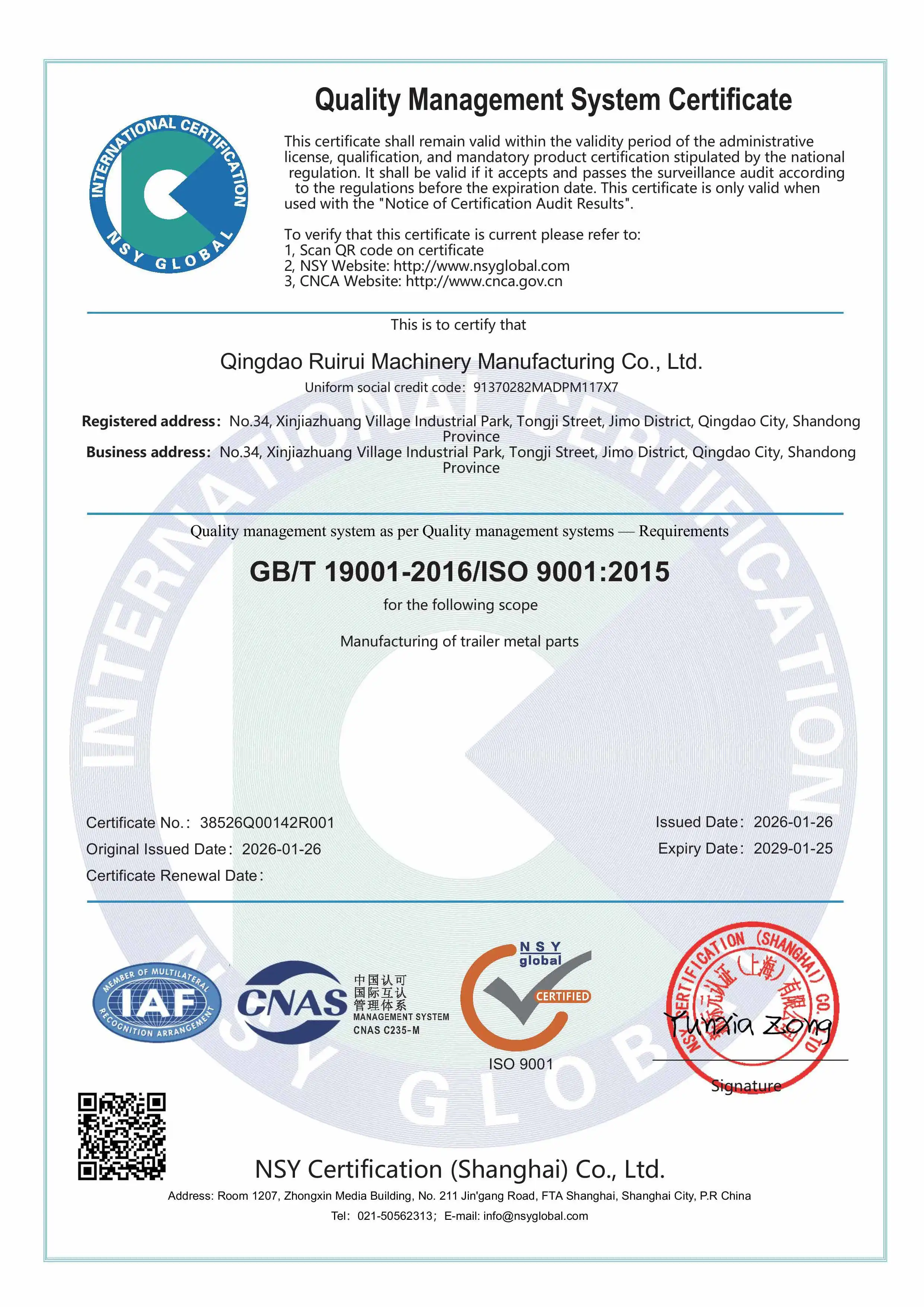
RUIRUI Machinery has been making precision parts for more than 15 years and helps global procurement teams find qualified component sources. Our ISO 9001, ISO 14001, and OHSAS 18001 certifications show that we are dedicated to quality management, protecting the environment, and keeping workers safe at all times. Custom trailer parts are made from carbon steel that has been treated with a special spray finish. This gives them sun protection, long life, and anti-corrosion performance that goes above and beyond what the industry standards are. Our fully automatic production lines and advanced CNC cutting skills make sure that the quality of the more than 130,000 pieces we make each year is always the same. Our expert team is here to help you from the planning phase all the way through delivery, whether you need OEM customization, help with bulk purchases, or engineering teamwork for complicated requirements. Email us at kshdhardware@qdkshd.com to talk about your certification needs and find out why wholesalers in over 80 countries trust RUIRUI as a trusted provider of trailer parts for long-term manufacturing partnerships.
References
1. Society of Automotive Engineers (2021). SAE Standards for Trailer Components and Systems: Engineering Specifications and Testing Protocols. SAE International Publications.
2. International Organization for Standardization (2020). ISO 9001:2015 Quality Management Systems: Requirements and Implementation Guidelines for Manufacturing Industries. ISO Central Secretariat.
3. U.S. Department of Transportation (2022). Federal Motor Vehicle Safety Standards: Certification Requirements for Commercial Trailer Components. National Highway Traffic Safety Administration.
4. American Society for Testing and Materials (2021). ASTM Material Standards for Steel Products: Specifications for Carbon Steel in Structural and Mechanical Applications. ASTM International.
5. European Committee for Standardization (2020). CE Marking and Product Compliance: Regulatory Framework for Metal Components in European Markets. CEN Publications.
6. Institute for Supply Management (2022). Global Procurement Best Practices: Supplier Certification Verification and Quality Assurance in International Supply Chains. ISM Research Publications.

Send Inquiry
You may like