
Unlocking the Secrets of Trailer Parts: A Comprehensive Guide
Procurement experts who are in charge of industrial fleets, building projects, and heavy-duty transportation must understand how trailer parts work together. Good trailer parts are the building blocks of safe, dependable tools that are used in transportation, construction, farming, and city government. From suspension systems to coupling devices, these parts have a direct effect on working uptime, safety compliance, and the total cost of ownership. When carefully chosen based on material requirements, engineering standards, and the supplier's skills, these parts can be turned into useful assets instead of just duplicates. This guide gives business-to-business buyers useful information on how to choose, maintain, and improve parts that keep industrial trucks running at their best and in line with strict government rules.
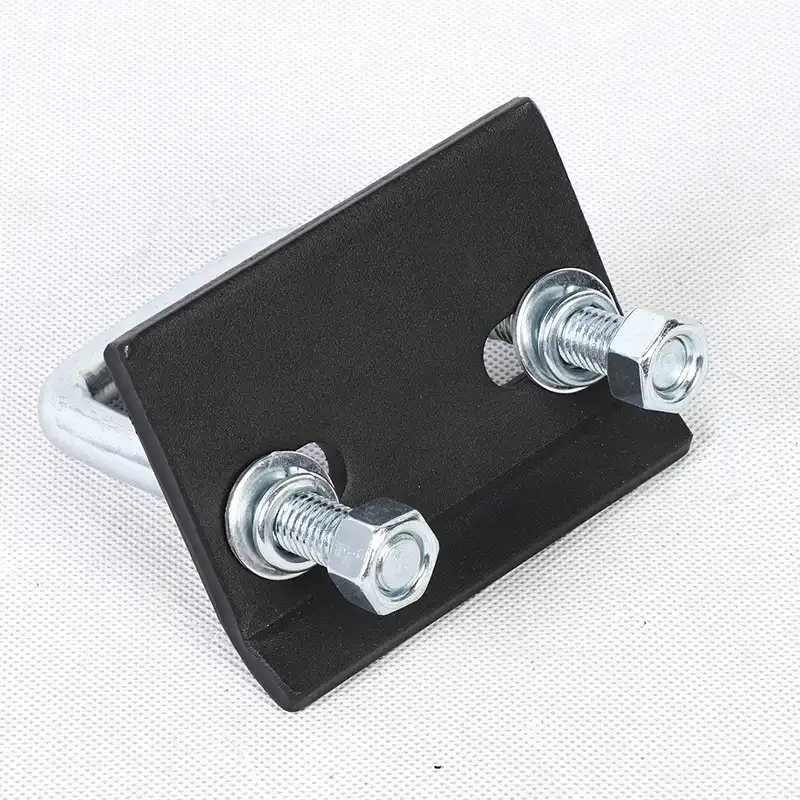
Understanding Trailer Parts: Types, Functions, and Identification
Commercial trucks are made up of many linked parts, and each one has a specific structure or functional job to do. Recognizing these parts and how they work helps with accurate design during the buying and replacing processes.
Core Component Categories and Their Functions
Axle assemblies carry most of the weight and spread it evenly across the wheels. They come in a range of forms, from light-duty single-axle sets to heavy-duty tandem or triple sets. Whether they are leaf spring, torsion, or air ride, suspension systems take shock from the road and keep the load stable while it's being moved. Different types of brakes, like electric drum brakes and hydraulic disc systems, let you control how fast something slows down. Towing vehicles and trailers can be safely connected with coupling devices like ball hitches, pintle hooks, and fifth-wheel systems.
Tail lights, marking lamps, and turn signals that meet DOT standards are part of lighting harnesses that make sure vehicles are visible and follow the rules. All of the other systems, including trailer parts, are attached to steel or metal chassis frames that keep the structure together. Wheel hubs, bearings, and seals all work together to make wheels spin and keep them from getting dirty or worn out too quickly.
Identification Techniques for Procurement Accuracy
Visual analysis is still the best way to tell what a part is, but technical paperwork gives you important information. Axles have serial numbers stamped on them that show load ratings and maker specs. Wheel hubs' bolt designs show which new wheels will work with them. Standardized rules make it easier to figure out what's wrong with an electrical system when wiring color codes are used.
The right fit is guaranteed by measures like the width of the spring eye, the height of the coupling, and the thickness of the brake drum. Magnet tests can tell the difference between steel and aluminum, and coats that don't rust show that the material will last in harsh environments. Understanding these identification marks helps you avoid making mistakes when you're buying things and avoids costly mistakes when you're installing them.
Common Issues and Maintenance Tips for Trailer Parts
Heavy business use puts trailer parts under a lot of mechanical stress, weather damage, and wear and tear over time. By noticing trends of failure and performing regular maintenance, you can make services last longer and avoid unplanned downtime.
Typical Failure Points and Their Implications
Lack of grease, water getting in, or pressure can all cause bearings to fail, which can show up as too much heat, noise, or wheel wobble. When the temperatures of the drum or rotor go above the design limits, brake fade happens. This makes it harder to stop when going downhill for a long time. When leaf springs lose their angle or torsion arms get weak, the suspension sags. This makes the ride height and load distribution worse.
Damage to the wiring system from UV light, wear and tear, or corrosion can cause electrical problems that affect signals for the brake controller and lights, including in trailer parts. Long holes, broken welds, or deformed locking mechanisms are all signs of coupling wear that make it possible for trailers to come apart, affecting trailer parts. Frame cracks usually start where there is a lot of stress, like where the axle bolts or cross-members meet, which can also occur in trailer parts.
Preventive Maintenance Protocols and Inspection Standards
Bearings should be repacked regularly, usually every 12,000 miles or once a year, to keep them lubricated and stop them from breaking down too soon. Checks for brake adjustment make sure that the space between the shoe and the drum stays the same, which keeps the stopping power quick. Verifying the suspension balance makes sure that the tires wear evenly and that the load is properly distributed across the wheels.
Using multimeters to test the electrical system makes sure that the ground is still connected and that all lighting lines are getting power. As part of regular coupling inspections, locking devices, safety chains, and mounting nuts are checked for damage or wear. Visual analysis and magnetic particle tests are used in structural examinations to find fatigue cracks before they spread.
When maintenance tasks are written down, they become verifiable compliance records that meet insurance standards and governmental checks. Replacing worn-out parts before they break completely lowers the cost of repairs and keeps operations running as smoothly as possible.
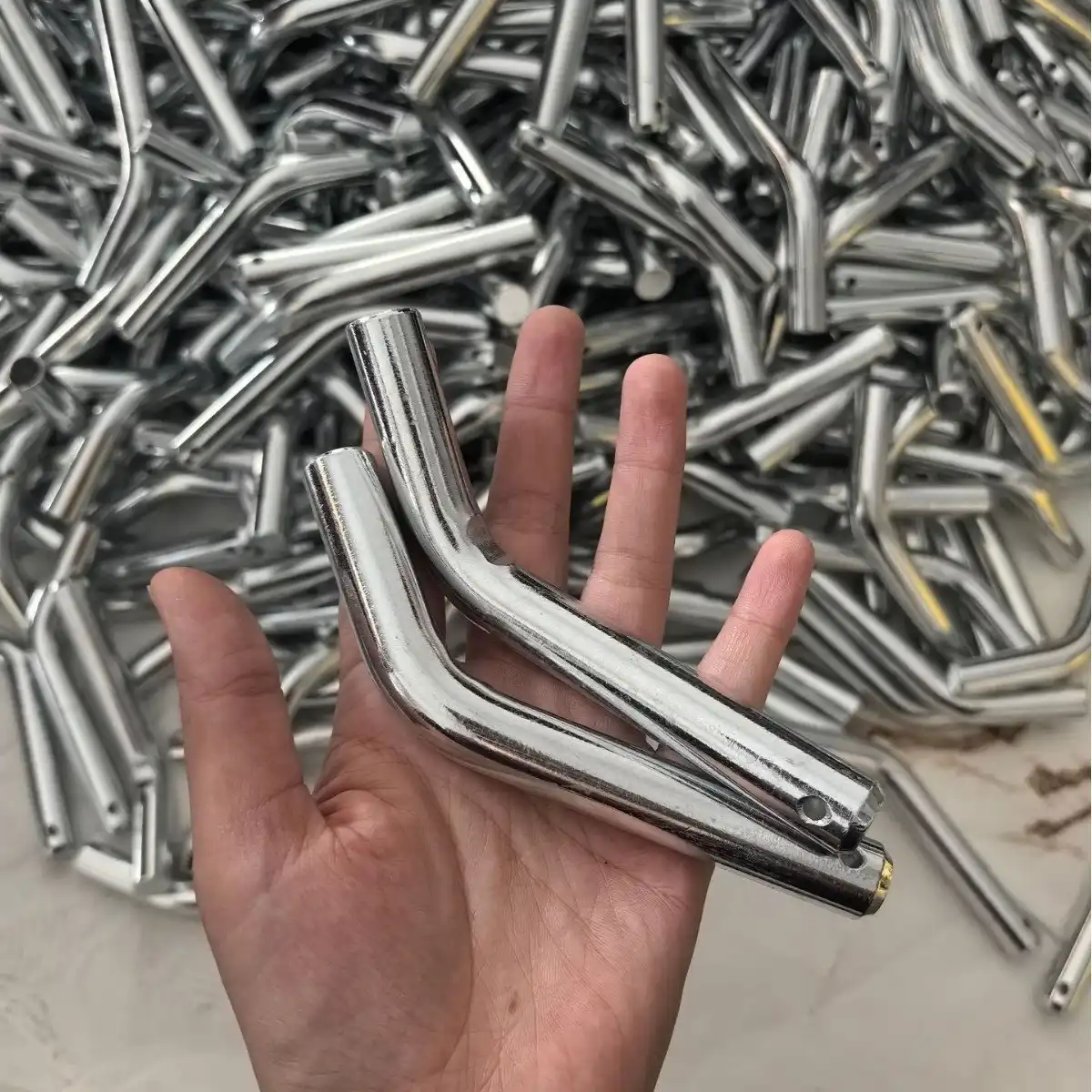
Smart Procurement Strategies for Trailer Parts
Through strategic ties with suppliers and well-informed buying choices, effective sourcing strikes a balance between lowering costs and ensuring quality. Using smart shopping techniques to get trailer parts.
Channel Selection and Buying Approaches
When you buy in bulk from approved distributors, you can get better prices and still be covered by the manufacturer's guarantee. Direct connections with factories cut out markups for middlemen, but they may need minimum order quantities and longer wait times. Online markets are convenient and let you compare prices, but you have to be very careful to make sure that the seller is legitimate and that the products are real.
Local providers back just-in-time inventory tactics for trailer parts and make replacements available right away. Their professional know-how helps with making suggestions that are right for each application and giving installation instructions. Setting up ties with various sources provides redundancy in the supply chain, which lowers the risk of disruption.
Customization and Logistics Considerations
OEM customization can handle unique needs like fixing arrangements that aren't standard, higher load ratings, or built-in technology features. When engineers work together on custom fabrication, they come up with technical plans, material specs, and criteria for quality acceptance. Customized parts have longer lead times—four to eight weeks longer than standard store items.
Total landed costs are affected by shipping operations, which include how freight is classified, how dimensional weight is calculated, and how foreign customs procedures work. When you ship by container, you save money on shipping costs per unit for large sales. Clear terms that protect the buyer's interests should be used in return policies to deal with things like broken materials, mismatched specifications, and problems with installation.
When evaluating a supplier, you need to look at their production capacity, quality standards, technical support, and financial security. Systematic quality management is shown by ISO 9001 certification, and professional competence is shown by credentials specific to the business. Checking with current customers for references shows a past of success in terms of delivering on time and fixing problems.
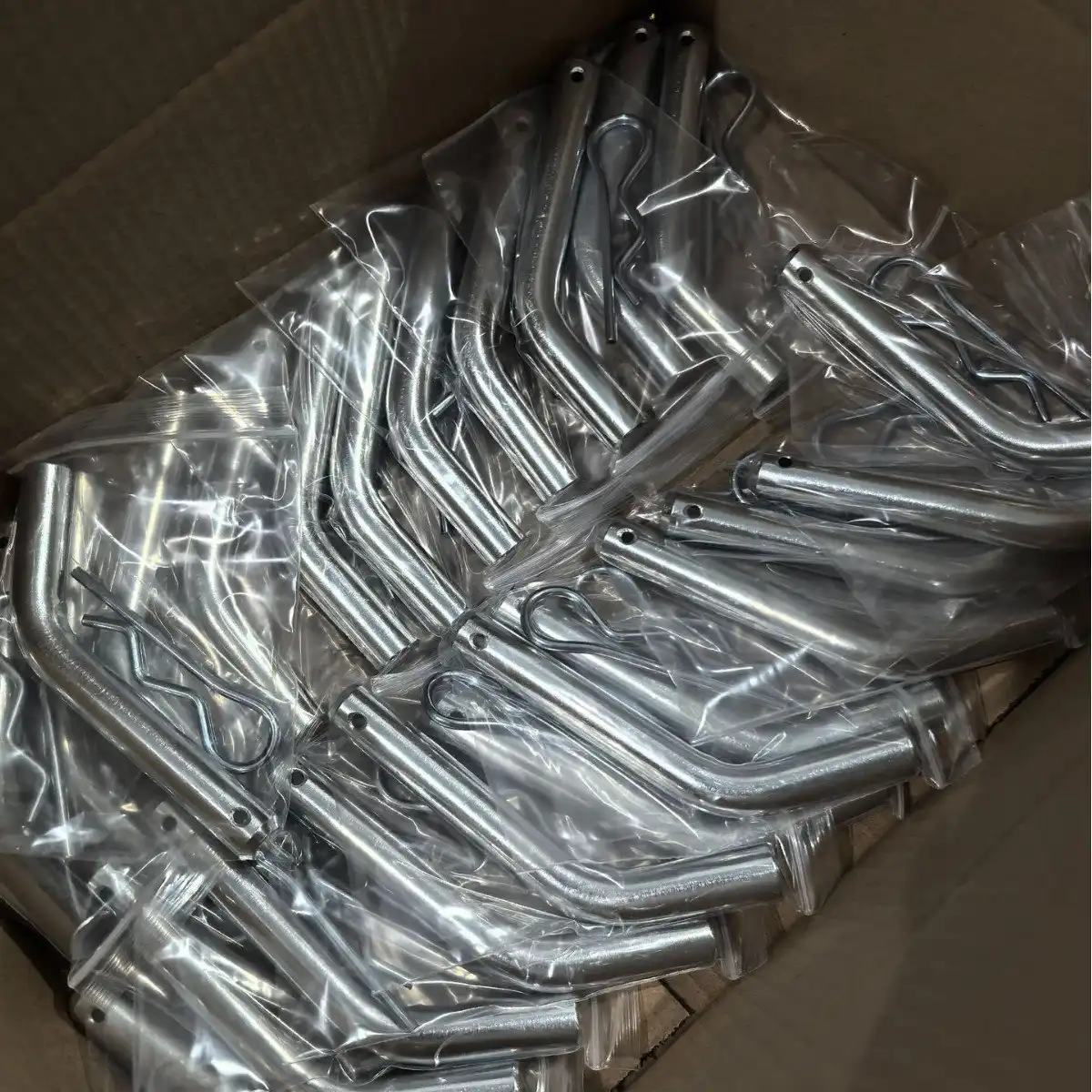
Enhancing Trailer Performance Through Upgrades and Innovations
Through smart component upgrades, new technologies make it possible to boost safety, efficiency, and operating visibility.
Performance Enhancement Options
When you switch from drum brakes to disc brakes, the better the heat absorption and the more constant stopping power, even when the road is rough or heavy. In air suspension systems, instead of standard leaf springs, there are airbags that are controlled automatically and can level the load and change the ride height. LED lighting arrangements use less electricity than incandescent lights, but they provide better sight and last longer.
Electric-over-hydraulic brake motors, along with compatible trailer parts, can precisely change the force and respond more quickly than surge brake systems. Built-in coupling sensors check the state of the link and send real-time security alerts for the hitch. These upgrades need to be checked to make sure they work with current systems, and they might involve making changes to the wiring or strengthening the structure.
Emerging Technologies and Industry Trends
Adding smart sensors lets you check on their health by sending measures of temperature, pressure, and vibration to platforms for fleet management. Telematics systems keep track of where things are, how they are used, and when they need to be maintained. They also send out warnings before parts break. These tools help people make decisions based on data, which improves scheduling for repair and the use of assets.
Ceramic particles and nanostructured barriers used in advanced coating technologies make them more resistant to rust than traditional ways. When you mix fiber support with polymer structures, you get composite materials that are lighter while still keeping their structural integrity. By using these new ideas, fleet workers will be able to meet changing economy standards and government rules while also lowering the overall cost of ownership.
Conclusion
When buying trailer parts strategically, you have to find a balance between technical requirements, supplier skills, and practical needs in a business-to-business setting that is very complicated. Understanding how parts work, spotting trends of failure, and following preventative maintenance procedures are all ways to make sure that your fleet is reliable and follows the rules. The performance goals and weather factors that are unique to each application should guide the choice of material and brand. Using customization choices, improving logistics, and building strong supply lines are ways to gain a competitive edge in markets that are very picky. Adopting new technologies by making focused upgrades sets companies up for long-term business success and cost savings in managing their trailer fleets.
FAQ
1. How often should trailer components undergo professional inspection?
Industry best practices say that full checks should be done every 12 months or 12,000 miles, whichever comes first. Fleets that are used a lot and work in tough conditions might benefit from checks every six months. Important safety parts like brakes, couplers, and lights need to be inspected visually before every trip, and bearings need to be repacked every year. Inspection actions should be recorded so that compliance can be checked and guarantee claims can be supported.
2. What advantages do OEM components offer compared to aftermarket alternatives?
Original equipment manufacturer parts ensure that the dimensions, material requirements, and performance characteristics will meet the standards set at the time of installation. They make sure that warranties are still valid and that new systems can work with old ones. Alternatives from the aftermarket might be cheaper, but you need to be very sure that they meet quality standards and building licenses. OEM parts are easier to get because they come with set part numbers and detailed documentation.
3. How do heavy-duty and light-duty component specifications differ?
Heavy-duty uses need parts that are made to handle higher loads, have stronger structures, and last longer when they're used all the time. They have stronger frames, bigger bearings, and thicker brake drums. Light-duty parts are more cost-effective for occasional or leisure use because they can hold less weight and are easier to put together. Choosing the right load grades keeps things from breaking down too soon and makes sure they are safe to use.
Partner with RUIRUI for Custom Trailer Component Solutions
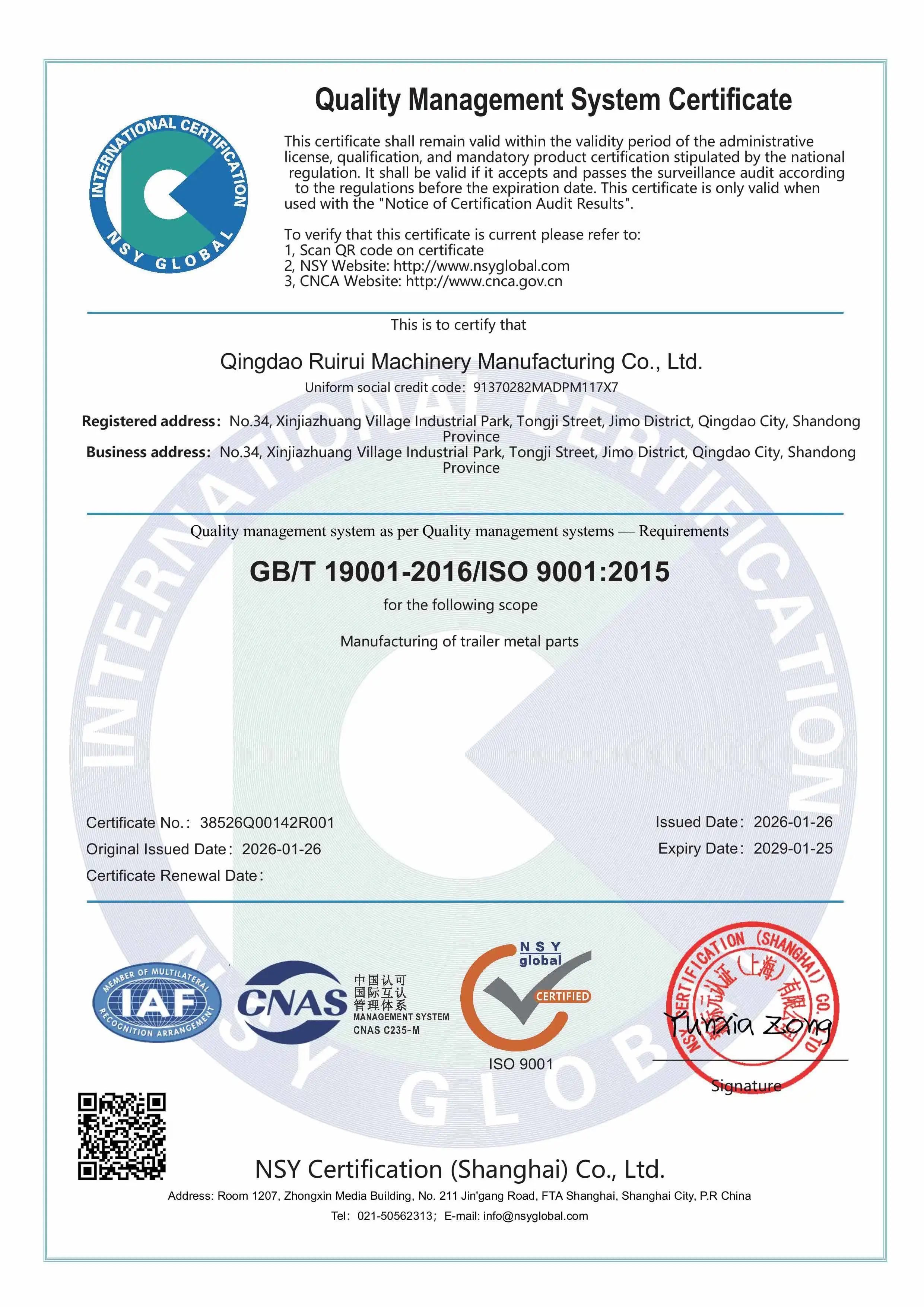
The trailer parts that RUIRUI Machinery sells are precisely designed and made from high-grade carbon steel with modern spray coating methods that protect them from the sun, make them last longer, and stop corrosion. Our wide range of manufacturing skills, such as CNC machining, laser cutting, and progressive stamping, allow us to make unique solutions that exactly match your load and size needs. With ISO 9001 certification, eight dedicated production lines, and annual output exceeding 130,000 units, we are a trusted producer of trailer parts for OEM partners, infrastructure builders, and distributors around the world. Our engineering team works closely with customers to create technical drawings, make sure that performance standards are met, and make sure that new systems work with old ones without any problems. Contact us at kshdhardware@qdkshd.com to discuss your specific needs and discover how our proven expertise can strengthen your supply chain with competitively priced, factory-direct components backed by comprehensive technical support.
References
1. Smith, J. & Anderson, M. (2022). Commercial Trailer Systems: Engineering Fundamentals and Maintenance Protocols. Industrial Press.
2. Transportation Research Board. (2021). Heavy Vehicle Component Durability and Reliability Standards. National Academy of Sciences.
3. Wilson, R. (2023). Advanced Materials in Trailer Manufacturing: Performance Analysis and Selection Criteria. Society of Automotive Engineers International.
4. Chen, L. & Roberts, K. (2021). Supply Chain Optimization for Industrial Component Procurement. Journal of Manufacturing Systems, 58(3), 412-428.
5. Department of Transportation. (2022). Federal Motor Carrier Safety Regulations: Equipment and Maintenance Standards. U.S. Government Publishing Office.
6. Martinez, P. (2023). Predictive Maintenance Technologies for Commercial Fleet Management. International Journal of Transportation Engineering, 17(2), 245-263.

Send Inquiry
You may like