
What are the Benefits of Using a Trailer Coupler Lock?
A trailer coupler lock is a special type of security device that locks the coupler mechanism that connects a trailer to the vehicle that pulls it. This keeps trailers from being stolen. This mechanical barrier stops people from attaching and detaching without permission. This keeps valuable items safe from thieves who look for chances to steal and plan their attacks. Professionals in B2B procurement who are in charge of equipment fleets, construction trailers, or marine transport assets can see clear returns on their investments in good coupler locks. Some of these benefits are preventing theft, lowering insurance costs, and making operations safer. The steel in these tools has been hardened, and they are made so that they can't be changed. In a lot of different industrial settings, they offer reliable protection.
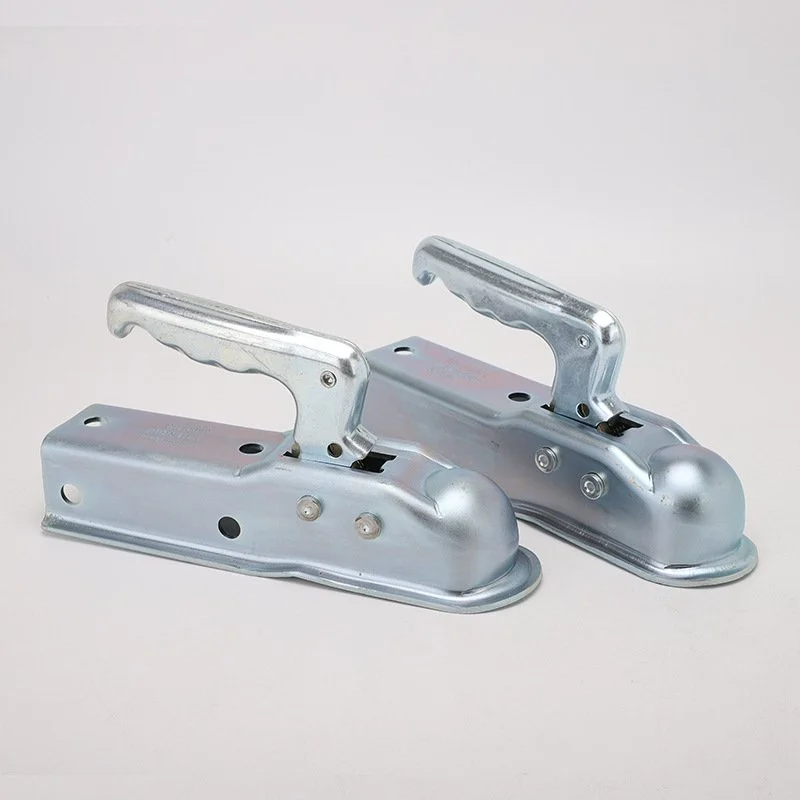
Understanding Trailer Coupler Locks: What They Are and How They Work
Find out what trailer coupler lock units are and how they work. As a safety measure, these devices keep the hitch coupler connection point from moving. These unique items physically block the coupler latch mechanism, which means it can't open or accept a hitch ball like regular locks or chains do. The connection point is easy to get to, which is a big security flaw with trailers that thieves can quickly take advantage of.
Core Functionality and Locking Mechanisms
These days, trailer hitch locks keep couplers in place in a number of different mechanical ways. Keyed models have steel pins or bars that fit right into the coupler opening and keep other people from connecting the coupler to a tow ball. Combination locks are easy to use because you don't need a key, but they are still very safe because they have many dials. Power tools can't be used to break into heavy-duty models because their shackles and lock cylinders are stronger and can't be drilled. The reason these devices work is that they make it physically impossible to connect the trailer to any vehicle without taking the lock off first.
Material Engineering and Environmental Resistance
Good coupler locks are made from materials that were picked because they work well together. Not all steel is easy to cut or drill. Hardened steel alloys are one type, while stainless steel is another. Stainless steel doesn't rust in saltwater. Many companies protect the surfaces of their goods with powder coating, zinc plating, or thermoplastic layers so that they last longer in harsh conditions. In the long run, how reliable something is will depend on the materials that are used. This is especially true for procurement managers who have to pick out equipment that can work in a range of weather conditions and workplaces.
The Benefits of Using Trailer Coupler Locks
A trailer coupler lock can be used for a variety of purposes besides preventing theft. Companies that manage trailer fleets can see clear operational and financial benefits from these devices. That's why they should be a part of all-around asset protection programs. Letting procurement teams know about these benefits helps them make investment decisions based on facts that are in line with the risk management goals of the company.
Enhanced Asset Protection and Theft Deterrence
Criminals are less likely to commit crimes when they can see that security measures are in place. Coupler locks make it more dangerous and take more time for thieves to do site reconnaissance, which changes which targets they choose. Trailers with multiple visible security layers are much less likely to be stolen than trailers that aren't secured. This price is meant to keep people from stealing the trailer and the things that are inside it, which are often worth more than the trailer itself.
Insurance Cost Optimization
Commercial insurance companies know that taking active safety steps can help lower risks. Many insurance companies will lower your rates by 10 to 25 percent if your fleet uses approved anti-theft devices like coupler locks. These gadgets save money right away and also lower the number of claims, which is good for long-term insurance relationships and talks about renewing policies. Businesses that use trailers a lot can save a lot of money each year. This helps their overall operating budgets because the savings add up over time.
Operational Continuity and Supply Chain Reliability
When someone steals a trailer, it leads to problems that go beyond just losing the asset. It can be more expensive than the value of the trailer to find replacements, plan deliveries, and deal with downtime during operations. Construction companies have to deal with things like project delays, the cost of renting tools, and the chance of being fined for breaking the terms of their contracts. When there are problems with shipments in distribution, it hurts relationships with customers and income. Coupler locks stop these problems before they happen, which keeps things running smoothly. This keeps the company's reputation strong and productivity high.
Durability and Minimal Maintenance Requirements
Some coupler locks are made so well that they will last for years with little upkeep. To keep working, electronic security systems need to be plugged in, have their software updated, and get technical maintenance. On the other hand, mechanical locks always work because they are based on simple physical principles. Maintenance protocols are great for businesses that want low-cost security solutions because they only need to be oiled and looked over every so often. For work sites that are far away, storage yards, or marine applications where regular access to technical service is still not possible, this dependability is very helpful.
Installation Simplicity and Fleet Scalability
Protection plans for big fleets need to be set up by operational teams, who don't need any special tools or training to do it. To meet this need, coupler locks are made in a way that makes them easy to attach quickly and without changing any of the hardware on the trailer. It's now simple for everyone to use, which means there are no more problems with setting it up across the whole fleet. Scalability makes it possible for procurement managers to plan rollout dates and make sure that all assets have the same level of security when they negotiate big orders.
How to Choose the Right Trailer Coupler Lock for Your Business?
It is important to carefully think about operational needs, environmental factors, and budget limits before making a specification decision. The best thing to do is to find a trailer coupler lock that strikes a balance between security, durability, and total cost of ownership. You should also think about the fleet and the threats it faces.
Assessing Trailer Types and Coupler Compatibility
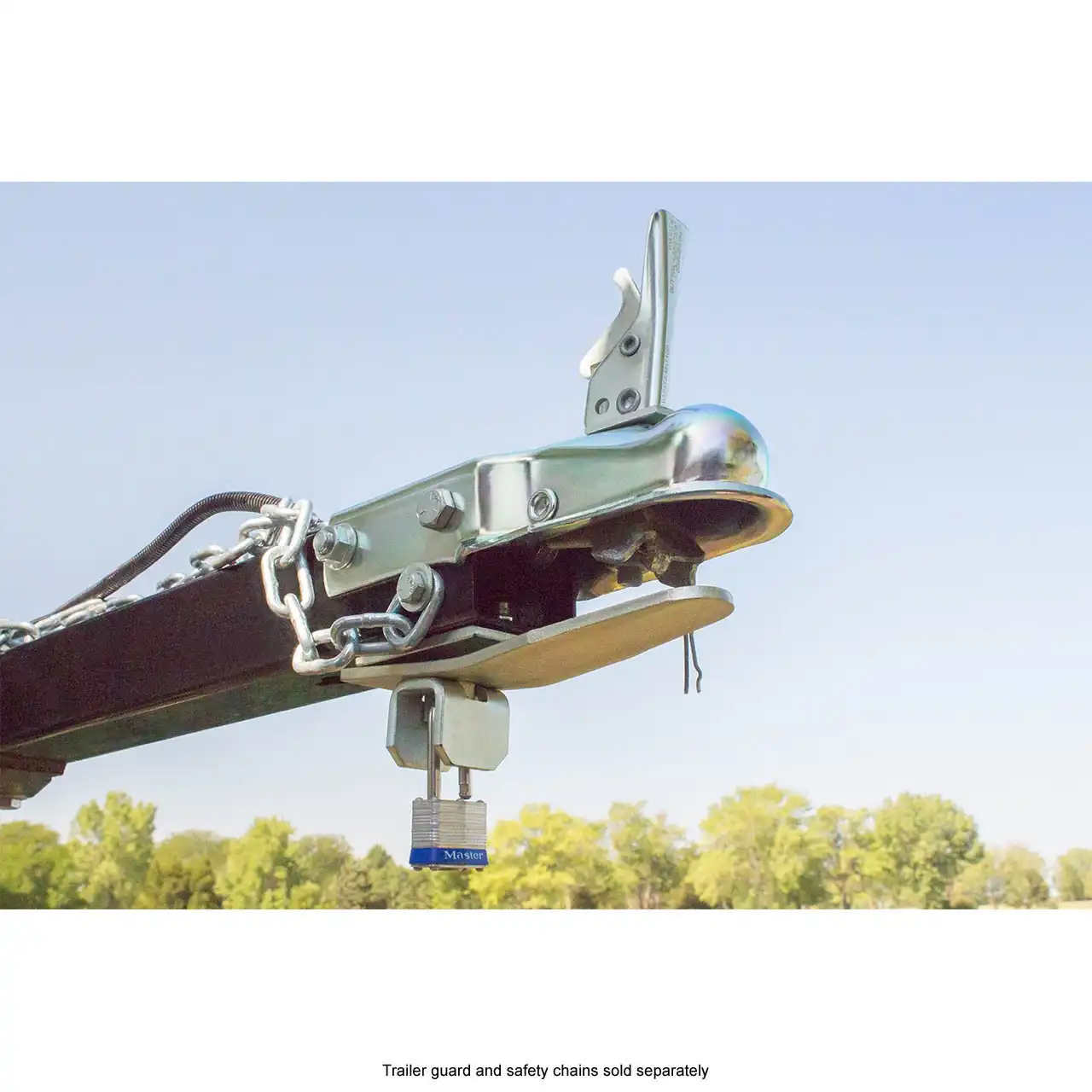
Standard ball couplers, pintle hitches, and gooseneck assemblies are some of the most common types of trailer couplers. To make sure the lock works and fits correctly, it needs to be the same size and shape as the coupler. Most of the time, balls that are between 1-7/8 inches and 2-5/16 inches in diameter will work with ball coupler locks. In the procurement specifications, the types and sizes of fleet couplers should be written down so that vendors can suggest products that work well together and don't need any changes to be made. Locks that don't match make operations harder and open and close more easily, which makes people less likely to follow the rules.
Evaluating Security Level Requirements
Threat assessment guides how security is built. Heavy-duty locks made of pick-resistant steel and premium hardware are needed in cities where theft is common, on equipment trailers with a lot of value, or in storage facilities that are far away. If there isn't much danger, mid-level security options that cost less may be enough. When it comes to security budgets, this risk-based approach works best because it keeps costs low for assets with low risks and gives more expensive solutions to areas where threats make them worth it.
Budget Optimization Through Lifecycle Analysis
The price you pay for something is only one part of how much it costs to own it. Things have long-term value based on how long they last, how often they need to be replaced, and how much upkeep they need. But high-quality locks that are made to last and don't rust often have lower lifecycle costs, even if they cost more at first. This is especially true in harsh places. When negotiating to buy in bulk, it's important to set quality standards that make sure the goods last a long time and pay attention to per-unit pricing at scale. You can do a better cost-benefit analysis if you ask the seller about the expected service life and what the warranty covers.
Supplier Reliability and After-Sales Support
Strategic benefits that go beyond single transactions can come from having long-term relationships with suppliers. When vendors offer technical support, custom product creation, and quick service after the sale, it's easy for procurement teams to keep up with changing security needs. When looking at possible suppliers, you should check how well they can make things, how well they manage quality, and how much experience they have with international shipping. There are objective ways to show that a supplier can be trusted, such as ISO certifications, proof of production capacity, and customer references. This makes the supply chain less likely to have problems that could shut down business.
Installation and Maintenance Guide for Trailer Coupler Locks
Security items work better and last longer if they are set up and taken care of properly. All operational teams follow the same steps because of clear protocols. This also makes sure that the trailer coupler lock works even during long service periods.
Step-by-Step Installation Process
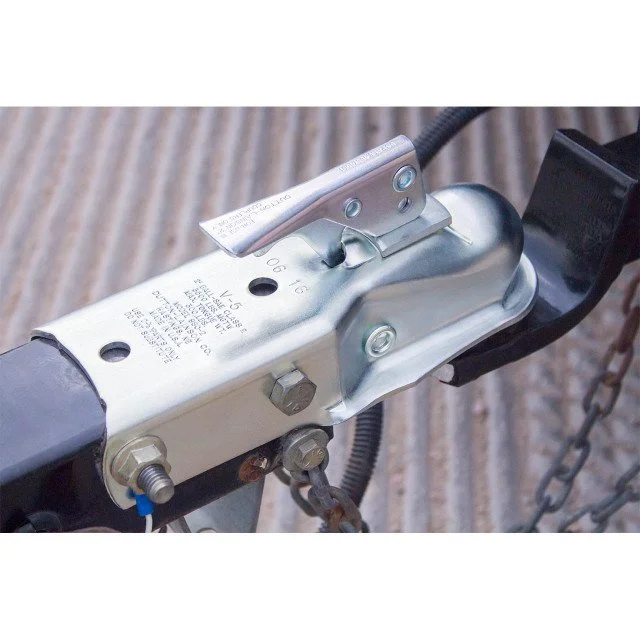
Before you start the installation, make sure that the trailer is parked correctly and that the couplers work with each other. For ball coupler locks, the key or bar goes through the device and into the coupler opening where the hitch ball would normally go. This keeps the device from coming out. There may be different mounting points for the lock or a coupler latch mechanism to keep it in place. Once it's in place, either set the combination dial or turn the key cylinder to turn on the locking mechanism. Make sure that someone can't open the lock and then take it off. A quick look makes sure that everything is in place and the fit is right. For most people, the whole process takes less than a minute once they know how to use a certain type of lock.
Routine Maintenance Protocols
Regular but not too much attention is needed to keep the lock working well. Every month, the machine should be looked at visually to see if there is any rust, damage, or buildup of dirt or dust that could make it less useful. Every three months, put dry graphite lubricant or a special lock lubricant on the key cylinder or combination mechanism. This keeps the inside from rusting and the mechanism running smoothly. Grease based on oil should not be used because it can attract dirt and grime that can break the mechanism. When used in harsh winter conditions or near water, inspecting and lubricating more often keeps functions working even when corrosion is strong. When you clean the outside of something, you get rid of road salt and other things that slow down damage.
Troubleshooting and Component Replacement
Locks sometimes have issues that need to be systematically figured out. Most of the time, a key is hard to turn because the cylinder is corroded or clogged with junk. The cylinder can be fixed by cleaning and putting oil on it. If a combination dial won't work, it might need to be reset to factory settings or, if the parts inside are broken, it might need to be replaced. The structure was damaged during an attempted break-in, so everything needs to be replaced right away. This is because the damage makes security less effective. Setting up rules with suppliers for warranties and replacements makes sure that problems are fixed quickly when parts break, which cuts down on security holes. When locks need to be fixed or replaced, having spare units on hand lets you use them right away.
Conclusion
The trailer coupler lock is a key part of the security system for businesses that handle mobile assets in the marine, construction, distribution, and infrastructure sectors. These devices are worth adding to full asset protection plans because they offer measurable benefits like preventing theft, lowering insurance costs, and keeping operations running smoothly. When picking locks, you should think about coupler compatibility, the environment, your security needs, and the supplier's skills in order to get the best performance and value. As long as you install services correctly and keep them in good shape, they will protect you for a long time for a low cost. It has been shown that ISO quality coupler locks made from materials that don't rust lower risk and protect both assets and business operations. They are perfect for procurement professionals who need security solutions that work well and can be expanded.
FAQ
How effective are trailer coupler locks at preventing theft?
Coupler locks make big walls that keep out thieves who just want to make quick cash and slow down criminal gangs. There is no way to be 100% safe, but good locks make it much harder for thieves to steal, so they give up and look for easier targets. When used with other types of security, like wheel locks or GPS tracking, coupler locks make strong systems that make theft much less likely.
What is the expected lifespan of a trailer coupler lock?
How long a product lasts depends on the materials that were used, how they were used, and how often they were maintained. Good locks made of stainless steel or coated steel should last between five and ten years in most situations. If you don't take care of it, it might only last three to five years in salty seas or places with a lot of road salt. Consistently cleaning and lubricating things makes them last a lot longer in all situations.
Can coupler locks withstand extreme weather conditions?
The best locks are made from materials that don't rust and have coatings that protect them. They work reliably in any weather. Coastal and marine settings are great for models made of stainless steel. Models made of thermoplastic-coated or powder-coated steel don't get damaged by salt and water in the winter. On specification sheets, environmental resistance should be listed so that procurement teams can match products correctly to the conditions they will be exposed to in the field.
Partner with RUIRUI for Reliable Trailer Security Solutions
You need more than just off-the-shelf items to keep your trailer fleet safe. To get what you need, you need parts that are carefully designed and made to very high standards. We at RUIRUI Machinery make custom metal security hardware for businesses that need to work with a dependable supplier. This includes trailer coupler locks, trailer pins, fasteners, and other parts that go with them. Things can be made with progressive stamping, CNC machining, laser cutting, and high-tech surface treatments like electrophoresis, powder coating, and plating, so they can work in tough situations.
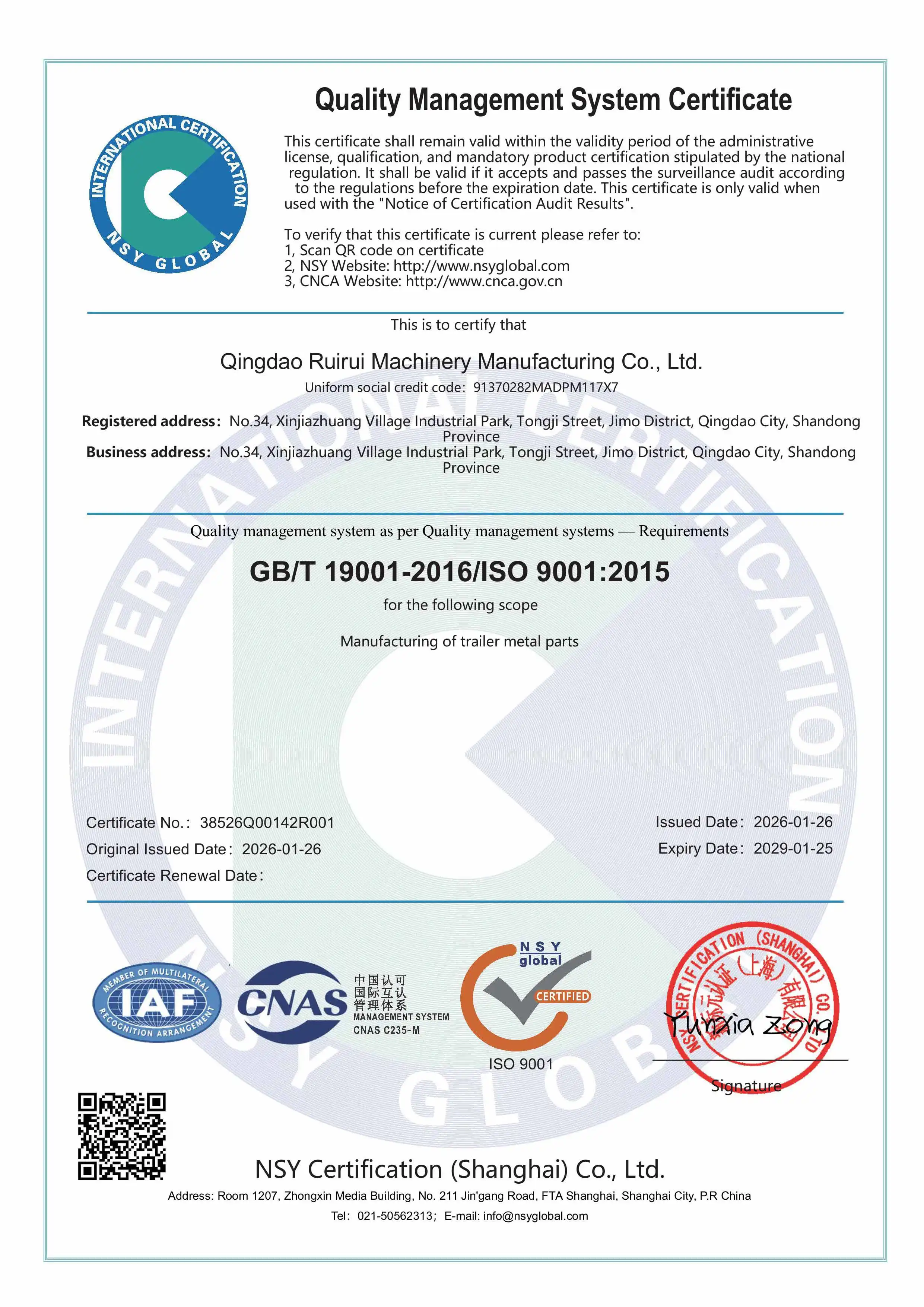
We have been in business for more than 15 years and are an ISO 9001-certified manufacturer. Our systems for quality control watch each step of the way we make things and make sure the quality stays the same. We make 130,000 pieces on eight production lines every year. This helps distributors, infrastructure contractors, and security system integrators in North America, Europe, and the Middle East meet their needs for buying in bulk. We know that people who work in procurement need partners who can give them technical advice, short lead times, OEM customization, and quick support after the sale. For decades, we've worked with clients all over the world to improve these skills.
Get in touch with our engineers at kshdhardware@qdkshd.com to talk about the trailer security hardware you need. You can get help from us with standard coupler lock designs or with solutions that are specially made to fit your needs. We offer competitive prices and expert advice for large orders.
References
National Insurance Crime Bureau. "Vehicle and Trailer Theft Prevention: Industry Best Practices for Commercial Fleet Management." Annual Security Report, 2022.
American Society of Mechanical Engineers. "ASME Standards for Trailer Coupling Devices: Safety and Security Specifications." Engineering Standards Publication, 2021.
International Association of Auto Theft Investigators. "Effectiveness Analysis of Physical Security Devices in Commercial Fleet Protection." Research Bulletin Series, 2023.
Journal of Transportation Security. "Comparative Analysis of Mechanical Anti-Theft Systems for Towed Equipment." Vol. 15, Issue 3, 2022, pp. 187-203.
National Association of Trailer Manufacturers. "Security Hardware Design Guidelines for Commercial Trailer Applications." Technical Manual, 2021 Edition.
Fleet Management Institute. "Total Cost of Ownership Analysis: Security Investment ROI in Commercial Transportation." Business Case Studies in Fleet Operations, 2023.

Send Inquiry
You may like