
What are the Benefits of Using Trailer Fenders?
Commercial companies can save a lot of time and money by using trailer fenders to protect the tires and chassis from damage from road debris, water spray, and impacts. These protected features lower the number of times that equipment needs to be serviced, make it last longer, and help businesses meet safety standards. Quality trailer fender systems, especially ones made from long-lasting materials like steel or aluminum, cut down on downtime and help keep fleet management costs low. Investing in the right trailer fender options is a smart move that protects assets and makes industrial processes more profitable in the long run.
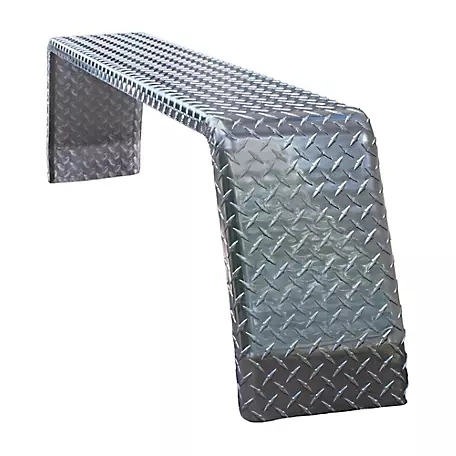
Understanding Trailer Fenders: Function and Types
The main thing that keeps moving tires from hitting things outside is the trailer fender. They keep rocks, mud, and water from hurting goods or making the road dangerous for other vehicles. Putting them directly on top of or around wheel units protects them while they're moving over different types of ground. The design of these parts affects both safety and compliance with regulations, especially when it comes to controlling splashes and sprays, which is required in many places where business transportation is used.
Material Categories and Their Industrial Applications
Different types of materials work best in different situations. When steel types like cold-rolled ASTM A1008 are used in roll-forming or deep-drawing methods to make trailer fenders, they have great impact strength and weldability. Because of this, they are perfect for heavy-duty hauling situations where the structure needs to fit perfectly with the trailer frames. Because steel has a higher modulus of elasticity than other materials, these parts can take hits without breaking. When they are hit by debris, they dent instead of breaking, so they can keep their defensive integrity even in harsh circumstances.
Aluminum choices are lighter and naturally don't rust, which is good for situations where load capacity optimization is important. Plastic and fiberglass versions are cheaper and work well for smaller utility trailers, but they can't hold as much weight when the trailer fenders are also used as mounting points or entry steps. Which of these materials you choose should depend on how they will be used, how they will be exposed to the environment, and how they need to fit into your fleet's repair plan.
Dimensional Specifications and Customization Capacity
Standard trailer fender sizes are based on industry standards, but unique sizes can be made to fit different trailer layouts. Our steel trailer fender option has a 145mm width, a 1050mm length, and a 340mm radius, which are all measurements that are meant to allow for close tire clearance on cars with rigid frames that don't have suspension systems. The smaller radius makes sure that the debris is deflected just right while keeping the surface smooth. These measures are just starting points; production can be changed to fit specific engineering plans or project needs, meeting OEM needs in a wide range of fleet uses.
Key Benefits of Using Trailer Fenders for Commercial Trailers
Enhanced Safety and Regulatory Compliance
The trailer fender systems cut down on road spray and waste projection by a large amount, which directly addresses safety concerns for both your equipment and the traffic around it. Many places have strict rules about stopping splashes, and ships can stay in line with Department of Transportation standards and similar foreign rules by installing trailer fenders correctly. This compliance keeps you from getting fined and shows that you are responsible with your operations, which is important when you are taking on contracts with government agencies or big businesses.
Component Protection and Maintenance Cost Reduction
Quality trailer fenders make a barrier that protects pricey parts from wearing out too quickly. Less harm from corrosive materials and impacts is good for tires, brake units, suspension systems, and electrical wires. This safety immediately leads to lower maintenance costs and less downtime for operations. It's easy to see why investing in high-quality trailer fender systems is a good idea: when your trailers spend less time in the shop, they make more money on the road.
Long-Term Durability and Total Cost of Ownership
Lifecycle economics is deeply affected by the choice of materials. Steel trailer fenders, especially ones with thick walls like the ones we sell, last a very long time when they are used all the time. Because steel can be welded, it can be installed permanently in a way that doesn't cause vibrations and can handle the constant stress of highway shipping and rough terrain travel. The starting prices may be higher than plastic options, but the longer replacement intervals and better performance lower the total cost of ownership by a large amount over five to ten years of use.
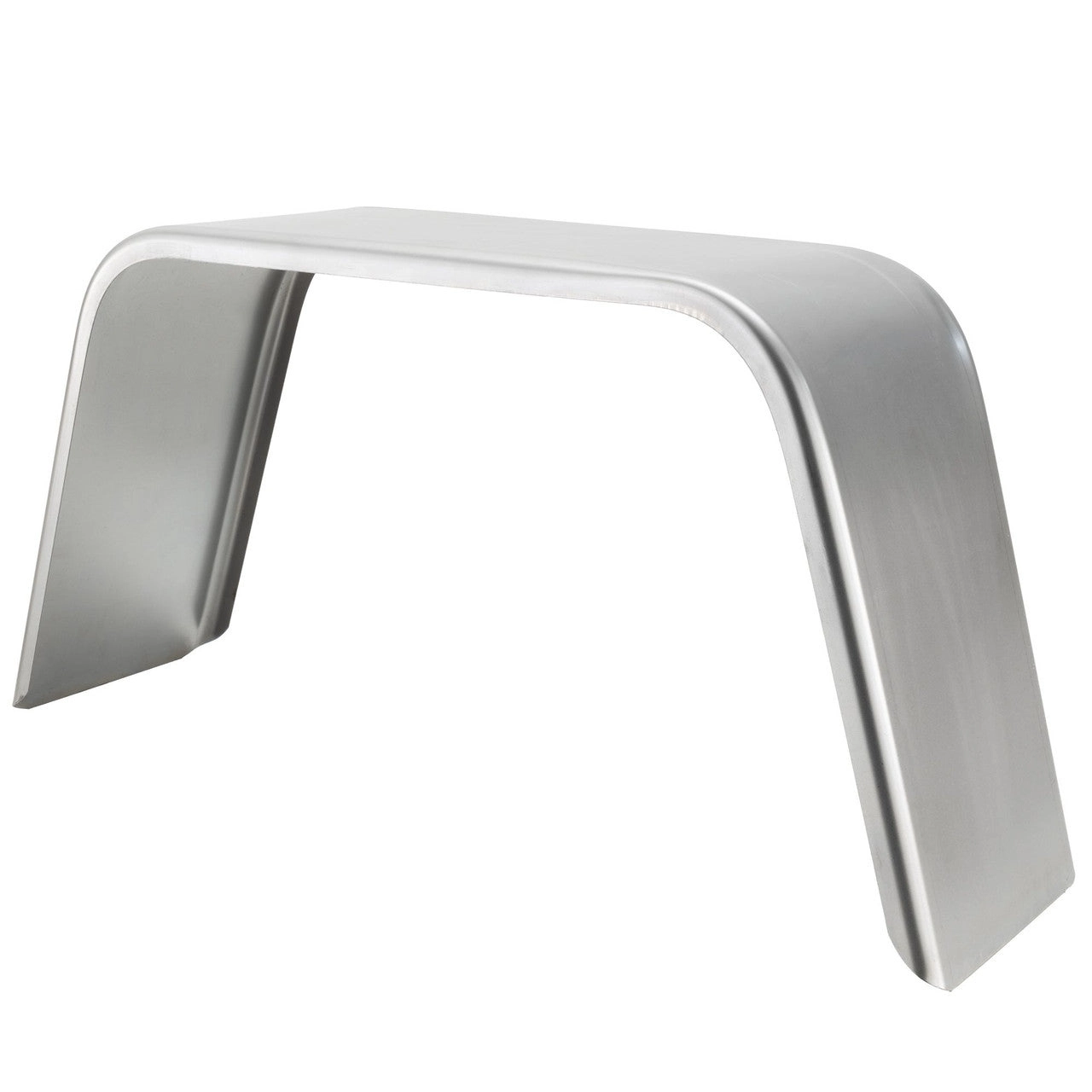
How to Choose the Right Trailer Fender for Your Business
Evaluating Material Properties Against Operational Demands
To choose the right trailer fender material, you need to look at your unique working environment and how it will be used. Steel trailer fenders work best when they have to carry big loads, are used as steps during frequent loading, or are in places where debris is likely to hit them, like on building sites or in mines. Thicker walls made of heavy gauge steel give our building the strength to support workers jumping onto trailer beds, which is something that plastic trailer fenders can't do safely.
Corrosion protection is very important for teams that work near the coast or where road salt is used a lot in the winter. In these situations, galvanized steel finishing or powder painting methods make the service last longer. Our production skills include a range of surface treatment choices, such as galvanizing and electrophoresis, to make sure that your trailer fender solution can handle the unique weather challenges that your fleet faces every day.
Matching Fender Configurations to Trailer Categories
Utility trucks that are used for gardening or general hauling benefit from strong steel trailer fenders that can handle loading and unloading heavy equipment many times. For commercial freight trucks that need to meet regulations and last a long time, galvanized steel with DOT-approved size is the best choice. Off-road and desert trailers need trailer fenders that do two things: protect the trailer and provide structural fixing points for extras like rock sliders or external storage racks. Because steel trailer fenders can be welded together, they can be used for more than one thing, which is why they are valuable.
Custom trailer configurations need production partners who can be flexible and make to exact specs. Our building has eight production lines that can do advanced laser cutting, CNC machining, and progressive pressing. This infrastructure can handle special size needs, whether you need different radius profiles, specific mounting hole designs, or different surface finishes. We can work with engineering models and deliver amounts that fill entire containers, which makes us a good long-term manufacturing partner for both fleet owners and distributors.
Supplier Evaluation and Procurement Strategy
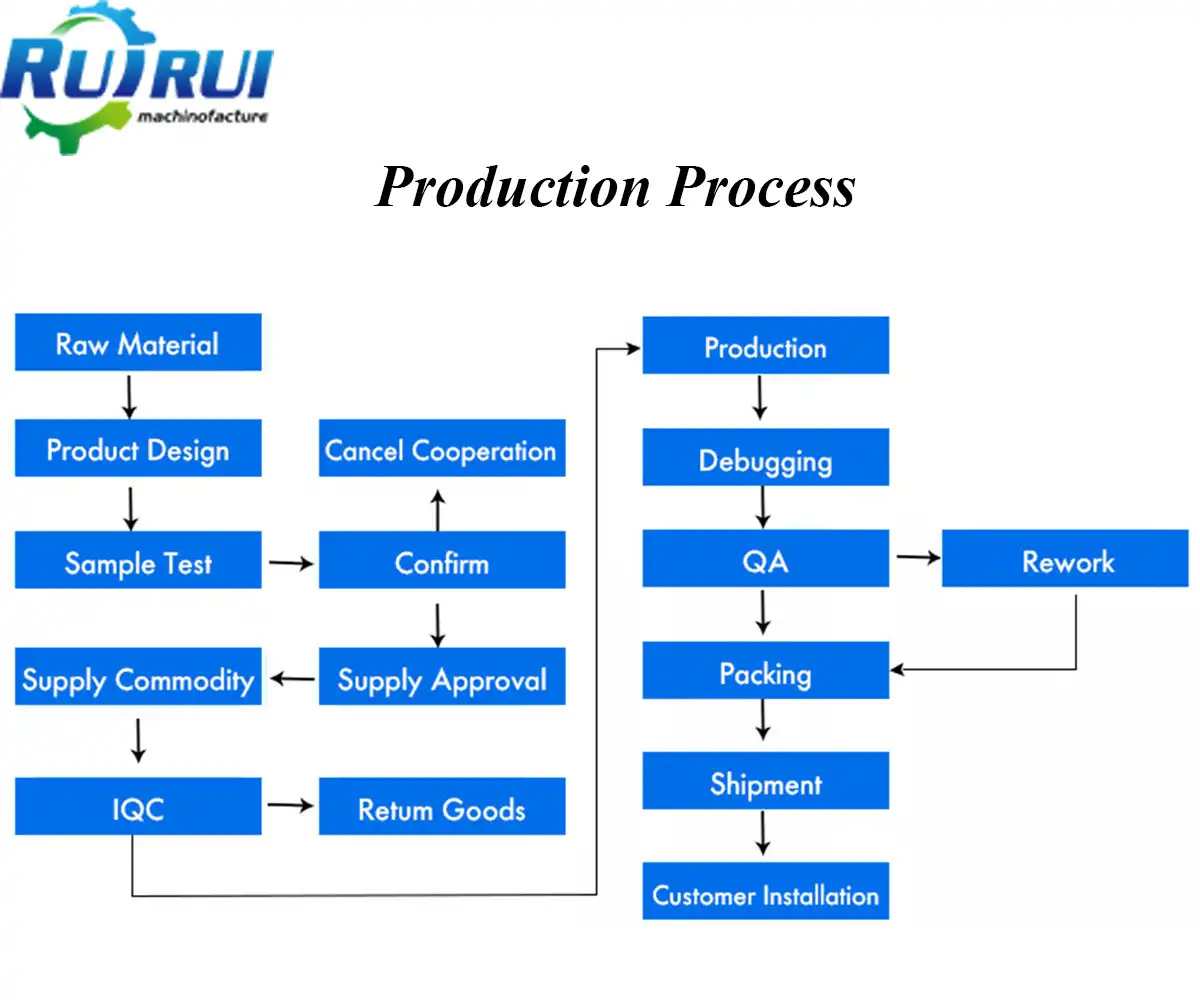
Comparing unit prices is only one part of choosing providers. Check the factory's ability to make things, its quality control systems, and its expert help services. Our ISO 9001, ISO 14001, and OHSAS 18001 certifications show that we handle quality in a planned way throughout the whole manufacturing process. From the start of production, we keep track of each part until it's finished to make sure that standards are always met.
A lot of benefits come from buying things in bulk, not just big savings. Setting up long-term supply deals keeps prices stable, ensures production capacity during times of high demand, and allows for just-in-time shipping scheduling, which makes it easier to keep track of your inventory. Technical help from suppliers who know how to deal with installation problems and meet the unique needs of an application adds value that lasts far beyond the buy transaction.
Installation and Maintenance Best Practices for Trailer Fenders
Installation Requirements and Structural Integration
Choosing mounting gear that is rated for the vibration and stress levels that happen during highway shipping is the first step in a proper fitting for the trailer fender. For steel trailer fenders to be attached to the trailer frame, they need to be held in place with through-bolts or welded attachment points. Quality steel trailer fenders have thick walls that make welding easier. This lets fabrication shops make structures that fit together well and spread stress loads evenly across the trailer frame.
Accurate positioning is important for both following the rules and running the business well. As required by transportation officials, trailer fenders must cover the tires enough while still leaving enough space for the tires to move during suspension travel. On rigid-frame trucks without suspension systems, smaller radius trailer fenders make it possible for tires to be closer to the ground, which looks better and protects against debris better. To make sure long-term dependability, installation should stick to the manufacturer's instructions for bolt torque values and the distance between fixing points.
Preventive Maintenance Protocols
The frequency of routine checks should match the repair plan for your fleet, usually happening at the same time as brake or tire rotations. Check the mounting hardware for looseness that could be caused by shaking, the trailer fender surfaces for damage from impacts that could make them less protective, and the finish integrity of the surface to stop rust before it gets worse. Steel trailer fenders should be cleaned every so often to get rid of road salt and other harmful materials that have built up, especially in places where they are used in the winter.
Surface treatments like powder coating or welding don't need much upkeep, but you should keep an eye out for damage. Corrosion can start in places where the base metal is exposed, like scratches or chips. When done right away, touch-up paints or protective coats can make something last a lot longer. Because steel is strong, small dents can be fixed with standard metalworking methods. This means that in many cases, restoration is a more cost-effective option than full replacement.
Replacement Timing and Lifecycle Management
Set new standards that are based on how well the structure works, not just how it looks. Steel trailer fenders may have surface wear, but they will still protect you. When mounting points show elongation or breaking, when rust has weakened the structure, or when impact damage has made the edges sharp and dangerous, you should replace the parts. By keeping track of when your fleet's parts need to be replaced, you can find trends that will help you make future purchases and figure out what operations cause parts to wear out faster.
Comparing Trailer Fender Solutions: Making the Best Procurement Decision
Analyzing Total Cost of Ownership
The costs of buying a trailer fender up front are only a small part of the total costs over its lifetime. The starting cost of premium steel trailer fenders is higher than those made of plastic, but they last many times longer. Instead of just looking at the buying price, figure out the cost per operating year. A steel trailer fender that lasts eight years costs twice as much as a plastic trailer fender that lasts two years, but it saves 75% over the course of a year, even before you factor in the extra costs of installation work and car downtime that come with replacing the trailer fender often.
Durability has a direct effect on the continuation of operations. Fleet managers know that when parts have to be replaced on a trailer, it costs money and causes problems with schedules. Because steel trailer fenders don't usually fail in catastrophic ways, replacements can usually be planned for normal maintenance times instead of needing emergency service. This dependability helps make sure that the fleet is always available, which is very important for businesses that have tight shipping schedules or yearly demand spikes.
Surface Finish Options and Operational Context
Because they are very resistant to rust and don't cost much more, galvanized finishes are the usual choice for most industrial uses. Powder painting protects and lets you customize, so you can match the color to your company's logo or make it easier to see for safety reasons. Custom finishes make it possible to integrate specialized equipment's looks. This is especially useful for companies that offer high-end services, where the way equipment looks affects how customers see them.
When choosing a style, you should think about how it will be used in real life, not just your personal tastes. Premium treatments that prevent corrosion are needed for activities near the coast or paths that are exposed to a lot of salt during the winter. If the area is clean and dry, normal painted surfaces may work fine. Cost-effectiveness is maximized when the amount of security is matched to the real need. Performance is not compromised.
Leveraging Supplier Capabilities
Value is greatly increased by manufacturing partners who offer a wide range of services in addition to supplying parts. It's easier to buy things when they come in packages that include trailer fenders, mounting tools, installation guides, and expert help. Suppliers with technical skills can look over your trailer's specs and suggest the best ways to set it up, which will save you a lot of money on mistakes. Our team offers this consultative method based on more than 15 years of experience making things and being skilled in laser cutting, progressive pressing, deep drawing, and welding.
Volume discount systems encourage buying in bulk while making sure that stock is always available. When various trailer fender specs are combined into a single shipment, container-level price becomes possible. Our eight specialized lines allow us to make more than 130,000 pieces a year, which lets us meet the needs of high-volume buyers while still allowing for unique production runs. Because we can grow as needed, we can serve both small area distributors and big fleet owners who need to restock regularly.
Conclusion
Choosing the right trailer fenders is a smart choice that has direct effects on the safety of the fleet, the cost of upkeep, and the efficiency of operations. Steel trailer fenders are the most durable, structurally compatible, and long-lasting options for business and industrial uses. The benefits go beyond just keeping trash away; they also include following the rules, keeping parts in good shape, and lowering the total cost of ownership. Professionals in charge of buying things should judge suppliers based on their manufacturing skills, quality control systems, ability to make changes, and expert help resources. Businesses can get trailer fender solutions that improve fleet performance and support long-term operating efficiency by working with experienced makers that offer full fabrication services and quality standards that have been proven to work. The money spent on high-quality parts keeps paying off through less frequent upkeep, longer machine life, and less downtime.
FAQ
1. What distinguishes fenders from mudguards in commercial applications?
"trailer fender" and "mudguard" are often used equally, but "trailer fender" usually refers to stronger structural parts while "mudguard" usually refers to easier splash protection. In business settings, trailer fenders are usually made of stronger materials and may have extra purposes, like giving you access to steps or mounting places for tools. Steel trailer fenders blur this line even more because they are both defensive and useful for structure.
2. Can steel fenders withstand off-road environments?
Steel trailer fenders work great off-road because they can handle being hit and are flexible. Steel bends and dents but still protects you, unlike flimsy materials that break when they hit something. Because it can be welded, it can be combined with rock sliders and protective frames to make unified defense systems for rough terrain. Corrosion can't happen in muddy, wet situations like those found off-roading if the surface is properly treated.
3. Should fleets handle installation internally or contract professional services?
How hard it is to install depends on how the attachments are made. Internal repair teams with simple tools and mechanical know-how can use bolt-on configurations. To make sure the structure is strong and the frame doesn't get damaged, welded setups need special tools and qualified welders. To keep costs down and quality high, many companies do both bolt-on installs and contracted welded applications.
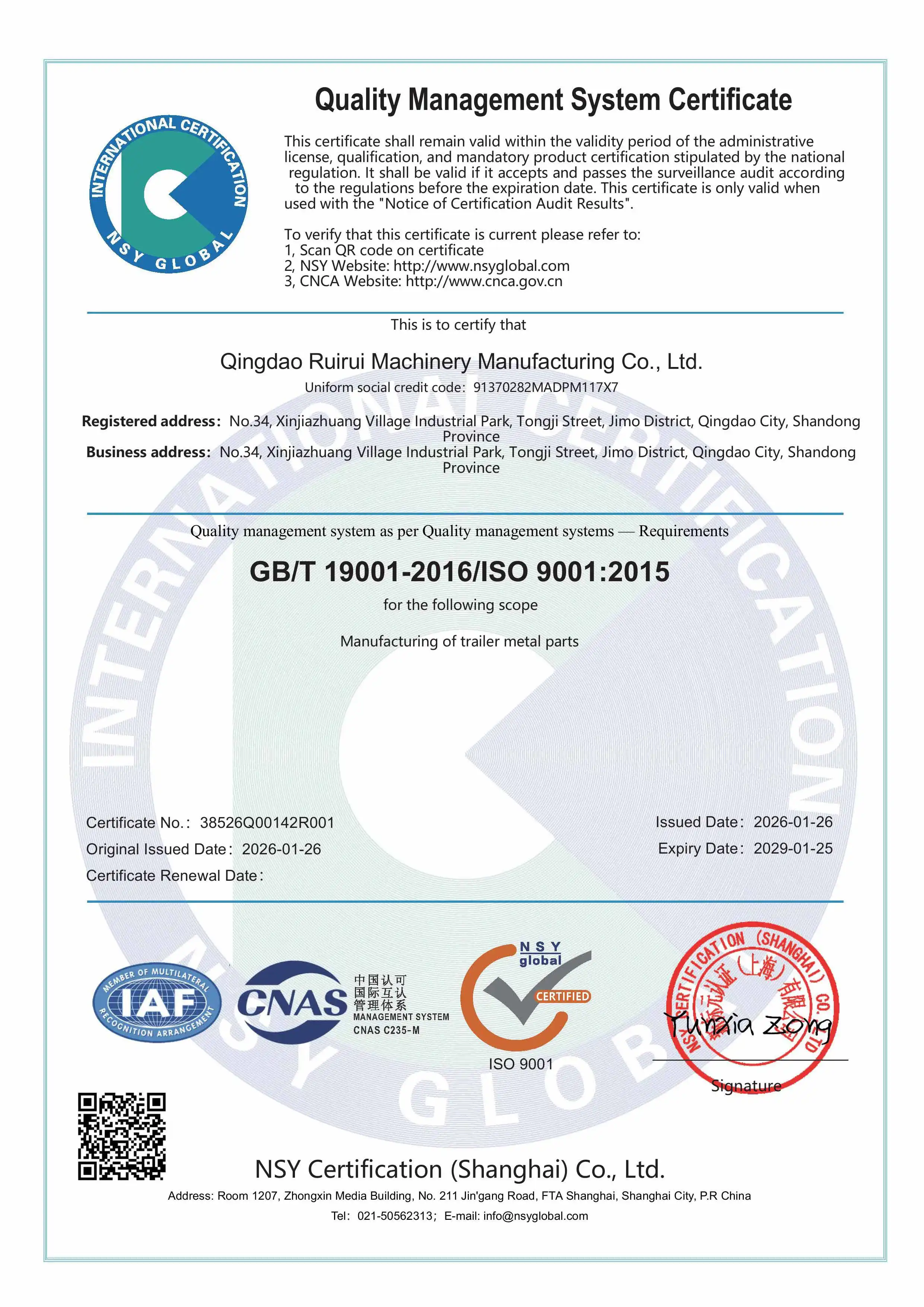
Partner with RUIRUI for Premium Steel Trailer Fender Solutions
The company Qingdao RUIRUI Machinery makes high-performance steel trailer fenders that are designed for tough business uses. Our 145mm wide, 1050mm long, and 340mm radius steel trailer fender is made with thick walls and precise manufacturing, giving professional fleets the sturdiness and weldability they need. As a well-known company that makes trailer fenders and has quality systems that are ISO-certified, we help business-to-business buyers who need reliable, unique solutions for utility trailers, commercial trucks, and other specialized equipment.
Procurement workers are welcome to look into partnership options with us through custom trailer fender development that is made to fit your exact needs. Our engineering team works with clients from the idea stage all the way through production, using cutting edge technologies like laser cutting, CNC machining, and progressive pressing. When you buy in bulk, you can get cheap factory-direct prices, help with handling at the container level, and quality paperwork that meets international standards. Get in touch with us at kshdhardware@qdkshd.com to talk about your trailer fender needs and find out how RUIRUI's production skills can improve the performance and dependability of your fleet.
References
1. Commercial Vehicle Safety Alliance. (2021). Inspection Standards for Trailer Components and Protective Devices. CVSA Publications.
2. American Society for Testing and Materials. (2020). ASTM A1008: Standard Specification for Steel, Sheet, Cold-Rolled, Carbon, Structural, High-Strength Low-Alloy. ASTM International.
3. National Highway Traffic Safety Administration. (2019). Federal Motor Vehicle Safety Standards: Trailer Requirements and Protective Devices. Department of Transportation.
4. Society of Automotive Engineers. (2022). Material Selection Guidelines for Heavy-Duty Trailer Components. SAE Technical Paper Series.
5. International Organization for Standardization. (2018). ISO 9001:2015 Quality Management Systems in Automotive Manufacturing. ISO Standards Catalogue.
6. Materials Performance Institute. (2020). Corrosion Prevention and Surface Treatment for Commercial Vehicle Applications. MPI Research Publications.

Send Inquiry
You may like