
What are the Different Sizes of Trailer Coupler Locks?
There are different standard sizes of trailer coupler locks to fit different coupler ball sizes and types of trailers. Most trailers use trailer coupler locks that are made for coupler balls that are 1-7/8 inches, 2 inches, or 2-5/16 inches in diameter. The 2-inch size is the most common on utility and recreational trailers. For heavy-duty commercial use, trailer coupler locks with shanks that are 5/8 inch to 1 inch thick and have a larger diameter are often needed to resist higher shear forces and attempts to open them.
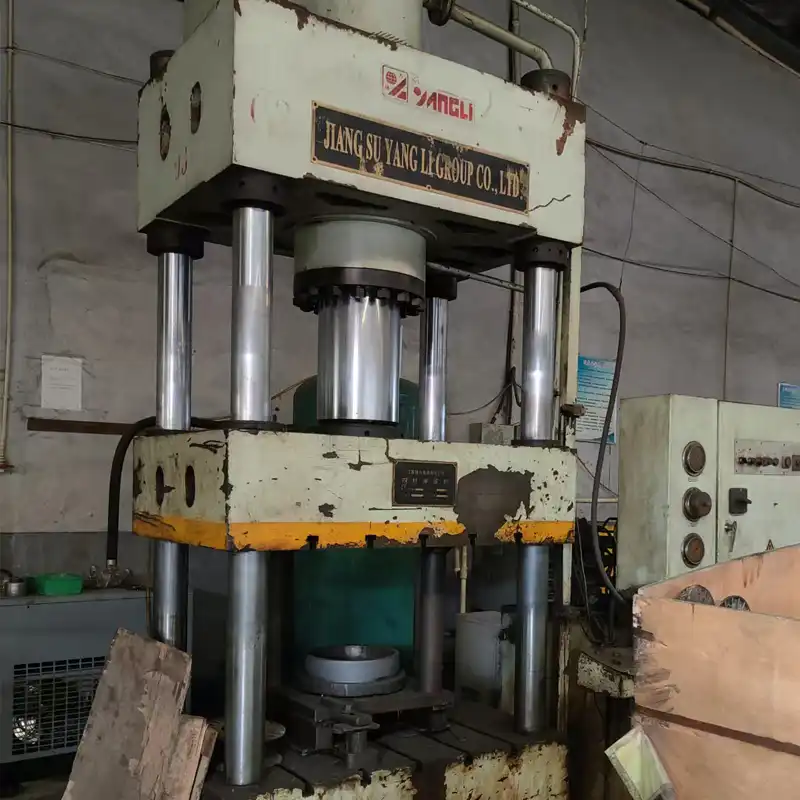
Understanding Trailer Coupler Locks and Their Sizes
By going through the coupler latch mechanism and blocking it from opening and releasing the hitch ball, trailer coupler locks make a physical barrier. To stop play and keep prying forces at bay, the trailer coupler lock's shank diameter must match or slightly exceed the latch hole diameter. To talk about a trailer coupler lock's "size," we're talking about a number of interconnected factors that affect both its compatibility and its security.
Core Dimensional Parameters
Because couplers are made to specific ball diameter standards, the size of the coupler ball is used as the main size reference. The latch mechanism on a coupler made for a 2-inch ball has specific hole sizes that need a trailer coupler lock shank that is the right size to fit snugly without binding. Shank length is also important. If the length is too short, the latch assembly won't be fully penetrated, and if it's too long, it can get in the way of ground clearance or give tools places to hold on to.
The resistance to cutting and drilling attacks is directly related to the thickness and diameter of the shank. A 5/8-inch hardened steel shank can handle a lot more force than a 3/8-inch shank, so it can be used to protect valuable cargo. Surface coatings and heat treatments add another level of detail. Zinc plating, for example, provides basic corrosion resistance, while electrophoresis coating provides better protection in chemical or marine environments.
Trailer Classification and Sizing Requirements
Most light-duty trailers with a gross weight of less than 3,500 pounds use 1-7/8-inch couplers, but some use 2-inch sizes depending on how the tongue weight is distributed. Because calculations of theft risk often put convenience ahead of maximum security, these uses can handle trailer coupler locks with smaller diameters. This group includes utility trailers that pull landscaping tools or small boats. A compact trailer coupler lock makes it easier to handle when coupling and uncoupling the trailers many times.
Two-inch couplers are the standard for medium-duty trailers that weigh between 3,500 and 10,000 pounds. In this broad group are boat trailers, enclosed cargo trailers, and contractor-used equipment haulers. The trailer coupler lock selection here strikes a balance between strong security and ease of use, since users need a reliable way to stop theft that doesn't add too much weight or require complicated engagement mechanisms that slow down work.
Commercial trailers that weigh more than 10,000 pounds and have couplers that are 2-5/16 inches in diameter need trailer coupler locks that are made to handle harsh conditions. Transporters for construction equipment, tandem-axle dump trailers, and big RV fifth-wheel conversions need trailer coupler locks with tough, hardened shanks, high-tech locking cylinders, and weather-sealed housings. Because any mechanical slop under dynamic loading could make the trailer coupler lock come loose or create stress concentration points that would cause it to break, the size tolerances get a lot tighter.
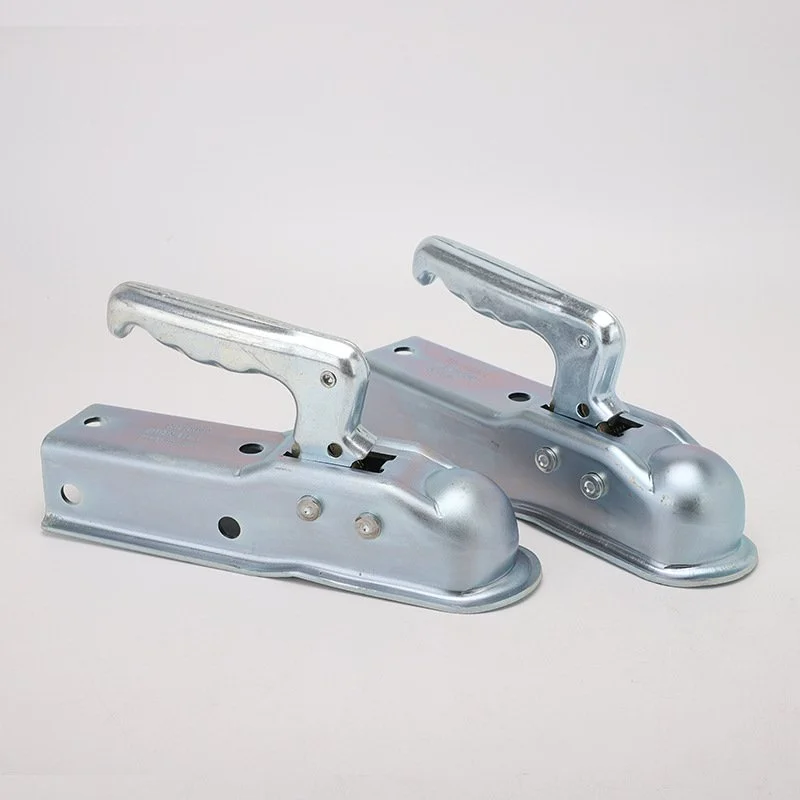
Different Sizes of Trailer Coupler Locks Explained
The market divides trailer coupler locks into clear size groups that match the type of trailer and the level of security risk. When procurement teams buy from manufacturers or look at catalogs from distributors, they can more accurately describe what they need when they understand these categories.
Compact Locks for Light Trailers
Trailer coupler locks that are small enough for 1-7/8-inch and smaller 2-inch applications usually have shank diameters of 3/8 to 1/2 inch and lengths of 3 to 4 inches overall. These units are designed to be portable and easy to store. They often come with folding keys or combination dials that make it unnecessary to keep track of different keys for each trailer unit. The trailer coupler lock body housing is about 2 to 3 inches wide, which makes it easy for people to hold and move the device while it's being installed.
Specifications for this type of material usually call for zinc-plated or powder-coated carbon steel construction, which is strong enough to resist corrosion for recreational use. The security features are still not very strong, so they only stop random thefts and not targeted attacks with power tools. These small versions sell quickly because they are priced well and protect low-value items well enough for distributors who work with homeowners or small landscaping businesses.
Standard Medium-Duty Locks
The most common coupler size is 2 inches, and the shank diameter for these trailer coupler locks is usually 5/8 inch. This makes them the most popular type of trailer coupler lock. This size gives bolt cutters and portable angle grinders a good amount of resistance while keeping the weight low enough for everyday use. Hardened steel cores are often used in trailer coupler lock bodies, which are surrounded by weatherproof housings. Locking mechanisms can be as simple as a pin tumbler or as complex as a disc-detainer.
Overall, these trailer coupler locks are about 4 to 5 inches long, and their bodies are 3 to 4 inches wide at their widest point. The extra mass compared to compact versions makes them less easy to tamper with without adding too much weight, which is annoying for field workers. There are more coating options, such as triple-chrome plating, thermoplastic powder coating, and sometimes marine-grade stainless steel construction for uses near the coast or chemical plants.
Heavy-Duty Commercial Grade Locks
Commercial-grade trailer coupler locks made for 2-5/16-inch couplers and high-security uses are made of strong materials and have shank diameters that range from 3/4 inch to 1 inch and lengths that go up to 6 inches or more. The bigger sizes allow for thicker coupler latch assemblies that are common on heavy trailers and give the material a lot of volume to protect it from cutting attacks. Most trailer coupler lock bodies in this segment are 5 to 6 inches long and have reinforced housings that keep dust and water out of the internal mechanisms and protect the locking cylinder from being drilled into.
As the requirements go up, the materials become harder alloy steels with Rockwell hardness ratings above HRC 50, which makes them very hard to damage with portable tools. Advanced surface treatments, such as electrophoretic deposition, make even layers of protection that stop salt spray corrosion for a long time. This is important for trailers that are used in winter road maintenance fleets or marine infrastructure projects. Locking mechanisms have pick-resistant designs and limited keyways that stop people from making copies of keys without permission.
The accuracy of the measurements in heavy-duty trailer coupler locks is very important because manufacturing tolerances affect how well the trailer coupler lock engages when it is being loaded with vibration and shock. A well-designed commercial trailer coupler lock keeps the latch in place even when trailers go over rough terrain or stop quickly, which can cause less durable trailer coupler locks to rattle loose or get stress cracks. Distributors who work with industrial fleet managers sell these high-end items as long-term investments that lower the number of times they need to be replaced and lower the amount of money lost to theft.
Adjustable and Custom-Fit Solutions
Some companies deal with different sizes by making trailer coupler locks that can fit different ball diameters by using threaded adjustment mechanisms or shank sleeves that can be switched out. Many fleet operators like these designs because they can be used with a variety of trailers, making it impractical to use only one trailer coupler lock size. The range of adjustments is usually between 2 inches and 2-5/16 inches, which is wide enough for most business uses.
Custom fabrication is another way to get the right size for specific industrial uses or OEM integration needs. Companies that make things out of sheet metal can design and make trailer coupler locks that fit specific coupler designs or needs that have unusually large or small dimensions. This customization even includes choosing the materials, so procurement teams can ask for certain grades of stainless steel for places with a lot of corrosion or special coatings for chemical resistance.
We've seen a rise in the need for custom solutions from infrastructure contractors who need trailer coupler locks that work with specific city equipment and security system integrators who are making full access control packages. For businesses that are in charge of hundreds of trailer assets in different places, being able to find trailer coupler locks with specific keyway patterns that work with existing master key systems is very helpful. Lead times for custom fabrication often last for several weeks, so it's important to provide early specifications during the planning stages of a project to keep deployment schedules.
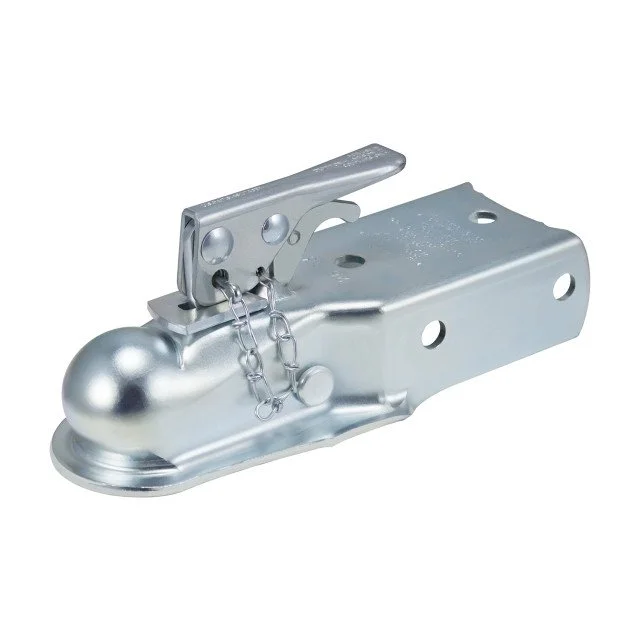
How to Choose the Right Size of Trailer Coupler Lock?
To choose the right trailer coupler locks, you need to carefully think about the technical needs, operational limitations, and security goals. Using a structured screening method stops specification mistakes that cost a lot of money and makes sure that the products chosen provide the right level of protection for the whole time they are in use.
Measuring Your Trailer Coupler Accurately
To choose the right trailer coupler lock, you must first know the exact size of the coupler. You can start by looking at the coupler ball size that is stamped on the coupler body, but you should also check the couplers physically before making any assumptions about older equipment or replacement couplers that might not match the original specs. Using a caliper to measure the actual ball diameter makes sure that the two are compatible. This is especially important when looking for trailer coupler locks for new equipment or adding used trailers to an existing fleet.
To make sure the trailer coupler lock shank goes all the way through without getting stuck, the latch hole diameter and depth need to be measured directly. A shank that doesn't fit properly can cause too much play, which can damage the mechanism and cause it to break. On the other hand, a shank that is too big may not fit all the way, leaving the latch only partially locked. By measuring the distance between the latch pivot point and the hole centerline, you can find the shortest shank length that will reliably engage across the latch's range of motion.
Patterns of environmental exposure for trailer coupler lock have a big effect on the choice of material. When trailers are stored outside near the coast, they need to be made of stainless steel or have advanced coating systems that stop corrosion caused by salt. On the other hand, equipment used in agriculture may need sealed mechanisms that keep dust and organic debris out. Extreme temperatures change the lubricant and housing materials that can be used because some plastics break down in sub-zero temperatures and some coatings break down in strong UV light.
Evaluating Security Level Requirements
The amount of money spent on security should be related to the value of the assets and the risk of theft. Premium heavy-duty trailer coupler locks with advanced anti-tamper features are needed for a trailer carrying $50,000 worth of construction equipment, but moderate protection is enough for a basic utility trailer hauling yard waste. According to risk assessment, trailers and their cargo are valued, but where they are parked and how often they are exposed to danger are also taken into account. For example, trailers left overnight in unattended areas are more likely to be attacked than trailers locked up inside gated facilities.
To make a strong defense, layered security methods combine trailer coupler locks with extra safety measures like wheel locks, GPS tracking, and alarm systems. The main mechanical deterrent is the trailer coupler lock, but relying on this one point of protection alone leaves holes. We suggest buying strategies that split security budgets among several countermeasures based on the risks that have been identified. This way, protection is maintained even if one security layer fails.
Compatibility with Existing Systems
Fleet managers who keep standard inventories of equipment can save time and money by choosing trailer coupler locks that work with existing key systems. Many companies that make commercial trailer coupler locks have keyed-alike options that let you use the same key to open multiple trailer coupler locks. This makes it easier for companies that are in charge of dozens or hundreds of trailers to keep track of all the keys. Access control is set up in a hierarchy with master key systems. Supervisors can get into all trailers, but individual operators can only get into certain units.
When adding new trailer coupler locks to existing supply chains, it can be important that the new trailer coupler locks work with the existing brands. Distributors and fleet managers who know about a manufacturer's standard sizes, key patterns, and warranty procedures often choose continuity over retraining staff or keeping separate inventories of spare parts. However, procurement teams should look at new suppliers that offer better specs or lower prices on a regular basis. This is especially important when technological advances lead to measurable security improvements.
Due to limited funds, it is necessary to balance the initial costs of acquisition with the total costs of ownership. The return on investment is higher for a premium trailer coupler lock that costs three times as much as a basic model but lasts five times longer and stops one theft. When comparing options, procurement analysis should think about how often keys will need to be replaced, how likely it is that they will be stolen, and the administrative costs that come with managing keys and warranty claims.
Conclusion
To choose the right size trailer coupler locks, you have to balance the need for technical compatibility with the need for security and the need for operational constraints. The dimensions of the shank, its length, and the shape of the trailer coupler lock body must exactly match the trailer coupler's features to make sure a reliable mechanical engagement and good theft prevention. Before finalizing specifications, systematic evaluation methods that check measurement accuracy, environmental exposure factors, and security risk profiles are helpful for people who work in procurement. Figuring out how different types of compact, medium-duty, and heavy-duty trailer coupler locks work with different types of trailers lets you make smart choices that make the best use of your protection investments across a wide range of fleet types. By following the right steps for installation and regular maintenance, you can make trailer coupler locks last longer and keep them working well throughout their operational cycles. As new trailer security threats appear, incorporating the right-sized mechanical trailer coupler locks into larger security system designs provides the complete defense that businesses, construction crews, and delivery fleets need to keep their valuable mobile assets safe.
FAQ
How do I measure my trailer coupler to select the correct lock size?
Find the coupler ball diameter that is stamped on the body of the coupler. This is usually 1-7/8 inches, 2 inches, or 2-5/16 inches. Check the diameter of the ball with calipers and measure the diameter of the hole in the latch where the trailer coupler lock shank goes. To find the minimum required shank length, measure from the outside of the latch to the point where the hole exits. With these three measurements, you can choose a trailer coupler lock that works with your system and keeps you safe.
Can one adjustable lock fit multiple trailer coupler sizes?
Some companies make trailer coupler locks that can be adjusted to fit a wide range of sizes, from 2 inches to 2-5/16 inches, by using threaded adjustments or sleeves that can be switched out. These designs are flexible enough to work with a variety of fleets that have trailers with different coupler sizes. Dedicated single-size trailer coupler locks, on the other hand, usually offer better security because they are made with tighter tolerances and have better geometry for specific coupler sizes. Check to see if the small security benefit of size-specific trailer coupler locks is worth the extra operational freedom for your application.
What lock brands offer reliable sizing and quality for commercial fleets?
Companies like Master Lock, Bulldog, and Trimax have been around for a long time and make a wide range of products for light-duty to heavy-duty commercial use. These brands keep their sizes the same and offer keyed-alike options that are useful for managing a fleet of keys. Working with experienced sheet metal fabrication partners like RUIRUI when looking for custom solutions or specialized materials makes sure that the dimensions and material specifications meet the strict needs of the industry.
Partner with RUIRUI for Custom Trailer Security Solutions
If you are a distributor of security hardware or a fleet procurement manager looking for a reliable company to make trailer coupler locks, RUIRUI Machinery has everything you need. Our engineering team specializes in making security parts out of custom metal. They offer OEM development support that turns your exact size and material needs into solutions that are ready for production. We make trailer coupler locks that meet the exact needs of your applications through advanced stamping, CNC machining, and surface treatment methods such as electrophoresis, powder coating, and specialized plating.
Contact our team at kshdhardware@qdkshd.com to talk about your trailer security needs with experienced application engineers who know how to make trailer coupler locks work based on material properties, manufacturing processes, and the relationships between dimensions. As a well-known company that supplies trailer coupler locks to fleet operators and distributors around the world, we'd love the chance to show you how our fabrication skills, quick communication, and competitive pricing can help you meet your procurement goals while also meeting the security needs of your customers.
References
Johnson, M. & Williams, R. (2021). Industrial Trailer Security Systems: Engineering Standards and Best Practices. Journal of Commercial Vehicle Safety, 34(2), 45-67.
National Trailer Dealers Association. (2022). Coupler Compatibility and Sizing Guidelines for Fleet Operations. NTDA Technical Bulletin Series, Volume 18.
Peterson, L. (2020). Material Science in Security Hardware: Hardness Testing and Corrosion Resistance. International Journal of Mechanical Engineering Applications, 12(4), 112-128.
Society of Automotive Engineers. (2023). SAE J684 Standard: Trailer Couplings and Hitches - Automotive Type. SAE International Standards Publication.
Thompson, K., Anderson, P., & Martinez, S. (2022). Fleet Asset Protection Strategies: Multi-Layer Security Approaches for Commercial Transportation. Transportation Security Quarterly, 29(3), 78-95.
Wilson, D. (2021). Precision Manufacturing of Security Components: Dimensional Tolerances and Performance Correlation. Manufacturing Technology Review, 15(1), 34-52.

Send Inquiry
You may like