
What are the Different Types of Trailer Couplers Available?
When buying parts for industrial transportation systems, procurement teams that are in charge of big equipment companies need to know about the different types of trailer couplers. An important mechanical part that links a trailer to a pull vehicle's hitch and keeps the load safe while it's being moved is the trailer coupler. The locking mechanisms, weight-bearing structures, and safety locks in these devices are made to survive the dynamic forces of the road, thermal expansion, and working pressures that are common in business settings. Choosing the right type of coupler has a direct effect on the safety of the fleet, the cost of ownership, and compliance with transportation rules. This detailed guide covers all the technical details, material concerns, and choice factors that purchasing professionals need to know when looking at hitch couplers for commercial use.
Understanding Trailer Couplers – Key Concepts and Components
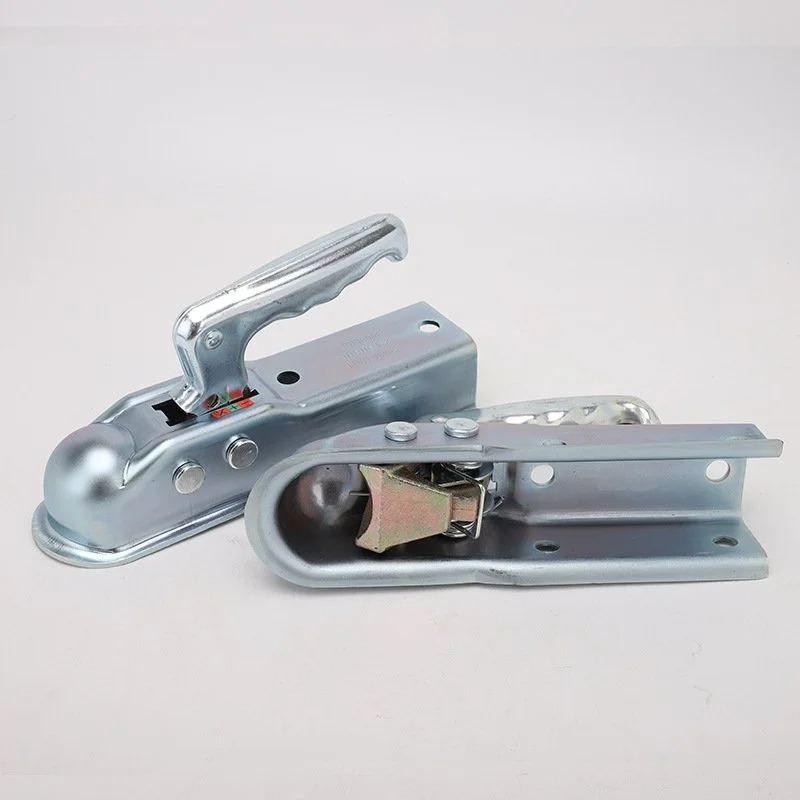
Modern trailer link systems use carefully designed mechanical joints to spread the weight of the trailer while keeping it stable. The main part of the system is the coupler body, which includes the latch mechanism, connection points for safety chains, and hardware for locking. Within the general pulling system, each part does a different job.
Core Connection Mechanisms
The coupler body has a receiving tube or socket that is made to fit certain types of hitches, like ball mounts, pintle hooks, or kingpin systems. The tongue of the trailer sends both vertical loads and horizontal pulling forces to the frame of the tow car through this interface. Precision-cast or welded construction is used to make sure that high-quality coupler bodies are the right size and will stay strong even when they are loaded and unloaded many times.
Safety Features and Load Ratings
The most important safety feature of the trailer coupler is the locking latch, which keeps the two parts from coming apart by mistake while they're working. Industrial-grade latches have over-center cam designs, retention systems that are loaded with springs, or positive-locking lever mechanisms. Standardized testing procedures look at the maximum gross trailer weight (GTW) and tongue weight (TW) limits to come up with weight capacity numbers. Teams in charge of buying things should make sure that the capacity numbers include enough safety margins—usually 20 to 30 percent more than the maximum expected loads—to account for dynamic stress factors that happen when moving quickly, stopping quickly, and going over rough terrain.
Sizing Standards and Measurement Protocols
There are standard sizes for couplers based on the ball diameter (which can be anywhere from 1-7/8" to 3" for ball couplers), the channel width for pintle setups, or the kingpin diameter for fifth-wheel uses. To get an accurate measurement, you need to look at both the coupler's receiving size and the hitch component that goes with it. The Society of Automotive Engineers (SAE) J684 standard includes detailed rules for coupler classes that make sure different brands and types of equipment can work together.
Exploring the Different Types of Trailer Couplers
Knowing the unique features of different coupler designs helps procurement workers match the specs of tools with the needs of operations. Each type has its own benefits that make it better for certain types of loads and applications.
Ball Couplers
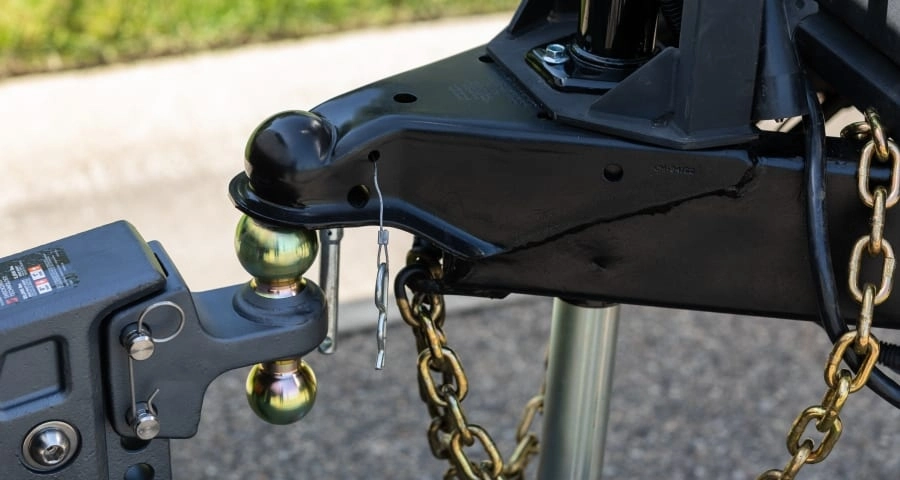
Ball couplers are most common in light to medium duty uses. They use a circular ball mount that fits inside a socket-style coupler. A locking handle or cam lever holds the latch device in place as it closes over the ball. Gross trailer weights can be anywhere from 2,000 to 15,000 pounds, based on the diameter of the balls and the quality of the building. Ball couplers allow for smooth movement when turning, which makes them perfect for utility trucks, equipment haulers, and farm transport situations where direction changes happen a lot.
Ball-style connections are widely used because they are easy to use, don't cost much, and work with a wide range of household and business tow vehicles. The standard sizes make it easier for different companies to exchange, which is appreciated by procurement teams. There isn't much maintenance that needs to be done, but the locking latch and ball wear patterns need to be checked regularly to make sure they stay reliable.
Pintle Hook and Lunette Ring Systems
Pintle hook and lunette ring combinations are used in heavy-duty industrial settings where a strong link is needed. The pull vehicle's pintle hook, which is shaped like a horn, connects to the trailer tongue's lunette ring, which is also known as the tow ring. This concept works really well off-road, for military transport, and in building settings where extreme flexibility and resistance to shock are very important.
Pintle hook systems can handle a lot of movement both horizontally and vertically without breaking the link. The hook-and-ring coupling is better mechanically because it spreads impact forces over a bigger contact area than ball couplers. For heavy-duty models, the load limits range from 10,000 pounds to over 60,000 pounds. On the other hand, they make more noise when they're working and can't move as smoothly as ball-type links.
Gooseneck Couplers
Gooseneck couplers attach directly to the back axle of the tow vehicle. This puts the hitch ball in the truck bed instead of on the trunk of the tow vehicle. This setup moves the weight straight onto the drive axle, which improves steadiness and grip when pulling heavy loads. The trailer coupler looks like a large ball-type link. It usually uses 2-5/16" or 3" balls that can hold up to 30,000 pounds.
When the total weight is higher than what a standard hitch can handle, like on animal trucks, flatbed haulers, and specialized equipment, fleet managers prefer gooseneck systems. The higher seating point gives you more room to turn sharply and lessens the stress on the tow vehicle's frame. Compared to receiver-mounted couplers, these are harder to install because they need fixed fixing hardware that is built into the structure of the truck bed.
Fifth-Wheel Couplers
Fifth-wheel connections are the best in heavy-duty pulling technology. They use a kingpin-and-jaw system that is similar to how semi-tractor trailer connections work. The coupler is made up of a fifth-wheel plate that stays in place and is attached to the bed of the tow vehicle, as well as a kingpin assembly that sticks out from the trailer. When the trailer is backed up, the automatic closing jaws hold the kingpin in place, making the link strong enough to hold more than 30,000 pounds.
Compared to other heavy-duty choices, this design offers better weight distribution, easier maneuverability for big trailers, and less upkeep. Commercial haulers, companies that make pleasure vehicles, and companies that sell industrial tools all choose fifth-wheel systems because they are reliable under long-term high-load conditions. The automatic interaction process cuts down on the time it takes to couple up and the chance of an operator making a mistake during fleet operations.
Quick-Release and Adjustable Couplers
For certain uses, quick-release systems are useful because they let you connect and remove trailers quickly and without using any tools. These couplers have latches that are operated by a lever or air release systems that cut the time it takes to join from minutes to seconds. Quick-release systems save a lot of money on labor costs for places like distribution centers, transport facilities, and equipment yards with a lot of moving parts.
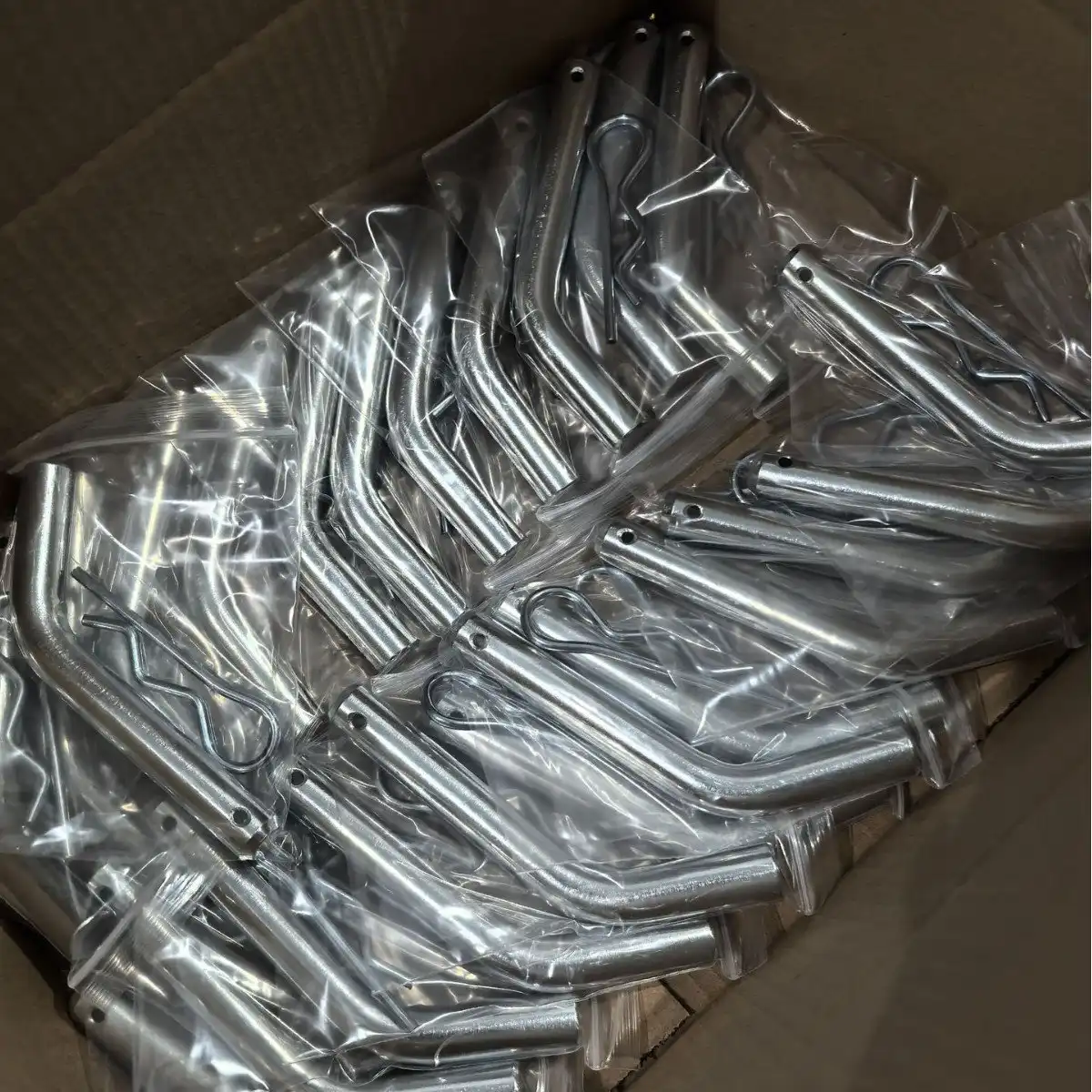
Adjustable couplers have channel-based designs that let you move them up and down vertically to suit different tow car and trailer heights. This versatility comes in handy when handling a variety of tools and standard tongue heights can't be kept up. Usually, the system for adjusting the height has locking pins or set screws that keep the chosen height setting while the machine is working.
Comparing Trailer Coupler Materials and Designs
Choice of material has a direct effect on coupler's longevity, weight, resistance to rust, and costs over its entire life. When making a purchase choice, the original investment must be weighed against the long-term performance needs and maintenance costs.
Steel Versus Aluminum Construction
Due to its high tensile strength and resistance to pressure, high-carbon steel is still the standard material for making heavy-duty couplers. It is possible for steel couplers to resist multiple stress cycles, wear from road debris, and the heavy loads that are common in commercial settings. Surface treatments like powder coating, galvanization, or zinc plating protect against rust in salty seas and places where road salt is used a lot.
Aluminum alloy couplers are lighter and can be used in situations where the carrying capacity is limited or where fuel economy is the most important factor in the purchase decision. Marine-grade metal naturally fights corrosion in salt water, so there is no need to maintain coatings. Aluminum couplers can only be used for light- to medium-duty jobs, usually with trailer weights below 10,000 pounds, because they aren't as strong as steel when it comes to weight. Aluminum construction costs 30 to 50 percent more than steel building of the same size.
Adjustable Design Considerations
Fixed-height couplers give structures the most strength and make manufacturing easier. This leads to lower unit costs and easier upkeep. Their use is best for standardized fleet operations where worries about height difference are eliminated by using tools with consistent specs. Installation sets the height of the coupler for good, so it's important to take the right measurements during the first setup to make sure the trailer is level.
With their moving channels, locking pin assemblies, and height adjustment systems, adjustable couplers add a lot of mechanical complexity, including the trailer coupler. This adaptability lets mixed-fleet operations work, where trucks from different makers or different load conditions need to be leveled. The extra mechanical connections add possible wear spots that need to be checked regularly. Procurement teams have to weigh the operating freedom against the higher costs of initial investment and the need for more upkeep.
Latch Mechanism Variations
Over-center latch designs use a toggle mechanism that locks past the pivot point's axis. This makes a self-sustaining closure force that can't be opened by shaking. These locks have to be deliberately released by hand, so they are safe even in the worst situations. When used off-road or in heavy-duty situations where mechanical shock is common, the design works especially well.
Cam lock systems use spinning cams that press against the coupler body, creating clamping force that is related to the geometry of the cam profile. You don't need any tools to use these devices, and you can see that they are locked in place. During maintenance times, the cam wear surfaces and retention spring state must be checked to make sure the locking works properly.
Lever latch systems are popular in light-duty and consumer-grade uses because they are easy to use because they only need one lever to be actuated. To meet business safety standards, industrial applications use stronger materials and extra safety pins. The simple mechanical design makes fixes easier in the field and reduces the amount of training workers need.
How to Choose the Right Trailer Coupler for Your Business Needs
Systematic evaluation methods make sure that the coupler specs meet working needs, regulatory requirements, and goals for total ownership cost. When looking for parts for industrial fleets, procurement workers should use more than one decision factor.
Load Capacity Analysis
Gross trailer weight (GTW) rates must be higher than the maximum loaded trailer weight by safety margins that are in line with insurance rules and laws in the area. The tongue weight is usually between 10 and 15 percent of the total weight of the trailer, and it has to be within the standards for both the coupler and the car hitch. Dynamic loading factors, such as acceleration forces, deceleration during stopping, and turning loads, raise the effective stress above the weight numbers. To come up with the right capacity requirements, engineering teams should figure out the worst-case loading situations that take into account changes in payload density, uneven load distribution, and the features of the terrain.
Compatibility Assessment
The choice of trailer coupler relies on the current hitch configurations on the tow vehicle, the shape of the trailer tongue, and the goals for standards across the fleet. Standard coupler types make it easier for equipment to be swapped out and lower the need for extra parts inventory. This is good for mixed-fleet operations. Even though they are less compatible across the whole fleet, specialized coupler types that are optimized for specific operational profiles may be necessary for some uses.
Customization for Specialized Applications
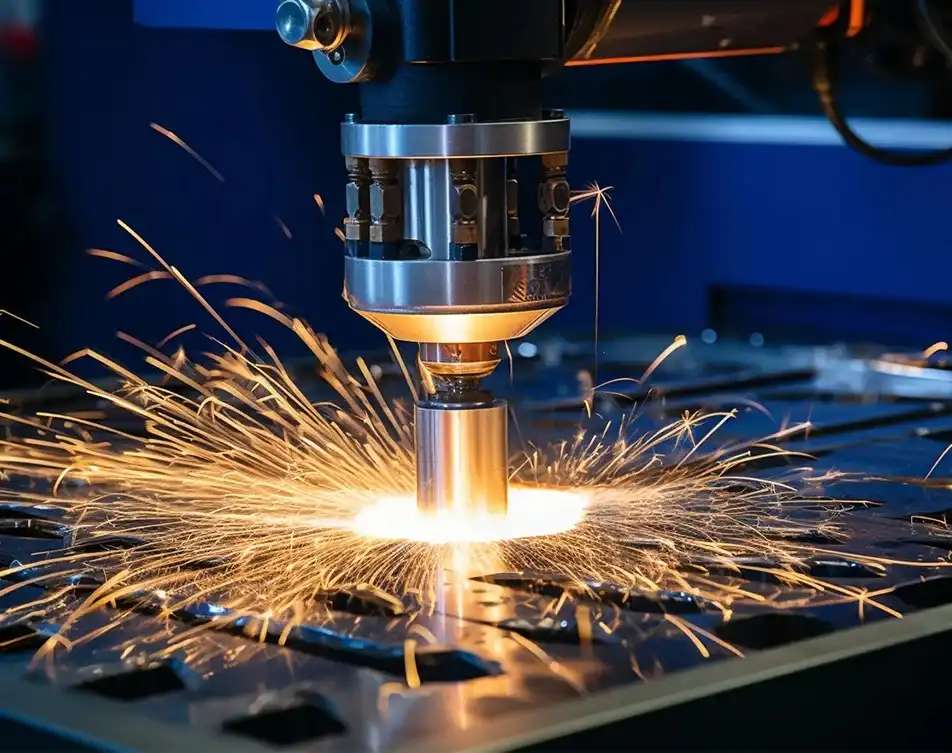
Custom coupler manufacturing meets specific operating needs that go beyond what standard products can do. Precision metal manufacturing is what we do best. We use advanced CNC machining, laser cutting, and progressive stamping techniques to make custom coupler systems that meet your exact needs. Our engineering team works with buying experts to come up with solutions that use unique materials, don't meet standard load ratings, or have built-in ways to put sensors for fleet management systems. For custom fabrication jobs, production methods that are ISO 9001 approved make sure that measurements are correct and that materials can be tracked.
Bulk Procurement Strategies
When big fleet owners buy from manufacturing partners at the container level, they can save money on each unit while keeping the supply chain running smoothly. Long-term supply deals set stable prices, give production schedules priority, and make sure that engineers have the help they need to make changes to specifications. With our factory-direct price plan, there are no markups for distributors. This saves you money, especially if you buy more than 500 units a year. Technical paperwork packages with material approvals, dimensional inspection records, and load testing data help institutional buyers and government companies meet their quality assurance needs.
Conclusion
Picking the right trailer coupler is an important purchase choice that will affect the safety of the fleet, how well it runs, and how much it costs to maintain in the long run. By knowing the detailed differences between ball couplers, pintle hook systems, gooseneck assemblies, and fifth-wheel connections, you can match the specs of the tools you need to the needs of the job. Lifecycle value propositions are affected by material factors that weigh the benefits of lighter aluminum over stronger steel. Systematic review of load capabilities, compatibility requirements, and maintenance routines makes sure that choices about what to buy are in line with practical goals and that safety standards and regulatory compliance are met throughout the life of the equipment.
FAQ
1. How do I determine the correct coupler size for my trailer?
Use calipers to find the hitch ball diameter on your tow car and match it to the size measurement for the coupler socket. Make sure that the load values for both the coupler and the hitch ball are the same and are equal to or greater than your gross trailer weight. Check the SAE J684 guidelines for the exact size requirements for each class to make sure the right fit and safety.
2. What safety features should I prioritize when sourcing couplers?
Positive-locking latches with visual proof indicators, secondary safety pins, and load ratings that are at least 25% higher than the highest working standards should be given the most attention. Look for couplers that are made under ISO quality control systems and meet or go beyond SAE J684 standards. Integrated safety chain connection points and coatings that don't rust make business uses more reliable over the long run.
3. Can I use different coupler types interchangeably across my fleet?
How easily two trailer tongues can be switched out depends on how the tow vehicle's hitch is set up. Using the same type of couplers across all of your vehicles makes upkeep easier and training less necessary, but some situations may call for specialized tools. Before adopting fleet-wide standardization efforts, talk to your tech teams to make sure that your particular car and trailer pairs will work together.
Partner with RUIRUI for High-Quality Trailer Coupler Manufacturing
Qingdao RUIRUI Machinery is an expert at making trailer couplers and other tow devices that are precisely designed to meet strict industry standards. Our wide range of metal manufacturing skills, such as CNC machining, laser cutting, progressive pressing, and automated welding, allow us to make solutions that are exactly what you need. As an ISO 9001-certified trailer coupler maker, we keep a close eye on quality throughout the whole process. We have specific inspection methods that make sure the dimensions are correct and the materials are compatible.
Our experienced engineering team helps with procurement choices by giving expert advice on everything from figuring out load capacities to choosing materials and making changes to custom designs. Our eight production lines can make more than 130,000 units a year, with wait times that are best for large orders. This includes normal ball couplers for light-duty uses and heavy-duty pintle hook assemblies for industrial transport. We ship containers to global distributors, building contractors, and equipment makers in North America, Europe, and the Middle East. Our prices are reasonable because we sell directly from the plant.
Contact our sales team at kshdhardware@qdkshd.com to discuss your trailer coupler requirements, request technical specifications, or obtain volume pricing for upcoming procurement projects. Visit sheetmetalprocessingplant.com to explore our complete range of towing components and discover how our OEM customization services can enhance your supply chain efficiency.
References
1. Society of Automotive Engineers. (2021). SAE J684: Trailer Couplings and Hitches—Automotive Type. SAE International Standards.
2. National Highway Traffic Safety Administration. (2020). Federal Motor Vehicle Safety Standards: Trailer Hitch Systems and Towing Components. U.S. Department of Transportation.
3. American Society for Testing and Materials. (2019). ASTM A641: Standard Specification for Zinc-Coated (Galvanized) Carbon Steel Wire. ASTM International.
4. International Organization for Standardization. (2018). ISO 1102: Mechanical Coupling between Tractors and Semi-Trailers—Dimensions. ISO Technical Committee 110.
5. Trailer Manufacturers Association. (2022). Best Practices Guide for Commercial Trailer Coupling Systems. Industrial Equipment and Fabrication Division.
6. Canadian Standards Association. (2020). CSA B62: Selection and Use of Highway Trailer Couplers. Transportation Safety Standards Series.

Send Inquiry
You may like