
What are the Different Types of Trailer Fenders?
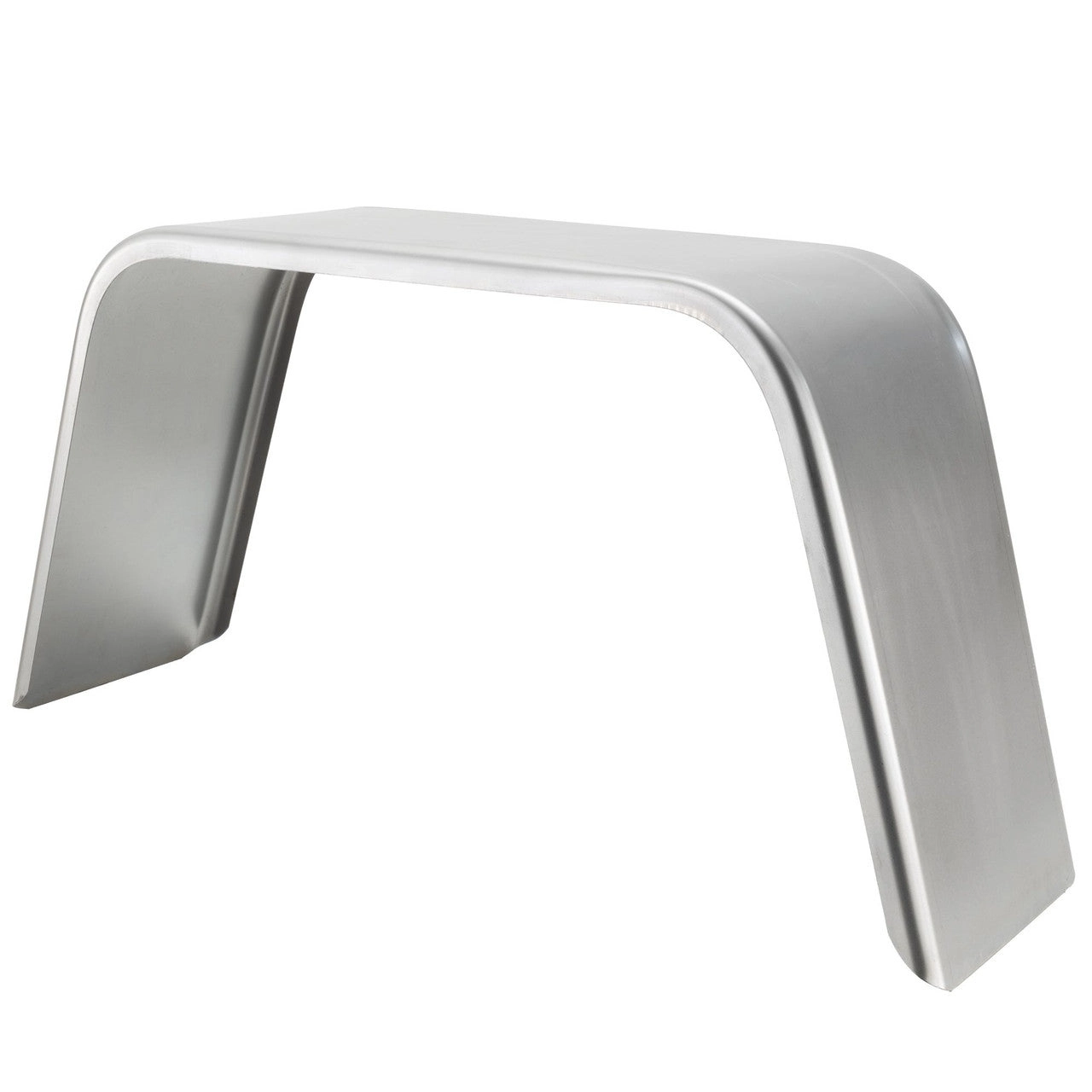
Trailer fenders are important safety features that keep wheels safe from road debris, mud, and water spray while also protecting goods and the infrastructure around the trailer. The designs of these parts are very different, ranging from flat utility styles to step-on setups and enclosed models. They come in a number of different materials, such as steel, aluminium, and mixed plastics. The choice of material has a direct effect on how long something will last, how much it will cost, and how much weight it can hold. This is why it's important for procurement professionals to know the differences between options like steel fenders that are easier to weld and aluminium alternatives that won't rust in certain operational environments.
Understanding Trailer Fenders: Function and Classification
Core Functions of Trailer Protection Systems
It's not enough for protective trailer fender systems to just keep trash in one place. They keep stones from hitting hydraulic lines, electrical cables, and cargo areas that are close to wheel assemblies and damaging them. In heavy-duty construction equipment hauliers, these parts keep dirt from flying out at high speeds while the equipment is being moved across uneven job sites. The design of the structure has to be able to handle strong impact forces while still staying strong under the constant vibrations that happen in long-haul logistics.
Compliance with regulations is another important role. In North America and Europe, transportation officials have specific coverage rules that measure the minimum thickness of the fender in relation to the size of the tyre. When cities bid on building projects, they often need approved safety gear that meets DOT standards. This makes choosing the right parts during the planning stages of the procurement very important.
Material-Based Classification Systems
According to industry norms, fender assemblies are mostly grouped by the material they are made of, as each has its own mechanical qualities. Different types of steel made from cold-rolled ASTM A1008 or hot-rolled pickled grades have a very high modulus of elasticity. This means that they can handle hits by deforming slowly instead of breaking completely. This trait is very important in situations where the worker might come into touch with loading tools on a regular basis.
The weight of aluminium alloy choices is about 30% less than the weight of steel forms that are the same. This benefit means that heavier configurations can carry more weight, but buying teams need to keep in mind that aluminium has a lower yield strength when looking at step-on trailer fender uses that need to hold weight.
Composite plastics, which are usually polyester or polythene with glass fibres added to them, don't corrode at all. This type of material is good for marine transport and chemical hauling, but it isn't very good at withstanding impacts, so it can't be used in harsh industrial settings.
Design Configuration Categories
Different versions of a functional design meet different operating needs. Standard utility trailers, where saving money is the main factor in buying choices, work well with flat panel setups. Landscape companies and car hauliers look for step fenders with reinforced platforms that make it safe for workers to get to trailer beds. This is an important feature for long-term operating ease.
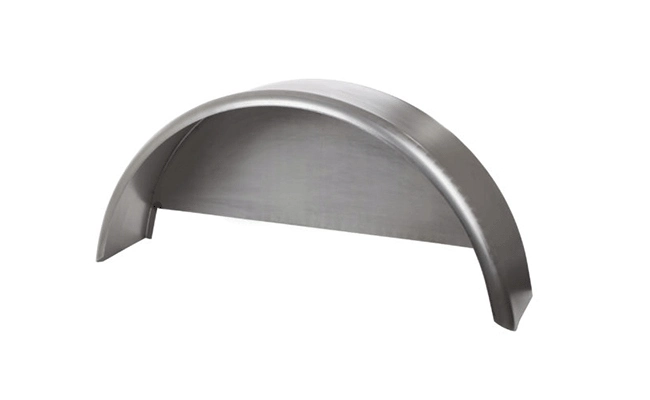
Enclosed or "tear-drop" designs give the most protection by wrapping wheel parts to keep spray patterns in check while moving in wet weather. This configuration meets strict city standards for trucks working in urban areas where public safety rules require full debris containment.
Types of Trailer Fenders: Materials and Designs Explained
Steel Construction Advantages and Specifications
Steel trailer fender kits are the most common type used in heavy industry because they are stronger. The dimensions of a standard steel trailer fender—145 mm wide, 1050 mm long, and 340 mm in diameter—show the design characteristics that are common in tandem axle setups. High-quality steel parts have thick walls that make them easy to weld to trailer frame members. This makes it possible to make unified chassis structures that can handle rough shipping conditions.
Progressive pressing or deep-drawing are used to make steel versions, which allows for exact control of the dimensions needed for proper tyre clearance. The ability to be welded is especially useful for custom building projects where mounting brackets, rock sliders, or extra storage racks need to be attached directly to the fender surfaces. This changes the part from an inactive safety feature into an active structural element that can support more machine loads.
Managing corrosion is still the most important part of upkeep. Powder coating, galvanising, or electrophoresis treatments can greatly increase the useful life of a product. However, the standards for coating thickness and adhesion should be included in the purchase documents to make sure the product works well in salty environments that are common along coastal shipping routes.
Aluminum Alloy Performance Characteristics
Aluminium trailer fenders made from 5052 or 6061 alloys have clear benefits in certain situations. The material's natural oxide layer protects against rust without any extra coatings, which means it needs less long-term upkeep. When a vehicle has more than one track, losing weight is especially important because it makes the vehicle handle better and wear its tyres more evenly.
The choice between aluminium and steel depends on the needs of the product. Aluminium's thermal qualities and light weight make it useful for moving temperature-sensitive goods in enclosed, lightweight cargo wagons. On the other hand, construction equipment hauliers who hit fenders over and over again in places with a lot of debris may experience premature stress cracks in aluminium parts that aren't thick enough.
Composite Plastic and Specialty Materials
Material price changes must be taken into account in cost analysis. Buying things made of aluminium usually costs more than buying things made of steel, but when you figure out the lifetime cost, you should take into account the fact that upkeep will be done less often and fuel savings could come from less weight over longer service periods.
High-density polythene and fiberglass-reinforced composites are used in specific situations where resistance to rust is worth sacrificing resistance to impact. Marine transport uses that put parts in saltwater settings clearly show composite benefits. So do chemical hauling jobs where acidic splash-over would quickly break down metal alternatives.
Because injection moulding and thermoforming are flexible ways to make things, they can be used to make complex bent shapes that are hard to make with metal forming. This lets optimised aerodynamic shapes lower drag coefficients, which is important for long-haul fleet owners who are figuring out how to save fuel over thousands of hours of operation each year. Because composites are brittle at low temperatures, they can't be used for equipment that works in very cold places.
How to Choose the Right Trailer Fender for Your Business Needs?
Application-Specific Selection Criteria
Systematic review of exposure factors is needed to match trailer fender specs to operating conditions. Heavy-gauge steel construction with strengthened mounting brackets is what equipment hauliers choose when moving excavators and bulldozers across gravel mine sites because it absorbs impact better than weight. The ability to dent rather than break keeps the protective function even after hard hits, keeping safety shields between moving tyres and expensive hydraulic equipment.
Utility trailer configurations used for gardening or general cargo tasks have to balance the need for safety with the need to stay within budget. Heavy-duty steel or aluminium options are too expensive for paved-route activities, but moderate-duty steel or aluminium options are good for keeping litter in check. Step-on mobility features make operations more efficient for teams that load equipment several times a day, which justifies the higher initial investment by saving time on labour.
Environmental contact patterns have a big effect on the choice of material. Galvanised steel or aluminium standards are better for trailers that mostly work in coastal areas or places that use road salt in the winter. This is because controlling rust directly affects how often the trailer needs to be replaced and how much it costs to own overall.
Customization and Bulk Procurement Advantages
Standard catalogue sizes work for a lot of uses, but custom manufacturing lets you find the best solutions for unique pieces of equipment. A steel trailer fender can be made to fit a certain radius, making sure that tyres have enough room on narrow-track layouts or wheelbases that have been changed. Adjusting the width works with over-sized tyres that are popular for transporting off-road equipment, and adjusting the length works with tandem or triple-axle setups that need continuous covering.
In addition to lowering unit prices, buying in bulk has big economic benefits. By making supply deals with manufacturers that offer OEM customisation, you can be sure that all of your fleet purchases will be the same size. This makes managing your inventory easier and makes installation simpler. Container-level shipments from production sites make logistics cheaper for distributors who serve area markets, and factory-direct price makes them more competitive.
Specification documents should include information about how to solder, the shapes of mounting holes, and the standards for surface finish to make sure that the new trailers will work with the ones that are already out there. By sending engineering drawings or sample parts during the quote process, you can get rid of any confusion about measurements that could cause production plans to slip or require expensive fixes.
Lifecycle Cost Analysis Framework
Total cost evaluation goes beyond purchase price to cover installation labour, upkeep intervals, and replacement frequency over expected service life. Steel fenders need to have their coatings inspected and touched up on a regular basis, which costs money on maintenance. On the other hand, aluminium fenders with anodised finishes may not need to be maintained for longer periods of time, even though they cost more to buy.
When figuring out the cost per operating hour, load-bearing applications support the higher standards. Step fenders that support repeated worker weight loads keep workers from getting hurt and equipment from breaking down, which costs a lot more than the changes in the cost of individual parts. Keeping track of safety events and claims for damaged equipment makes it easier to show why specifications should be improved during procurement review rounds.
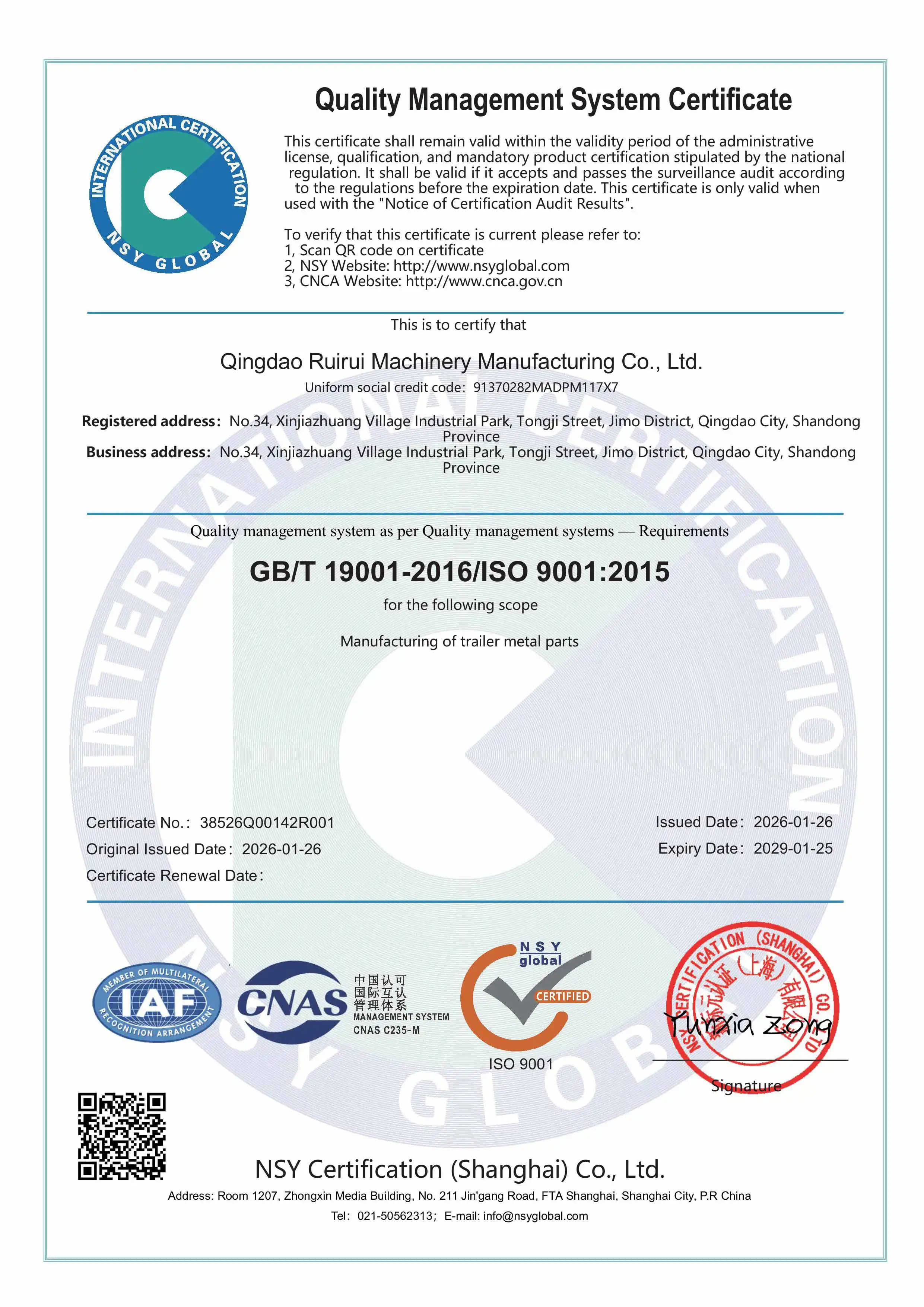
Risk-adjusted cost models take into account things like warranty terms and how reliable a source is. Manufacturers that offer full quality standards, such as ISO 9001 verification, show that they have process controls that keep failure rates and repair costs to a minimum. Downtime costs are cut during fleet growth phases when after-sales service, such as expert help for installation problems, is available.
Comparing Supplier Options and Procurement Best Practices
Evaluating Manufacturing Capabilities
Verification of output capacity and proof of process capability should be at the top of the list when choosing a supplier. Scalability is important for facilities that have more than one stamping line and make more than 130,000 trailer fender pieces a year. This helps growing dealer networks or big fleet owners. Automated production systems, such as robotic welding cells, make sure that the dimensions of each production run are the same, which is important for keeping an inventory of replaceable parts.
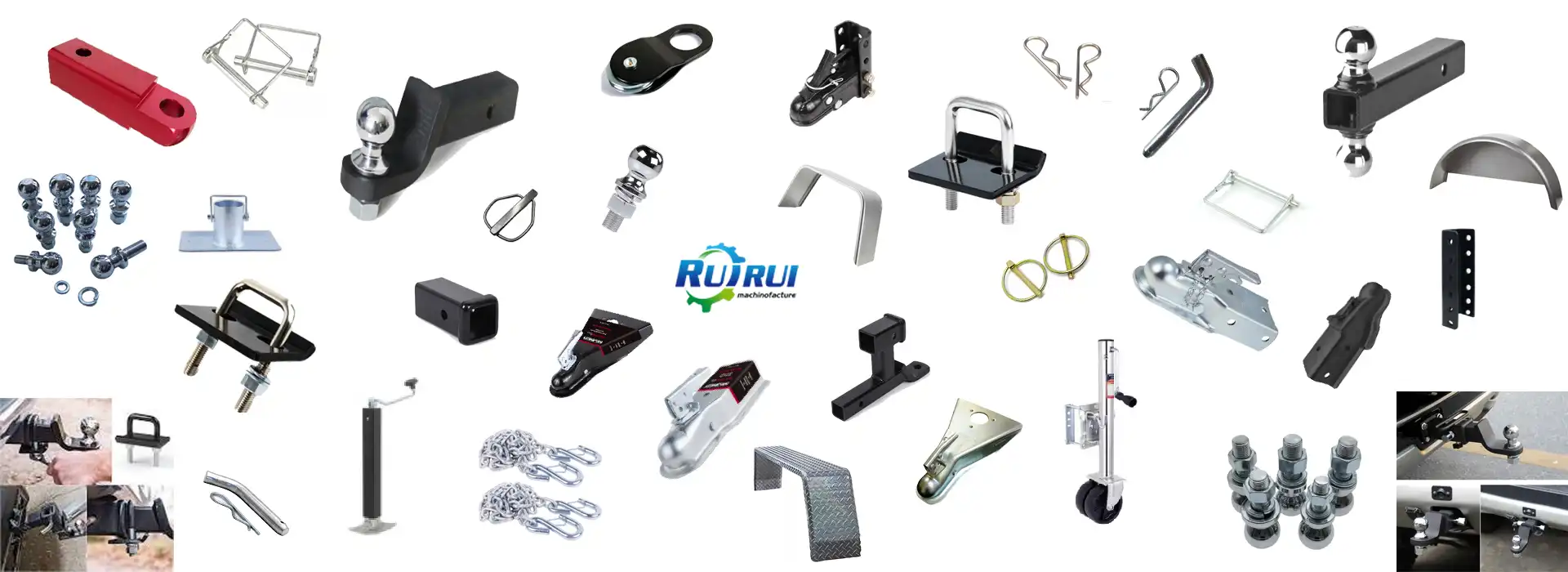
Advanced manufacturing skills, such as laser cutting, CNC turning, and powder finishing, make it possible to buy from a single source, which makes managing the supply chain easier. When a manufacturer offers combined services that include everything from getting raw materials to finishing the product, they get rid of the coordination problems that come with using multiple vendors. This cuts down on wait times and quality control problems that can happen when duty moves from one entity to another.
Certifications for quality management systems show that a process is mature in an objective way. Certifications like ISO 9001, ISO 14001, and OHSAS 18001 show that there are set rules for documentation and frameworks for ongoing growth. Professionals in charge of buying things should ask for inspection records that show tests of strength, mud retention, and coating adhesion to back up performance promises.
Building Strategic Supply Relationships
Long-term supply deals are good for both parties in more ways than just maximising trade prices. Manufacturers get more information about their production plans, which helps them allocate capacity and buy raw materials more efficiently. Buyers, on the other hand, get priority fulfilment during times of high demand. Agreements that are negotiated should include promises about volume, ways to change prices based on material cost indices, and quality performance measures that set off processes for corrective action.
Strategic relationships open up chances for people to work together on technology, such as trailer fender development. Sharing application comments about how well something works in the field helps makers make ideas that work better in real-world situations. Co-development projects for custom setups help niche markets where standard goods don't work well, giving both parties a way to stand out in the market.
Logistics prices and reaction times are affected by how close a location is to a factory or a regional storage centre. North American wholesalers who buy from sites that offer consolidation services and already have freight forwarding partnerships cut down on landed costs while keeping inventory turnover rates the same. When setting up foreign supply lines, knowing the steps for clearing customs and the paperwork that is needed can help avoid delays.
Quality Verification and Compliance Documentation
When inspection methods come in, they should check that measures of dimensions, surface finish, and coating thickness are correct and meet the requirements of the specifications. Statistical sample plans that are right for the order numbers balance the cost of inspections with the amount of detail that needs to be checked. Setting acceptance standards and written nonconformance processes protects the interests of buyers and makes it clear to manufacturers what level of performance is expected.
Material approvals show where raw materials come from and prove their grade and chemical make-up. This paperwork is very important for uses that need certain mechanical properties or corrosion protection traits. Keeping certification files helps with defending against responsibility and answering customer questions about whether a product is suitable for controlled uses.
Market entry is affected by following area safety rules and environmental laws. Products that meet DOT specifications or equivalent international standards can be used in more situations. Environmental certifications that talk about VOC emissions or recycling qualities of coatings are needed to meet the stricter buying rules used by government agencies and private companies that care about the environment.
Conclusion
To choose the right protective trailer fender systems, you have to balance the budget, the material qualities, the design options, and the needs of the application. For heavy-duty industrial uses, steel construction offers the best resistance to impact and weldability. Aluminium options, on the other hand, save weight and avoid corrosion, which is useful in some situations. Procurement workers can match specs to practical needs by knowing the differences between flat utility designs, step-on configurations, and enclosed variants. Building connections with capable makers that offer customisation services, quality certifications, and technical help throughout the lifecycles of products is key to a successful implementation. Correct fitting methods and regular repair schedules make parts last longer, which lowers the total cost of ownership over multiple years of service. When companies buy things, they should carefully consider the qualities of the materials, the skills of the suppliers, and the overall costs over the product's lifetime. This way, they can get solid protection that helps keep trailer operations safe and efficient.
FAQ
1. What's the difference between fenders and mudguards when it comes to trailers?
People use the terms interchangeably, but there are some formal differences between them. Trailer fender units are usually hard structural parts that are permanently attached to the frames of trailers. They provide a lot of covering and are often load-bearing. Mudguards are flexible rubber or plastic add-ons that protect against splashes without being built into the structure. Regulatory papers may use either term to describe coverage standards, so it is important to use the right one for the right situation when checking for compliance.
2. Which material can handle rough working situations the best?
Steel building can handle high impact settings better than other materials because it can absorb energy through controlled deformation. Finishes that are galvanised or powder-coated last longer in acidic environments. Aluminium works great in coastal settings where it is regularly exposed to saltwater. Instead of general suggestions, the best material choice is based on an analysis of the application that takes into account things like regularity of impacts, corrosion exposure, and temperature changes.
3. Can makers make trailers with specific specs for certain configurations?
A reputable metal manufacturing shop will allow you to make any changes you want, such as changing the length, width, or radius. Giving dimensional models or sample parts during the quote process makes sure that the specifications are interpreted correctly. Different manufacturers have different minimum order amounts for custom work. However, buying in bulk usually makes up for the cost of buying tools that aren't standard.
Partner with RUIRUI for Premium Steel Trailer Fender Solutions
RUIRUI has a wide range of manufacturing skills, including progressive pressing, laser cutting, CNC machining, and advanced coating processes, that procurement managers looking for reliable metal production partners can use. Our selection of steel trailer fender units comes in a variety of designs that can be changed to fit specific needs. They are made with thick walls that are perfect for welding integration, and their sizes can be adjusted to fit any application. Quality assurance procedures that are approved by ISO 9001 standards make sure that performance is the same across all production runs. Our experienced engineering team also offers technical advice to help with difficult installation issues. Contact our team at kshdhardware@qdkshd.com to talk about buying in bulk, custom fabrication projects, or technical specifications for your trailer protection needs. Global distributors and infrastructure contractors benefit from our factory-direct pricing and expertise in shipping at the container level, which helps keep the supply chain running smoothly.
References
1. Thompson, R. (2021). Heavy-Duty Trailer Components: Material Selection and Performance Analysis. Industrial Transport Publishing.
2. Martinez, J. & Chen, L. (2022). "Comparative Durability Study of Metal Fender Systems in Construction Equipment Transport." Journal of Commercial Vehicle Engineering, 45(3), 178-193.
3. American Trailer Manufacturers Association. (2020). Standards and Recommended Practices for Trailer Safety Equipment. ATMA Technical Manual Series.
4. Robertson, K. (2023). Procurement Strategies for Fleet Equipment: Cost Optimization and Supplier Management. Logistics Professional Press.
5. Industrial Fabrication Standards Council. (2022). Metal Forming and Finishing: Quality Assurance Guidelines for Transportation Components. IFSC Publication No. 2022-07.
6. Williams, D. & Park, S. (2021). "Lifecycle Cost Analysis of Trailer Protection Systems Across Multiple Material Classes." Transportation Equipment Review, 38(2), 112-128.

Send Inquiry
You may like