
What are the Standard Sizes of Trailer Fenders?
When looking for parts for industrial trucks, knowing the exact measurements can mean the difference between a smooth fitting and delays that cost a lot of money. Depending on the tyre diameter and axle design, standard trailer fenders can be anywhere from 9 inches to 16 inches wide, 40 inches to 86 inches long, and 9 inches to 22 inches in diameter. These measurements have a direct effect on keeping debris in check, following the rules, and the general lifespan of the fleet. When purchasing managers understand these measures, they can better plan their supplies, negotiate with suppliers, and make sure that aftermarket parts will work with their products.
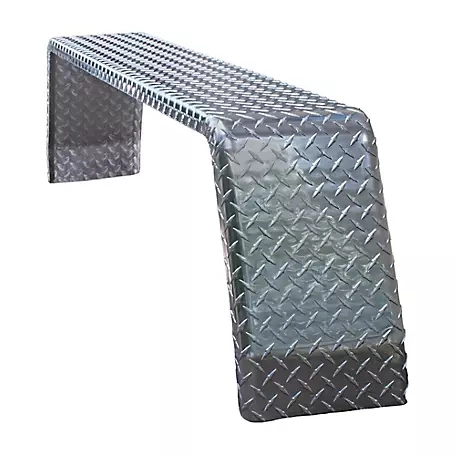
Understanding Trailer Fender Sizes and Their Importance
Every purchase choice in the trailer business is important for more than just the money it costs. The sizes of protected wheel covers affect a lot of things, from keeping road spray in check to making sure that federal motor carrier safety rules are followed. For business-to-business owners who are in charge of utility trailer fleets, building equipment hauliers, or distribution networks, choosing the right-sized parts is important to make sure that trailers meet Department of Transportation standards and last as long as possible.
It's important to be precise with measurements, especially when working with many suppliers in foreign supply lines. When a distributor orders container-level packages from manufacturing partners, they need to be very clear about what they want so there are no problems that cause project timelines to slip. When engineering firms make custom trailers for city building projects, they need parts that work well with entry control systems and special mounting hardware. Understanding standard measures makes it easier to talk to fabrication partners, lowers the number of quality control disagreements, and speeds up the process of getting a price and receiving the goods.
These shields do more than just look nice; they also protect things. Properly sized wheel covers keep debris thrown off by tyres from damaging nearby equipment. They also protect hydraulic parts during transport and, in walk-on designs, give workers a place to stand while they reach cargo beds. The choice of material has a direct effect on the size requirements; for example, steel versions can be welded together for structural integration, while lighter versions lower the total weight of the trailer to save fuel.
Standard Trailer Fender Sizes Explained: Dimensional Analysis Approach
Understanding Core Dimensions: Width, Length, and Radius
Compatibility and performance in wheel covering uses are based on three main measures. The width sets the side covering area that goes from the mounting surface to the sidewall of the tyre. Length is the measurement of the curved surface that follows the path of the tyre around its circumference. It is usually given as the arc measurement around the radius curve. Radius describes the curve that fits the tire's width, making sure there is enough space for spinning while the tyre is loaded.
Specifications for width are usually broken down into separate groups that serve different tyre types. Parts that are 9 inches wide can usually fit tyres with measurements up to 4.80 inches by 12 inches, making them good for light multipurpose uses. 12-inch widths in the middle range can handle tyres from 5.30-12 inches to 20.5x8-10 inches, which is wide enough for most boat and gardening trailers. Commercial-grade tyres with sizes ranging from 8-14.5 inches to 235/85R16 can fit on wider 16-inch wheels, which is needed for tandem-axle setups that haul big equipment.
Length measures are very different depending on how much covering is needed and how the person wants to look. A shorter length of 40 inches only protects the top of the tyre, while an extended length of 86 inches covers the whole wheel from mounting point to mounting point on tandem sets. The length-to-radius ratio tells you how much of the tire's circumference is protected, which is very important when working in building sites with a lot of gravel or industrial parks with a lot of garbage.
Single-Axle Versus Tandem-Axle Dimensional Requirements
When a trailer has only one tyre, the trailer fender’s wheel covers are usually separate and have small tracks. For these uses, standard sizes are about 10 inches wide by 42 inches long, and the curves range from 9 to 15 inches, which is the same range of sizes as most tyre widths, which are 12 to 15 inches. These measurements strike a good mix between protecting against debris and saving weight, which is important for trucks that weigh less than 3,500 pounds gross.
Tandem-axle trucks need longer parts that cover more than one wheel or different units that are placed so that they cover the whole trailer. Full-length tandem versions are 72 to 86 inches long and bridge the space between the front and back tyres so that road spray doesn't get out. Dual single-axle designs, on the other hand, use two shorter units per side, which makes replacement easier but could leave covering gaps when tyres bend under heavy loads. As the load size gets bigger, so do the width requirements. For example, tandem trailers that are pulling excavators or containers of goods usually need 14- to 16-inch widths to handle wider tyres and bigger splash patterns.
Regulatory Compliance and Dimensional Standards
Federal Motor Carrier Safety Administration rules say that wheel covers must go down to certain lengths below the road surface. Usually, they need to cover at least the middle of the tyre. Specifications for width must include enough protection against lateral spray. This is especially important for business hauliers who work in multiple states with different police standards. Length measurements affect compliance during inspection—not enough covering can lead to violations during roadside checks, which can cause delays and fines for truck operators.
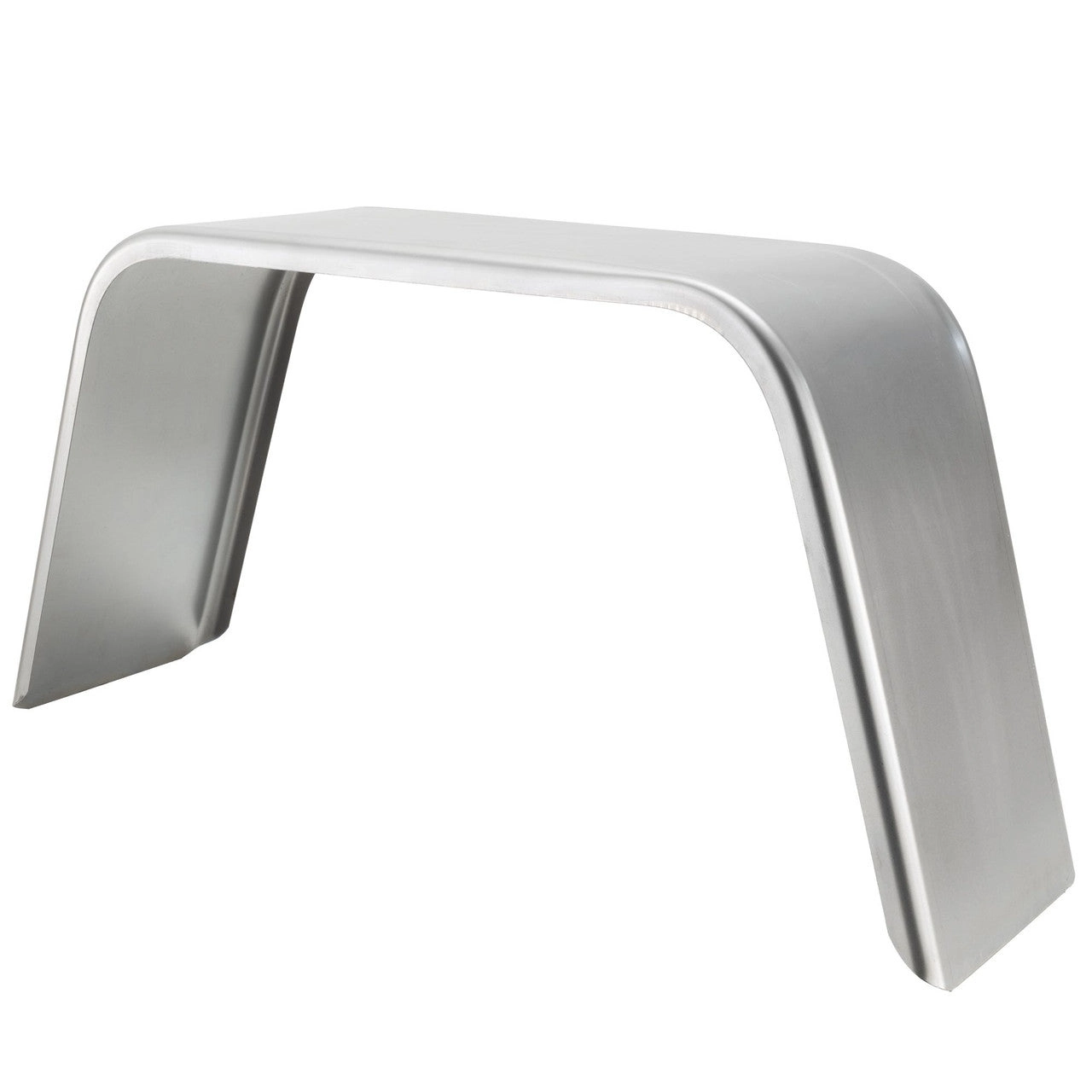
Types and Materials of Trailer Fenders Impacting Size Choices
Steel Fender Dimensions and Performance Characteristics
Steel building has clear benefits in tough situations where structural unity is important. The impact strength and weldability of parts made from cold-rolled steel or hot-rolled pickled material are better, so fabricators can connect mounting brackets, rock sliders, or storage racks directly to the protective surface. A 14-gauge steel part that is 145 mm wide, 1050 mm long, and 340 mm radius stays the same shape even when holding human weight in step-on configurations because the material has a high modulus of elasticity.
Changes in thickness have an effect on both weight and lifespan traits. Standard sizes range from 16-gauge (about 1.5 mm) for light-duty uses to 12-gauge (2.7 mm) for heavy-duty business use. When you weld thicker wall materials to trailer frames, you can make strong links that hold up in high-vibration shipping settings. The ability to be welded is especially useful for custom fabrication shops that work with niche markets like off-road travel trucks, specialised equipment hauliers, and city infrastructure projects that need integrated mounting solutions.
At RUIRUI, all of our steel safety parts are tested for performance from the time we buy the materials until they are delivered to the customer. We only buy steel from approved suppliers that meet ASTM A1008 standards. This way, we can be sure that the mechanical qualities of each production run will be the same. Precision measurements are made with progressive pressing and deep drawing, and advanced powder coating and galvanising methods protect against corrosion in coastal areas and areas where road salt is used in the winter.
Alternative Materials and Size Considerations
Aluminium versions are usually 40–60% lighter than steel versions of the same size, which is good for saving weight. Standard aluminium sizes are the same as steel sizes, but they need to be mounted differently because the welds aren't as strong. For trailer fenders, plastic and composite materials don't rust and are the lightest. However, their physical stability declines over time when they are exposed to UV light and hit hard. When purchasing materials and figuring out what sizes are needed for trailer fenders, procurement managers need to think about the working environment. For example, materials that don't rust are better for marine use, while materials that can withstand impacts are more important for construction hauliers.
Design Variants and Dimensional Patterns
Round profile designs follow smooth circular lines that match the curve of the tyre perfectly for good looks and the best deflection of debris. These usually come in radius sizes that match the diameters of normal tyres. For example, a 9-inch radius fits 12-inch tyres, and a 15-inch radius fits 15-inch tyres, and so on. Flared designs have bottom edges that are angled outward, which increases covering area without making the overall mounting size bigger. This style is popular in truck and heavy-duty uses.
Step-style designs have flat walking areas built into the top shape, which needs stronger construction and certain size ratios. A standard step form is 12 inches wide and 60 inches long. The flat step surface takes up 8 inches of that width, and the skeletal ribs below can hold up to 200 pounds. Straight panels are bent to look like curves in square designs, which makes them easier to make but lowers the tyre space when the suspension is compressed.
How to Measure and Select the Correct Trailer Fender Size
Essential Measurement Tools and Techniques
The right tools are the first step to accurate measurement assessment. A bendable measuring tape that can follow curvy surfaces can be used to find the length of an arc around a radius. With callipers, you can measure the thickness from the fixing surface to the very edge. Radius gauges make sure that the curve matches the width of the tyre. For certain uses, digital angle finders can help you figure out flare angles.
To measure width, find the fixing point, which is usually the trailer frame rail or a specialised bracket, and extend the tape measure perpendicular to the edge that is the farthest from the trailer. This measurement must be at least 1 inch bigger on each side than the tire's largest point in order to keep spray inside. The length measurement follows the planned curve shape, beginning at the front mounting point and going over the tyre top to end at the back mounting point. For tandem setups, length is measured from the leading edge of the front wheel to the following edge of the back wheel, taking into account the distance between the axles.
The tire's outer width is used to figure out the radius. A tyre with the number 4.80-12 on it has a 12-inch rim diameter and a sidewall height of about 4.8 inches. This makes the total width about 16.8 inches and needs an 8.4-inch radius component. Tyres that are too big or have strong tread patterns need more space. Adding 1-2 inches to the estimated radius stops the tyres from rubbing when they are compressed.
Compatibility Charts and Specification Translation
Standard compatibility charts in the industry show how tyre sizes link to the suggested measurements for trailer fender. A 5.30-12 tyre size goes with parts that are 10 inches wide, 42 inches long, and 12 inches in diameter. To switch to 205/75R15 car trailer tyres, you need to meet new requirements for width (12 inches), length (58 inches), and radius (15 inches). These charts make buying easier by giving you quick-reference tips, but for unique uses, you may need to talk to an engineer.
To turn measurements into buying requirements, you need to be able to talk to suppliers clearly. Fabricators can suggest the right sizes if you tell them the width of the tyre, the type of axle (single or tandem), and the type of use (utility, boat, business). When you give thorough engineering plans of mounting hole patterns, clearance requirements, and load-bearing expectations for OEM partnerships or big fleet orders, you can be sure that the manufactured parts will meet all of your exact specs without having to make expensive changes.
Avoiding Common Measurement Errors
Mistakes in the specifications that could have been avoided often cause delays in procurement. If you measure the tire's width at the tread area instead of the widest place on the sidewall, you'll get less coverage than you need. When you don't think about suspension compression, rubbing problems happen. Trailers that are fully loaded compress the springs by 2 to 4 inches, which makes the tyre width bigger. Ignoring the thickness of the fender material causes fitting problems—a 3mm thick steel part needs different clearance changes than a 1mm thick plastic part.
Conclusion
To choose the right protective wheel covering sizes, including trailer fender, you have to weigh the tyre specs, the way the trailer is set up, the material's properties, and the working surroundings. Standard sizes, ranging from 9-inch widths for everyday uses to strong 16-inch commercial-grade choices, help with buying decisions. However, custom specs are available for unique needs. Steel building is flexible in terms of size and can be integrated into other structures, while other materials focus on being lighter or resistant to rust. Using accurate measuring tools, compatibility charts, and clear contact with suppliers can speed up the buying process and cut down on installation delays and compatibility problems. Routine maintenance that is specific to the size and material of each part increases its useful life. This protects fleet investments through inspection routines and choices about when to replace parts. By understanding these dimensions, procurement experts can find the best solutions that meet business needs and stay within budget.
FAQ
1. What tire sizes correspond to standard dimensions?
Some common tire-to-protective-component pairs are 4.80-12 tyres, which need to cover an area 9 inches wide and 40 inches long, 5.30-12 tyres, which need to cover an area 10 inches wide and 48 inches long, and industrial 215/75R17.5 tyres, which need to cover an area 14 inches wide and 72 inches long. The measures for the radius should match the diameter of the tyre, minus two, plus one inch to allow for suspension movement.
2. Can components from single-axle trailers fit tandem configurations?
Even if the mounting works physically, the holes in covering between the wheels make it harder to keep debris inside. For tandem uses, you need specially made long units or two single-axle pieces that are carefully spaced apart. To make sure suppliers offer the right size choices, procurement requirements should clearly say the axle configuration.
3. How does material choice affect dimensional availability?
Steel manufacturing methods can handle the largest assortment of sizes and most complicated shapes, such as step-style and highly flared designs. Aluminium choices usually come in the same sizes as steel ones, but heavy-gauge step configurations aren't possible because they can't hold as much weight. Plastic versions come in a smaller range of sizes because they are more focused on standard sizes that are used in large quantities rather than unique sizes.
4. Do dimensional standards vary internationally?
European standards use metric measures, while North American standards mostly use imperial measurements. A part that says it is 10 inches wide is actually about 254 millimetres wide. When doing business with providers in other countries, you need to make sure they use the same measurement system. RUIRUI works with both imperial and metric measurements and gives customers dimensional drawings in the units they prefer to avoid mistakes when buying and installing.
Partner With RUIRUI for Precision-Engineered Protective Components
Getting the right measurements from a reputable trailer fender maker has a direct effect on how well the fleet works and how efficiently it runs. RUIRUI specialises in custom metal manufacturing for B2B buyers, infrastructure builders, and global distributors who need protective parts that are precisely designed. Our steel products, which are 145 mm wide, 1050 mm long, and 340 mm radius, are very accurate in terms of size thanks to modern progressive stamping and quality control methods that are approved by ISO 9001 standards. We're happy to answer questions about buying in bulk, and we offer OEM customisation to meet the special needs of each project. Get in touch with our engineering team at kshdhardware@qdkshd.com to talk about your fleet's needs and ask for samples that show our dedication to quality, consistent dimensions, and low factory-direct prices.
References
1. National Highway Traffic Safety Administration. (2021). Federal Motor Vehicle Safety Standards: Trailer Requirements and Equipment Specifications. U.S. Department of Transportation Technical Report Series.
2. Society of Automotive Engineers. (2020). SAE J684: Trailer Fender and Mud Guard Test Procedures. SAE International Standards Documentation.
3. American Society for Testing and Materials. (2022). ASTM A1008: Standard Specification for Steel, Sheet, Cold-Rolled, Carbon, Structural, High-Strength Low-Alloy. ASTM International Material Standards.
4. International Organization for Standardization. (2019). ISO 7225: Gas Cylinders - Precautionary Labels - Specifications for Trailer Equipment Standards. ISO Technical Committee Publications.
5. Commercial Vehicle Safety Alliance. (2023). North American Standard Out-of-Service Criteria: Trailer Component Inspection Guidelines. CVSA Annual Reference Manual.
6. Trailer Manufacturing Association. (2022). Industry Best Practices for Trailer Component Sizing and Material Selection. TMA Technical Bulletin Series, Volume 18.

Send Inquiry
You may like