
What Is a Trailer Ball and Why Is It Important?
A trailer ball serves as the critical pivot point connecting your towing vehicle to any trailer coupler, forming the mechanical junction that enables safe, reliable transport of equipment, materials, and assets across commercial and industrial operations. This spherical towing component fits into the trailer coupler socket and rotates freely during turns and terrain variations, distributing dynamic loads while maintaining structural integrity. Without a properly rated and installed hitch ball, the entire towing system becomes compromised, exposing fleets to catastrophic detachment risks, liability concerns, and operational disruptions that can halt project timelines and damage valuable cargo.
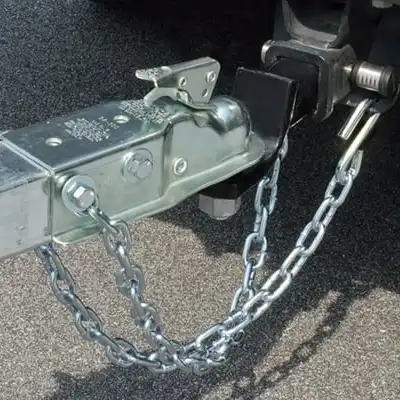
Understanding What a Trailer Ball Is
The Core Function of Trailer Balls in Towing Systems
When you hitch your trailer to your pulling vehicle, the trailer ball turns the engine power into controlled movement while absorbing road noise and handling turning forces. This spherical contact, unlike rigid links, lets the pipe move in more than one way, which is important for safe turning and grade changes. When purchasing managers look at tow parts for business fleets, knowing this basic mechanical relationship helps them avoid mistakes in compatibility that could cause parts to wear out too quickly or separate in a dangerous way during transport operations.
Standard Sizes and Measurement Protocols
There are three main circumference standards for trailer balls: 1-7/8 inches, 2 inches, and 2-5/16 inches. Each one matches a different trailer coupler size and weight range. To measure across the ball's largest point, you need precise callipers, because even small errors can make the fit less secure. The diameter of the shank, which is usually between 3/4 inch and 1-1/4 inch, needs to match the hole in your hitch receiver. The length of the shank determines which mount sizes it can work with. Distributors who work with logistics operators and building companies should keep all three diameter classes in stock so they can meet the needs of a wide range of fleets without having to delay deployment dates.
Material Selection and Performance Characteristics
Carbon steel is still the most common material used in business. It has great tensile strength when heated to the right temperatures according to AISI 1045 or 4140 standards. Stainless steel types, especially marine-grade 304 or 316 metals, are very resistant to corrosion, which is very important for activities near the coast, routes that are exposed to salt, or places where chemicals need to be transported. Surface treatments make things last a lot longer. For example, industrial chrome plating can stand up to 500 hours of salt spray tests according to ASTM B117 standards, and zinc-nickel coatings are a cheap way to protect things in freshwater settings. Procurement teams working on city infrastructure projects should choose material grades that are appropriate for the amount of weather exposure so that replacements are made less often and upkeep costs are kept to a minimum.
Why Trailer Ball Load Capacity and Weight Ratings Matter
Decoding Gross Trailer Weight and Tongue Weight
Gross Trailer Weight (GTW) is the weight of the full trailer as a whole. Tongue Weight (TW), which is usually 10 to 15 percent of GTW, is a measure of the downward force at the connection point. These numbers directly show how strong the trailer ball needs to be and how much weight the car hitch can hold. A common mistake in buying is to only look at GTW and not TW. Ignoring TW can lead to ball shank failure even if the total weight seems to be within limits. When commercial buyers are looking for mixed-use fleets, they should make sure that each ball's rated capacity is at least 20% higher than its real working loads. This is to account for the dynamic shock loads that occur when emergency stopping or navigating rough terrain.
Consequences of Exceeding Capacity Limits
When hitch balls are overloaded, they break in three ways: the shank breaks, the ball deforms, or the mount comes apart. All of these failures pose instant safety risks and could put fleet owners at risk of legal liability. In addition to the risk of catastrophic failure, constant crowding speeds up wear patterns that weaken connection security over time. These patterns show up as too much coupler play or cracking on the trailer ball surface. Industrial equipment manufacturers and infrastructure contractors are especially at risk when they use the same vehicle for different types of trailers without recalibrating the load ratings. This is because the Department of Transportation says that organisations that do this can be fined by the government.
Comparing Traditional and Specialty Ball Types
Standard trailer balls attach to threaded shanks that are torqued to the manufacturer's standards. They can be used for Class I through Class IV uses and can hold up to 12,000 pounds gross vehicle weight. Gooseneck balls fit straight into receivers in truck beds and can hold Class V loads of up to 30,000 pounds. They spread the weight over the rear axle instead of the bumper-mounted receiver, which makes it stronger. Multi-size adjustable systems give fleets that manage a variety of trailers more operational flexibility. However, procurement professionals should make sure that quick-change mechanisms are as structurally sound as solid one-piece designs by getting independent load testing certifications.
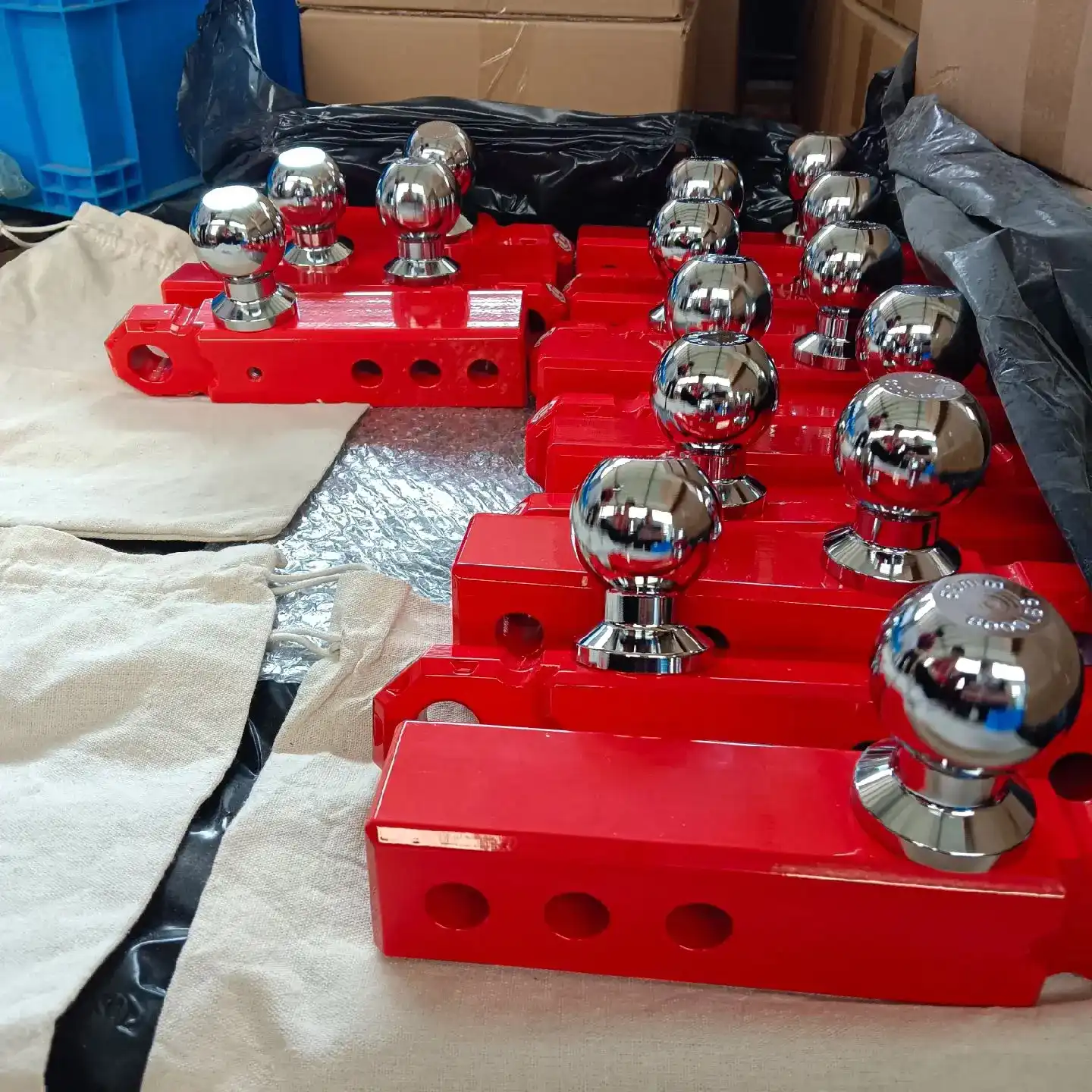
How to Install, Maintain, and Care for Your Trailer Ball
Precision Installation Procedures
To make sure the trailer is level, the first step in a proper fitting is to choose a ball mount that fits your receiver class and the rise or drop measurement you want. Add the lock washer and nut that came with the ball shank and thread it through the mount hole. Torque specs are usually between 100 and 250 ft-lbs, based on the diameter of the shank. Instead of using impact tools, which can damage threads by over-tightening, buying teams should give maintenance crews calibrated torque wrenches. Check that the trailer ball sits straight on the mount platform after the first installation. Tighten the nut again after the first 50 miles of pulling to account for the thread settling during the first installation.
Routine Maintenance and Inspection Protocols
Every week, the trailer ball surface should be checked for cracks, deformation, or wear patterns that show the coupler isn't fitting right. Degreaser should be used to clean the trailer ball well and get rid of road grime and old lube. A thin layer of marine-grade grease should then be put on the trailer ball and coupler socket to reduce friction. This step is very important for lubricating models that are grease-fitted and have internal zerk fittings that send lube straight to areas that will be used a lot. Integrators of security systems and city workers who work in corrosive settings should increase the number of inspections they do to every two weeks and write down what they find so that they can make accurate replacement plans that keep the field from breaking down during key project phases.
Troubleshooting Common Operational Issues
Too much coupler noise while pulling usually means that the ball-couplers are not properly sized or that they are not properly greased. This can be fixed by replacing the parts or greasing them properly. If you see rust on the surface of a ball, you need to take action right away. Surface oxidation happens quickly when the load is cycled, causing stress concentrations that lead to sudden failure. When procurement teams hear from the field that coupler locking is hard, they should check to see if the ball diameter has worn down too small or if the coupler mechanism needs to be adjusted. Forcing links hurts both parts and gives false security impressions that put future hauls at risk.
Making the Right Purchase: Trailer Ball Procurement for B2B Clients
Matching Components to Operational Requirements
For procurement to go well, there must be thorough fleet checks that record every vehicle and trailer combo, including receiver class, normal GTW ranges, and operating environments. This information guides the creation of specifications that make sure balls bought meet both current needs and expected growth scenarios. Before asking suppliers for quotes, infrastructure project managers should work with engineering teams to figure out any unique needs. For example, they might need longer shanks for installing aftermarket receivers or specific rise measurements to fit air suspension systems. This way, expensive reordering cycles that delay the start of the project won't happen.
Evaluating Supplier Capabilities and Certifications
Leading makers have strict quality systems that are approved to ISO 9001 standards. Batch tracking lets them respond quickly to problems in the field. When looking at possible suppliers, make sure the trailer ball and other goods they offer meet the performance standards set by SAE J684, and ask for independent test reports to back up the stated load ratings. Global wholesalers that sell to customers in North America should give priority to providers that offer full warranty coverage and can show they can fill container-level orders without having to wait for longer lead times. Strategic partners are different from transactional vendors in buying partnerships that last more than one project cycle because they offer technical support resources, such as engineering advice for custom applications.
Bulk Purchasing Strategies and Cost Optimization
Most volume pricing systems start to work when you buy 50 units or more, and you can get even bigger savings when you buy 200 or more mixed SKUs. Wholesale buyers and distributors of security equipment should work out yearly supply deals that lock in prices but allow delivery plans to be changed to fit the needs of projects. Buying trailer ball units in packages with other parts that work well together, like coupler locks, mount kits, and safety chains, can save you 15 to 20 percent compared to buying each part separately. Getting replacement inventory through established B2B channels ensures uniform product quality and makes managing warranties easier than buying from a bunch of different spot sellers.
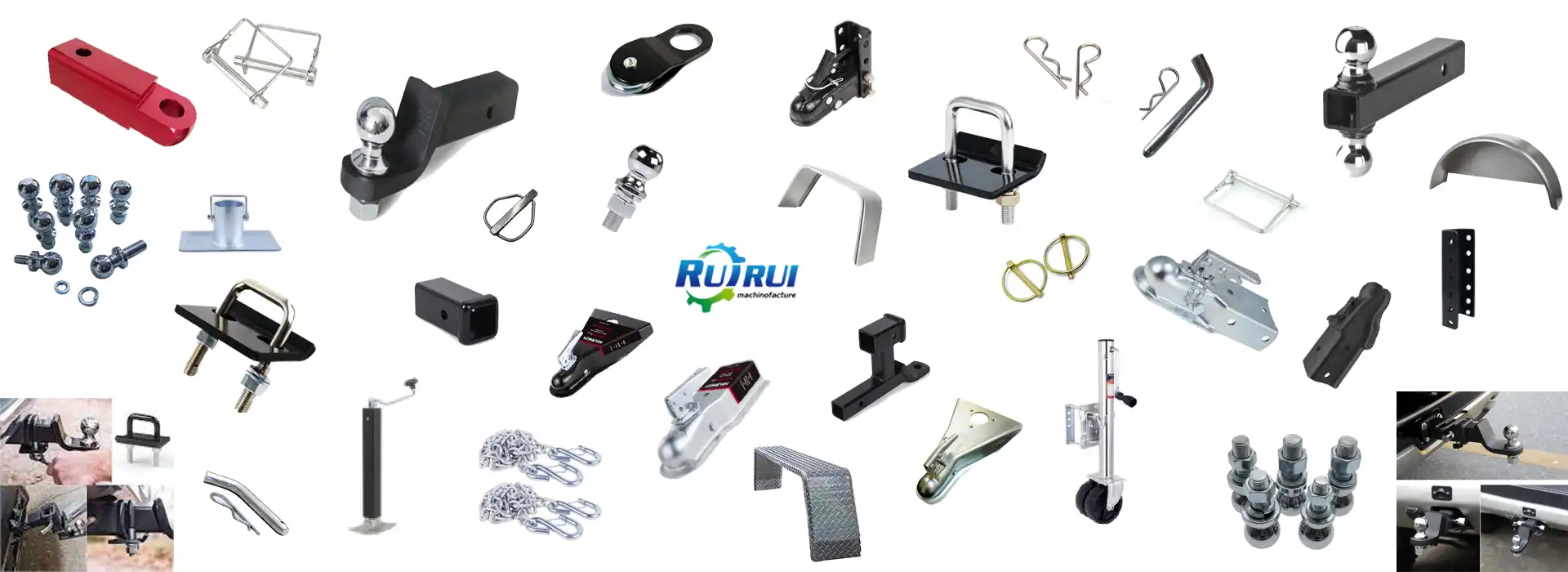
Trailer Ball Industry Insights and Future Trends
Material Science Advancements Driving Performance
New alloy research focuses on improving strength-to-weight ratios by using micro-alloying methods that improve grain structure without adding mass. Physical Vapour Deposition (PVD) and ceramic composite layers are two examples of advanced coating technologies that make things more resistant to rust than standard chrome plating while also having less of an effect on the environment during production. In northern climates, where road salt exposure speeds up component degradation, these new ideas are especially helpful for logistics workers. Some of the next-generation coatings can survive salt spray for 1,000 hours or more, which doubles the time between regular service intervals.
Smart Integration and Safety Enhancements
New types of products have built-in torque signs that show how tight a fitting really is, such as on a trailer ball. This fixes a major problem that business teams have with field failures. Integrated locking devices that keep couplers from coming apart without the need for separate pin locks make hookup faster and more difficult to steal, which is good for equipment staging yards. Even though these features raise the price by 20 to 30 percent, the total cost of ownership numbers show that adoption is the better choice when you consider the lower theft losses and the lack of installation mistakes that lead to insurance claims and government scrutiny.
Market Dynamics and Procurement Implications
As e-commerce logistics and last-mile delivery services use trailers more on a wider range of car types, the need for heavy-duty parts keeps rising. This trend leads to a lot of new products, some of which are niche products designed for specific uses, like marine-grade stainless steel versions or farming designs with mud-shedding shapes. Sustainability factors are becoming more important in buying choices, and buyers are asking for proof of recovered material amounts and recycling routes at the end of life. Suppliers that show they care about the environment by using certified material sources and take-back programmes have an edge when dealing with local buyers and business fleets that have to report on ESG issues.
One cannot stress enough how important it is to build ties with manufacturers that offer full after-sales help. When suppliers offer technical advice during the creation of specifications, quick availability of replacement parts, and the desire to create custom solutions for specific uses, they become strategic partners that make operations more resilient. Before signing a long-term contract, procurement professionals should test a supplier's response with sample orders. This way, they can make sure that the skills they say they can do match how well they actually do in both normal and emergency buying situations.
Conclusion
These trailer ball units are more than just simple mechanical parts; they are the most important safety link for businesses in building, logistics, farmland, and city infrastructure. To make the right choice, you have to weigh the budget, the dependability of the supply chain, the load capacity needs, and the material's durability and suitability for the surroundings. Advanced metallurgy and smart features in new products are making them work better than ever before. However, these innovations need smart buying strategies that match technical specs with real-world operations. By building partnerships with makers that show they have quality certifications, technical support, and reliable delivery performance, organisations can keep their towing operations safe and efficient while keeping total ownership costs low over the lifecycles of their equipment.
FAQ
1. How do I determine the correct ball size for my towing setup?
You can use precision callipers to match the inside diameter of your trailer coupler to the diameter of the ball. Common ball diameters are 1-7/8", 2", and 2-5/16". Make sure that the load rating of the trailer ball is higher than your trailer's Gross Trailer Weight by at least 20% to account for dynamic forces. Check your vehicle's receiver class to make sure that the mount and ball combination falls within the rated capacity. If you're buying for a commercial fleet with different types of trailers, you might want to look into multi-size adjustable systems that eliminate the need to change the balls between hauls. However, you should always make sure that these modular designs keep their structural integrity equivalent to solid balls.
2. Can I install a hitch ball myself or should I use professional services?
For installation, you only need a socket wrench and a torque wrench. This means that maintenance teams with mechanical knowledge can do it. The most important thing is to get the torque specs right, which are usually 100 to 250 ft-lbs depending on the shank diameter. This can't be done by guesswork; you need calibrated equipment. Commercial operators should write down their installation procedures and include post-installation inspections after the first use. If there are liability concerns or the installation involves making a custom mount, professional services offer certified work and insurance coverage that protects the organization's interests.
3. What durability differences exist between chrome and zinc plating?
Chrome plating is harder and more resistant to corrosion. It can withstand 500+ hours of salt spray testing according to ASTM B117 standards, making it perfect for coastal or winter road salt environments. Zinc plating is cheaper and works well for inland applications, but it usually breaks down after 96–200 hours of salt exposure. Marine-grade stainless steel completely eliminates plating concerns, giving the longest life in corrosive environments. When making a purchase decision, the coating type should be matched to the operational exposure levels. Over-specifying wastes money, while under-specifying leads to early replacement cycles that raise the total ownership costs.
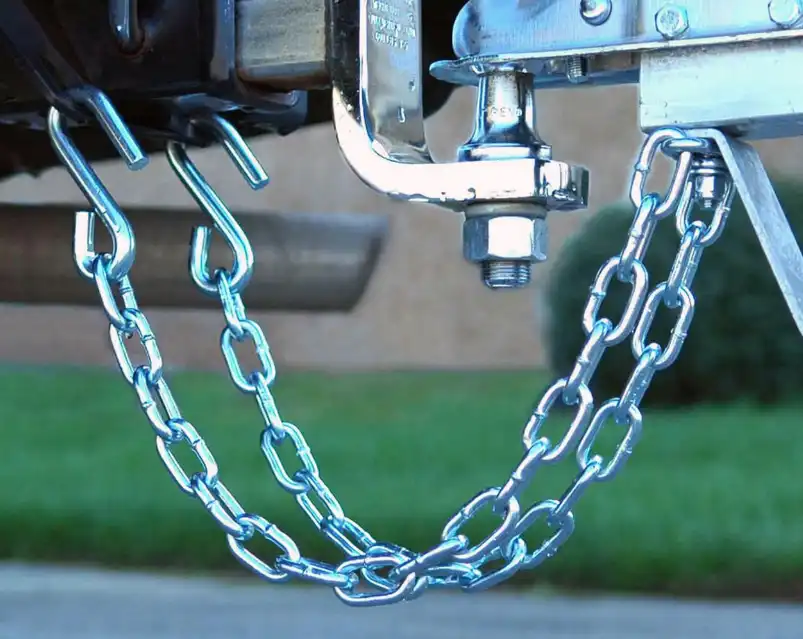
Partner with RUIRUI for Reliable Trailer Ball Solutions
We at RUIRUI Machinery know that procurement professionals need more than just catalogue specifications. They also need manufacturing partners who can deliver engineered towing solutions that meet their operational needs. Our precision metal fabrication skills include making high-performance trailer ball units and towing components through advanced processes like CNC machining, heat treatment, and multi-layer corrosion protection. Whether you need standard configurations or custom designs to meet the needs of your fleet, our ISO 9001-certified production systems make sure that the quality of all container-level orders is the same.
As a well-known trailer ball manufacturer with more than 15 years of management experience, we can offer OEM/ODM services that support custom shank dimensions, coatings, and load ratings that are specific to your needs. Our eight production lines deliver 130,000 units per year, and our technical team provides engineering advice throughout specification development. We work with trailer ball suppliers and distributors in over 80 countries, and our comprehensive quality documentation and quick after-sales support turn purchasing relationships into strategic partnerships. Contact our team at kshdhardware@qdkshd.com to talk about your needs and find out how our manufacturing capabilities can improve the reliability of your supply chain.
References
1. Society of Automotive Engineers (2019). "SAE J684: Trailer Couplings and Hitches - Automotive Type." SAE International Standards.
2 .American Society for Testing and Materials (2020). "ASTM B117-19: Standard Practice for Operating Salt Spray (Fog) Apparatus." ASTM International.
3 .National Highway Traffic Safety Administration (2021). "Federal Motor Vehicle Safety Standards: Trailer Hitch Systems and Components." U.S. Department of Transportation.
4. Metallurgical Engineering Institute (2022). "Heat Treatment Specifications for High-Strength Carbon Steel Towing Components." Journal of Materials Processing Technology.
5. International Organization for Standardization (2021). "ISO 9001:2015 Quality Management Systems - Requirements for Manufacturing Industries." ISO Standards Catalogue.
6. Commercial Vehicle Safety Alliance (2023). "Best Practices for Fleet Towing Equipment Procurement and Maintenance." CVSA Technical Report Series.

Send Inquiry
You may like