
What is the Difference Between a Hitch Pin and a Linch Pin?
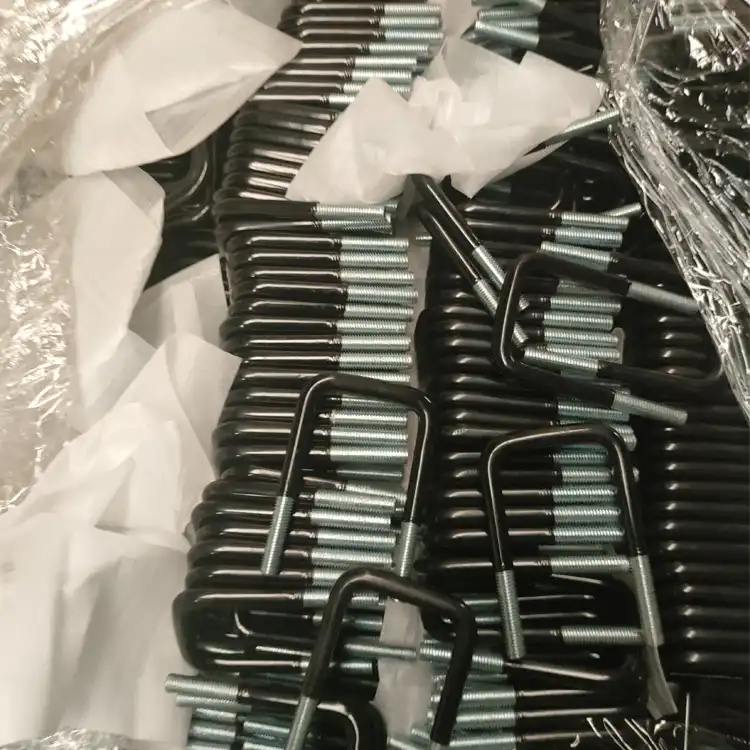
Choosing the right fastener for towing equipment or industrial machinery can make the difference between a safe operation and a failure that costs a lot of money. The main difference is how they are made and what they are used for. A trailer hitch pin has a straight shaft with a locking mechanism that holds ball mounts and accessories in place in receiver tubes. A linch pin, on the other hand, has a bent end or ring shape and is mostly used in farm tools and machinery. Both keep the connections from coming apart by accident, but their different structures and locking mechanisms make them better for different industrial settings and load needs.
Understanding Hitch Pins and Linch Pins: Definitions and Core Functions
What is a Trailer Hitch Pin?
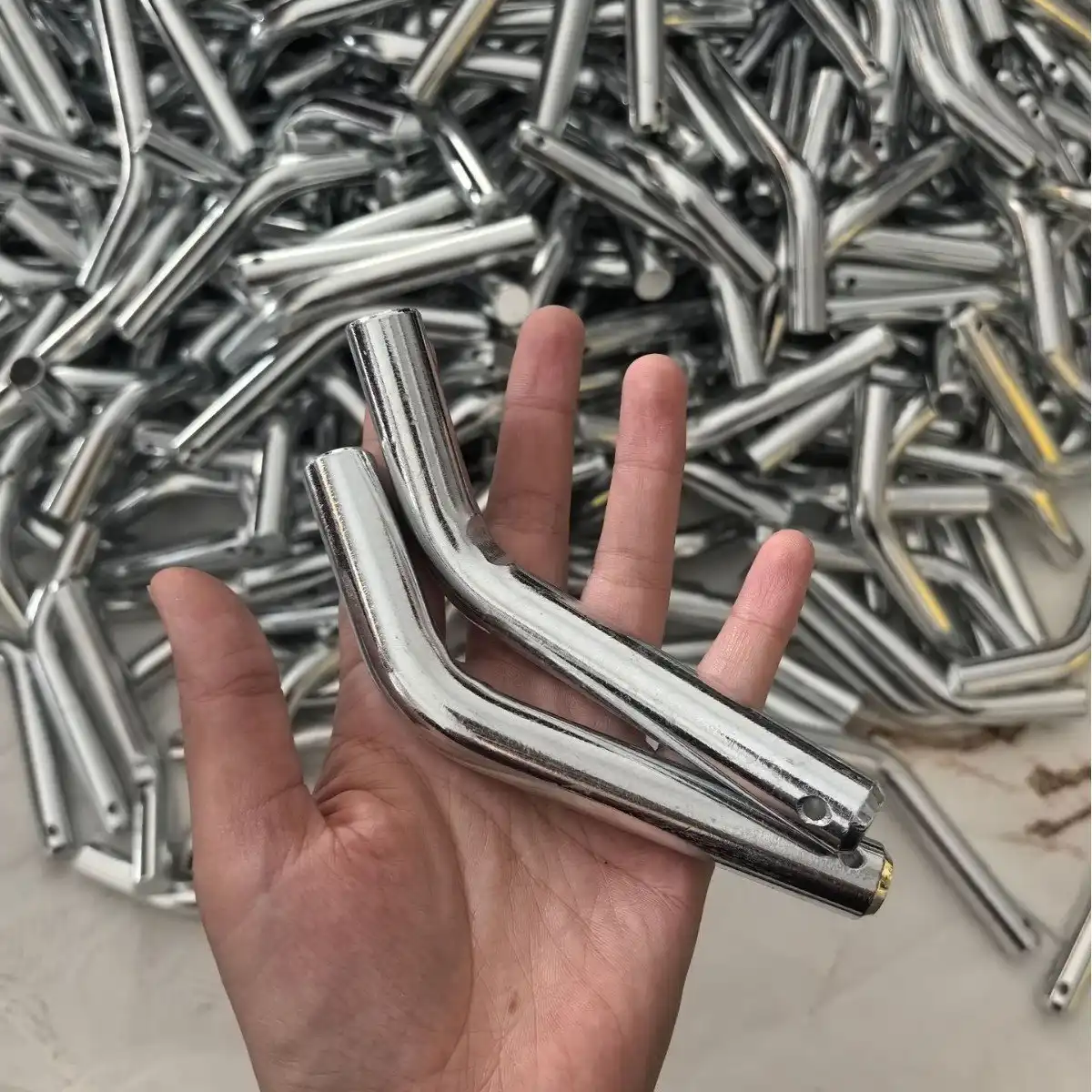
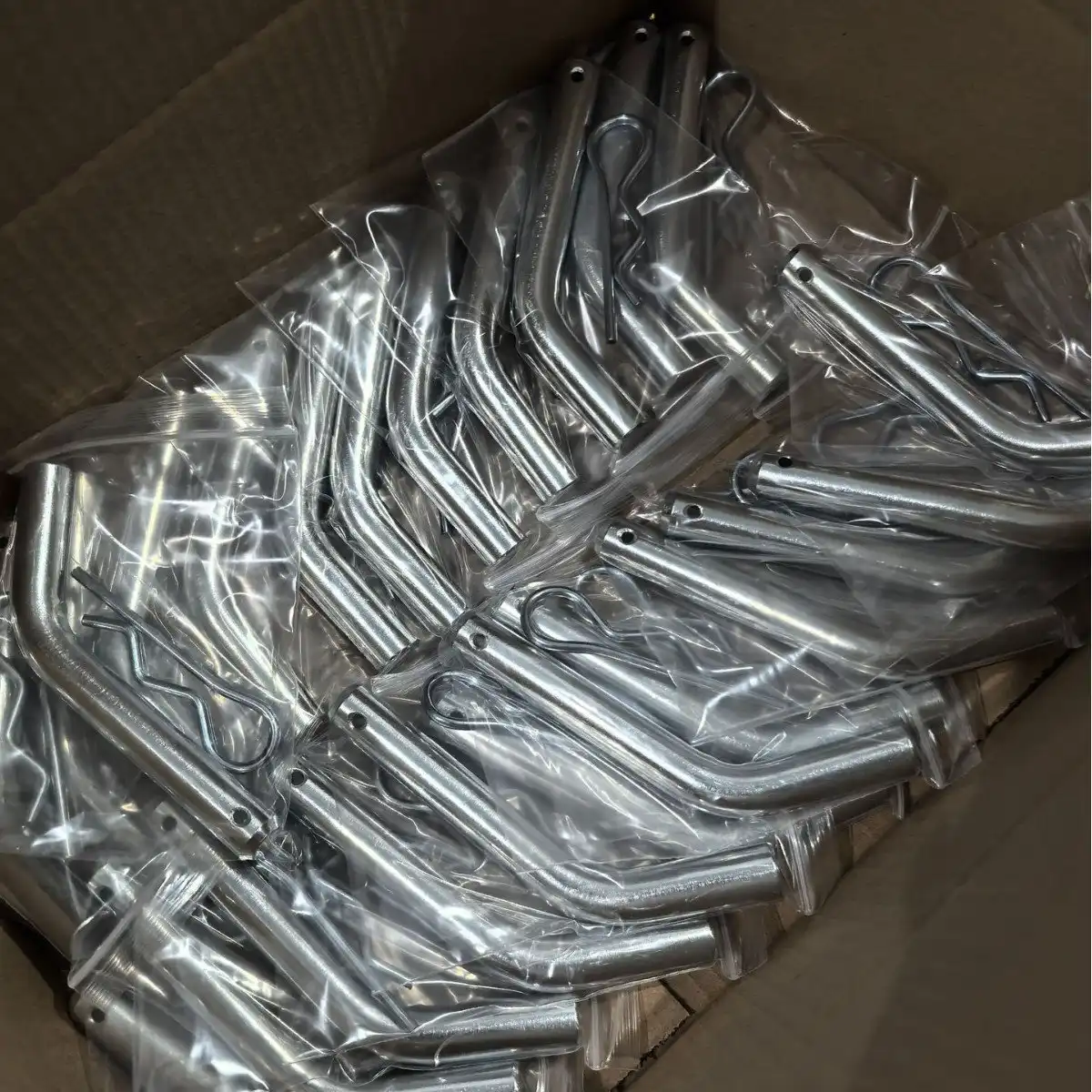
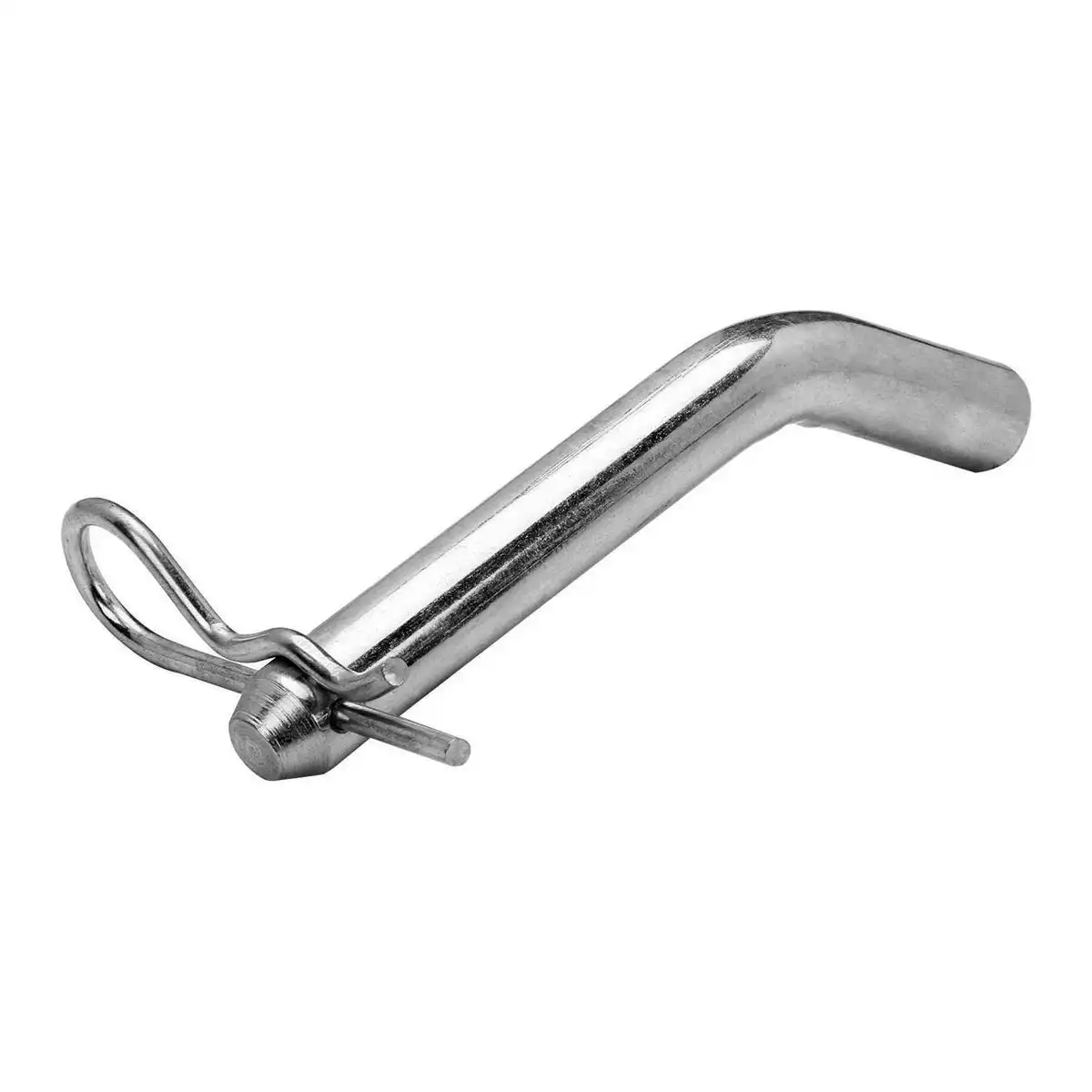
A trailer hitch pin is the most important part of both personal and commercial towing systems for keeping the trailer in place. This straight, cylinder-shaped fastener slides into receiver tube holes that have already been drilled. It holds ball mounts, cargo carriers, or bike racks in place. The pin usually has a retention clip—often a hairpin or R-clip—that slides through a cross-hole at the end of the pin to keep it from coming out by accident while it's being sent. Professional-grade versions are made of hardened steel that can withstand shear forces of more than 10,000 pounds. This makes them essential for Class III to Class V hitches used in commercial hauling and infrastructure projects.
A trailer hitch pin is useful for more than just holding things in place. Anti-rattle versions have threaded designs that mechanically get rid of tolerance gaps between the shank and receiver wall. This keeps expensive towing accessories from wearing out because of vibrations. Locking models have weatherproof cylinder locks that keep ball mounts from being stolen from commercial vehicles that are left unattended. When ordered correctly, these pins meet the SAE J684 standards that say how a hitch should work when it's being loaded and unloaded quickly.
What is a Linch Pin?
A linch pin, which is also sometimes called a lynch pin, is a simpler way to fasten things together. It has a bent flat head or an integrated ring on one end. This design comes from farming tools where it was more important to be able to put it on and take it off quickly than to be completely strong. There is no need for a separate clip because the bent end works as a built-in retainer. Keeping clevis pins in place on tractor attachments, locking wheel hubs on utility trailers, and tightening gate hinges in livestock operations are all common uses.
Linch pins are better for engineering because they are easier to use. These fasteners can be put in and taken out by operators without tools, which makes it easier to make quick changes to equipment in the field. For light-duty uses, material specifications usually range from low-carbon steel to heat-treated alloy steel for industrial machinery that is loaded and unloaded many times. The ring-type linch pin is better for visibility and easier to use with gloves on, so it's better for places where fingers aren't as flexible in cold weather.
Core Functional Differences and Safety Implications
The difference between these fasteners has a direct effect on the safety of operations and the longevity of equipment. When precise size control and resistance to lateral shear forces are needed, trailer hitch pins are the best choice. Their straight-through design keeps the cross-sectional area uniform, which increases the load-bearing capacity of receiver tubes that are subjected to vibrations from the road and emergency braking forces. The separate retention clip lets you look at the wear patterns on both the pin and the clip, which lets you plan ahead for maintenance.
Different operational priorities are met by linch pins. Their bent-end design makes a weak spot on purpose that keeps them from being over-tightened and makes emergency disassembly easier. In agricultural settings, this feature lets equipment separate when it's being overloaded very badly, protecting more expensive drivetrain parts. But because of this same quality, linch pins are not good for highway towing, where accidental separation is a very serious safety risk. Procurement professionals can find fasteners that fit certain operational risk profiles by understanding these trade-offs between functions.
Types and Variations of Trailer Hitch Pins and Linch Pins
Standard vs. Locking Trailer Hitch Pins
Standard trailer hitch pin options have a straight shaft with a cross-hole that can hold an R-clip or hairpin clip. These cheap options are good for low-risk tasks like locking bike racks to personal vehicles or temporary cargo carriers. Common materials include zinc-plated carbon steel, which is corrosion-resistant enough for seasonal use. You can choose between diameters of 1/2 inch for Class II hitches and 5/8 inch for Class IV receivers. Lengths range from 2.5 inches to 6 inches to accommodate different shank thicknesses and receiver tube walls.
Instead of a hairpin clip, locking trailer hitch pins have a keyed cylinder mechanism built in. This security upgrade stops people from taking expensive ball mounts and accessories off of commercial yards and construction sites without permission. Premium locking pins have lock cores made of brass or stainless steel and weather seals to keep them from rusting in salty and marine environments. Anti-drill plates keep people from drilling holes in the cylinder to get inside, and laser-cut keys are safer than wafer tumbler designs. When purchasing managers switched all vehicle inventory to locking pins, 80% less accessories were stolen, according to procurement managers who are in charge of commercial fleets.
Heavy-Duty and Anti-Rattle Variants
Heavy-duty trailer hitch pins are made to meet the needs of commercial trucking and industrial hauling. These pins are made of through-hardened alloy steel that has tensile strengths of more than 120,000 PSI. This means they can handle the dynamic shock loads that are created when towing flatbed trailers with heavy construction equipment on them. Surface treatments like black oxide or cadmium plating make things less likely to wear down while keeping their shape after many insertion cycles. For larger receiver tubes used to move heavy equipment, thicker shaft diameters—up to 3/4 inch for custom applications—additional safety margins are available.
Anti-rattle pins fix a persistent issue in both recreational and commercial towing: the noise and wear that are caused by vibrations from tolerance gaps between the receiver tube and ball mount shank. These threaded pins can be used as high-strength bolts, and their big knurled heads make adjustments possible without tools. They compress the shank against the receiver wall when they are tightened. This locks the assembly mechanically and stops it from moving. This design keeps the receiver tube and ball mount shank from wearing out as quickly. This is because it stops the fretting corrosion that happens when steel surfaces rub against each other when they are vibrated. Transportation contractors who use anti-rattle pins say that receiver tubes in fleet vehicles that get a lot of miles last 40% longer between replacements.
Specialized Linch Pin Designs
Similar changes have been made to linch pins' designs to meet the needs of different industries. Spring-loaded linch pins have an internal compression spring that keeps the bent end tight, making it less likely that the pin will come loose when the equipment shakes. Off-road use is one area where this feature comes in handy, since repeated impact can slowly loosen standard linch pins from their holes. Manufacturers of agricultural equipment specify spring-loaded versions for tillage tools that are constantly hitting the ground during field work.
Instead of a simple bent end, ring-type linch pins have a ring that is welded or forged. This configuration is easier to handle, especially for people who are wearing heavy gloves or working in places where visibility is low. The ring gives a good grip for putting and taking off the fastener, which cuts down on fumbling and dropped fasteners in muddy fields. Upgraded materials include types of stainless steel like 304 or 316 for marine winches, since carbon steel quickly rusts when exposed to saltwater. Utility trailers and city equipment that works in salty road environments can get moderate corrosion protection from galvanized coatings.
Comparison of Hitch Pins and Linch Pins for Procurement Decision-Making
Strength and Durability Analysis
Structural testing shows that different types of pins perform very differently. For 5/8-inch diameters, trailer hitch pin units made to automotive standards usually have shear strengths of 8,000 to 12,000 pounds, and premium alloy versions have shear strengths of over 15,000 pounds. This amount of weight can be pulled by Class IV and Class V tow vehicles pulling loaded equipment trailers and tandem-axle cargo haulers. The even diameter of the shaft spreads stress out evenly, stopping stress concentration points that cause fatigue cracks.
Linch pins aren't very strong, but they're strong enough for what they're meant to do. Standard agricultural-grade linch pins can hold up to 5,000 pounds of shear force, which is enough to secure tillage shanks and hitch points for implements. When compared to straight pins of the same material and diameter, the bent end adds a stress riser that lowers the ultimate strength. However, this trait gives a known failure point that safeguards more pricey equipment parts during overload situations. According to data from agricultural cooperatives, linch pins last more than one season in typical row crop operations. They need to be replaced more often because they rust than because they break mechanically.
Cost-Effectiveness and Supply Chain Considerations
Pricing structures show how hard the product is to make and how good the materials are. Simple trailer hitch pins with hairpin clips cost between $3 and $8. Locking versions cost between $15 and $40, depending on the quality of the lock and how well it resists corrosion. Threaded pins that don't rattle are in the middle, costing between $10 and $20. When businesses buy in bulk, unit costs drop by 30 to 50 percent. This makes standardizing equipment fleets a good financial decision. When compared to offshore options that meet the same ASTM standards, domestic manufacturing sources have shorter lead times but charge more.
Linch pins are cheaper to buy; the price ranges from $1 to $5 per unit, depending on the size and material. The lower cost of production is due to the simpler manufacturing process, which often uses cold-forming instead of machining. Because they are cheaper, linch pins can be used in situations that need a lot of them but don't need very high performance. But the total cost of ownership must take into account how often things need to be replaced and how much it costs to have someone do the replacements. When linch pins are used in corrosive environments, they may not last as long, which could cancel out any savings that were made at first. Setting minimum inventory levels for both types of pins keeps production from being held up and keeps working capital from getting stuck in fastener stocks.
Security Features and Technological Advancements
Different types of pins have very different theft-prevention abilities. Thieves can easily remove standard trailer hitch pins with exposed retention clips in seconds using needle-nose pliers if they want to. Cylinder locks with different levels of security are built into locking pins. Entry-level models use wafer tumbler mechanisms, which keep thieves away but can still be picked. Premium versions have disc-detainer or dimple key designs that make them as hard to pick as regular padlocks.
New technologies include smart locking pins that can track accessories using GPS. This lets fleet managers see where accessories are and get alerts when someone tries to take them off without permission. These systems work with existing telematics platforms and give you real-time visibility over groups of vehicles that are spread out. Even though each unit costs $150 to $300, the higher rate of theft recovery and lower insurance rates make the investment worth it for operations in cities. Linch pins don't have any built-in security features, but some operators weld or stake them into place so they can't be moved. They do this because they think it will keep thieves from stealing things without reason.
Conclusion
Knowing the difference between trailer hitch pin and linch pins helps you make smart purchases that improve operational safety and the life of your equipment. Trailer hitch pins have the high shear strength, precise dimension control, and safe retention mechanisms that are needed for towing on the highway and for commercial vehicles. Linch pins are a cheap and easy way to attach things to farm tools and industrial machinery where ease of use is more important than maximum load capacity. Paying attention to the right size, regular inspection protocols, and alignment with industry standards are all important for a successful implementation. By making sure that pin specifications are right for the job and the environment, procurement teams keep people and property safe while also lowering the total cost of ownership across a wide range of industrial operations.
FAQ
Can I substitute a linch pin for a trailer hitch pin?
When towing on the highway, substitution is not a good idea. The SAE J684 standards for trailer hitches say that linch pins don't have the shear strength and secure retention properties that are needed. Because the ends are bent, there are stress points that lower the load capacity below what is needed for safe towing. Linch pins should only be used on farm tools and stationary equipment, where their quick-release design makes them more useful without putting safety at risk.
What weight capacity should I specify for standard hitch pin sizes?
A trailer hitch pin with a 5/8-inch diameter that is made to SAE standards can usually handle shear forces of 10,000 to 12,000 pounds, making it suitable for Class III and IV uses. Class II hitches can use half-inch pins, which can hold 6,000 to 8,000 pounds. Always make sure that the pin's rated capacity is the same as or greater than the gross trailer weight rating of your hitch. Load ratings are stamped on packaging or come with certification paperwork.
How often should commercial fleets replace trailer hitch pins?
Replacement times depend on how often they are used and how exposed they are to the environment. Commercial vehicles that are used every day should check their pins once a week and replace them once a year as a preventative measure. If inspections show no wear, equipment that is only used occasionally can be replaced every two years instead of every year. Any pin that has visible deformation, rust penetration, or holes that are too long should be replaced right away. Corrosive areas, like the ocean or winter road salt operations, may need replacement schedules to be sped up.
Partner with RUIRUI for Premium Trailer Hitch Pin Solutions
To get reliable fastening solutions, you need a manufacturing partner who has a track record of precision metal fabrication and quality control. Heavy-duty trailer hitch pin units made by RUIRUI Machinery are designed to work in tough industrial and commercial settings. Our ISO 9001-certified factory in Qingdao uses advanced CNC machining, progressive stamping, and heat treatment methods to make fasteners that meet SAE standards and quality standards around the world. We can make pins out of heat-treated carbon steel, stainless steel, or galvanized steel that won't rust. We can also change the sizes of the pins and the way they lock to fit your specific operational needs.
Our engineering team offers full technical support from the initial specification stage through production, whether you need large shipments in containers for distribution networks or OEM-customized designs for specialized equipment. Get in touch with our purchasing agents at kshdhardware@qdkshd.com to talk about bulk discounts and custom options from a reputable trailer hitch pin maker dedicated to quality, safety, and supply chain dependability.
References
- Society of Automotive Engineers. "SAE J684: Trailer Couplings and Hitches—Automotive Type." SAE International Standards, 2019.
- Anderson, Robert L. "Mechanical Fasteners in Agricultural Equipment: Design Considerations for Field Reliability." Journal of Agricultural Engineering Research, Vol. 78, No. 3, 2020, pp. 245-258.
- National Highway Traffic Safety Administration. "Trailer Hitch Safety: Component Selection and Maintenance Practices." U.S. Department of Transportation, 2021.
- Miller, James K., and Susan Chen. "Corrosion Resistance of Fastener Materials in Marine Environments: A Comparative Study." Materials and Corrosion Engineering Quarterly, Vol. 45, No. 2, 2022, pp. 112-129.
- Thompson, Michael. "Load Distribution and Stress Analysis in Towing System Retention Devices." International Journal of Automotive Technology, Vol. 22, No. 4, 2021, pp. 892-904.
- Williams, Patricia, and David Rodriguez. "Total Cost of Ownership Analysis for Commercial Fleet Fastening Systems." Transportation Research Record: Journal of the Transportation Research Board, No. 2678, 2023, pp. 156-167.

Send Inquiry
You may like

Related Industry Knowledge
- OEM Trailer Parts Supplier for Global Importers
- Why Choose a Trailer Coupler Manufacturer with OEM Capabilities?
- Wholesale Price Trailer Hitch Lock Pins Buying Checklist
- The Ultimate Guide to a Corrosion-Free Rust-Proof Hitch Pin
- What Makes Our Anchoring System for Portable Winch Weather-Resistant for Outdoor Use?
- How Can Special-Shaped Forging Custom Auto Parts Improve Vehicle Performance and Longevity?
- Is This the Easiest Receiver Adapter Hitch to Install Without Tools?
- What is the Load Capacity of a Black Zinc Receiver Pin?
- What Are Latch Spring Pulls Used For?
- Where are retractable bollards typically used?