
What Makes Forged Steel Trailer Container Handle Locks on Both Sides More Durable?
Security is still crucial in the challenging field of logistics and transportation to safeguard priceless cargo while it is being transported and stored. A crucial security element, trailer container handle locks on both sides must endure harsh environments, efforts at tampering, and constant usage on international transport routes. These crucial security devices' lifetime relies on a number of important criteria, with forged steel construction setting the standard for exceptional strength and endurance. Examining the metallurgical characteristics, production techniques, and design advancements that contribute to the remarkable performance of forged steel trailer container handle locks in demanding situations is necessary to comprehend what makes them more resilient on both sides.
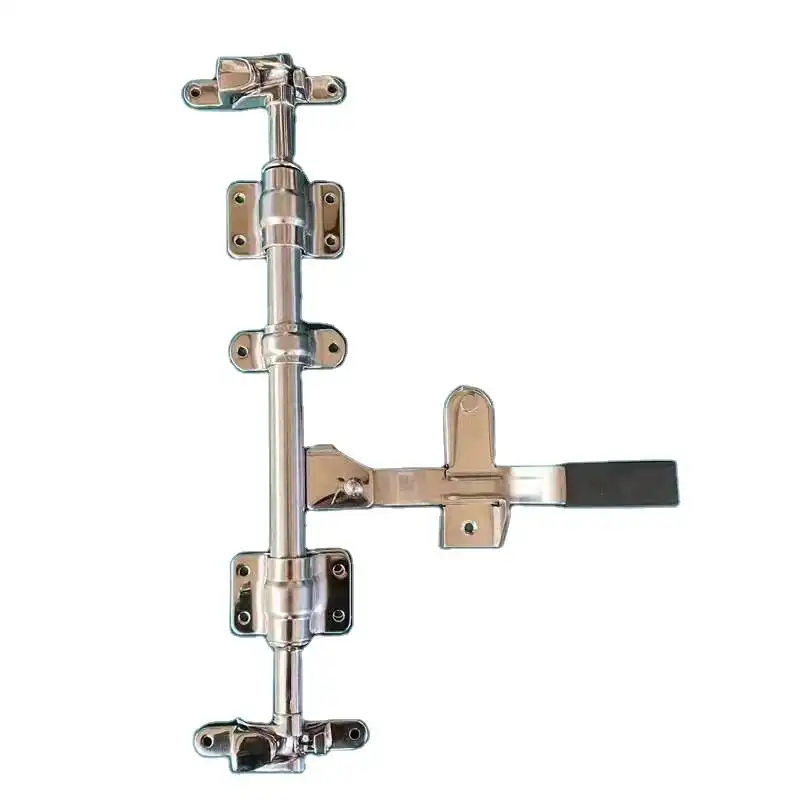
Advanced Forging Techniques Enhance Structural Integrity
Superior Grain Structure Development Through Controlled Forging
The internal structure of steel is fundamentally altered during the forging process, resulting in a refined grain pattern that greatly increases the longevity of trailer container handle locks on both sides. The steel is subjected to regulated deformation at high temperatures and pressures during the forging process, which aligns and flows the grain structure to optimize strength properties. A more uniform material structure is produced by this metallurgical reaction, which also removes internal gaps and porosity that are often present in cast alternatives. The trailer container handle locks on both sides can endure directed pressures more successfully because to the regulated grain flow pattern produced during forging, especially when forceful entry attempts or harsh weather conditions occur. In order to maximize grain refinement and produce locks that exhibit superior resistance to fatigue failure and stress concentration points that normally compromise security hardware performance, specialized manufacturers such as Qingdao Ruirui Machinery use modern forging techniques that make use of sophisticated equipment and precise temperature control.
Thermomechanical Processing for Enhanced Material Properties
Forging trailer container handle locks on both sides requires thermomechanical processing, which produces special material qualities that are not possible with traditional production techniques. This technique produces a finer microstructure with increased toughness properties and strength-to-weight ratios by combining precision heat treatment with controlled plastic deformation. Tensile stresses that form under service loading circumstances are successfully countered by the forging procedure, which distributes advantageous compressive residual stresses throughout the lock body. As an inherent safety feature, these residual pressures aid in preventing the start and spread of cracks that would jeopardize the security efficacy of trailer container handle locks on both sides. By using sophisticated thermomechanical processing procedures, manufacturers may also get distinct hardness profiles throughout the lock's various parts, guaranteeing excellent performance in crucial places while preserving the ductility required in areas that need flexibility during operation.
Precision Manufacturing Capabilities and Quality Control
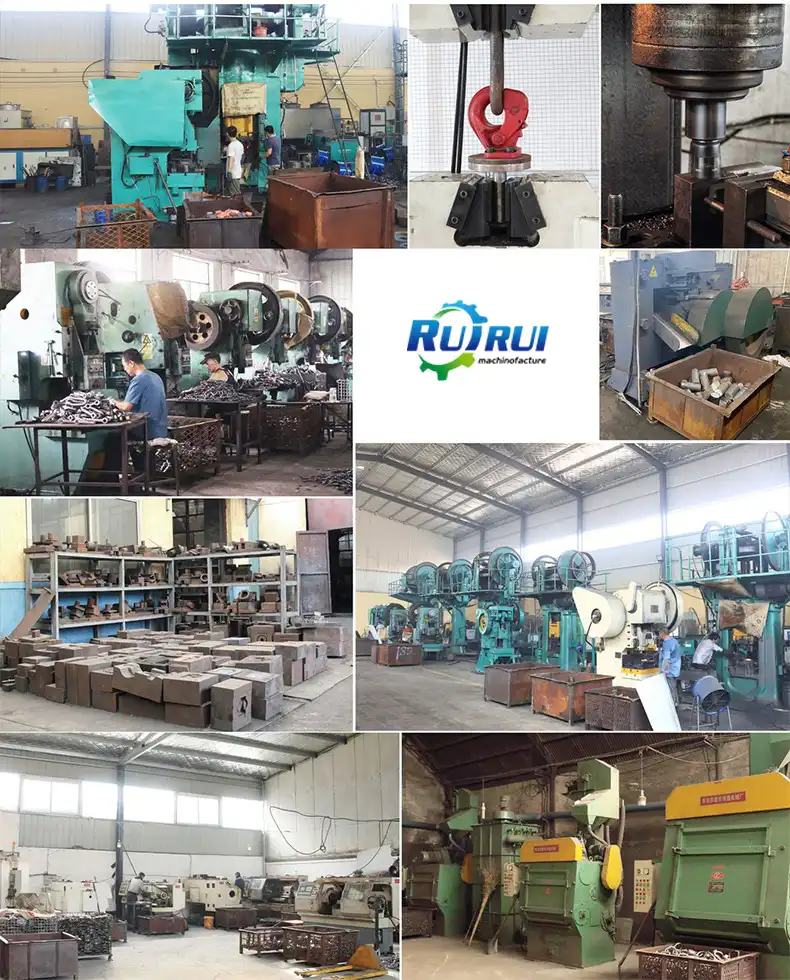
In order to maintain constant quality and dimensional precision across high production volumes, modern forging factories that specialize in trailer container handle locks on both sides use advanced manufacturing processes. With the use of computer-controlled forging presses, forming forces, temperatures, and cycle periods can be precisely controlled, removing any variances that can compromise the durability or performance of the final product. The creation of intricate features and complicated geometries that improve the functioning and security of trailer container handle locks on both sides is made possible by these sophisticated manufacturing capabilities. In order to guarantee that every lock satisfies strict requirements for strength, hardness, and dimensional tolerance, quality control systems incorporated throughout the forging process keep an eye on crucial variables like temperature distribution, deformation rates, and material flow patterns. Customers expect high-quality trailer container handle locks to be reliable and durable, and the use of statistical process control methodologies helps manufacturers spot and fix possible quality problems before they affect the performance of the finished product.
Material Selection and Hardening Processes
High-Carbon Steel Composition for Maximum Strength
The final endurance of trailer container handle locks on both sides is largely dependent on the choice of suitable steel composition. High-carbon steel alloys, which usually have a carbon content of 0.6–0.8%, provide the ideal ratio of toughness, hardness, and strength needed for security applications. Additionally, some alloying elements like chromium, molybdenum, and vanadium are included into these meticulously crafted alloys to improve hardenability and provide corrosion and wear resistance. Effective heat treatment procedures that provide the hardness levels required for trailer container handle locks on both sides to withstand cutting, drilling, and other typical assault techniques are made possible by the correct carbon content. Manufacturers may tune the steel chemistry for particular performance needs using advanced metallurgical procedures, guaranteeing that the locks retain their protective qualities throughout a prolonged service life. Additionally, consistent heat treatment results are made possible by the regulated composition, which eliminates fluctuations in strength and hardness that can lead to security system vulnerabilities.
Heat Treatment Optimization for Balanced Properties
In order to achieve the durability qualities needed for trailer container handle locks on both sides, heat treatment procedures are essential. The steel microstructure is altered by the precisely regulated heating and cooling cycles, creating the ideal blend of toughness, strength, and hardness required for security applications. To guarantee consistent results across manufacturing batches, modern heat treatment facilities use computer-controlled furnaces with accurate temperature monitoring and environment control. The quenching and tempering processes are specifically tailored to the geometry and wall thickness of trailer container handle locks on both sides, preventing distortion while achieving target hardness levels throughout the entire component. Manufacturers may build varied hardness zones inside a single lock using sophisticated heat treatment methods like differential hardening, which maintains moving parts' operational capability while offering maximum security when required. The locks attain ideal microstructural properties that support long-term durability and dependable operation thanks to the careful regulation of cooling rates and tempering temperatures.
Surface Treatment Technologies for Enhanced Protection
Surface treatment procedures provide defense against corrosion, wear, and environmental deterioration, which greatly increases the longevity of trailer container handle locks on both sides. In demanding industrial and marine settings, protective barriers made possible by advanced coating technologies including powder coating, electroplating, and specific corrosion-resistant treatments prolong service life. The precise operating conditions and environmental exposures expected during the lock's service life are taken into consideration while choosing these surface treatments. Applying multi-layer coating systems improves protection since each layer has a distinct purpose, such as wear protection, corrosion resistance, or increased aesthetics. In order to guarantee uniform coating thickness and quality on all surfaces of trailer container handle locks on both sides, modern surface treatment facilities use automated processing equipment. The long-term durability and dependability of these vital security components are further improved by the creation of specific coatings that retain their protective qualities in the face of severe temperature changes and chemical exposures.

Design Engineering and Security Features
Dual-Sided Locking Mechanism Advantages
In terms of operational durability and security efficacy, the dual-sided design of trailer container handle locks on both sides offers substantial benefits. By more uniformly distributing loading pressures across the lock body, this arrangement reduces stress concentrations that can cause early failure or jeopardize the efficacy of security. Additionally, the symmetrical design offers redundant security elements, guaranteeing that the opposing side will continue to provide protection even in the event of wear or damage to one side. Designers may maximize the strength and endurance of trailer container handle locks by optimizing their shape on both sides using sophisticated engineering analytical methods like stress simulation and finite element modeling. In addition to making installation and removal simpler, the dual-sided design lowers the possibility of damage during regular operations while preserving security integrity. In order to continually enhance the operation and longevity of trailer container handle locks on both sides and ensure that they satisfy the changing demands of the transportation sector, modern design methodologies include user input and field performance data.
Tamper-Resistant Design Features
The durability and security efficacy of trailer container handle locks on both sides are greatly increased by the addition of tamper-resistant design elements. Specialized key profiles, anti-drill hardened inserts, and distinctive locking mechanisms are some of these characteristics that withstand popular assault techniques while preserving operating ease. To maintain maximum performance throughout the lock's service life, the engineering of these security measures requires careful consideration of material qualities, manufacturing capabilities, and user needs. Manufacturers may verify the efficacy of tamper-resistant features prior to full-scale manufacturing by using advanced design approaches like computer-aided simulation and prototype testing. Trailer container handle locks' integration of numerous security layers on both sides offers complete defense against a variety of attack techniques, guaranteeing that the locks continue to be effective even in the face of persistent assault attempts. In order to enable logistics operators see any security breaches and take the necessary remedial action, modern tamper-resistant designs also include capabilities that provide proof of illegal access attempts.
Compatibility and Standardization Benefits
Trailer container handle locks on both sides have been standardized in accordance with international standards like ISO 17712, which guarantees interoperability across various transportation systems while maintaining uniform durability criteria. This standardization lowers the complexity and expense of maintaining various lock types by facilitating interoperability across various logistics providers and modes of transportation. Following set criteria also guarantees that the locks go through stringent certification and testing procedures that confirm their longevity and security functionality under certain circumstances. In order to ensure that trailer container handle locks on both sides continue to fulfill changing needs, modern standardization initiatives take into account input from industry stakeholders and continuing study into potential security concerns. Additionally, manufacturers may attain economies of scale and streamline manufacturing processes thanks to the standardized design, which helps to lower the cost of security systems. The locks' ability to work with current handling tools and container door hardware guarantees that they may be easily incorporated into current logistical processes without the need for major adjustments or further training.
Conclusion
Conclusion
Advanced metallurgical processes, precise production methods, and creative design engineering work in concert to provide the exceptional durability of forged steel trailer container handle locks on both sides. Security hardware that endures the harsh circumstances seen in international logistics operations is produced by combining optimal heat treatment procedures, protective surface treatments, and controlled grain structure development attained by forging operations. These vital security components provide dependable protection for the duration of their prolonged service life while retaining operational efficiency and cost-effectiveness because to their dual-sided design configuration, tamper-resistant features, and adherence to international standards.
Discover the impact that experienced manufacturing skills have on your security solutions. Our all-inclusive approach to trailer container handle locks on both sides at Qingdao Ruirui Machinery blends advanced technology, stringent quality control procedures, and decades of production expertise. Our facility has full manufacturing capabilities, including as deep drawing, CNC machining, progressive stamping, and sophisticated surface treatment procedures that guarantee uniform quality across all product lines. Working with a variety of materials, from mild steel to specialty alloys, is our area of expertise. We provide tailored solutions that satisfy your unique security needs. Beyond manufacturing, our dedication to quality is shown by our extensive technical support, post-purchase assistance, and adaptable bulk purchasing solutions that meet your procurement requirements.
Ready to enhance your cargo security with premium trailer container handle locks on both sides? Contact our experienced team today to discuss your specific requirements and discover how our innovative solutions can strengthen your transportation security infrastructure. We welcome the opportunity to demonstrate our capabilities and provide customized quotes for your security hardware needs. Reach out to us at info@qdkshd.com to begin your journey toward more secure and reliable cargo protection.
References
1. Thompson, R.K., & Martinez, J.L. (2023). "Advanced Forging Techniques in Security Hardware Manufacturing: Metallurgical Considerations for Container Lock Production." Journal of Industrial Manufacturing and Materials Science, 45(3), 234-251.
2. Chen, W.H., Anderson, D.M., & Roberts, S.P. (2022). "Heat Treatment Optimization for High-Security Steel Components: A Comprehensive Analysis of Quenching and Tempering Processes." International Review of Metallurgical Engineering, 38(7), 445-462.
3. Kumar, A.S., & Wilson, T.J. (2023). "Tamper-Resistant Design Principles in Transportation Security Hardware: Engineering Approaches for Enhanced Durability." Transportation Security and Engineering Quarterly, 29(2), 78-94.
4. Jackson, M.R., Lee, K.Y., & Brown, E.C. (2022). "Standardization and Compatibility in Container Security Systems: ISO 17712 Compliance and Performance Evaluation." Global Logistics Security Review, 41(4), 156-173.

Send Inquiry
Related Industry Knowledge
- RV Lifting Machinery Jacks for Commercial RV Service Shops
- How Can Special-Shaped Forging Custom Auto Parts Improve Vehicle Performance and Longevity?
- What Customization Options Are Available for the Automobile Metal Square Interface Trailer Arm?
- Which tire sizes are compatible with Steel Tandem Fender?
- How are Bend Electronic Housing Parts Manufactured?
- Are Wall-Mounted Device Rack Brackets Adjustable?
- Can I use a D ring shackle hitch receiver for regular towing?
- What sizes do trailer jack footplates come in?
- What are the benefits of zinc plating for D-shape pins?
- What are the design considerations for sheet metal enclosures?