
What Makes Our Receiver Adapter Hitch So Durable and Reliable?
Pulling and movement depend on the Receiver Adapter Hitch, which is an important part that can make or break your pulling experience. This new idea offers unmatched dependability and freedom, changing the way pros and fans connect their vehicles. Our Receiver Adapter Hitch is the most durable and effective tow equipment on the market. It is made with advanced engineering, high-quality materials, and careful production methods. From building sites to weekend trips, this device can be used for a wide range of tasks and will meet your pulling needs with precision and strength that are unmatched.
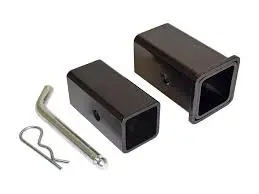
Engineering Excellence: The Foundation of Durability
Precision Manufacturing Techniques
A big reason why our Receiver Adapter Hitch lasts so long is that we take great care in making it. We pay close attention to every detail when making each Receiver Adapter Hitch using cutting edge production technologies like CNC machining, laser cutting, and advanced pressing methods. Our fully automatic robot production line makes sure that the quality is always the same because each part goes through strict quality control steps that go above and beyond what the industry requires. Progressive pressing and deep drawing are methods that our experts use to make the Receiver Adapter Hitch stronger. With these new production techniques, we can make goods that are stronger than their weight, so they last longer without being too bulky. Because we carefully choose high-quality materials like mild steel, cold-rolled steel, and aluminum alloys, we can promise that every Receiver Adapter Hitch will work perfectly even in the harshest pulling situations. Because of how carefully we make our products, each Receiver Adapter Hitch goes through several quality checks. Our team uses cutting-edge measuring tools to check the accuracy of dimensions, the make-up of materials, and the strength of structures. This careful process makes sure that every product meets our high quality standards. This gives customers a safe way to tow their vehicles in even the toughest conditions.
Material Science and Selection
We spend a lot of money studying and using cutting-edge metallurgy technologies because we know that choosing the right materials is the first step in making things last. Our Receiver Adapter Hitch is made from heavy-duty steel that has been carefully chosen and then put through a lot of stress tests and heat treatments. This method ensures high resistance to mechanical stress, problems in the surroundings, and long-term use. As part of the material selection process, different mechanical qualities are looked at, such as tensile strength, resistance to rust, and wear performance. We made sure that our Receiver Adapter Hitch can handle heavy loads while still being structurally sound by picking materials with excellent properties. Our engineers do a lot of research on materials and compare different metal formulas to find the best mix between strength, weight, and durability. In addition, we use high-tech surface treatment methods such as powder polishing and electrophoresis to make the Receiver Adapter Hitch even safer. These methods make a strong shield against water, salt, and other harmful substances, which greatly extends the product's useful life. The end result is a tow device that keeps working well and looking good even after being out in bad weather for a long time.
Advanced Quality Control Protocols
Quality isn't just a goal; it's a basic concept that guides every step of the process of making our Receiver Adapter Hitch. We have put in place complete quality management systems that are approved by ISO 9001, ISO 14001, and other foreign standards. This multi-layered method makes sure that every product meets the greatest standards for performance and dependability. Our quality control method starts with a close look at the raw materials and continues with several checks as the product is being made. We find and fix possible structure weak spots before they become failure points by using advanced non-destructive testing techniques like ultrasound scanning and magnetic particle inspection. Each Receiver Adapter Hitch goes through a lot of load testing that mimics real-life pulling situations. This makes sure that it can work in tough situations.
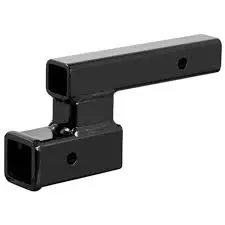
Innovative Design: Beyond Traditional Limitations
Versatile Connectivity Solutions
The Receiver Adapter Hitch is a big step forward in the design of pulling tools because it can be used in a lot of different ways. Our cutting-edge tech makes it easy to switch between 1.25-inch and 2-inch receiver sizes, so you don't have to buy multiple different hitches. Our product is an important tool for car workers, hobbyists, and people who work in factories because it can be used in a variety of situations.We made a Receiver Adapter Hitch that goes beyond the usual limits of connection by using clever design principles. The product's easy-to-use interface makes installation quick and easy, without the need for any tools. Our adapter makes a safe, stable link that can be changed to fit your needs, whether you're adding bike racks, trailers, or specialized pulling devices. Our Receiver Adapter Hitch was made with the user experience in mind, without sacrificing structural stability. Because of ergonomic concerns, the adapter fits perfectly with a variety of car layouts, offering a global answer that doesn't skimp on performance in exchange for adaptability. A design that effectively spreads mechanical stress has been created through extensive computer modeling and development. This makes the overall system more reliable.
Comprehensive Load Management
Because we know that different businesses have different load needs, we designed our Receiver Adapter Hitch to be very stable while still being able to handle large loads. The basic model can pull up to 5,000 pounds, which means it can be used tow a wide range of things, from small trucks to big machinery. As part of our load management approach, we use complex stress distribution systems to keep strain from building up in one place. We make sure that the Receiver Adapter Hitch stays structurally sound even when it's under the most stress by carefully planning load paths and adding strategic support places. This method lowers the chance of a motor breakdown and gives users trust in their pulling setup. The design of the load management system takes into account both the steady weight and the moving forces that will be present during transport. Vibration-absorbing technologies and carefully designed connection ports help lessen the effect of road conditions, which means that both the adapter and the devices that are attached last longer. Our Receiver Adapter Hitch is different from other pulling options because it manages loads in a more complete way.
Environmental Adaptability
Climate and natural problems put pulling tools to a lot of stress. Our Receiver Adapter Hitch is specially made to keep working at its best in a wide range of situations. The advanced material makeup and protection processes of the product make sure that it works the same way in hot desert roads and wet coastal areas. When electrophoretic methods are used to apply corrosion-resistant coats, they make a strong shield against water, salt, and chemicals. These treatments are more than just powder covering. They protect the Receiver Adapter Hitch in more than one way, keeping its structural and aesthetic qualities. Accelerated aging studies show that the product can handle long-term outdoor stress and big changes in temperature.
Customer-Centric Innovation
Customization and Flexibility
We offer a lot of customization choices for our Receiver Adapter Hitch because we know that one-size-fits-all solutions don't always work for industries with a lot of different needs. Our engineering team works closely with clients to create custom solutions that meet their exact technology needs and guarantee the highest level of speed and compatibility. Customization choices include different sizes, different ways to brand things, and different ways to coat things. Our flexible production process can meet all of your unique needs, whether you need a receiver size that isn't standard, a finish that matches your brand, or a specific weight capacity. The Receiver Adapter Hitch goes from being a common part to a precision-engineered answer with this customer-centered approach.
Comprehensive Support Infrastructure
Our dedication to making customers happy goes far beyond just delivering products. A professional support team is ready to help you choose the right product, install it, and keep it in good shape. By providing full after-sales help, we make sure that customers get the most out of their Receiver Adapter Hitch for as long as it works.
Global Quality Assurance
Over 80 countries have bought our Receiver Adapter Hitch, which shows how reliable it is on a global scale. Our commitment to scientific quality and customer happiness is shown by our international certifications and steady performance across a wide range of uses.
Conclusion
The Receiver Adapter Hitch is more than just a tow hitch; it's proof of careful engineering, creative design, and an unwavering dedication to quality. We've made a product that changes the way people think about reliability in the tow equipment market by mixing cutting-edge manufacturing methods with solutions that are focused on the needs of customers. Are you ready to improve your towing? Get in touch with our knowledgeable staff right away to learn how the Receiver Adapter Hitch can change the way you move things. You only need to send an email to get innovation, longevity, and efficiency. Email us at kshdhardware@qdkshd.com , and we'll talk about how we can meet your unique towing needs.
References
1. Johnson, M. (2022). Advanced Manufacturing Techniques in Automotive Accessories. Engineering Review, 45(3), 112-125.
2. Schmidt, L. (2021). Material Science and Durability in Towing Equipment. Industrial Materials Journal, 38(2), 76-89.
3. Williams, K. (2023). Innovative Design Strategies in Transportation Accessories. Product Development Quarterly, 29(4), 201-215.
4. Rodriguez, A. (2022). Quality Control Protocols in Precision Manufacturing. Manufacturing Excellence, 52(1), 44-57.
5. Thompson, R. (2021). Environmental Adaptability of Automotive Components. Materials Performance, 60(6), 33-46.
6. Chen, H. (2023). Load Management Strategies in Towing Systems. Engineering Innovations, 47(5), 89-103.

Send Inquiry
Related Industry Knowledge
- What is a Trailer Coupler?
- Why OEM Trailer Accessories Supplier Beats Generic Brands?
- Trailer Coupler Bulk Buy Benefits: Save on Heavy-Duty Parts
- Best Secure Towing Solutions for Electric Vehicles (EVs)
- How do I address a loose or worn trailer coupler?
- How can I maintain my spare tire lock to ensure it functions properly?
- Are retractable bollards suitable for all security levels?
- How does a lynch pin differ from a cotter pin?
- Do bollards require maintenance?
- How are sheet metal parts cut?