
Why Custom U Bolt Solutions from Suppliers Can Boost Your Project's Success?
Choosing the right binding option for a complicated infrastructure or industrial project can mean the difference between a smooth assembly and costly delays. Custom U bolt give engineering teams and procurement managers a strategic edge by providing exact measurements, the best material choice, and performance traits that off-the-shelf choices just can't match. These custom fasteners are made to fit specific load requirements, fitting limitations, and weather conditions. They keep structure parts safe even when they're under a lot of stress. When you work with experienced suppliers who know what you need for your project, you can get engineered solutions that make assembly more efficient, cut down on maintenance cycles, and improve system reliability overall. These are all important factors for a wide range of projects, from building public infrastructure to making heavy machinery.
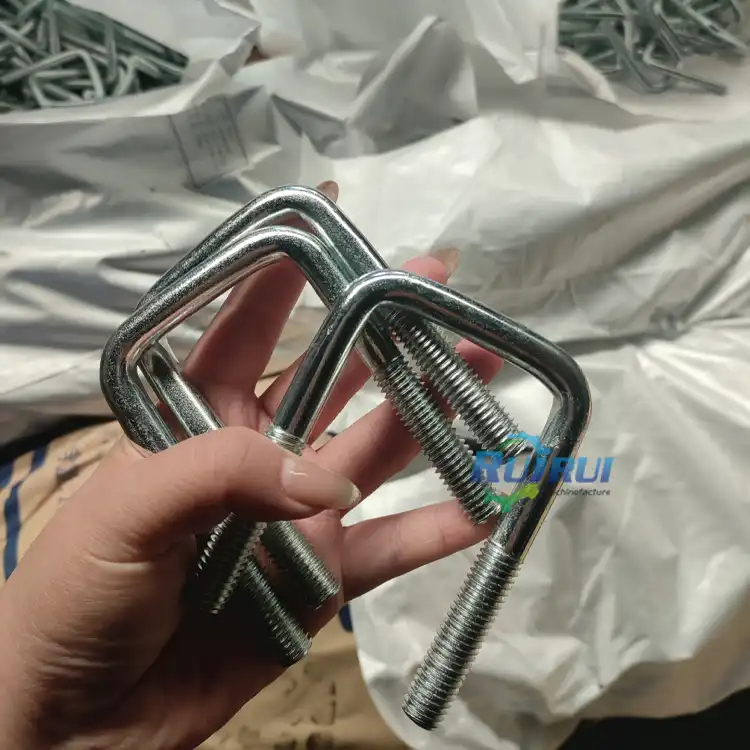
Understanding Custom U Bolt Fasteners and Their Strategic Applications
Custom U bolt fasteners are an important type of industrial hardware used to attach pipes, tubes, wires, and structural parts to walls, mounting surfaces, or frames. Unlike general forms found in standard catalogs, these fasteners are made to meet the exact project requirements, such as the diameter, leg length, thread type, and material make-up.
Why Tailored Fastening Solutions Matter in Industrial Projects
Standard screws drive engineers to give up on fit a lot of the time, which can cause stress concentration spots, breakdowns due to vibration, or early wear. Customized solutions get rid of these problems by making sure that every measurement fits your needs for assembly. Preciseness is important when placing pipes in local water treatment plants or securing exhaust systems in cars. Small differences in measurements can cause leaks, broken parts, or safety risks. Engineered fasteners have the exact bend radius and leg spacing needed to spread loads evenly across mounting surfaces. This makes the fasteners last longer and cuts down on unnecessary downtime.
Material Selection: Electrogalvanized Steel versus Stainless Alternatives
A material's choice has a direct effect on its resistance to corrosion, its dynamic strength, and its living costs. For a custom U bolt, electrogalvanized steel is a great way to keep things from rusting, and it's also reasonably priced for big orders. Because the zinc covering protects against water and rust, it can be used in places with mild corrosion, like building sites and farms. For a custom U bolt, stainless steel versions work better in marine, chemical processing, or seaside infrastructure settings where chloride is always present. Knowing your surroundings helps buying teams choose the best material grade, which balances the cost of the original purchase with the durability over time. RUIRUI has choices made of both electrogalvanized steel and stainless steel for custom U bolts. These are made in Qingdao under strict quality rules that meet ISO 9001 and ISO 14001 standards.
Application Fields Where Engineered Fasteners Deliver Maximum Value
These flexible clips are used in many areas. They are used by automakers to hold suspension parts and exhaust systems, which need to be resistant to vibration and work well in hot and cold conditions. Heavy-duty versions are used by construction companies to secure railings, structural supports, and HVAC systems in business buildings. Manufacturers of agricultural tools need fasteners that don't rust so that they can handle fertilizers, water, and soil pollutants. Fasteners that are accurate in size and don't rust over time are good for municipal infrastructure projects like traffic control systems, street lights, and water distribution networks. Customized solutions are better than general ones because they take into account the unique needs of each application.
How to Precisely Measure and Specify Fasteners for Your Engineering Needs
Specifications that are correct are the key to good buying. Mistakes in measurements or missing specs can cause production delays, expensive rework, or changes in the field that weaken the structure. Receving a perfectly fitted custom U bolt requires understanding clear measurement guidelines.
Critical Dimensions That Define Performance and Compatibility
Knowing the measurement guidelines will help you get custom U bolt fasteners that will fit properly when it's time to put them. The inside diameter must be the same as the pipe or part that is being fixed, and there should be enough room for thermal growth. Leg length tells you how far the fastener can reach the fastening surface. If it's too short, it won't reach, and if it's too long, the extra threads add weight and cost that aren't needed. The thread length needs to be long enough to connect with nuts without interfering with parts next to it. The bend radius changes how the fastener goes around cylinders and how stress is distributed when the load is put on it. Giving your seller engineering plans or technical sketches clears up any confusion and speeds up the setup of production.
Establishing Design Guidelines with Your Manufacturing Partner
The best results happen when your engineering team and the supplier's expert staff work together. During the specification step, you should talk about the required force, the fitting torque, and the surroundings. Tell each other about your assembly line's preferred coatings, thread standards, and packing needs. Suppliers who have worked with OEMs for a long time can suggest changes to the design that make it easier to make without affecting the performance. This way of working together cuts down on wait times and makes sure that the finished product fits right into your production process. During these talks, RUIRUI's R&D team brings over 15 years of experience working with metal fabrication to help clients finetune their specs for the best results.
Comparing Tailored Fasteners with Standard Solutions for Strategic Sourcing
When making procurement choices, you have to balance the need for efficiency with the limitations of your budget and the needs of your supply chain. Knowing when to ask for a custom U bolt instead of standard stock items is important for the success of a project.
Design Flexibility and Performance Advantages of Engineered Components
Off-the-shelf screws can be used right away and cost less per unit for simple tasks. But designed options are much better for projects that need pipes of non-standard sizes, mounting angles that aren't the norm, or load levels that are very specific. Customized designs make the best use of materials by putting reinforcements right where mechanical pressures are highest. This precise engineering makes parts lighter while keeping or even increasing their load capacity. When screws fit perfectly, there is no need for changes to be made in the field, which wastes time and causes quality to vary. This makes assembly processes more efficient. Infrastructure workers who work on public safety projects, like installing bollards or barrier systems, value this dependability even more because mistakes in the field pose big potential risks.
Coating Options: Evaluating Protection Levels and Lifecycle Economics
Electrogalvanized treatments protect against rust in a cost-effective way and can be used indoors or in mild outdoor settings. A thin layer of zinc is applied during the covering process. This layer gives up its own life to protect the steel below, and under normal conditions, it lasts for about 10 years. For large orders where saving money is important, this choice is a great deal, such as for a custom U bolt. With stainless steel rivets, you don't have to worry about coatings at all because the chromium in the alloy makes it naturally resistant to rust. Even though the original costs are higher, stainless steel is often more cost-effective over its lifetime in tough settings where coating failure would mean replacement more often. When comparing materials, procurement managers should figure out the total cost of ownership, which includes the work needed for installation, the frequency of upkeep, and the number of times the material needs to be replaced.
Load Capacity Considerations: Matching Fastener Strength to Application Demands
Light-duty screws are fine for non-structural uses like managing cables or installing light pipe systems where mechanical loads are low. Heavy-duty versions made from high-strength steel can be used for structural purposes and can hold up to 20 tons of weight in some designs. The right choice is made when you know your load specs, such as the static weight, dynamic forces, shaking exposure, and safety factors. During the design process, engineering teams should look at load tables and do stress analysis. They should then work with suppliers to make sure that the suggested fastener standards meet the calculated needs with enough safety margins.
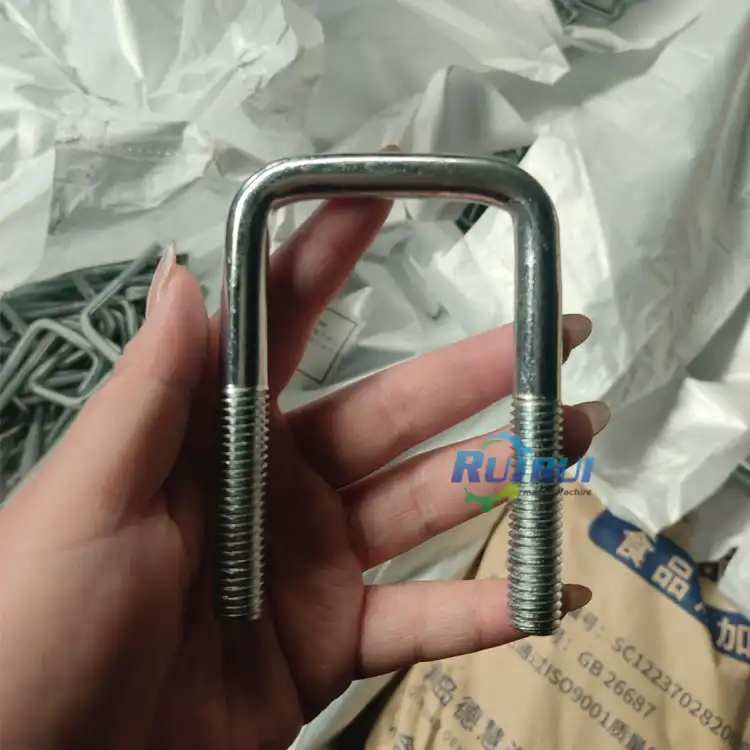
Procurement Insights for Sourcing Engineered Fastening Solutions
Choosing the right supplier has a big impact on how the project turns out, affecting quality consistency, shipping reliability, and the availability of expert help throughout the lifecycle of the product. Many teams find that a reliable custom U bolt partner ensures long-term stability.
Evaluating Manufacturing Capabilities and Quality Certifications
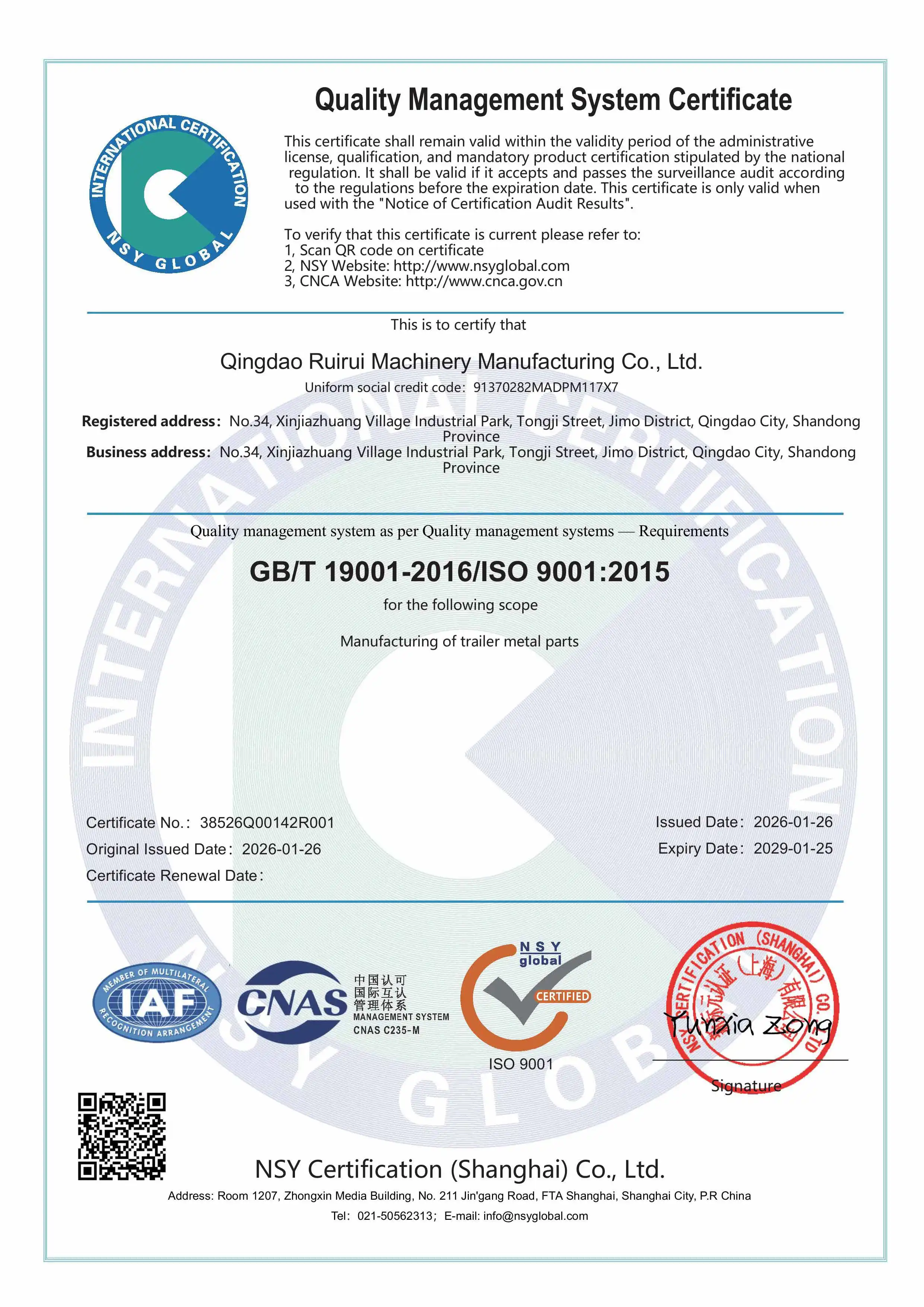
The most important providers have up-to-date factories with CNC bending machines, automatic sewing machines, and controlled coating processes. These features make sure that the sizes stay the same across big production runs, which is very important when fasteners need to be able to be used at different installation sites. Certifications for quality management systems, like ISO 9001, show that you are dedicated to controlling processes and making them better all the time. Environmental standards like ISO 14001 show that a company uses responsible manufacturing methods, which are becoming more important for the government to buy things from and for companies to meet their sustainability goals. RUIRUI keeps these certifications while running eight production lines that make 130,000 pieces a year. This combines high output with quality control that meets world standards.
Understanding Lead Times, Minimum Order Quantities, and Pricing Structures
The planning of production for a custom U bolt starts with checking the raw materials and goes through steps of shaping, threading, finishing, quality testing, and packing. Engineered screws usually have lead times of three to six weeks, but this depends on how complicated they are and how many orders they get. Setting realistic deadlines during the planning stages of a project keeps schedules from clashing during the building stages. The economics of custom manufacturing mean that minimum order numbers are necessary. For example, setting up tools, buying materials, and switching between production runs for a custom U bolt all have fixed costs that are spread out over large orders. A lot of providers set MOQs around 1,000 pieces for a custom U bolt, which makes them easy to work with for medium-sized projects while also keeping production costs low. Pricing models usually offer savings for buying more, which is a reward for buyers who combine orders or make long-term deals to supply. Talking to your providers about your expected yearly volumes for custom U bolts can help you get better prices and make sure there is enough production capacity for future orders.
Building Strategic Supplier Relationships for Long-Term Project Success
When you find suppliers who can help with more than one job at a time, procurement goes beyond single deals. Suppliers who know your exact needs, quality standards, and shipping needs can handle repeat orders more quickly. As supplier engineering teams learn more about your products and the needs of your business, they can give you better technical help. A lot of infrastructure builders and original equipment makers (OEMs) set up preferred vendor relationships with dependable partners who consistently do a good job. When there are tight deadlines or changes to the specifications, these relationships help because established suppliers value loyal customers and are more willing to meet pressing requests than buyers who are only looking for the lowest price.
Installation Procedures and Maintenance Strategies for Maximum Fastener Lifespan
When put or kept incorrectly, even the best fasteners don't work as well as they should. Following best practices will protect your investment and make sure that the system works well for as long as it's supposed to. Proper custom U bolt maintenance is essential for longevity.
Step-by-Step Installation Guidelines for Field Personnel
Before putting the fasteners into action in the field, you should first make sure that they match the specs and test reports, including the custom U bolt. Get rid of any dirt, rust, or other debris that might be on the mounting surfaces so that they can sit properly. Place the fastener around the pipe or part, making sure that the bend radius is the same as the width of the item and there are no holes. Put nuts on both legs and hand-tighten them at first so you can move them around. Use measured torque tools to apply the tension recommended by the maker. Switch between nuts to make sure that the clamping forces are spread out evenly. When you over-tighten, you could strip threads or deform parts, but when you don't use enough force, they can come free when they are vibrated. Write down where the parts were put and how much torque they require for quality control and future upkeep. Once installed correctly, fasteners don't need to be adjusted very often over the course of their useful life. This lowers the need for upkeep and the work costs that come with it.
Corrosion Protection Measures That Extend Service Intervals
Corrosion protection starts with the choice of materials, but how they are maintained affects how well they work. Inspections of electrogalvanized bolts should be done on a regular basis, especially in marine or industrial areas with harsh weather. Cleaning the surface gets rid of built-up dirt and grime that could damage the zinc covering. Stainless steel screws don't need to be checked as often, but they should be checked for crevice rust in places where they will be exposed to chemicals or standing water. For infrastructure projects, inspection plans should be based on how dangerous the environment is. For example, once a year for mild environments, three times a year for middling ones, and once a month for harsh ones. Keeping track of the progress of rust and writing down what was found during inspections can help you correctly predict when to replace something and plan for its lifecycle costs. These preventative steps stop problems from happening out of the blue, which would otherwise stop activities and cost a lot to fix.
Conclusion
When you choose designed fixing solutions that are made to fit the needs of your project, such as a custom U bolt, you get real benefits during the buying, installation, and use phases. These specialized parts get rid of the flaws that come with regular goods, giving you a perfect fit, the best material qualities, and performance characteristics that are perfect for your needs. Strategic relationships with suppliers add to these benefits by providing technical know-how, quality testing, and a reliable supply chain that help projects get done well. When you buy screws that are properly defined and made, they last longer, require less upkeep, and take less time to install. These benefits directly affect your project's return on investment and operational excellence.
FAQ
1. What makes customized screws different from stock items?
Tailored variants are made to exact specs, such as non-standard sizes, special materials, and features that are needed for a certain purpose but can't be found in standard goods. They meet specific technical needs that can't be met by off-the-shelf products.
2. How long does it usually take to make designed orders?
Depending on how complicated the job is, how many orders there are, and how busy production is at the moment, lead times are usually between three and six weeks. When you tell suppliers about your deadline needs early on in the buying process, they can prioritize important projects when they have the capacity to do so.
3. What kind of material works best in saltwater?
Grades of stainless steel work better in ocean and seaside settings where chloride contact speeds up corrosion. Electrogalvanized steel works well in interior areas with mild humidity, but it breaks down more quickly in salty seawater.
4. Can suppliers handle small amounts of prototypes before full production?
A lot of makers let you try out samples or prototypes to make sure they meet your needs before you place a large order. Talking to sellers about the tests you need helps you set up order phasing that minimizes risk while moving toward full-scale buying.
Partner with RUIRUI for Reliable Custom U Bolt Manufacturing
When RUIRUI makes something, they use cutting-edge production technology and thorough quality control systems to make sure that the fixing solutions they provide are perfect for your project. Our factory in Qingdao makes electrogalvanized and stainless steel choices that can be customized in terms of size, thread type, and covering thickness to fit your needs. We know what your procurement goals are because we've been a custom custom U bolt seller for a long time to infrastructure builders, industrial equipment makers, and international distributors. Email our team at kshdhardware@qdkshd.com to talk about your needs, get detailed information, or set up a sample review. We look forward to the chance to help your project succeed.
References
1. American Society of Mechanical Engineers. (2019). Standards for Threaded Fasteners: Design and Application Guidelines. New York: ASME Press.
2. Chen, W. & Liu, Y. (2021). Corrosion Protection Methods for Steel Fasteners in Infrastructure Applications. Journal of Materials Engineering and Performance, 30(4), 2847-2859.
3. International Organization for Standardization. (2020). ISO 3506: Mechanical Properties of Corrosion-Resistant Stainless Steel Fasteners. Geneva: ISO Publications.
4. Morrison, J. (2018). Procurement Best Practices for Industrial Components: A Guide for Engineering Managers. Boston: Industrial Press.
5. National Association of Corrosion Engineers. (2022). Coating Systems for Fasteners in Severe Service Environments. Houston: NACE International.
6. Zhang, H., Kumar, S. & Anderson, P. (2020). Load Distribution Analysis in U-Bolt Clamping Systems for Pipe Mounting Applications. Engineering Structures, 215, 110-124.

Send Inquiry
You may like