
Why High-Quality Trailer Parts Matter for Safety and Performance?
When companies that make industrial equipment and fleet operators think about trailer upkeep, the quality of the parts has a direct impact on both safety and how well the process runs. Reliable transportation systems depend on high-quality trailer parts to keep them from breaking down in terrible ways that could damage goods, cause vehicles to break down, or even worse, cause major accidents on the road. The best parts are made from long-lasting materials like carbon steel and have improved surface processes that make them work consistently even in tough conditions. Cheaper parts, on the other hand, can't hold as much weight and aren't as strong. When you choose certified OEM-grade parts instead of low-quality alternatives, it can mean the difference between smooth operations and expensive fixes that stop production plans.
Understanding Trailer Parts and Their Impact on Safety
Figuring out what trailer parts do and how they affect safety: In business transportation, it's impossible to say enough about how important it is that parts are of good quality and that operations are safe. Every part of a trailer system works together to keep the load safe and the vehicle stable.
Critical Components That Determine Safety Performance
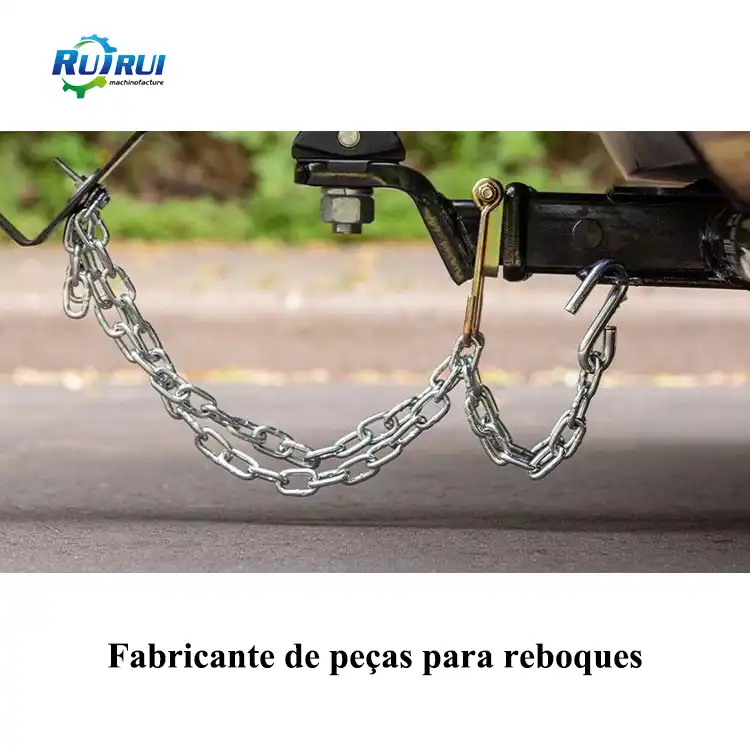
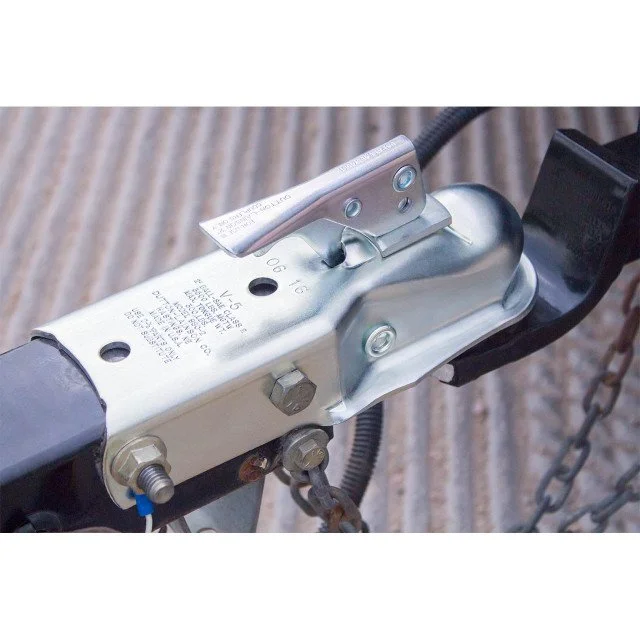
The most important safety feature in any trailer design is its braking system. When the driver presses on the brake pedal, the hydraulic or electric brake system has to act right away. Worn brake pads or rusted brake lines make the stopping distance longer, which is unsafe. Axle units spread the weight evenly across the wheel systems. If these load-bearing parts are structurally weak, they can fail catastrophically while the vehicle is on the highway. Lighting systems make it possible to see at night and in bad weather. Lights that don't work right are against Department of Transportation rules and increase the risk of an accident. Couplers, like hitches and pins, must keep the links between pull vehicles and trailers safe while they're moving, because accidents happen when they come apart.
Recognizing Warning Signs Before Failures Occur
Teams that take care of fleets need organized ways to find worn-out trailer parts before they break down. Visual checks show that metal trailer parts have surface rust, which speeds up the breakdown of structures if it is not fixed. Unusual noises during operation are often a sign of a broken bearing or an axle that is not lined up correctly and needs quick attention. When checking brake performance, if the stopping power goes down, it means that the pads are wearing out or the hydraulic pressure is dropping. Electrical system checks can find worn-out wiring that causes lights to go out sometimes. By writing down what was found during a check, maintenance records are made that help procurement teams set replacement plans for trailer parts based on how long parts actually last instead of making up random dates.
Building Maintenance Protocols That Extend Component Life
Structured repair plans make sure that parts last as long as possible and don't break down when they're least expected. Lubricating moving parts on a regular basis stops friction-related wear that shortens the life of bearings and joints. Metal surfaces with protective coats don't get damaged by things like road salt, water, and changes in temperature. Load distribution checks make sure that the weight of the goods stays within the limits set by the wheels and suspension systems. Replacing worn-out parts before they completely break down stops damage to other systems that would have to be fixed, which would have cost a lot more.
Comparing High-Quality Trailer Parts vs. Aftermarket and Low-Grade Parts
High-quality trailer parts vs. low-quality and aftermarket parts: Material science and precise production tell the difference between high-end and low-cost parts in ways that have a direct effect on the total cost of ownership.
Material Composition Determines Durability and Load Capacity
When heat treated correctly, carbon steel parts have better strength-to-weight ratios than parts made of lower-grade materials. The tensile strength of high-quality steel parts makes sure that they keep their structural integrity even when they are stressed over and over again, which happens during normal hauling operations. Aluminum alloy parts are better at resisting corrosion, but they need exact engineering to reach the same load values. At RUIRUI, we make unique parts out of high-quality carbon steel that has been treated with a special spray coating that protects it from the sun, makes it very durable, and stops corrosion all over, so it can last longer in tough settings.
OEM Standards Versus Aftermarket Compromises
Original equipment maker (OEM) specs set the minimum performance standards that certified parts must meet. OEM trailer parts go through strict testing procedures that check their load rates, resistance to corrosion, and wear life in circumstances that are similar to those that they would be used in. Buying with a warranty from a famous company protects buyers against early fails and shows that the company trusts the quality of the product. At first glance, aftermarket options may seem like a good deal, but they often don't come with the right licensing paperwork or quality control procedures. Fleet owners say that premium OEM trailer parts usually last three to five times longer than cheap aftermarket alternatives. This means that the higher initial investment saves money over many repair rounds.
Real-World Performance Data From Fleet Operations
Companies that keep track of upkeep costs in the transportation industry always find that high-quality parts lower overall costs, even though they cost more to buy. The difference in price between expensive and cheap parts is not even close to what the costs of downtime from unexpected failures are. Safety incident rates go down significantly when services only use approved parts from well-known companies. When parts are properly engineered to minimize rolling resistance and keep the best alignment specs, fuel economy goes up.
Procurement Strategies for B2B Buyers of Trailer Parts
How Business-to-Business buyers of trailer parts can find the best deals: Industrial sellers need organized ways to evaluate providers so they can find ones that can meet their long-term needs.
Evaluating Supplier Capabilities and Certifications
Quality management standards, such as ISO 9001, show that producers keep records of their processes to make sure that the quality of their products is always the same. Environment management systems, such as ISO 14001, show that a company is committed to using sustainable production methods that have the least possible effect on the environment. Occupational health and safety licenses show that there are standards in the workplace that keep accidents from stopping work. At RUIRUI Machinery, we have a wide range of certifications, such as ISO 9001, ISO 14001, ISO 20000, and OHSAS 18001. These give you peace of mind that every part meets strict international standards while it is being made.
Assessing Manufacturing Capabilities and Capacity
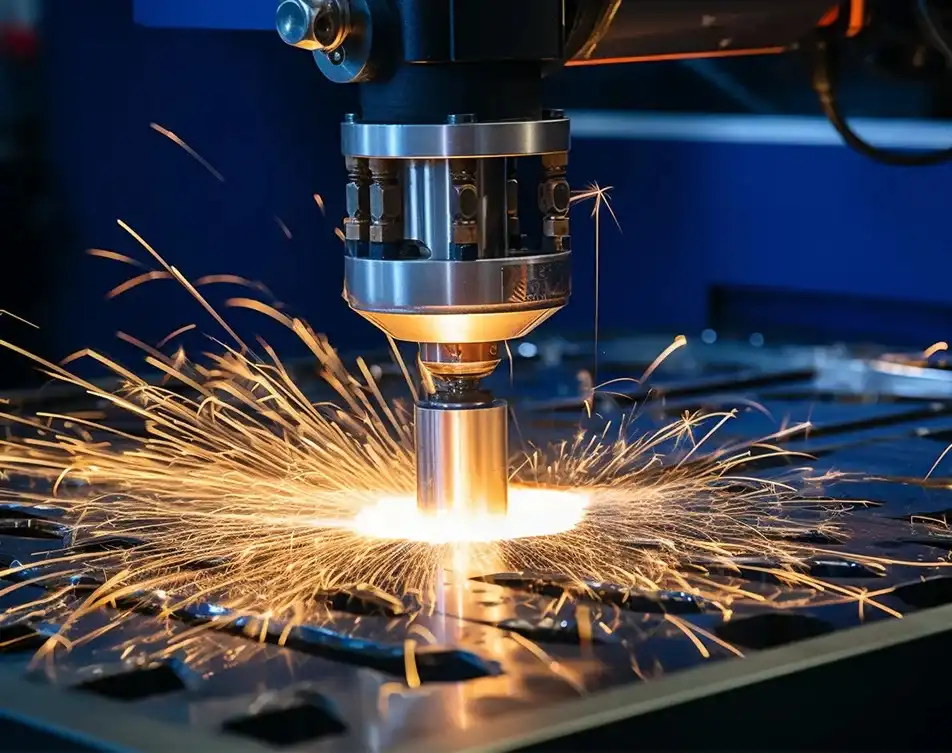
The ability of a provider to meet precise specs and volume needs for trailer parts is based on their production technology. CNC cutting makes sure that trailer parts with tight specs are made accurately in terms of size. Laser cutting devices can make complicated shapes and edges for trailer parts that can't be made with other types of cutting tools. The structural stability of built-up trailer parts depends on how well they are welded. Progressive pressing processes make it possible to make a lot of trailer parts at a low cost. Buyers should make sure that providers keep enough production capacity to fill orders for trailer parts without extending wait times too much during times of high demand.
Logistics Considerations for International Procurement
For global buying methods to work, shipping times and packaging standards need to be carefully looked at. Shipping in containers from Asian makers can save you a lot of money on large orders, but you need to plan for longer transport times. Professional packing keeps items from getting damaged during foreign shipping and lowers the number of items that are returned after delivery. Expertise in customs paperwork speeds up the clearance process and keeps lines from forming at ports of entry. Logistics partnerships that have been in place for a while make sure that delivery times are solid and meet the needs of production planning.
Enhancing Trailer Performance and Safety Through Proper Parts Selection
Choosing the right trailer parts for a trailer can improve its performance and safety: Safety margins and cost efficiency are both improved by matching component specs to operating needs.
Selecting Components for Specific Load Requirements
When used in heavy-duty situations, parts need to be designed with higher load rates and safety factors than what is normally required. The highest loaded weight + dynamic forces from road conditions and acceleration events must be taken into account when choosing an axle. For suspension systems to work right, the spring rates and dampers must be right for the weight of the goods and the road surface. For long-term downhill work with heavy trailers, brake systems need to be able to get rid of enough heat. The highest tongue weight values for coupling hardware must be exceeded with a safety margin.
Integrating Advanced Safety Technologies
Modern trailer systems are safer to use because of advances in technology that go beyond basic mechanical parts, including trailer parts. Electronic brake controls make stopping smoother and stop the trailer from swaying when the brakes are applied. Incandescent lights burn out faster and use more power than LED lighting systems, but LED bulbs last longer and give off more light. Monitoring systems can keep an eye on things like brake performance, tire pressure, and gear temperature in real time so that workers know when problems are starting to happen before they happen. Together with high-quality motor parts, these technologies make complete safety systems.
Installation Standards and Professional Service
Even the best parts will break early if they are put incorrectly. To make sure links are safe and threads aren't damaged, it's important to follow the torque specs for fasteners to the letter. To keep electrical connections from breaking down because of rust, they need to be crudely crimped correctly and kept out of the weather. For bearing systems to last as long as possible, the preload needs to be set correctly. Professional fitting by skilled techs makes sure that parts work as they should and that warranties are still good.
Maintenance and Safety Checklist for High-Quality Trailer Parts
A safety and maintenance check list for high-quality trailer parts: Systematic checking routines make sure that parts last as long as possible and find potential problems before they stop operations.
Establishing Regular Inspection Schedules
Every day before a trip, you should check to make sure that the lights work, the tires have the right amount of air, and that there is no damage to the structure that you can see. Checking the brake adjustments, wheel bearing play, and coupling system every week is part of routine upkeep. Every month, thorough inspections record the state of each part using measurements and photos that show how it's breaking down over time. Comprehensive inspections done once a year by trained techs find patterns of wear and suggest replacements before they become emergencies.
Component-Specific Maintenance Procedures
Different trailer systems need different repair methods because of how they were built and how they are used. Adjusting brake parts on a regular basis is needed to account for pad wear and keep the right gaps. Wheel bearings need to be oiled regularly using the types and amounts of grease that the maker specifies. Applying contact cleaner and dielectric grease to electrical connections protects them from water getting in. For trailer parts, to stop corrosion from spreading, structural parts that lose their protective covering should get touch-up paint fixes.
Documentation and Training Requirements
Full maintenance records show that the item was properly cared for, which supports guarantee claims and shows that the item is in line with regulations during inspections. Digital documentation systems let repair teams use their phones to look up information about parts and their service records while they're inspecting them. Maintenance workers are taught the right way to do their jobs and can spot early signs of parts breaking down through training programs. Maintenance data analysis helps procurement teams by showing them how long parts really last and showing them ways to improve specifications for future purchases.
Conclusion
In trailer systems, trailer parts are very important for many reasons, not just the choice of what to buy. They are also very important for overall operational costs, safety performance, and following the rules. When industrial buyers put quality over short-term cost savings, they get a lot in return: less downtime, lower upkeep costs, and better safety records. Choosing approved trailer parts from companies that have a history of doing precise manufacturing, material selection, and quality control is the first step in making sure that the fleet works well. In industries that rely on transportation, having strategic relationships with providers that can offer customizable solutions, technical support, and reliable shipping performance gives businesses a competitive edge.
FAQ
1. What defines high-quality trailer parts compared to standard components?
What makes high-quality trailer parts different from regular parts? Premium parts are made from better materials, like carbon steel that has been tested and proven to have high tensile strength, and they have improved surface treatments, like spray coating, that protect against rust. They are also made using manufacturing methods that keep the dimensions very close to the originals. Quality certifications from ISO-accredited testing show that the product meets international standards, and a full guarantee covers buyers against problems that happen before they should. Reputable makers keep thorough records of quality control throughout production and include certifications of materials with all orders.
2. How do maintenance costs compare between premium and budget components?
How do the prices of upkeep compare between expensive and cheap parts? According to figures from the transportation business, high-quality parts usually cost 40 to 60 percent more at first but last three to five times longer than cheap ones. When you look at the total cost, you have to include the costs of downtime caused by unexpected failures, which are often several times the cost of replacing the part. With longer service intervals and fewer emergency fixes, premium parts cut down on the time needed for upkeep. Safety event costs related to broken parts can reach tens of thousands of dollars, so investing in dependability is a smart financial move.
3. What certifications should buyers verify when selecting suppliers?
What kinds of licenses should buyers look for in suppliers? Quality management standards, such as ISO 9001, make sure that industrial processes are recorded and that systems for ongoing growth are in place. Environmental standards, like ISO 14001, show that a company is producing goods in a responsible way. Industry-specific standards, like SAE specs for car parts, make sure that new systems will work with old ones. Safety approvals show that a product meets the rules for driving on a highway. When asked, suppliers should show proof of licensing and keep their accreditation status up to date.
Partner with a Trusted Trailer Parts Manufacturer
The trailer parts that RUIRUI Machinery sells are precisely designed and made from high-quality carbon steel. The surfaces are treated with modern spray coatings that make them last longer, protect against corrosion, and work reliably for longer service cycles. Our ISO-certified factory in Qingdao has eight automatic production lines that can make 130,000 pieces a year. The factory also has a wide range of construction skills, such as CNC machining, laser cutting, progressive stamping, and welding. We are experts at creating OEM solutions that are exactly what industrial equipment makers, infrastructure builders, and global sellers need who need reliable supply partnerships. Our engineering team helps with technical issues all the way through the procurement process, from the first concept meeting to delivery and production. Get in touch with us at kshdhardware@qdkshd.com to talk about your trailer parts provider needs and find out how our factory-direct prices, short lead times, and tried-and-true quality systems can improve the efficiency of your supply chain.
References
1. National Highway Traffic Safety Administration. (2022). "Commercial Vehicle Safety Standards and Trailer Component Requirements." Washington, DC: U.S. Department of Transportation.
2. Society of Automotive Engineers. (2021). "SAE J684: Trailer Coupling and Hitching Devices - Automotive Type." Warrendale, PA: SAE International Technical Standards Board.
3. American Trucking Associations. (2023). "Fleet Maintenance Best Practices: Component Selection and Preventive Maintenance Protocols." Arlington, VA: ATA Technology and Maintenance Council.
4. International Organization for Standardization. (2021). "ISO 9001:2015 Quality Management Systems - Requirements for Manufacturing Industries." Geneva, Switzerland: ISO Central Secretariat.
5. Thompson, R. & Martinez, J. (2022). "Total Cost of Ownership Analysis for Commercial Trailer Components." Journal of Transportation Engineering and Fleet Management, 48(3), 215-234.
6. Federation of European Manufacturers of Trailers. (2023). "Technical Guidelines for Trailer Component Specification and Procurement." Brussels, Belgium: FEMT Standards Committee.

Send Inquiry
You may like