
Why Safety Chains Are Critical in Trailer Towing?
Thousands of trailers come off of tow vehicles on U.S. roads every year, causing serious accidents, damage to property, and even deaths. A safety chain is the last line of defense against a terrible trailer breakup. This backup system keeps your trailer attached to the tow vehicle in case the main hitch coupling fails because it's worn out, not engaged properly, or hits something unexpectedly. Unlike regular tow systems that carry a load all the time, these chains only work in an emergency. They create a physical link that keeps trailers that are running away from going into traffic lines. Professionals like fleet managers, building contractors, and equipment distributors know that buying properly rated chains isn't just the right thing to do to follow the rules; it's also a basic way to control risk that keeps assets, employees, and the public safe.
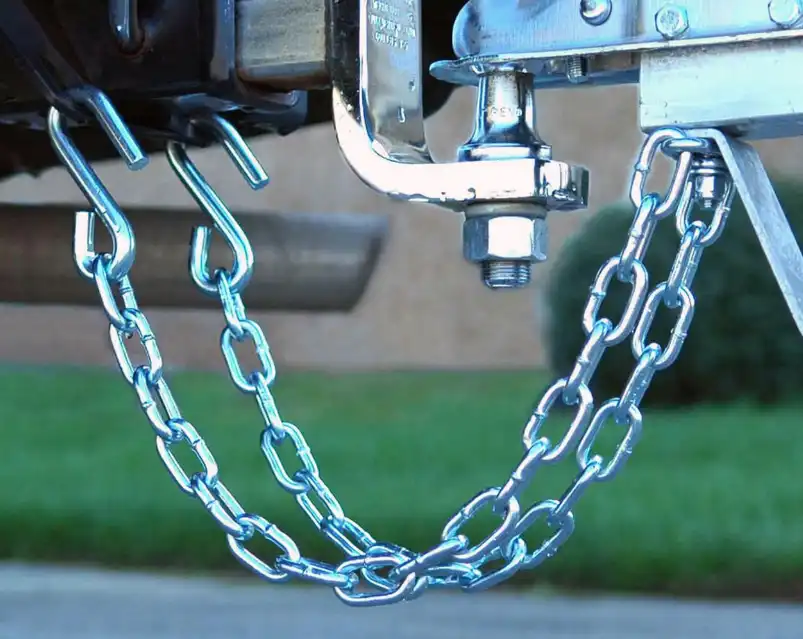
Understanding Safety Chains and Their Role in Trailer Towing
Tow trucks today use complicated mechanical systems with many parts that have to work perfectly under changing load situations. The safety chain is an important extra layer of protection that is meant to handle catastrophic failure scenarios that main hitches can't handle.
The Fundamental Function and Mechanics
A ball-and-coupler mechanism or pintle hook system is usually used as the main link between a trailer and a vehicle that pulls it. During normal use, these parts deal with vertical loads, horizontal forces, and dynamic stress. When you install the safety chain, it makes a second mechanical path that stays loose while you're pulling normally but immediately engages when the main hitch breaks. This engineering method is based on the redundancy principles used in the aircraft industry. When main systems fail, backup systems instantly take over.
As a mechanical benefit, chain links have higher tensile strength than solid rods because each link can spin separately. This means that stress is spread across multiple connection points instead of being concentrated at one weak spot. During an emergency, linked chains create a cushion under the trailer tongue that keeps it from falling to the ground, which could cause the trailer to flip or jackknife.
Types and Their Specific Applications
Heavy-duty models have bigger link widths and can hold up to 20,000 pounds of tension, which is a higher working load limit. These uses are for business vehicle fleets that haul heavy things like building equipment, industrial tools, or bulk materials and the trailer's gross vehicle weight rating is more than 10,000 pounds. When choosing materials, weather exposure patterns are taken into account. For example, galvanized steel chains are coated with a cheap zinc coating that makes them good for general freight activities in mild climates.
Stainless steel forms are used in specific situations where better corrosion protection is needed, such as in sea settings, chemical exposure, or food-grade sanitation. Infrastructure workers working on coastal highway projects or building port facilities often ask for 316-grade stainless steel safety chains that can keep their shape even after being exposed to ocean spray for a long time. These safety chains cost more up front, but they last longer, which makes up for the higher price by lowering the number of times they need to be replaced and the overall cost of ownership.
There are different types of designs, such as welded versus non-welded links. Welded construction has higher strength ratings but less flexibility, while non-welded chains are easy to check to find wear patterns. Different types of hooks, like clevis hooks with safety latches, S-hooks, and grab hooks, are used for different types of connection points on trailer frames and tow vehicle receivers.
Industry Use Cases and Core Benefits
Commercial shipping operations depend on these parts to stay in line with the Department of Transportation and avoid lawsuit claims after separation events. Heavy-duty chains are used by construction equipment rental companies to move excavators, bulldozers, and other machines between job sites. This is because they know that replacing equipment costs a lot more than investing in a chain system. Underwriters know that well-maintained backup systems are a big way to lower risk, which means that these systems' operating dependability directly leads to lower insurance rates.
For city building projects that need to place street furniture, send traffic barriers, or move utility equipment, they need certified chains that meet the rules for public procurement. Engineering companies that are in charge of these contracts judge suppliers based on how full their paperwork is. This includes material certifications, load test records, and proof that they follow all safety standards. Comprehensive quality assurance systems give procurement teams peace of mind because they know that failed parts won't throw off project schedules or put workers at risk of fines from regulators.
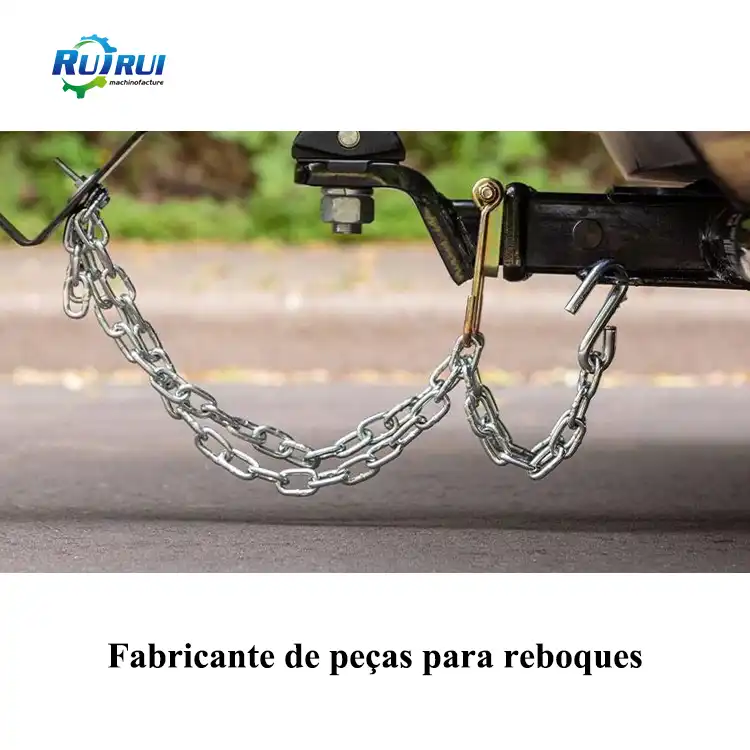
Key Considerations for Selecting the Right Safety Chains
When choosing backup tow systems for business operations, procurement professionals have to make a lot of difficult choices. The selection process requires expert review across a number of performance factors that have a direct effect on working safety, regulatory compliance, and the lowest long-term costs.
Material Composition and Performance Characteristics
Galvanized steel is the standard in the industry for general-purpose uses because it has the best combination of strength and resistance to rust. During the hot-dip galvanizing process, a metal-bonding zinc layer is formed that corrodes first, protecting the steel underneath from rust. ASTM B117 salt spray exposure tests show that properly galvanized chains can survive 72 hours or more of constant salt fog without turning red. This means that they will last for many years in normal road conditions.
Alternatives made of stainless steel are better at resisting rust in certain settings. Grade 304 stainless contains chromium and nickel alloys that form a passive oxide layer, self-healing minor surface scratches through atmospheric oxygen exposure. The addition of molybdenum to Grade 316 makes it more resistant to chlorides. This makes it the best standard for use in sea environments, chemical plants, or food processing facilities where cleanliness rules don't allow zinc coating contamination risks.
Manganese, chromium, and vanadium are added to alloy steel chains to make them stronger while also making them lighter. These materials are used in situations where trailer weight optimization is important, like when business hauling companies want to get the most weight onto each side while still carrying as much as possible. Because of the complexity of the metal, it needs to be carefully controlled during making so that the heat treatment doesn't make it too flimsy, which could cause it to break suddenly when it's loaded suddenly.
Load Ratings and Compliance Standards
Working load limits are the most force that a chain can safely handle while being used normally. They are usually found by multiplying the ultimate tensile strength by a quarter to a third. This safety factor takes into account sudden changes in the load, variations in the material, and the slow loss of power over time due to fatigue cycles. The gross vehicle weight rating of the trailer should be used as a guide when writing the requirements for the purchase. Working load limits for the chains should match or be higher than half of the trailer's weight, with the safety chain included as part of this requirement. This gives enough room for error when the chains engage during separation events, when deceleration forces increase static weights.
Minimum performance standards that makers must meet are set by the International Organization for Standardization, the Society of Automotive Engineers, and the Department of Transportation. The ISO 4628 standards spell out how to test for rust protection, and the SAE J684 standards spell out what hardware needs to be attached. DOT rules require certain installation shapes, such as a maximum chain length and crossing patterns that keep the head of the trailer from touching the ground when the hitch fails.
Installation Techniques and Chain Length Optimization
For a proper fitting, the chains must be crossed under the trailer tongue. This creates a cradle effect that holds the tongue in place if the main coupling breaks. When figuring out the chain length, you have to take into account the maximum articulation angle during fast turns while also keeping the chain from having too much slack, which lets the wheels touch the ground during regular towing. As a general rule, the chain should be long enough to allow a 90-degree turn without putting too much stress on it, but not so short that a tongue that comes apart doesn't fall more than the chain's vertical distance above the ground.
The choice of attachment point is very important—connections should go through structural frame parts instead of thin metal plates or bumpers that are just for looks. For connection bolts not to strip out when they're under shock loads, the thread engagement depth should be the same as or greater than the width of the bolt. Lock washers or thread-locking chemicals stop vibrations from making threads loosen over time while driving on a highway.
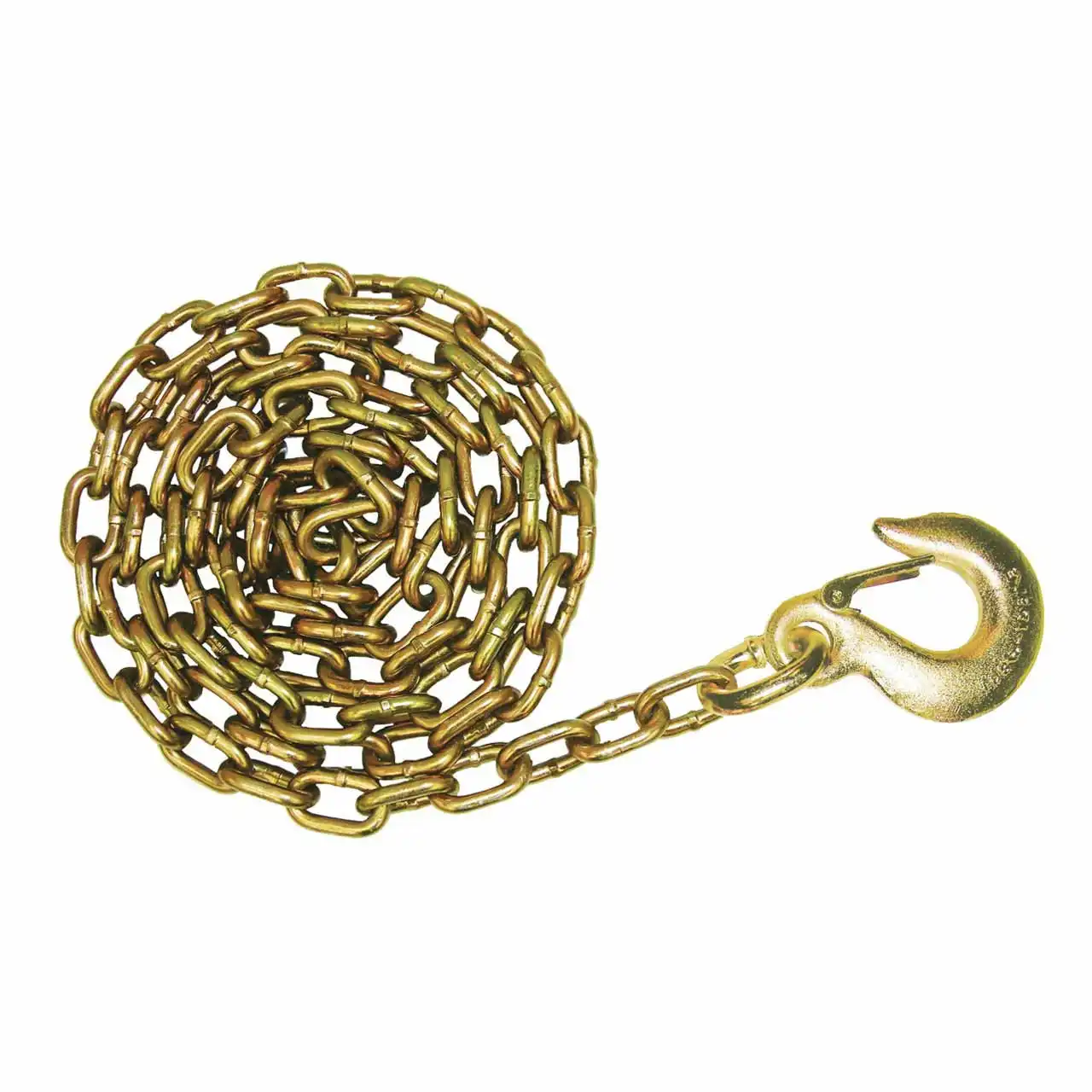
Maintenance, Troubleshooting, and Longevity Tips for Safety Chains
With proactive maintenance programs, safety parts go from being possible sources of risk to being reliable assets that always work when situations call for them. Systematic checking procedures and preventive care practices extend the life of equipment and make sure it is ready for when things go wrong.
Comprehensive Inspection Checklist
Before each tow, the trailer should be looked at visually to see if there are any clear signs of damage, such as broken links, bent hooks, or safety latches that are missing. Link elongation is measured with calipers as part of detailed monthly checks. Link elongation greater than 5% of its original length is a sign of material fatigue that is getting close to failure limits. Stress cracks show up on the surface under good lighting as thin lines running perpendicular to the long axes of the links. They usually start where there is a lot of stress, where the curves of the links meet the straight parts.
Corrosion assessment can tell the difference between surface rusting that doesn't affect the structure much and deeper rust that does. Light surface rust on galvanizing chains means that the zinc covering is wearing off, which means that the chains are almost at the end of their useful life but don't need to be replaced right away. If a part has deep cracking that shows metal loss or a rough surface, it needs to be thrown away right away because the reduced cross-section causes stress concentration sites where cracks start when the part is loaded.
Attachment gear and hooks need extra care—bent hooks show that they've been overloaded in the past, which may have been more than what the parts can handle, so they need to be replaced even if the damage looks small. Checking the safety latch's functionality is important because missing or broken latches let hooks come loose from connection points when the system vibrates, which defeats the whole point of the backup system.
Cleaning and Corrosion Prevention Strategies
Cleaning it regularly gets rid of road salt, mud, and other things that slow down rust. A simple pressure wash with clean water after winter road salt contact greatly increases the lifetime of a galvanized finish. Wire brushing can get rid of stubborn rust layers, but too much friction can damage the zinc coating that's still there. Adding a safety chain provides a backup in case the main chain fails, while chemical rust converters change iron oxide into stable compounds that stop rusting from spreading further. This protects chains temporarily when they are getting close to replacement times and can't get new ones right away.
Different types of applications need different types of lubrication. Light oil films reduce friction between moving links and block moisture, which slows down rusting. But in off-road settings, oils pull in dust and dirt, making rough pastes that speed up wear. For equipment that mostly works in dusty places, storing it clean and dry between uses works better than putting lube on it. Sprays that stop rust work well in marine settings because they get rid of wetness and leave behind protective films that can handle salt water.
Replacement Timing and Failure Prevention
Parts should be replaced before damage that can be seen shows that failure is about to happen. Because metal fatigue happens slowly and can't be seen at first, conservative repair plans take out chains after five years of work, no matter how good they look. Shorter replacement intervals—possibly three years or less based on job severity—are needed for tasks that involve big loads, high temperatures, or corrosive environments.
Some common ways that things fail are for the link to slowly get longer due to cycle loading, for the stress concentration points to suddenly break, or for the hook to straighten out or break. Maintenance records that keep track of installation dates, inspection results, and working conditions allow replacement choices that are based on data and strike a balance between safety needs and budget constraints. A spare chain inventory makes sure that parts can be replaced right away, without stopping operations, when checks show that parts are getting close to the end of their useful life.
Procurement Strategies for B2B Buyers: How to Buy the Best Safety Chains
Procurement experts can get reliable backup tow systems that meet business needs while lowering the total cost of ownership by using strategic sourcing methods. Long-term buying success is affected by how well suppliers are evaluated, how much you buy, and how the deal is written.
Identifying Quality Manufacturers and OEM Suppliers
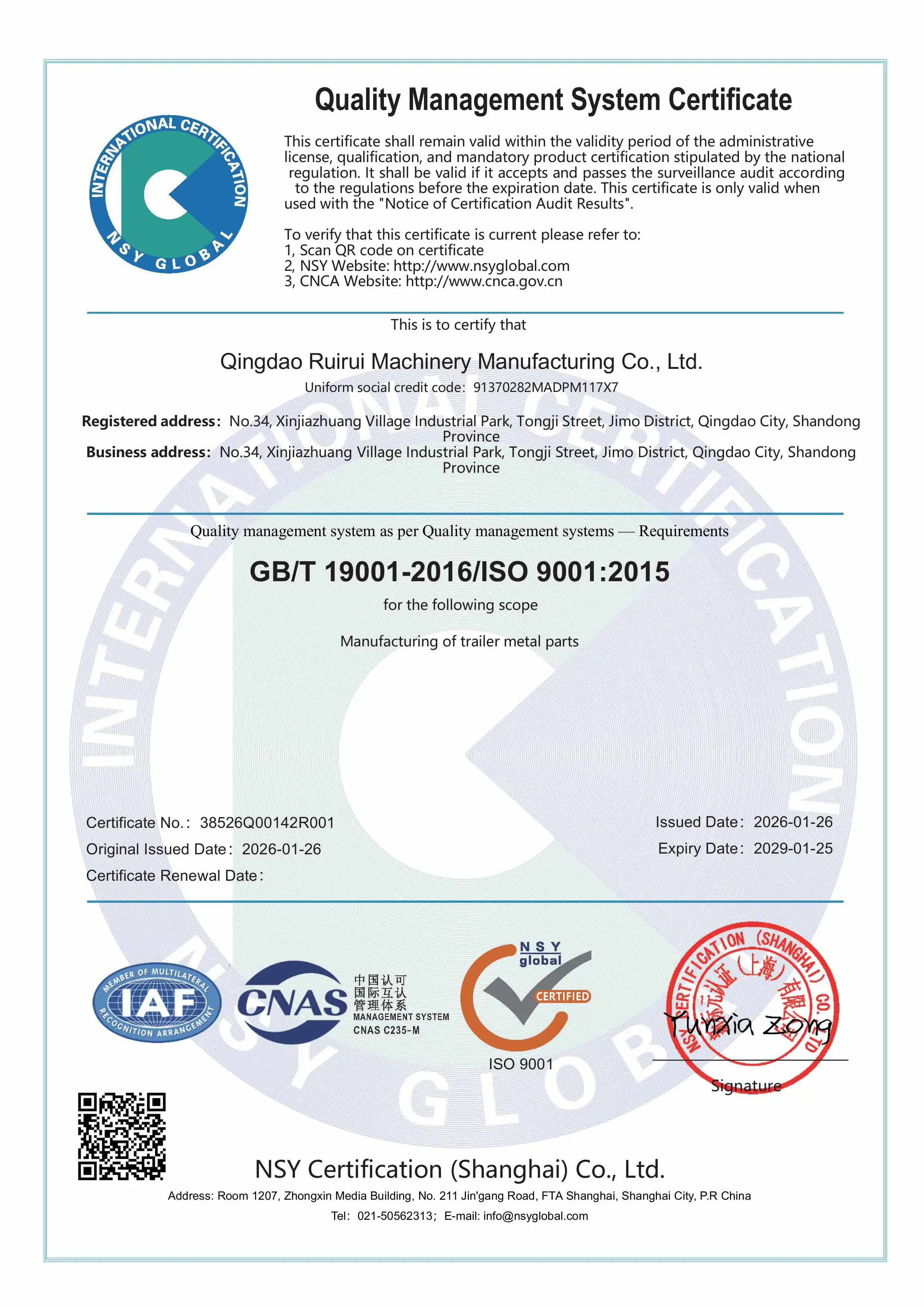
Reputable makers keep full quality management systems that are approved to ISO 9001 standards. These systems keep records of how materials are tracked, how processes are controlled, and how inspections are done. The ability to check a supplier is important. Buyers should ask for proof of metallurgical tests, load verification, and measures of coating thickness that match published specs. Original equipment manufacturer relationships have benefits, such as providing engineering help, allowing for custom design, and ensuring that parts meet the requirements set by the vehicle manufacturer.
Visits to manufacturing facilities show how well they can make things and how they handle quality. Automated fabrication equipment, in-process checking stations, and testing facilities for final goods all show that the company is serious about producing high-quality goods every time. Companies that have ISO 14001-certified safety programs and environmental management systems show that their operations are mature, which is linked to the stability of their products.
Volume Purchasing and Customization Options
Buying in bulk lowers the cost per unit by a large amount. For example, container-level orders from makers are 30–50% cheaper than small-lot purchases from distributors. But volume agreements need correct predictions of demand and enough storage space. Instead of just looking at unit price, procurement managers should look at the total costs of ownership, which include moving costs, risks of failure, effects on working capital, and the safety chain.
Custom length requirements get rid of the waste that comes from cutting standard chains to the right length. Manufacturers who have their own fabrication facilities can make exact lengths with end fittings that are properly fitted. This makes sure that the load is transferred correctly and that there are no weak spots that come up with changes made in the field. Buying chains, connection hardware, and installation directions all in one kit makes it easier to get everything you need and makes installing the whole fleet more consistent.
Cost Analysis and Supply Chain Management
A full price analysis looks at more than just the unit cost. It also looks at shipping costs, taxes, and the complexity of the operations. Domestic sellers usually charge more than international providers, but they have shorter lead times and make contact easier. International buying from well-known manufacturing areas can save you money, but it needs more advanced supply chain management and longer planning periods.
It's important to carefully look over warranty coverage. Companies that back their goods with multi-year guarantees show that they trust quality systems. After-sales support, such as expert help, availability of replacement parts, and quick customer service, protects purchase investments. Building ties with suppliers who see deals as long-term partnerships rather than one-time sales creates incentives for both sides to keep improving and work together to solve problems.
Conclusion
Investing in trailer towing safety systems, including the safety chain, is a must for any business that has a fleet of commercial vehicles, building equipment, or transportation activities. These parts provide the important duplication that stops terrible separate events, keeping people, property, and the public safe. Companies can build reliable backup systems without spending too much by using strategic buying methods that balance material requirements, source capabilities, and lifecycle costs. These safety parts, such as the safety chain, are always ready to go in case of an emergency thanks to routine repair procedures and systematic checking methods. Professional vendors who know the technical details, government rules, and practical effects of these choices set their companies up for tow operations that are safe, legal, and effective.
FAQ
1. What working load limit should my safety chains have?
Choose chains that are rated for the trailer's gross vehicle weight rating. Usually, regulations say that the working load limit has to be at least half of the trailer's weight. This is done to allow for dynamic forces during separate events.
2. How often should I replace safety chains?
When repair plans are conservative, chains are taken out of service after five years, no matter how good they look. In heavy-duty situations with corrosive environments, high temperatures, or big loads, the gaps should be three years or less.
3. Can I use cables instead of chains for trailer safety?
In most places, electrical codes allow wires with similar strength values. But chains are better at showing wear and being resistant to the environment, so they are used in business settings where dependability is important.
4. What maintenance do these components require?
Cleaning it regularly gets rid of acidic substances, and checking it for link stretching, surface cracks, and hook damage on a regular basis is also a good idea. Visual checks before a trip are paired with full examinations once a month to make sure that the vehicle is always ready.
Partner with RUIRUI for Your Safety Chain Manufacturing Needs
When great buying skills are combined with manufacturing know-how, operational success happens easily. RUIRUI Machinery has this exact mix of skills because we can make a lot of different things out of sheet metal and have a lot of practice making safety parts for trailers. Our ISO 9001-certified quality management systems make sure that every safety chain that leaves our Qingdao facility meets the strictest requirements. Our advanced manufacturing infrastructure, which includes progressive stamping lines, CNC machining centers, and automated coating systems, lets us produce enough to meet container-level orders without lowering the quality of any of them.
As a direct safety chain provider with more than 15 years of management experience, we know that B2B buyers need more than just low prices. They also need technical help, the ability to make changes, and a reliable supply chain. Our expert staff works with our purchasing staff to help you choose the best materials, sizes, and surface finishes for your needs. Whether you need galvanized steel chains for your fleet or stainless steel chains for marine settings, RUIRUI can make custom solutions that come with full testing paperwork and material certifications.
Get in touch with our purchasing experts at kshdhardware@qdkshd.com to talk about your safety chain needs and find out how our OEM capabilities, efficient production systems, and professional packaging can help your projects get the high-quality parts and quick service they need.
References
1. National Highway Traffic Safety Administration. (2021). "Trailer Coupling Devices and Safety Chain Requirements Under FMVSS No. 108." U.S. Department of Transportation Technical Report Series.
2. American Society for Testing and Materials. (2020). "ASTM B117-19: Standard Practice for Operating Salt Spray (Fog) Apparatus." ASTM International Standards on Corrosion Testing.
3. Society of Automotive Engineers. (2019). "SAE J684: Trailer Couplings and Hitches - Automotive Type." SAE Ground Vehicle Standards Manual.
4. International Organization for Standardization. (2018). "ISO 4628: Paints and Varnishes - Evaluation of Degradation of Coatings." ISO Technical Committee Documentation.
5. Commercial Vehicle Safety Alliance. (2022). "North American Standard Out-of-Service Criteria for Commercial Vehicles." CVSA Inspection Protocol Manual.
6. Federal Motor Carrier Safety Administration. (2020). "Cargo Securement Rules and Trailer Safety Systems." FMCSA Compliance Guidance Series, Volume 12.

Send Inquiry
You may like