
Why Trailer Hitch Pins Are Essential for Road Safety
Trailer hitch pins are the most important technical link between your tow car and trailer. If the trailer comes loose while you're driving, it could cause a terrible accident. These special fasteners hold the ball mount or extra shank in place inside the receiver tube. They can handle the high shear forces and longitudinal stress that happen when you have to stop quickly in an emergency, make sharp turns, or drive at high speeds on the highway. Without a properly rated and installed trailer hitch pin, even the strongest tow system can become dangerously unsteady, putting lives at risk and causing a lot of damage to property on busy roads.
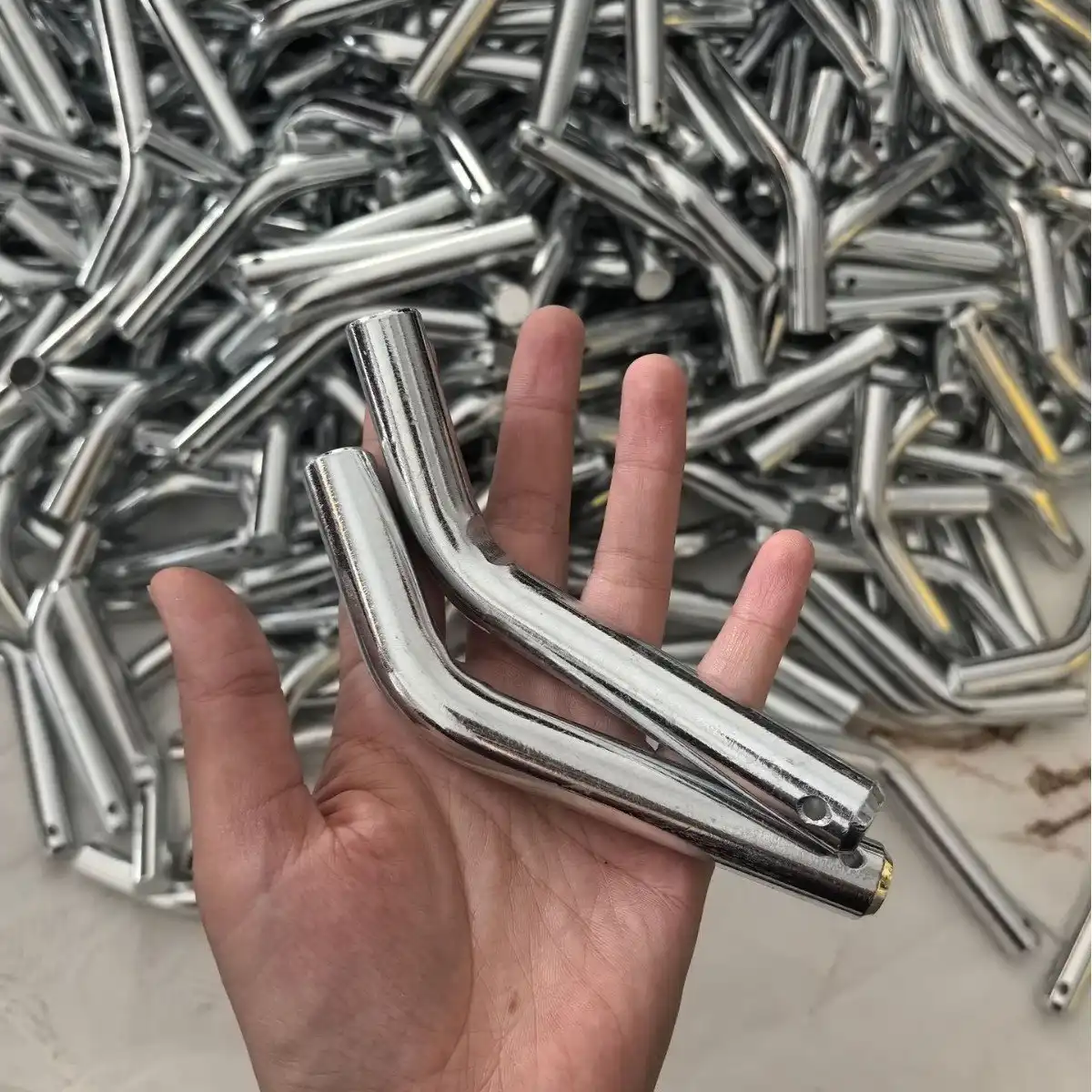
Understanding Trailer Hitch Pins and Their Role in Road Safety
A receiver trailer hitch pin is the main part of an automobile tow system that holds ball mounts, cargo carriers, and other items in place by locking them into the receiver tube opening. This part keeps the joint from moving out while the machine is running, making sure that the link stays safe and meets SAE J684 standards. The engineering behind these pins solves three main problems: making sure safety by stopping accidental separation under heavy dynamic loads; protecting assets by offering locking variants that make expensive mounting hardware less likely to be stolen; and improving ride quality by getting rid of vibration and noise caused by tolerance gaps between the receiver and shank.
What Makes Hitch Pins Different from Standard Hardware
Unlike regular bolts, these special trailer hitch pins are made to handle the multidirectional stress patterns that only happen in pulling situations. Standard nuts may break when trucks sway or when they come into contact with crosswinds. The width, material make-up, and heat treatment of the right trailer hitch pins are all precisely set to keep them from deforming when they're loaded with more than a few thousand pounds. When purchasing managers look at sources, they should make sure that the pins meet the minimum tensile strength standards and have been properly metallurgised to make sure they won't break during important operations.
Common Pin Configurations and Size Standards
For safe towing activities, it's important to know the size standards for trailer hitch pins. For Class I and II hitches with 1.25-inch receiver tubes, the pins need to be 1/2-inch in diameter. For Class III, IV, and V systems with 2-inch, 2.5-inch, or 3-inch receivers, the pins need to be 5/8-inch in diameter. Putting a trailer hitch pin that is too small into a receiver hole that is too big creates a terrible shear risk because the smaller cross-sectional area can't handle the cutting forces that are used during pulling. Specifications for length are also important—pins must go all the way through both receiving walls, leaving enough room for clips or locks to be used. When buying pins for fleet uses where more than one type of hitch is being used at the same time, engineering drawings and specification sheets become very important sources of information.
Key Types of Trailer Hitch Pins and Their Safety Benefits
For different types of pulling, different trailer hitch pin designs are needed that are safe, easy to use, and resistant to the elements. Teams in charge of procurement can make operations safer by making sure that the pins' properties match the conditions in the field.
Standard Pins Versus Locking Pin Systems
Standard slide-through trailer hitch pins with clip retention make it easy to connect and disconnect quickly, so they can be used for frequent connection changes in controlled settings. These pins depend on spring clips or cotter pins to keep them from coming loose by chance. Locking trailer hitch pins have key-operated features that stop them from being taken off without permission, which is helpful for preventing theft in unprotected parking lots or on construction sites. Quality locking pins have internal tumbler systems that keep them from being tampered with and keep their structural integrity for load-bearing uses. Locking systems help distribution centers keep their teams of trucks and cargo carriers safe, which lowers the cost of replacing lost equipment.
Heavy-Duty and Industrial-Grade Options
When hauling building, landscaping, or marine tools for business purposes, you need trailer hitch pins that are made to handle harsh circumstances. Heavy-duty models made from alloy steel that has been heated up have higher shear strength values, often reaching 12,000 pounds. These pins go through extra quality control steps, such as magnetic particle inspection, to find flaws inside that could turn into cracks when they are loaded and unloaded over and over again. When infrastructure workers use Class V hitches to pull skid steers and loaders, they should make sure that the pins they use are heavy-duty, because standard-grade hardware may break after repeated high-load cycles.
Material Selection: Steel Versus Stainless Steel
Carbon steel trailer hitch pins that have been zinc-plated or powder-coated have a high tensile strength and are reasonably priced, which makes them perfect for use in general transportation. Carbon steel that has been heated has higher hardness values than many types of stainless steel. But stainless steel trailer hitch pins are better at resisting rust in marine settings, places where they are exposed to saltwater, and places where road salt is used for winter maintenance. If a boat trailer is launched in coastal seas, the pins should be made of 304 or 316 stainless steel to avoid rusting, which can lead to "rust welding," a condition in which the pins get stuck inside the receiver tubes. When choosing materials for different working groups, procurement managers have to weigh the need for strength against environmental concerns.
Anti-Rattle Threaded Pin Technology
When attached with standard trailer hitch pins, cantilevered loads like bike racks, cargo platforms, and accessory cases make noise and vibrations that won't go away. Anti-rattle trailer hitch pins have threaded designs that work like nuts and hold the accessory shank against the receiver wall physically. This stops movement and the harmonic noises that hurt light equipment when moving over rough ground. The threaded system puts pressure on the link contact, which makes both the receiver tube and the accessory shank last much longer. Companies that move sensitive instruments or finished goods can use these special pins to keep things stable.
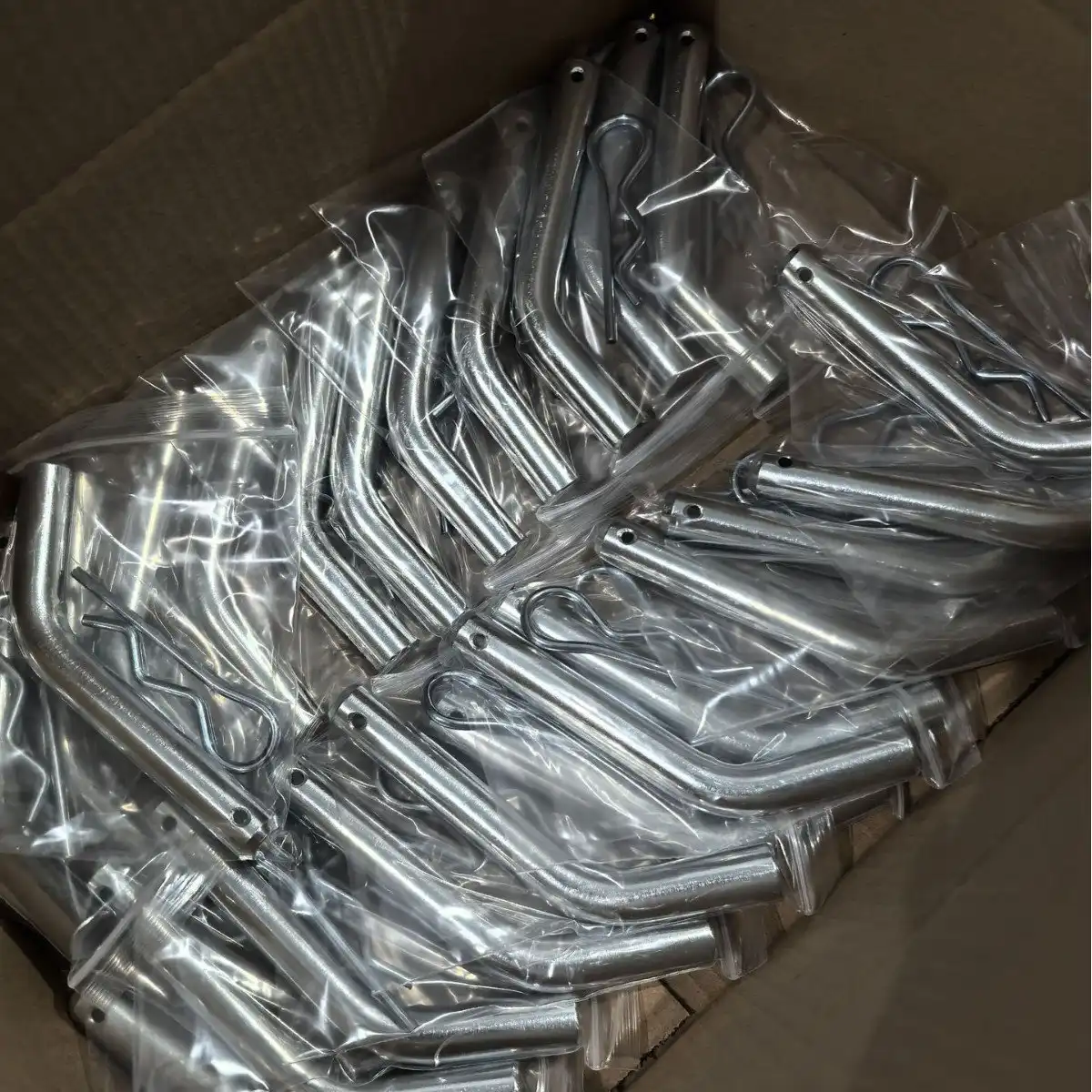
How to Properly Use and Maintain Trailer Hitch Pins for Optimal Safety
Many tow accidents that could have been avoided happen because of mistakes in installation or poor upkeep. By following a set of steps, you can be sure that trailer hitch pins will always do their job as a safety feature.
Step-by-Step Installation Protocol
The first step in a proper fitting is to clean the inside of the receiver tube very well to get rid of any dirt, debris, or rust that might stop the ball mount shank from going all the way in. Slide the shank into the receiver until the trailer hitch pin holes line up correctly. Forcing holes that aren't lined up right can damage the sides of the pin holes and make the connection weaker. Make sure the trailer hitch pin goes all the way through both receiver walls and past the far side. You can either attach the locking clip or fully engage the locking device. Put a little upward push on the ball mount to make sure the pin stops it from moving up and down. This step checks for mistakes in the fitting so they can be fixed before the trailer is hooked up to the car.
Common Installation Mistakes to Avoid
Never use gear that isn't made for the job, like standard nuts, which aren't as strong as trailer hitch pins. If pins are breaking, cracking, or corroding too much, don't put them in. The structure may not be compromised until they break under force. Don't just let gravity hold non-locking pins in place; always use the retention clip that comes with the trailer hitch pins. If you skip the final proof pull-test, pins that aren't properly set could come loose during the initial acceleration. These seemingly small mistakes have led to trailer detachments that have caused crashes with multiple vehicles and deaths on roads.
Security Measures for Theft-Prone Environments
It is very likely that expensive ball bases and accessories will be stolen from construction sites, urban parking lots, and storage yards that are not watched. Locking trailer hitch pins are the main defense, but how well they work relies on how well you manage your keys and how often you maintain your locks. Keep extra keys away from cars to stop thieves from taking them when they have the chance. Once a month, use graphite powder or silicone spray to grease the lock cylinders to keep dirt from building up and jamming the internal gears. Cover the lock cylinders with weather caps when they're not in use to keep water and road salt out. Fleet managers should set rules that say operators must lock cars when they leave them unsupervised. This makes operators responsible and lowers the risk of losing assets.
Maintenance Inspection and Cleaning Schedules
Regular checks find signs of wear on trailer hitch pins before they break in use. Once a month, check pins for surface cracks, bends, damaged threads on anti-rattle types, and rust pitting that makes the cross-sectional area smaller. Take out all of the pins and use wire brushes to clean the pin and receiver tube to get rid of rust scale and road grime. To stop oxidation bonding, put a small layer of anti-seize substance on the pin surfaces. Any pins that show signs of structural deformation should be replaced right away. Trying to fix bent pins changes their metallurgical properties and makes failure spots uncertain. Maintenance logs that record check dates and pin state are useful for planning replacements and filing warranty claims if pins fail too soon.
Choosing the Best Trailer Hitch Pin: A Procurement Manager's Guide
To make sure long-term worth and operational safety, strategic buying of trailer hitch pins needs to look at more than just unit price.
Essential Evaluation Criteria for B2B Procurement
Verifying size compatibility is the first step in a good buying process. Keep accurate records of the receiving tube sizes in your fleet, including the Class grades and tube openings. Material requirements for the trailer hitch pin must match the working conditions. For example, marine and winter repair areas should use stainless steel, while big industrial hauling should use heat-treated carbon steel. When companies operate in cities or other unsafe places where theft losses affect the total cost of ownership, security features become very important. Checking a supplier's production ability, quality approval, and references from customers who have bought similar products should all be part of figuring out how trustworthy they are. Before placing a bulk order, you should ask for examples to be destructively tested to make sure the claimed load rates are correct.
Industry Standards and Compliance Requirements
Trailer hitch pins made by reputable companies meet or go beyond the SAE J684 standards for hitch and link parts. This standard spells out the minimum strength requirements, allowed limits for size, and testing procedures. If a seller has ISO 9001 certification, it means they have written quality management systems that can be tracked and process controls. To make sure everyone knows what is expected of them, the specs for the purchase should directly refer to these standards. For customs clearance, international shipments may need compliance documents, especially when coming from production areas. Working with providers who know how to handle certification processes makes operations easier and cuts down on wait times for getting container-level orders.
Comparing OEM Brands and Supplier Capabilities
When compared to generic suppliers, well-known OEM trailer hitch pin makers usually have a wider range of products, better quality, and faster expert support. Look at how customizable the suppliers are—can they change the pin's length, thickness, or finishing requirements to fit specific needs? When businesses grow, their production ability is important. Suppliers with multiple production lines can meet rising demand without having to extend wait times. For complicated fleet needs, after-sales support like guarantee coverage, replacement parts availability, and expert advice is very helpful. Working directly with tech teams during the specification phase helps avoid mistakes that lead to goods that aren't right for the job.
Bulk Purchasing and Supply Chain Optimization
Ordering trailer hitch pins by the container from factory-direct sources saves a lot of money because of big discounts and lower markups for middlemen. Set up long-term supply deals that lock in prices and make sure that the goods will always be available. Ordering plans should be aligned with production cycles to keep stocking costs as low as possible while still keeping enough on hand in case demand suddenly rises. To get the best freight rates, combine packages with other trailer parts and extras. Build relationships with providers that offer flexible minimum order amounts so that you can adapt to changes in towing activity throughout the year without putting too much money into inventory that doesn't move quickly.
Conclusion
Trailer hitch pins are an important safety investment that has a direct effect on risk management and operating integrity. The technical accuracy, careful choice of materials, and correct fitting of these parts stop crashes involving trailer detachment that put lives at risk and create a large liability exposure. Tow operations that are reliable and safe can be run by procurement professionals who know the technical requirements, review suppliers in a structured way, and follow strict maintenance routines. Quality trailer hitch pins aren't too expensive, but they're worth every penny because they keep operations running smoothly in a wide range of workplace settings and prevent accidents.
FAQ
1. How Do I Determine the Correct Pin Size for My Application?
Get a good measurement of the hole in your receiving tube. Class I and II hitches have holes that are 1.25 inches wide and need trailer hitch pins with a diameter of 1/2 inch. Class III through V hitches have receivers that are 2 inches wide or bigger and need trailer hitch pins with a diameter of 5/8 inch. Always compare the width specs to your unique hitch class to avoid using pins that are too small, which can cause dangerous shear conditions.
2. When Should I Choose Locking Pins Over Standard Pins?
When equipment stays in unsafe areas, high-theft urban areas, or job sites with various workers, locking trailer hitch pins become necessary. The small price increase is worth it because the anti-theft safety keeps expensive ball mounts and tools from getting stolen. Standard trailer hitch pins with clips work fine in controlled settings and for tasks where the connection changes often.
3. What Inspection Schedule Should Maintenance Teams Follow?
Once a month, look at the trailer hitch pins visually and check for cracks, bends, and rust damage. Every three months, take out the pins and clean them so that rust doesn't form inside the receiver tubes. If you see any change in the structure, you should replace the pins right away because weak pins can break under load without notice. Keep track of all checks to find replacement patterns and trends in early failures that could point to deeper problems.
Partner with RUIRUI for Industrial-Grade Trailer Hitch Pin Solutions
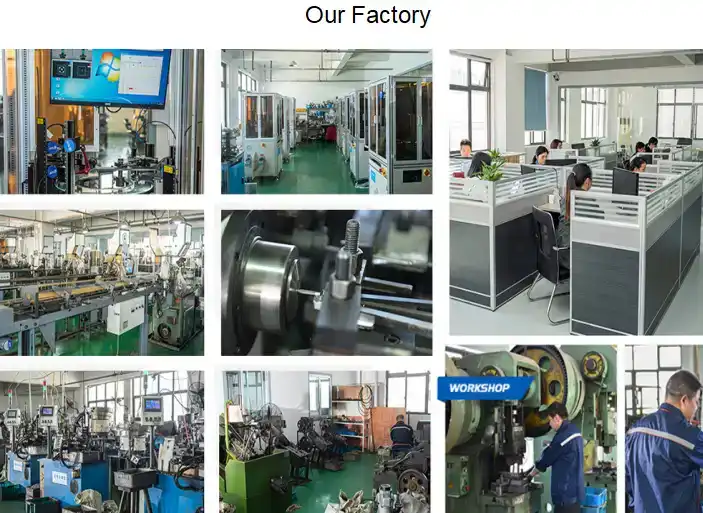
RUIRUI Machinery specializes in precision-engineered hitch pins manufactured to exceed international safety standards. Our facility in Qingdao combines advanced CNC machining, laser cutting, and progressive stamping capabilities with rigorous quality control certified under ISO 9001 and OHSAS 18001 standards. As an experienced trailer hitch pin supplier, we offer complete customization including material selection across stainless steel, carbon steel, and specialized alloys, plus surface treatments from zinc plating to powder coating. Our engineering team collaborates directly with procurement managers to develop specifications optimized for your fleet requirements, supported by short lead times and container-level pricing that strengthens your supply chain reliability. Contact our team at kshdhardware@qdkshd.com to discuss your specific needs and receive detailed technical documentation demonstrating how our manufacturing expertise translates into superior product performance and total cost savings.
References
1. Society of Automotive Engineers. (2020). SAE J684: Trailer Couplings and Hitches—Automotive Type. Warrendale, PA: SAE International.
2. National Highway Traffic Safety Administration. (2018). Motor Vehicle Safety Standards: Trailer Hitch Safety Requirements and Testing Protocols. Washington, DC: U.S. Department of Transportation.
3. American Society for Testing and Materials. (2019). ASTM F3125: Standard Specification for Structural Bolts, Steel, Heat Treated, Including Fasteners for Towing Applications. West Conshohocken, PA: ASTM International.
4. Transportation Research Board. (2021). Impact of Towing Equipment Failures on Highway Safety: A Comprehensive Analysis. Washington, DC: National Academy of Sciences.
5. International Organization for Standardization. (2017). ISO 11406: Road Vehicles—Mechanical Couplings Between Towing Vehicles and Trailers—Safety Requirements. Geneva, Switzerland: ISO Central Secretariat.
6. Industrial Fasteners Institute. (2022). Technical Guide to Heavy-Duty Fastener Selection in Automotive and Commercial Towing Systems. Cleveland, OH: IFI Publications.

Send Inquiry
You may like