
Your Guide to Choosing the Right Trailer Parts
Getting the right trailer parts is a very important choice for B2B buying managers who want to keep their fleets safe, efficient, and cost-effective. Making well-informed decisions has a direct effect on how reliable operations are, how long assets last, and total costs. Axles, suspension systems, fasteners, and protective gear are just a few of the trailer parts that make shipping work smoothly. Putting quality, material specs, and seller references at the top of the list for procurement teams cuts down on unexpected downtime and keeps long-term upkeep costs in check. This guide goes into great detail about how to choose the right parts, how to buy them, and how to evaluate suppliers for industrial buyers around the world. Readers will learn useful information that they can use to make better decisions, keep operations running smoothly, and make sure they're following industry standards. They will also find trustworthy buying options that fit their business goals.
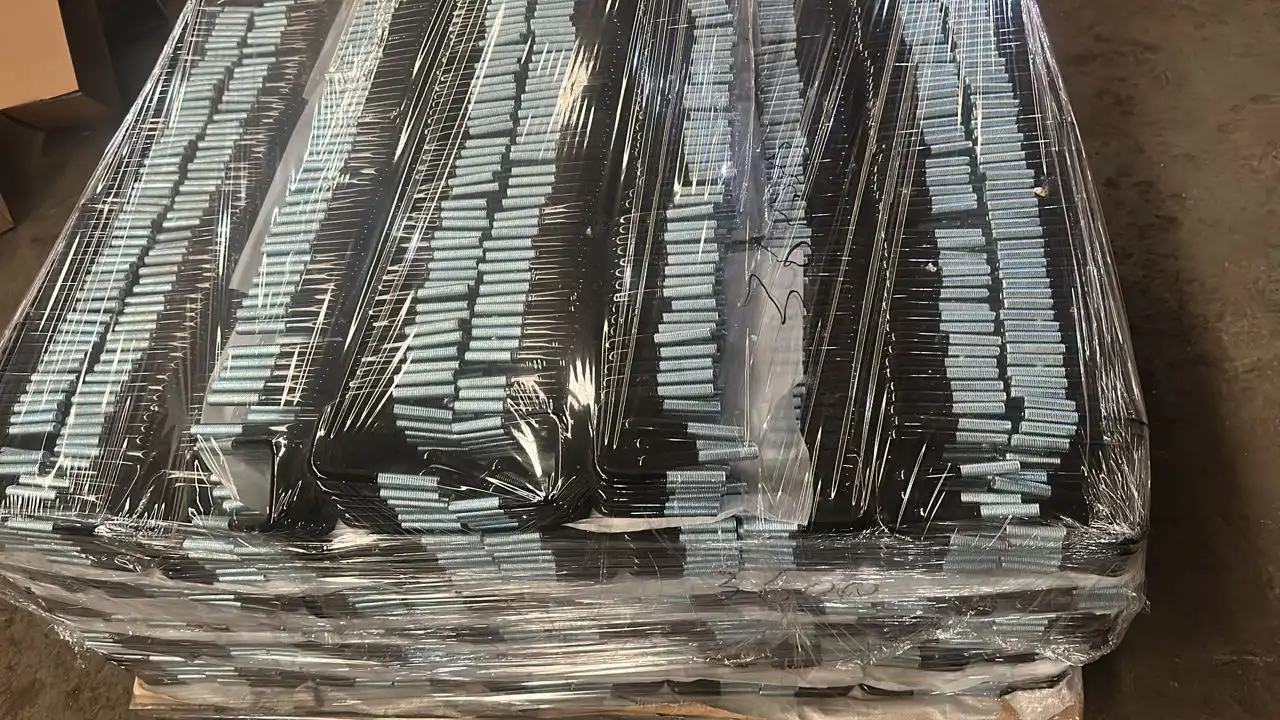
Understanding Trailer Parts and Their Critical Functions
Trailer parts are very important for making sure safety, performance, and longevity in a wide range of commercial settings. Knowing how each part of a fleet affects its total dependability helps procurement professionals make better buying choices that protect large capital investments and increase daily uptime.
Core Components in Modern Trailer Systems
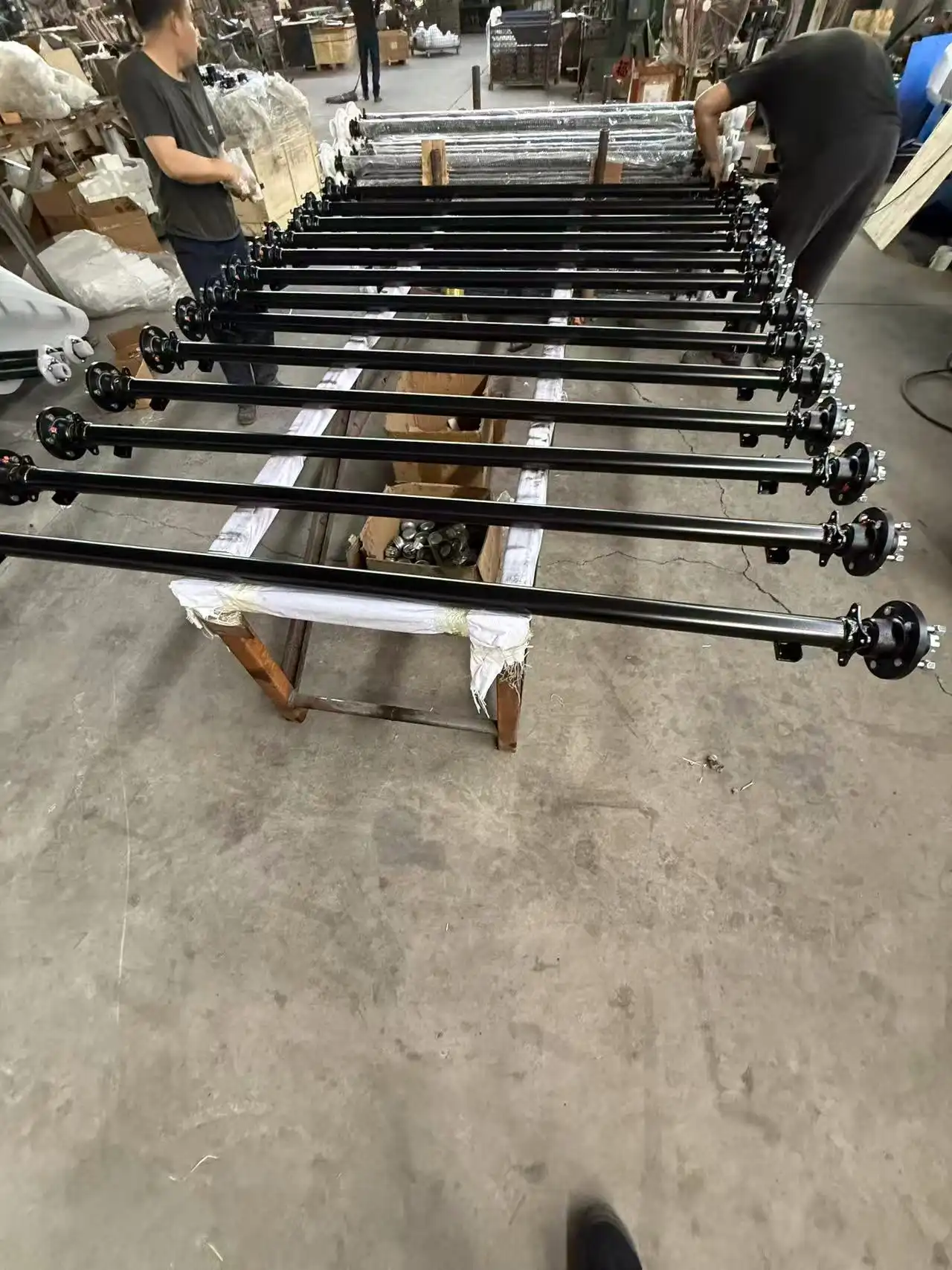
An axle is the base of the structure. It transfers weight from the trailer body to the wheels while keeping the weight evenly distributed. Axles made of high-quality carbon steel or other trailer parts made of metal materials don't weaken when they are stressed over and over again. Axles and suspension systems work together to absorb road shock and keep tires in contact with the road, which keeps goods safe and cuts down on wear. Whether they are hydraulic or electric, braking systems are important safety parts that need to be built to exact specs and inspected regularly. Lighting systems make sure that rules are followed and that drivers can see what's going on around them. Hitch parts and couplers make sure that tow vehicles and trailer frames are securely connected. Fasteners, pins, and arms may not seem important, but they play huge parts in the structural stability of a building. These connection points are subject to constant vibration and must not come loose under dynamic loads.
Common Failure Points and Prevention Strategies
Failures of parts are often caused by material wear, corrosion, or not meeting the load properly. Stress fractures can happen in axle spindles when they are pushed beyond their stated capacity, and metal fatigue can cause suspension hangers to crack after a long time of use. Moisture getting into protected parts makes brake systems less effective because it causes internal rust that lowers stopping power. Most of the time, fasteners fail because they were installed with too little pressure or because the wrong type of hardware was used for the job. To lower these risks, procurement teams can set up regular inspection schedules that look for early warning signs like strange wear patterns, the growth of surface rust, or connections that are coming loose. Following the manufacturer's suggestions for preventive repair plans can greatly increase the life of a component. Choosing parts with safe surface treatments like powder coating, galvanization, or spray finishes gives them more resistance to the environment. This is especially helpful for teams that work in harsh seaside areas or in the winter when road salt is present.
Key Criteria for Choosing the Right Trailer Parts
To pick the best parts, you need to make sure that the technical specs match the needs of the product and the buying situation. Buyers have to look at many things at once to make sure that the part will work with other parts, perform well, and be cost-effective over its expected service life.
Material Selection and Durability Considerations
The type of material directly affects how long a trailer part lasts and how often it needs to be maintained. Because it is both very strong and very cheap, carbon steel is the best material for structural trailer parts like trailer arms, mounting brackets, and strengthening plates. If you protect carbon steel with a spray covering or powder finish, these trailer parts will last for decades. Even though it costs more at first, stainless steel is better at resisting corrosion in certain situations for trailer parts, like when they come into contact with chemicals or are used in sea settings. Aluminum alloys are lighter, which saves fuel and increases carrying capacity, but these trailer parts need to be carefully engineered to meet strength standards. Load capacity values for trailer parts need to match up with how things are actually used. Specifying trailer parts below their actual working loads speeds up wear and creates legal risks, while too much over-specification raises costs without delivering any benefits. Compatibility for trailer parts is more than just the same size. It also includes interface standards, mounting styles, and working with rental equipment that is already in use. When you mix different versions of trailer parts, you can make weak spots that let other parts fall apart.
OEM Versus Aftermarket Component Analysis
Original Equipment Manufacturer (OEM) parts are guaranteed to fit perfectly and come with full warranties. This lowers the risk for buying teams and makes it clear who is responsible for what. Concerns about compatibility are taken care of because OEM specs match the exact engineering limits set during trailer design. Aftermarket options can save you money, especially if you run a large fleet that needs to repair hundreds of items every year. Good aftermarket companies spend money on reverse engineering and quality control systems that meet or beat OEM standards and cut costs by 20 to 30 percent. The basis for making the choice should look at the total cost of ownership instead of just the unit price. Finding cheap replacement parts in the aftermarket is helpful for parts that need to be replaced often, while investing in important safety systems is worth it for OEMs. The length of the warranty shows how confident the maker is in the product; longer coverage periods show that the quality control process is strong and the construction is sturdy. No matter what type of source it is, procurement workers should always ask for material approvals, dimensional inspection reports, and load testing documents.
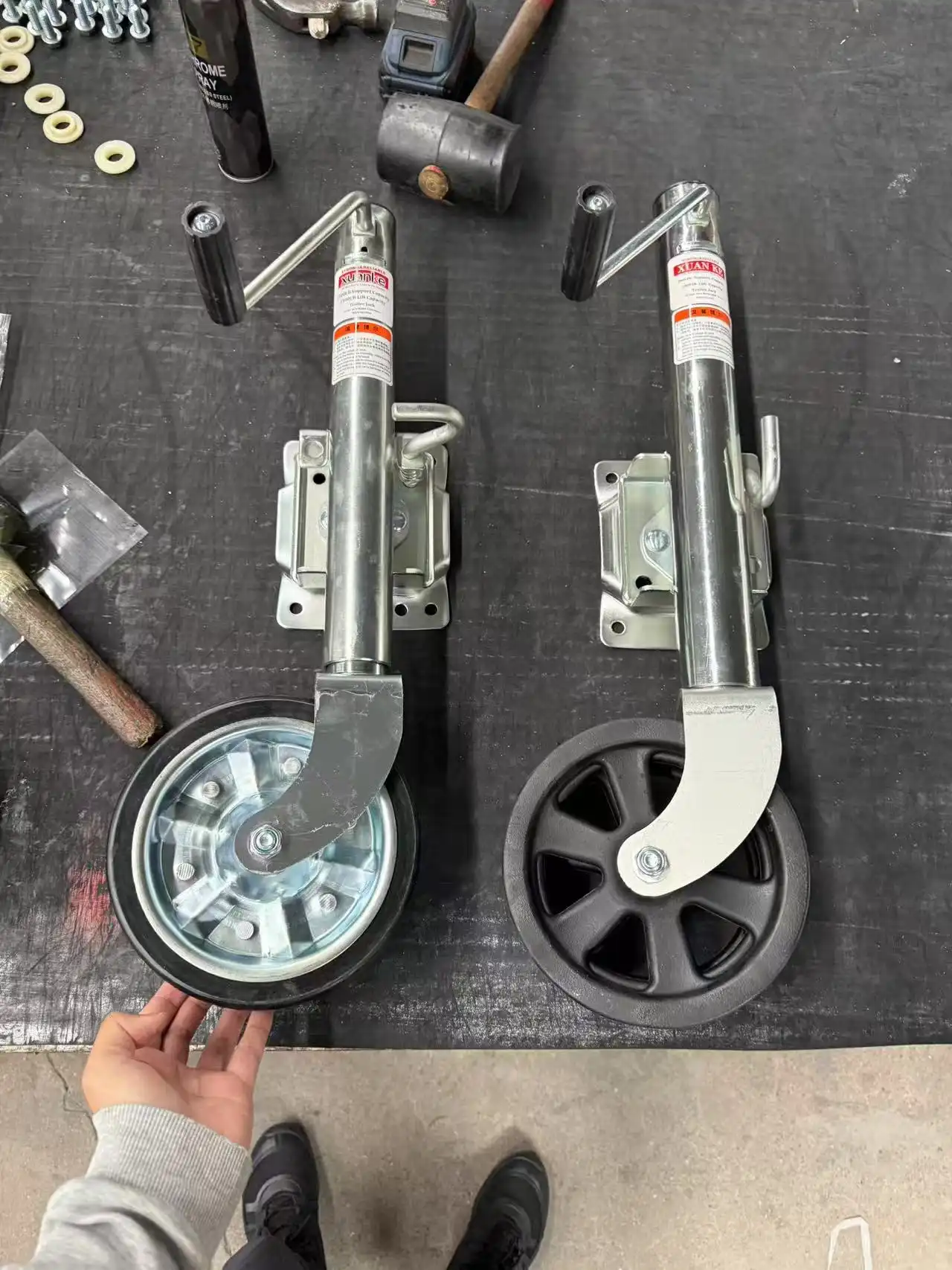
Evaluating Brands and Suppliers for Reliable Trailer Parts
In business-to-business (B2B) procurement, the dependability of both the seller and the brand is very important for keeping processes running smoothly and handling supply chain risk well. Building partnerships with reliable production partners gives you a competitive edge through uniform quality, predictable lead times, and quick technical support.
Leading Manufacturers and Their Specializations
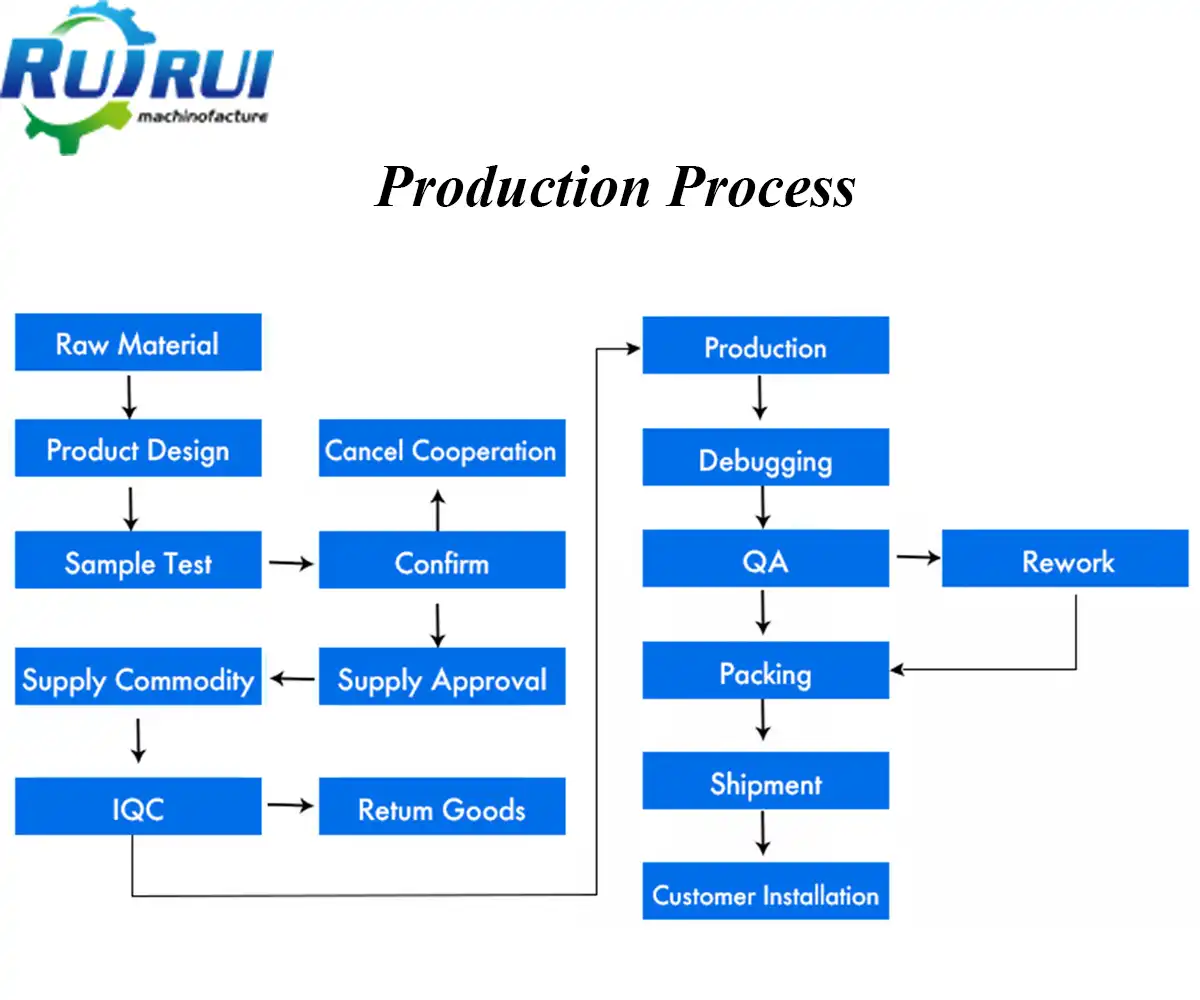
Dexter is known for its axle systems and brake kits for both leisure and business trailers, including trailer parts. These systems can handle a wide range of loads and have been used in millions of units to show they work well. Lippert specializes in combined chassis systems and suspension parts that are popular in the RV and mobile housing industries. Curt mainly sells hitching systems and tow accessories, and it has a big influence in the North American transportation networks. Aside from well-known Western names, skilled Chinese companies like RUIRUI Machinery show they are very good at custom fabrication and processing sheet metal. Modern production technology and low prices make RUIRUI a good choice for procurement teams that want to save money. Their factory has eight separate production lines that make more than 130,000 units a year. They have ISO 9001, ISO 14001, and OHSAS 18001 certifications that show they use structured quality management. Progressive stamping, laser cutting, CNC machining, and a number of finishing processes are just some of the manufacturing options that make combined buying possible. This makes managing vendors easier and the supply chain less complicated.
Vendor Assessment Framework
The warranty terms tell you right away how long you can expect a part to last and who is responsible for making it. Full covering for 12 to 24 months with clear claims processes shows that the company is confident in the product's durability. Fleet owners care a lot about being able to handle large orders; sellers must show that they can handle container-level shipments without affecting delivery times or quality standards. Scalability in production is very important when the fleet is growing or when seasonal demand is high. When it comes to delivery dependability, both stated lead times and real fulfillment performance are taken into account. Late shipments mess up maintenance plans and force expensive choices about fast freight. The level of after-sales service is what sets great providers apart from average ones. Technical support teams should offer technical help for installing issues, making sure the software is compatible, and giving advice on how to customize the software. Clear communication about the state of production, updates on shipping, and the availability of inventory builds trust, which is important for long-term relationships. Calling past customers for examples and visiting factories shows how well they work and how strict their quality control is, which is something that ads can't do.
Procurement Best Practices for Trailer Parts
Aside from knowing about the products, efficient buying also includes sourcing methods and logistics management that make the best use of current capital and inventory.
Strategic Sourcing and Supplier Relationships
To find trustworthy wholesale suppliers of trailer parts, you need to carefully look at their producing qualifications, industry licenses, and customer reviews. Online platforms and trade listings are good ways to do preliminary screening, but real-life interactions show what true skills exist. By asking for examples, you can check the quality of trailer parts in person before placing a big order. By taking advantage of economies of scale, buying trailer parts in bulk lowers unit costs and ensures that product is always available, even when there are problems in the supply chain. When you negotiate different price levels based on volume, you build incentive structures that are good for both sides. Long-term supply deals for trailer parts with commitment levels every three months or once a year keep prices stable even when the commodity market changes. They also improve relationships with suppliers, which gives them more power when there are limited supplies. Customization choices for trailer parts meet the unique needs of fleets in ways that normal catalog items can't. RUIRUI Machinery is a great example of a flexible production process for trailer parts because it can give custom sizes, different materials, and different surface treatments, such as powder coating, plating, and spray finishes that protect against sun damage and corrosion. Their engineering team works with clients from the idea stage all the way through production, turning technical drawings and performance requirements into made trailer parts that fit in with existing systems without any problems.
Logistics and Inventory Management
Knowing the shipping wait times helps keep operations running smoothly and makes it possible to schedule repairs correctly. When you order something from another country, it usually takes between 30 and 45 days to get it to the port, plus the time it takes to get it to you and clear customs. Carrying costs and stock-out risks can be balanced by keeping the right amount of safety stock on hand. Consolidated container packages that make the most of space and negotiate good freight rates are one way to save money on shipping. Setting up rules for managing goods with minimum and maximum levels sets off automatic restock points, which stops last-minute purchases at higher prices. When parts are received, they are inspected for quality to make sure they meet the requirements before they are added to inventory systems. Written receiving processes make it possible to be held accountable and allow for quick settlement of problems if they arise. Digital buying systems make it easier to place orders, keep track of the state of shipments, and keep a full record of all purchases that can be used for spending analysis and judging the performance of suppliers.
Ensuring Optimal Performance and Longevity of Trailer Parts
To get the best return on investment, you need to follow the right installation steps and keep an eye on quality control to make sure that parts last longer and the fleet stays reliable.
Installation Standards and Quality Verification
The first step in a proper installation of trailer parts is to make sure the part is real by checking the manufacturer's marks, the integrity of the packing, and the paperwork. Fake trailer parts pose serious safety risks and liability issues, which is why strict identification procedures are needed. When installing trailer parts fasteners, making sure to follow the torque specs makes sure that the connections are safe without overtightening, which can damage the threads or bend the mounting surfaces. Using calibrated torque tools and writing down installation parameters creates audit logs that help make servicing accountable. Before fitting, quality control checks on trailer parts should make sure that the dimensions are correct, the surface finish is intact, and there are no manufacturing flaws. Trailer parts that show signs of shipping damage, rust, or differences in size must be replaced right away so that the quality of the work is not compromised. Training repair workers on the right way to install trailer parts cuts down on mistakes and makes sure that results are the same in all service sites.
Future-Proofing Through Strategic Component Selection
Adding parts that can be upgraded lets you keep up with changing rules and new technologies without having to update the whole fleet. When funds allow, modular brake systems that accept electronic control links make it possible to gradually adopt automation. Choosing parts that are known to work with multiple versions of trailers keeps parts interchangeable and makes managing supplies easier. Keeping an eye on changes in safety standards, environmental laws, and new technologies in the industry lets you make proactive changes to specifications during regular replacement cycles. Having partnerships with sellers who are forward-thinking and spend money on research and development gives you access to new ideas that help you stand out from the competition. When procurement teams use these methods, they improve organizational resilience, stay compliant in settings with strict rules, and lower the total cost of ownership over longer asset lifecycles.
Conclusion
To choose the right trailer parts, you have to balance technical requirements, the supplier's skills, and the total cost within the frameworks of strategic buying. Knowing how parts work, how they break, and how often they need to be serviced lets you make smart buying decisions that improve fleet efficiency and keep running costs low. When you judge makers by their production capabilities, quality certifications, and how quickly they respond to customer service requests, you can build supply relationships that can help your business reach its long-term goals. Using organized buying methods, like strategic sourcing and inventory management, helps make the best use of working capital and keeps parts available. The performance and service life of a component are maximized by following the right installation methods and quality testing procedures. RUIRUI Machinery is ready to help you reach your procurement goals with unique solutions backed by advanced production skills and thorough quality systems.
FAQ
1. When should procurement teams choose OEM components over aftermarket alternatives?
OEM parts are sure to work with other parts and come with a full warranty. They are perfect for important safety systems, brand-new equipment still under the manufacturer's warranty, or situations where liability worries are more important than cost. Aftermarket options are good for replacing a lot of items at once, for older fleet equipment that is past its guarantee time, or when saving money is the main factor in the buying choice without sacrificing safety.
2. What maintenance practices extend component lifespan most effectively?
Visual checks done on a regular basis can find early signs of corrosion, strange wear patterns, or weak connections, allowing replacement before major problems happen. Moving parts wear less when you follow the manufacturer's suggested lubrication plans. Cleaning properly gets rid of acidic contaminants, and checking the torque of screws during regular service makes sure they stay at the right tension. Decisions about when to replace something are based on documentation systems that keep track of installation dates and service histories.
3. Can suppliers accommodate bulk customization for specialized fleet requirements?
Manufacturers that are qualified, like RUIRUI Machinery, can make a lot of changes to your order, such as changing the size, replacing materials, and giving the surface special treatments. Their engineering help turns technical specs into plans that are ready for production. Minimum order amounts depend on how complicated the customization is, but making a bulk pledge usually gets you better prices and faster production.
Partner with RUIRUI for Custom Trailer Parts Manufacturing Excellence
RUIRUI Machinery sells precisely designed trailer parts made from high-quality carbon steel and protected with an advanced spray coating that makes them more resistant to sun damage, last longer, and stop rust better. Our wide range of manufacturing methods, including progressive pressing, laser cutting, CNC machining, and several finishing processes, let us make trailer pins, arms, bolts, and other specialized hardware that exactly fits your needs. Our eight specialized lines and ISO-certified quality systems help us make sure that all of our 130,000 units that we can make each year are of the highest standard. When B2B procurement teams work with RUIRUI, they can get technical help from the OEM level, low factory-direct prices, and the ability to order in bulk in a way that works for container-level exports. Get quick technical help and dependable shipping times, backed by more than 15 years of manufacturing experience. Contact our purchasing experts at kshdhardware@qdkshd.com to talk about unique solutions as your go-to trailer parts provider, supporting operating excellence in markets around the world. You can look at our full list of services and request thorough quotes that are specific to your fleet needs by going to sheetmetalprocessingplant.com.
References
1. American Welding Society. (2021). Structural Welding Code for Steel Trailer Components. Miami: AWS Publications.
2. Chang, R. & Morrison, P. (2020). Materials Science in Heavy-Duty Transportation Equipment. Boston: Industrial Press.
3. National Highway Traffic Safety Administration. (2022). Federal Motor Vehicle Safety Standards: Trailer Compliance Guidelines. Washington: U.S. Department of Transportation.
4. Peterson, J. (2019). Supply Chain Management for Industrial Procurement Professionals. New York: McGraw-Hill Education.
5. Society of Automotive Engineers. (2023). SAE J684: Trailer Coupling and Hitch Performance Standards. Warrendale: SAE International.
6. Thompson, K. & Liu, M. (2021). Advanced Manufacturing Processes in Metal Fabrication Industries. Chicago: Manufacturing Technology Publications.

Send Inquiry
You may like