
Best Weather-Resistant Hitch Pin Lock for All Seasons
Imagine this: Your trailer is prepped and packed for a weekend camping vacation. When you get to your location, you find that a corroded, rusty hitch pin lock that broke in severe weather has endangered your trailer hitch. Trailer owners lose time, money, and peace of mind in this terrible situation, which occurs more often than you may imagine. In order to save your priceless equipment from rain, snow, salt, and severe temperatures, the finest weather-resistant hitch pin lock for all seasons combines corrosion-proof materials, safe locking mechanisms, and year-round endurance. Everything you need to know about choosing a hitch pin lock that can genuinely withstand the difficulties of nature will be covered in this extensive tutorial.
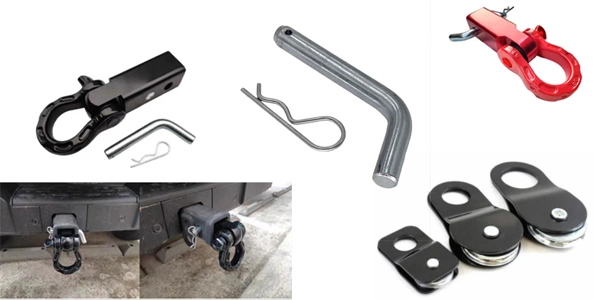
Understanding Weather Resistance in Hitch Pin Locks
Products designed to endure the full range of climatic conditions that may jeopardize their security and operation are known as weather-resistant hitch pin locks. In addition to being resistant to rain and moisture, a good hitch pin lock should be able to withstand temperature fluctuations, UV rays, salt exposure from coastal or winter road conditions, and the inevitable wear that comes with outdoor storage. The building materials utilized have a big influence on performance over time. Even after years of exposure to rain, snow, and humidity, stainless steel hitch pin locks retain their structural integrity and seamless functioning due to their higher resistance to corrosion than their traditional carbon steel counterparts. But choosing the right materials doesn't guarantee weather resilience. Additional protective barriers that shield metal surfaces from oxidation and environmental harm are provided by manufacturing procedures such as electrophoresis, plating, anodizing, and powder coating. In order to build hitch pin lock systems that are both visually beautiful and effective year after year, modern manufacturers mix surface treatments, material choices, and many levels of protection.
Material Selection for Maximum Durability
Selecting the appropriate material is the first step in creating any weather-resistant hitch pin lock, and knowing the characteristics of various metals enables you to make informed choices. The industry standard for outdoor applications is stainless steel grades 304 and 316, which provide exceptional resistance to rust and corrosion even in saltwater environments. Despite its exceptional tensile properties, cold-rolled steel needs protective coatings to stop oxidation when exposed to moisture. Even while aluminum alloys may not provide as much impact protection as steel alternatives, they nonetheless offer an alluring mix of low weight and inherent corrosion resistance. Brass and copper alloys are often used for specialized purposes rather than heavy-duty trailer security, despite their aesthetic appeal and inherent antibacterial qualities. The material selection is crucial for lifespan and security as it directly affects the lock's resistance to physical attacks and weather. To ensure that every hitch pin lock performs at its best in its designated place, premium manufacturers carefully consider these material attributes and choose certain alloys depending on specified use situations.
Surface Treatment Technologies
under addition to choosing the right base material, surface treatment methods significantly increase hitch pin locks' lifespan under harsh weather conditions. A thick, consistent layer of polymer is applied via powder coating, which offers color stability, scratch resistance, and a barrier against moisture intrusion. A thin metallic coating that serves as a sacrificial barrier and corrodes preferentially to shield the underlying steel substrate is deposited by electroplating with zinc, nickel, or chrome. For aluminum hitch pin locks, anodizing works especially well because it produces a strong oxide coating that improves wear and corrosion resistance. Using electrical current, electrophoresis coating, or e-coating, applies paint particles evenly to all surfaces, penetrating interior mechanisms and cracks that conventional spray techniques could overlook. This thorough covering is particularly helpful for intricate hitch pin lock designs that include moving parts and precise tolerances. In order to develop a complete defense system against environmental deterioration, advanced manufacturers often use numerous treatment steps, including degreasing, etching, conversion coating, and final protective layers. Throughout the product lifespan, the investment in appropriate surface treatment yields benefits by lowering maintenance needs and guaranteeing dependable functioning when you need it most.
Key Features of All-Season Hitch Pin Locks
Selecting the best weather-resistant hitch pin lock requires an understanding of the special features that enable year-round operation in a range of environmental conditions. The lock must function properly in conditions when temperatures rise over 100°F in the summer or fall below freezing during winter storms since it is all-season competent. Excellent designs take into account the various impacts of thermal expansion and contraction on metal components to prevent binding or excessive looseness throughout temperature ranges. Preventing dust accumulation, ice formation, and water entry into internal locking systems requires maintaining seal integrity. High-end hitch pin locks use silicone or rubber seals around moving parts and keyholes to create barriers that keep moisture out while enabling smooth operation. The proper tension must be maintained throughout the year for spring-loaded systems since heat may cause excessive stiffness and cold can reduce spring force. Manufacturers that are conscious of these environmental issues develop their hitch pin lock systems with the appropriate material specifications, clearances, and protective measures to ensure consistent operation despite seasonal variances.
Locking Mechanism Design
Any hitch pin lock's locking mechanism is its main component, and weather-resistant designs must balance security and environmental preservation. Even while pin tumbler systems provide a dependable operation and great security, they need to be properly sealed to prevent water entry that might result in freezing during the winter or rust formation. Systems for wafer tumblers and disc tumblers provide a variety of techniques with different profiles of environmental sensitivity. Some advanced hitch pin locks feature rotating sleeve designs to protect internal components, offer weather sealing, and resist picks. The primary contact point presents a special problem since this aperture always provides a path for moisture entry. Superior designs allow any water that enters the mechanism to leave rather than accumulate via the use of protective covers, spring-loaded coverings, or drain channels. Manufacturers put their locking mechanisms through extreme temperature cycling, exposure to salt spray, and freeze-thaw cycles to make sure they would perform reliably in real-world situations. The goal is to create a hitch pin lock that is easy to spin and securely locks, regardless of whether you're mounting your trailer on a hot summer day or in the midst of a winter snowstorm.
Security Features and Theft Prevention
All-season performance is based on weather resistance, but a hitch pin lock also has to provide strong protection against theft and illegal removal. Hardened steel structure at strategic locations deters potential thieves' efforts at drilling, sawing, and cutting. Resistance to shear pressures is determined by the pin diameter and engagement length; longer, bigger pins provide more security but may also be heavier and more complicated. Certain designs include ball bearings, anti-drill plates, or reinforced inserts positioned precisely to thwart popular assault techniques. A high-quality hitch pin lock's visibility acts as a deterrent as well, letting would-be burglars know that the trailer owner has made a significant security investment. Vibrant hues or reflective components have two purposes: they increase safety visibility and draw attention to the lock from potential thieves. Fleet operators may lock several trailers with a single key thanks to advanced designs that include pick-resistant keyways, distinctive key patterns, or even keyed-alike systems. Since a lock that breaks because of corrosion offers no security at all, the greatest weather-resistant hitch pin lock strikes a compromise between these security characteristics and the environmental protection required for dependable long-term performance.

Installation and Maintenance Best Practices
For optimal performance over the course of its service life, even the most weather-resistant hitch pin lock has to be installed correctly and receive regular maintenance. Selecting the right size and design for your particular hitch receiver is the first step in installation since a bad fit jeopardizes security and weather sealing. Any paint, rust, or debris that might make it difficult to insert and remove the hitch pin lock should be removed from the receiver tube. Even though overuse may draw dirt and grit, some users apply anti-seize compound to the pin shaft to stop galling and facilitate removal. Before tightening the locking mechanism, make sure the hitch pin lock is firmly engaged after passing it through the receiver and hitch ball mount. Frequent checks may spot wear, corrosion, or damage early on that might impair functionality. Every few months, especially after being exposed to severe circumstances like winter road salt or beach holidays, clean the hitch pin lock with fresh water and look for any rust spots or coating damage. Smooth functioning is maintained by lightly lubricating moving parts; nevertheless, excessive lubrication draws impurities. Instead of overtaxing the system, which might result in irreversible damage, take quick care of any stiffness, unexpected resistance, or rust that you see.
Seasonal Storage Considerations
Your weather-resistant hitch pin lock will last much longer if you make sure it is available when you need it and store it properly between usage. Consider taking off the hitch pin lock and storing your trailer indoors in a dry location if you want to leave it parked for long periods of time during the winter or off-season. This keeps it out of constant exposure to the elements and enables you to check and maintain it before using it again. Use a protective spray made for outdoor metal components to offer an extra layer of moisture protection if the lock has to stay in place while being stored. To reduce direct exposure to rain, snow, and road salt, cover the hitch system with a waterproof cover or bag. For trailers kept outdoors near the sea, precautions are even more crucial due to the unique problems brought on by the mix of humidity and salt air. Examine the hitch pin lock thoroughly, test it a few times to ensure it functions properly, and replace it if there are serious corrosion or mechanical problems before using it for the season. While no hitch pin lock can totally do away with the necessity for regular maintenance, manufacturers may reduce the frequency of these intervals by using corrosion-resistant materials and sophisticated surface treatments.
Choosing the Right Manufacturer and Supplier
Your weather-resistant hitch pin lock's supplier has a big influence on its quality, dependability, and long-term satisfaction. Reputable producers with a successful history of metal finishing and fabrication provide knowledge that is mirrored in the characteristics and requirements of the products. Find vendors that can certify their goods with pertinent quality standards, such ISO 9001 for quality management systems, which denote methodical methods to continual improvement and process control. Knowledge of manufacturing is also essential since businesses who have their own facilities for surface treatment, CNC machining, and stamping can keep quality control better than those that just utilize subcontractors. The versatility of the materials used to make hitch pin locks, such as cold-rolled steel, stainless steel, and aluminum alloys, demonstrates technological know-how and production flexibility. For real all-season performance, advanced finishing techniques including electrophoresis, plating, anodizing, and powder coating provide the thorough corrosion protection required. Businesses may continually refine concepts based on field performance and consumer input thanks to dedicated R&D teams, integrating lessons gained into next-generation products. Examine possible suppliers and inquire about weather resistance testing techniques such as salt spray testing, accelerated aging, and heat cycling. Reputable producers are happy to provide this knowledge and may exhibit the performance attributes of their goods via test results or certifications.
Evaluating Manufacturing Quality
Expensive weather-resistant hitch pin locks are distinguished from less expensive ones that could malfunction when you need them most by their quality of manufacture. First, check the product's general fit and finish, checking for consistent coatings, smooth surfaces, and even assembly. The presence of gaps, jagged edges, or obvious flaws indicates problems with quality control that probably affect performance as well. Make that the locking mechanism doesn'tbind or need too much effort, and that it engages comfortably and solidly. Clear engagement zones that provide tactile feedback should be present, and the key should spin and insert smoothly. Weighing a structure and its material feel are strong indicators of its quality since solid construction and high-quality materials feel more substantial than their less costly equivalents with thin walls or empty interiors. Because seals and protective coatings are essential for preventing moisture intrusion, check sure they are well-made and fit correctly. Pay close attention to the product specs, taking note of the materials, surface treatments, certifications, and performance assurances. To support their goods, companies who are confident in the quality of their production provide comprehensive standards along with warranties or guarantees. You can get the most out of your investment in a weather-resistant hitch pin lock—an investment in security and dependability—by choosing one with high-quality craftsmanship.
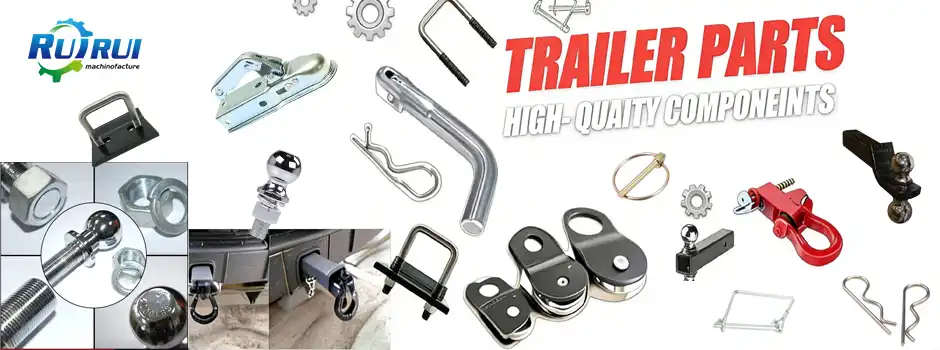
Conclusion
Choosing the finest weather-resistant hitch pin lock for every season involves striking a balance between security features, manufacturing know-how, material quality, and upkeep. Reliable protection is offered all year round by premium alternatives that combine stainless steel construction, sophisticated surface treatments, and sturdy locking mechanisms. Proper installation and routine maintenance further extend service life. Regardless of environmental obstacles, investing in quality guarantees that your trailer will stay safe.
Cooperate With Qingdao RUIRUI Machinary Co., LTD.
Qingdao RUIRUI Machinery Co., LTD. is a Chinese hitch pin lock manufacturer that offers premium hitch pin lock solutions at affordable costs. The company has extensive metal production skills. Being a reputable China hitch pin lock supplier and wholesale supplier, our China hitch pin lock factory, which was founded in 2016, specialized in trailer accessories, including hitch pin locks for sale. We guarantee that every hitch pin lock satisfies exacting quality requirements using sophisticated production techniques including progressive stamping, powder coating, plating, anodizing, and electrophoresis thanks to our ISO 9001, ISO 14001, and OHSAS 18001 certifications. Every year, our eight manufacturing lines generate 130,000 pieces, facilitating bulk orders and OEM customisation for a variety of materials, including brass, stainless steel, cold rolled steel, and aluminum alloys. We provide clients in more than 80 countries with technical assistance, prompt shipping, expert packing, and thorough after-sales care. Our skilled R&D team and automated manufacturing lines provide the dependability your applications need, whether you're looking for conventional goods or customized solutions. To discuss your hitch pin lock needs and discover the RUIRUI difference in manufacturing quality and customer care, contact us at info@qdkshd.com right now.
References
1. "Corrosion Protection Methods for Automotive Fasteners and Trailer Components" - Society of Automotive Engineers Technical Paper Series, J. Anderson and M. Chen, 2023
2. "Material Selection for Outdoor Security Hardware: A Comprehensive Guide" - American Society for Testing and Materials Standards Committee, R. Thompson et al., 2024
3. "Surface Treatment Technologies in Metal Manufacturing: Applications and Performance" - International Journal of Advanced Manufacturing Technology, Dr. Sarah Williams and Dr. David Park, 2023
4. "Security Standards for Trailer Coupling Devices and Anti-Theft Systems" - National Highway Traffic Safety Administration Technical Report, Federal Motor Carrier Safety Administration, 2024
5. "Environmental Testing Protocols for Outdoor Metal Components" - ISO International Standards Organization Technical Committee, Engineering Standards Board, 2023

Send Inquiry
Related Industry Knowledge
- Why Choose a Stamped Stainless Steel Pan for Restaurants
- How Do Secure Towing Solutions Prevent Trailer Sway?
- Trailer Coupler Bulk Buy Checklist: Quality, Capacity, Fitment
- Why Partner With an Experienced Trailer Parts Manufacturer?
- How Do Precision Steel Die Forging Parts Improve Machinery Performance?
- High-Rise Hero: Secure Your AC Unit on Any Wall Type
- What processes are used to make sheet metal parts?
- What Are Latch Spring Pulls Used For?
- Are locking trailer safety pins more secure?
- What is the purpose of a bollard?