
Custom U-Bolts: Ensuring Precision Fit for Heavy Duty Trailers
Every fixing part becomes mission-critical when your fleet of heavy-duty trailers hauls thousands of pounds every day. A custom u-bolt made just for your purpose keeps axle assemblies safe and suspension systems stable even when they are under a lot of pressure. Off-the-shelf hardware has standard sizes, but precision-engineered U-bolt fasteners are made to fit your trailers' exact load limits, mounting setups, and environmental conditions.
This is important because even small differences in dimensions can weaken structures, speed up the wear cycle, and create dangerous weak spots in business transportation. This article was written for procurement managers, engineering teams, OEM trailer manufacturers, and fleet maintenance professionals who know that better fastening solutions have a direct effect on the safety of vehicles, the amount of time they can be used, and the total cost of ownership for heavy duty trailer applications.
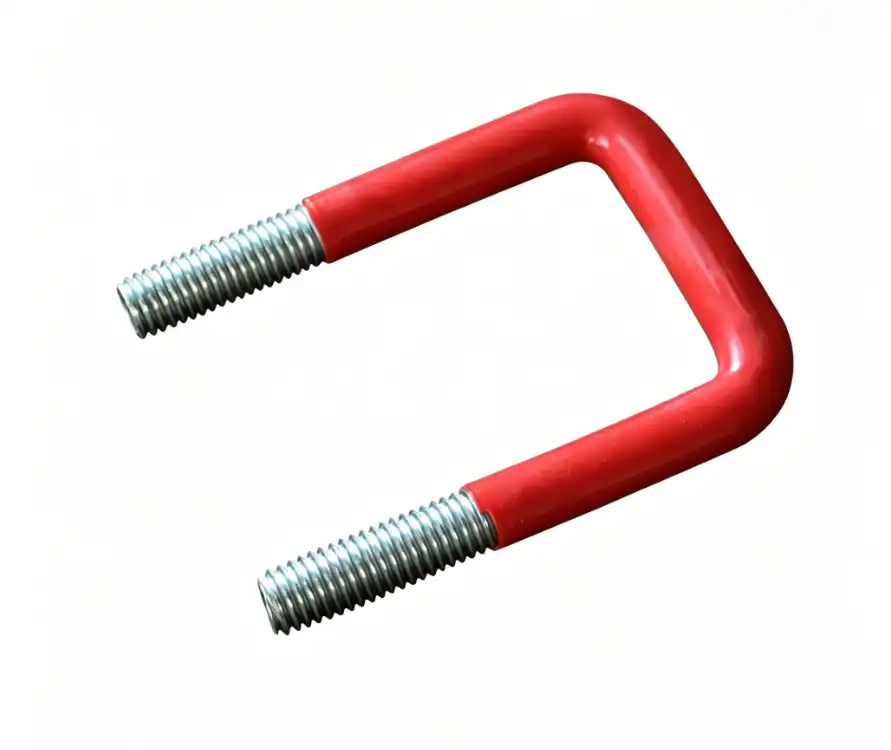
Understanding Custom U-Bolts for Heavy Duty Trailers
What Makes U-Bolt Fasteners Critical in Trailer Assembly
U-bolt fasteners hold heavy-duty trucks' leaf spring assemblies to their wheels. This makes the structural link that spreads the weight of the payload evenly across the suspension systems. These parts have to deal with constant shaking, shock loads from roads that aren't level, and side forces when turning. Standard hardware often breaks because it's made for general uses and not for the special stresses that come up when business trucks haul building materials, farm equipment, or industrial machinery.
Round Bend versus Square Bend Configurations
The way U-bolt parts are bent has a direct effect on the touch surface area and the way loads are distributed. Tubular axle housings are popular in tandem trailer configurations, and round bend designs work well with them because they wrap smoothly around cylinder-shaped surfaces without causing stress concentration points. Specialized heavy moving equipment uses square bend versions because they have more clamping force on rectangular frame parts.
Precision bending methods at Qingdao RUIRUI Machinery keep the wall thickness the same throughout the curved sections. This keeps weak spots from forming that happen when standard bending operations thin the material differently. This care in the making process makes sure that each bolt keeps its structural integrity even when it's loaded and unloaded over and over again at more than 20 tons.
Material Selection Impacts Performance Longevity
Electrogalvanized steel U-bolts are very resistant to rust because they are coated with zinc, which protects them from water, road salt, and chemicals. This coating makes the product last up to 10 years in harsh conditions like those found in business traffic. However, for a custom u-bolt that must meet unique dimensional or load requirements, the choice of coating becomes even more critical, as non-standard bends or longer leg lengths may expose thinner zinc layers to stress fractures. Stainless steel options are better at resisting corrosion, but they cost more, so they are only used for specific things like refrigerated trucks or sea transport equipment.
We also work with high-strength metal steels when customers need higher load values without making the fasteners bigger. Our expert team looks at operational conditions like chemical exposure, temperature ranges, load cycling frequency, and humidity levels to suggest material specifications that meet your unique application needs instead of pushing a single standard choice.
How to Measure and Specify Custom U-Bolts for Heavy Duty Applications
Critical Dimensions That Determine Fit Accuracy
Specifications that are correct keep expensive fitting fails and safety risks from happening. To make sure the tightening works properly, the inside width measurement between the bolt legs must exactly match the diameter of the axle hub. Tolerances are usually within 1/8 inch. The thread length needs to be long enough to connect mounting plates, spring stacks, and lock nuts, but not too long so that it gets in the way of other parts. We measure from the bend's bottom end to the thread's end, taking into account the exact stack height your assembly needs.
If you're not redesigning the whole suspension system, the thread width and pitch must match the mounting parts you already have in your fleet. The most common thread sizes are M10 to M24 in metric units or 3/8" to 1" in SAE units. Leg length needs calculation based on mounting plate thickness, spring pack height, and needed thread engagement—insufficient length prevents proper clamping force while excess length adds needless weight and cost.
Step-by-Step Measurement Protocol
To begin, use precision calipers to measure the round axle hub diameter at the mounting spot. Write down the measurement in both inches and millimeters to avoid making mistakes when converting. Find the distance from the center of the axle to the mounting surface where the nuts are tightened. Include the width of the spring pack and the size of the mounting plate. Take into account the bend radius—the curved part adds material that changes the estimates for the total height.
Custom u-bolt specifications must incorporate all these dimensions, as the bend radius and leg length directly depend on the hub diameter and spring pack width. Before finishing the specs, we suggest making a simple cardboard mold that is wrapped around the axle to check the sizes.
Write down the thread needs by looking at the tools you already have or looking at the trailer manufacturer's specs. Keep in mind whether the application needs a coarse or fine thread pitch, as this will affect how well the clamps hold and how well they prevent shaking. Take a picture of your present system that shows all of the parts put together. This gives our engineering team a visual reference and avoids the mistakes that can happen with only numerical descriptions.
Common Specification Mistakes to Avoid
A lot of people measure the outside diameter of the axle tubes instead of the inside width between the U-bolt legs, which leads to fasteners that don't fit. Another common mistake is not paying attention to the mounting angle. For some uses, legs need to be slightly angled instead of exactly straight to support mounting plates that are offset. It's also important to think about temperature, since thermal expansion changes fit limits in harsh areas. Some standards don't take thread engagement depth into account, which means that lock nuts don't have enough material to build up the right pressure. Before production starts, our technical support team looks over your specs to make sure they are correct. This way, these problems are found before they become costly fitting issues at your assembly facility.
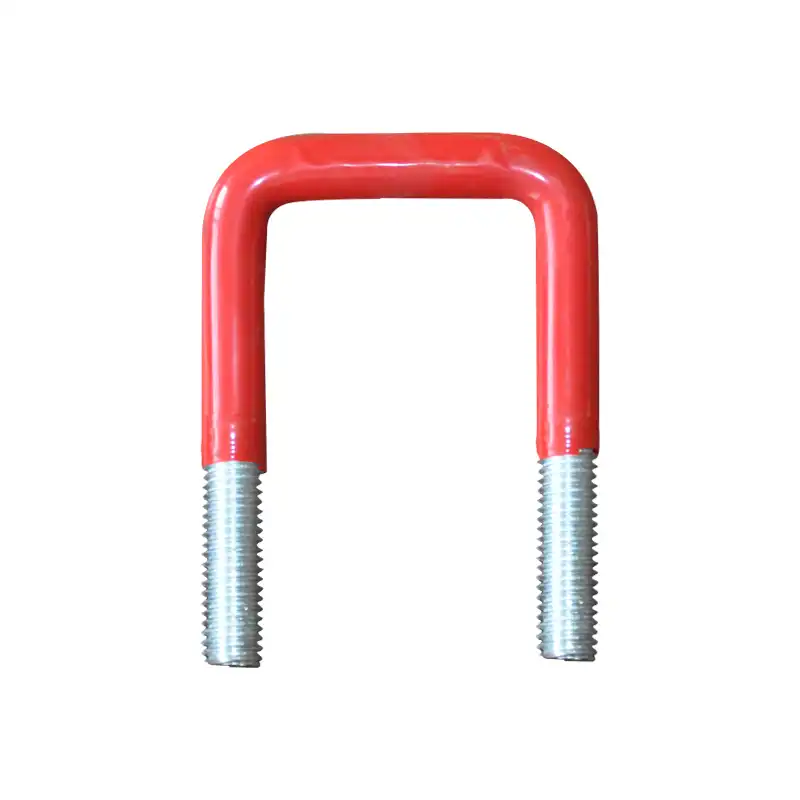
Installation and Maintenance of Custom U-Bolts on Heavy Duty Trailers
Pre-Installation Preparation Procedures
To fix something correctly, you should start before you touch the bolt. Thoroughly clean all mounting surfaces, getting rid of rust, road grime, and old thread lock chemicals that get in the way of proper fitting. Check the axle tubes and spring seats for damage. Any dents, rust pits, or warping needs to be fixed before the new hardware is put in. Make sure the spring packs still have the right shape and don't have any cracks that would mean they're about to fail from wear and tear. Check the state of the mounting plate. Plates that are bent or cracked can make it harder to distribute gripping force, no matter how good the fasteners are.
Before putting things together, use the right anti-seize powder on the threads. This keeps the parts from galling during fitting and makes it easier to take the parts apart for repair. For most uses, we suggest using alloys based on copper instead of goods with graphite because graphite breaks down and is less useful in hot places.
Torque Specification and Tightening Sequence
Using the right amount of torque makes sure that there is enough binding force without overstressing fastening threads or warping mounting parts. Typical specs run from 120 to 180 ft-lbs, based on the thread width and grade. But you should always check with the trailer maker to see what they suggest for your chassis design. For final tightening, use precise torque wrenches instead of impact tools, since impacts cause uneven preload that lets parts loosen too quickly when they vibrate.
When putting together pairs of U-bolts on tandem axle units, use a cross-tightening design. Tighten each bolt to 50% of the end torque specification, then to 75%, and finally to the full specification. This should be done in three steps. This graduated method properly spreads clamping pressure and stops the spring pack from moving during installation. After 50 to 100 miles of use, check the torque again because the initial setting process often lowers the preload, so the locking force needs to be tightened again.
Inspection Intervals and Replacement Indicators
U-bolt fasteners should be checked on commercial trailers every 10,000 to 15,000 miles or during regular maintenance, whichever comes first. Check for harm to the threads that can be seen, rust that goes beyond discoloration on the surface, and any deformation of the bent parts.
Custom u-bolt designs may exhibit different wear patterns depending on their material grade and bend geometry, so the same visual inspection criteria apply but should be interpreted with the specific manufacturer's specs in mind. Try turning the nuts by hand to see if they are loose; any movement means the torque isn't right, which needs instant attention.
You can tell which bolts have thread stretch by comparing old gear to new samples. Stretched threads look longer and have more space between their peaks, which means the fastener was overloaded beyond its yield strength. If a U-bolt has cracks, especially in the bend radius, where stress builds up, it should be replaced. Do not try to use screws that have been taken apart from crashed or damaged trailers again, as secret damage may be present even if the trailer looks fine at first glance. Our low minimum order number of 1000 pieces supports fleet repair programs that keep replacement parts on hand. This way, operations don't have to wait for rushed shipments when inspections show that parts need to be replaced right away.
Procurement Guide: How to Buy Custom U-Bolts for Heavy Duty Trailers
Understanding Minimum Order Quantities and Volume Economics
Our minimum order number of 1000 pieces is based on the costs of making things out of precision metal. Custom tools, quality control procedures, and material approval needs all add up to set costs that small amounts can't easily cover. We can give factory-direct prices without the markups that come from distributors because of this volume barrier. We can still meet the quality standards that big fleet operators need, though.
Volume pricing tiers offer even more cost savings. If you order more than 5,000 pieces, the cost per unit goes down because the setup costs are spread out over more units. Container-load shipments are the best way to save money on foreign shipping costs. This is especially important for North American wholesalers who buy from our factory in Qingdao. We work with freight forwarders who know how to ship big metal parts, making sure that the right packing and paperwork are used so that there are no delays at customs and no damage during transoceanic transport.
Lead Time Planning and Production Scheduling
From the time the specs are approved to the time the custom u-bolt is delivered to your receiving dock, the standard wait time is 4-6 weeks. This schedule includes getting the raw materials, the electroplating process, checking the quality, and planning how to ship the goods internationally. If you need something quickly, you can choose rush production, but it costs more because of the extra work that needs to be done and the messed up schedule for production.
We suggest buying strategies that keep a backup stock instead of getting critical fastening hardware just in time. Precision handmade fasteners need to be made over a longer period of time than common things that can be bought from many local sources. This means that just-in-time methods can't be used without a lot of risk. This method is shown by the success stories of our customers. For example, our Italian client got their package five days early because we included a production buffer in the plan instead of offering unrealistically fast production that could affect the quality of the product.
Formulating Effective RFQ Specifications
Asking for quotes in great detail avoids confusion and cuts down on the number of times they need to be changed. Include full measurement specs by using engineering drawings instead of just words when you can. Include the grade, covering type, and any special heat treatment needs for the material. Make sure you understand what you need for a quality check. For example, do you need material certifications, dimensional inspection records, or proof of load testing?
Logistics prices are affected by packaging needs, which should be made clear from the start. Standard corrugated boxes work well for most uses, but some customers need special packaging for automatic assembly line feeding or ready to go to stores. Payment terms, shipping incoterms, and delivery location information should be included in the original questions to make sure that quotes show total landed costs and not just ex-factory prices that don't show real buying costs. Send your full specs to kshdhardware@qdkshd.com, and we'll send you detailed quotes based on our years of experience helping OEM makers and global distributors find trusted custom u-bolt suppliers.
Conclusion
U-bolt fasteners that are carefully designed and manufactured are the basis of safe and effective heavy duty trailer operations. Dimensional precision, material specs, and manufacturing quality all have a direct effect on the safety of commercial vehicles, the cost of upkeep, and the amount of time they can be used. Instead of relying on standard hardware solutions, you need to know about your unique working environment in order to choose the right bend configurations, material grades, and coating specs — and that is exactly where a custom u-bolt becomes indispensable, as it allows you to tailor every parameter to your specific load, axle geometry, and exposure conditions. At RUIRUI, we can make a lot of different things.
We use cutting-edge production technology and strict quality controls to meet the needs of B2B buyers from the initial design stage all the way through ongoing supply relationships. Our history of working with foreign distributors and original equipment makers (OEMs) shows that we are dedicated to providing fastening solutions that meet the strict needs of heavy duty trailer uses all over the world.
FAQ
What Information Do I Need to Provide When Ordering Custom U-Bolts?
Specifications should include the total leg length, the inside width between the bolt legs, the thread diameter and pitch, the type of bend (round or square), the preferred material (electrogalvanized or stainless steel), and the load capacity that is needed. Engineering plans are the best way to get your point across, but measurements and photos of current systems also work well. List the amount you need, when you'd like it delivered, and if you have any unique packing needs. Before production starts, our expert team looks over the specs to find any problems that might arise and makes suggestions for improvements based on their experience in order to make custom u-bolts?
How Do I Ensure U-Bolts Will Fit My Trailer Design Properly?
The most accurate way to check is to make a real template from your actual axle system. Instead of using standard tape measures, which can lead to measurement mistakes, measure important lengths more than once using tools that have been calibrated. If you can, compare the specs to the trailer's manufacturer's paperwork. Before committing to full production runs, you can ask for sample units. We can handle sample orders within our minimum number framework, so you can physically test-fit before making bigger investments. As part of our engineering support, we check your size requirements against typical trailer layouts to find any possible fitment issues before the manufacturing process starts.
What Distinguishes Electrogalvanized from Stainless Steel U-Bolt Options?
Electrogalvanized fasteners are a good way to protect against corrosion at a reasonable cost. They can be used on most business trailers that operate in normal road conditions. If you take care of the zinc covering, it will last for 8 to 10 years. Although it costs a lot more, stainless steel is better at resisting corrosion in harsh chemical conditions and naval settings. Instead of automatically choosing high-end materials that don't help in your specific application, you should choose materials that work well in that environment. Our technical advice helps you choose the right material specification based on the climate, your budget, and how often you expect to need to repair it.
Partner with RUIRUI: Your Trusted Custom U-Bolt Manufacturer
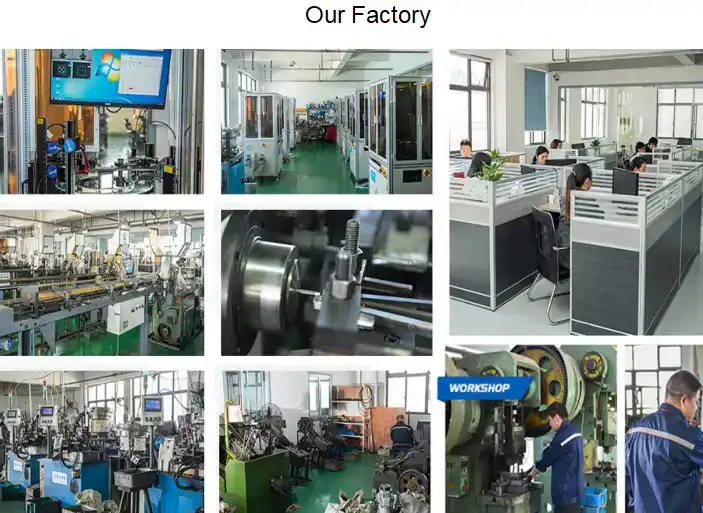
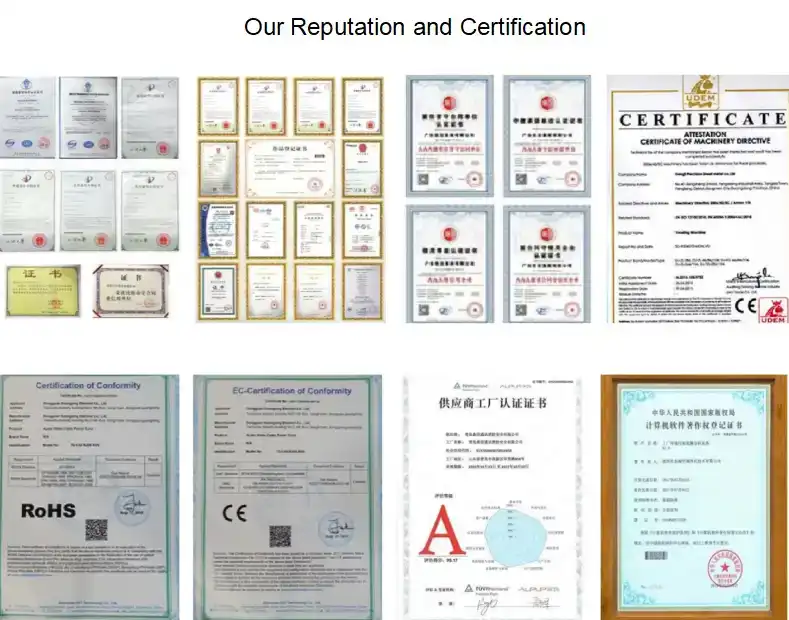
To get solid fastening parts, you need to work with manufacturing partners who know about precise engineering, quality control, and making sure the supply chain is consistent. With advanced robotic production lines and stringent ISO-certified quality control systems, RUIRUI brings more than 15 years of metal fabrication experience to every custom u-bolt job. Our electrogalvanized U-bolt options give heavy-duty trailer uses the corrosion protection, load capacity, and precise measurements they need.
We help OEM makers, fleet maintenance operations, and global wholesalers by offering customization options, affordable factory-direct prices, and the ability to supply by container load. Email our tech team at kshdhardware@qdkshd.com to talk about your particular needs. As a reputable custom u-bolt provider, we take detailed specs and turn them into high-quality fastening solutions that improve the safety and dependability of trailers in a variety of demanding business settings.
References
1. Society of Automotive Engineers. "Fastener Standards for Heavy Duty Vehicle Applications." SAE Technical Paper Series, 2021.
2. Thompson, R.L. "Corrosion Protection Methods in Commercial Vehicle Hardware." Journal of Materials Engineering and Performance, Vol. 28, 2019.
3. National Highway Traffic Safety Administration. "Trailer Safety Inspection Guidelines and Maintenance Protocols." U.S. Department of Transportation, 2020.
4. Williams, M.K. and Chen, P. "Load Distribution Analysis in Leaf Spring Suspension Systems." International Journal of Automotive Technology, Vol. 22, 2021.
5. American Society for Testing and Materials. "Standard Specifications for Carbon Steel Fasteners with Electroplated Zinc Coating." ASTM B633-19, 2019.
6. Peterson, J.D. "Fatigue Life Assessment of Threaded Fasteners in Dynamic Loading Applications." Engineering Failure Analysis, Vol. 115, 2020.

Send Inquiry
You may like