
Guide to Ordering Custom U-Bolts for Suspension Maintenance
Procurement teams face special problems when they need to find specialized bolts for heavy-duty suspension systems. A custom u-bolt is a vital structural part that holds axle assemblies and leaf springs in place while they are constantly being stressed and exposed to the elements. Instead of off-the-shelf options, these precision-engineered fasteners are made to exact material and size specs that meet the needs of your particular application. To order the right unique solution, you need to know about technical measurement standards, material grades, and what the provider can do. This information has a direct effect on how reliable the equipment is, how often it needs to be maintained, and how much it costs over its entire life.
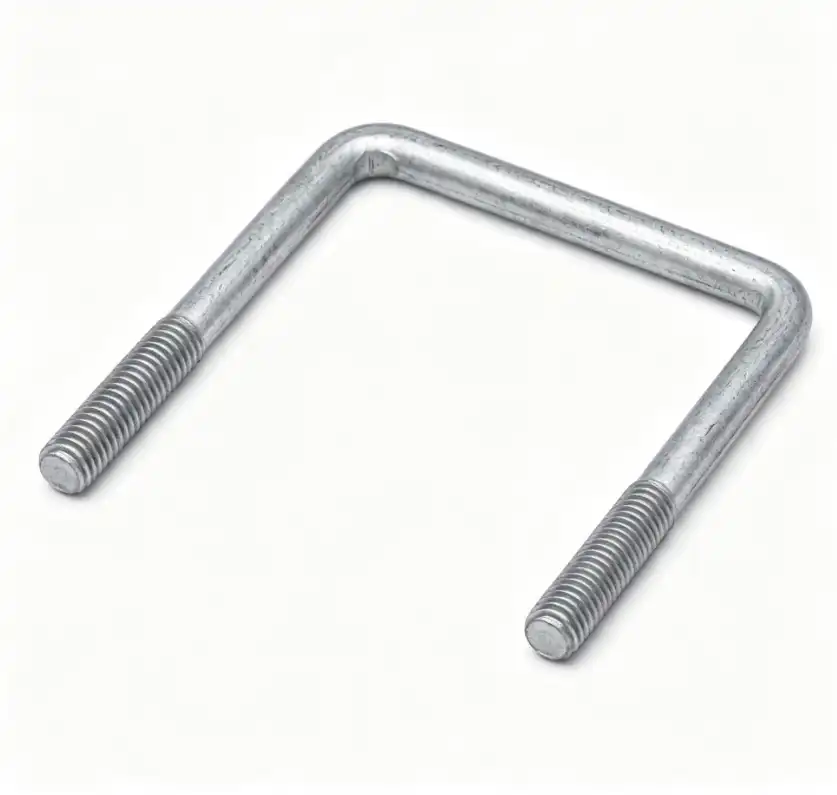
Understanding Custom U-Bolts and Their Role in Suspension Maintenance
What Makes Custom U-Bolts Different from Standard Fasteners
Suspension custom u-bolts do more than just hold things together. At the same time, they hold the structure together, reduce vibrations, and help with balance. The shape goes around axle units or pipe systems, and backing plates spread the binding forces across the part's surface. This design keeps the frame from moving laterally under shear loads, which is an important safety feature for commercial trucks, farm equipment, and factory machines.
Standard fasteners that are offered by general wholesalers usually come in set sizes and only a few types of materials. Custom manufacturing fills in the blanks left by standard size lists while meeting unique performance needs. When you have non-standard axle sizes, different fitting arrangements, or corrosive working conditions, you need customized solutions, not just options.
Material Selection and Its Impact on Performance
How well these parts hold up against mechanical stress and weather damage depends on what materials they are made of. High-strength carbon steel types have very high tensile strengths, making them ideal for use with big loads. Protective treatments are necessary when workers will be exposed to water, road salt, or chemicals.
Using electroplating to bond zinc particles to steel, electrogalvanized coats are a cheap way to protect against rust. This process makes a regular layer of protection that greatly increases the service life. Stainless steel types don't need to be coated at all because they are naturally resistant to rust, which is useful in marine settings or on food processing equipment. Each type of material has pros and cons when it comes to original cost, upkeep needs, and operating longevity. Procurement teams have to weigh these pros and cons against the needs of the specific application.
Critical Roles in Suspension System Integrity
These screws keep the structure straight between the suspension parts that are moving and those that are not. When the leaf spring packs are in use, they are constantly bending, which creates forces that try to move the axle. If you choose the right hardware, the binding force stays the same even when the load changes. This stops parts from moving around, which can cause uneven tire wear, driving issues, and eventually mechanical failure.
The inside width must be able to fit the axle diameter with just the right amount of space, and the leg length must be long enough to allow the thread to connect through the mounting plate. Thread pitch changes how binding force is distributed, and coating thickness changes both how well it protects against rust and how well it fits together. Knowing how these parts work together helps engineers choose parts that will give the best performance over the course of their repair time.
How to Measure and Specify Custom U-Bolts for Your Suspension Needs
Determining Critical Dimensions Accurately
To measure professionally, you need to be able to precisely define a number of factors. The inside width is the distance between the inside sides of both legs. This measurement takes into account the thickness of the axle or pipe. If you want to make sure the part you're fixing fits properly, you should measure across it and then mention a slightly wider inside width for your custom u-bolts.
The length of the leg goes from the bent part to the end of the thread. To figure this out, add the width of the mounting plate, the height of the nut, and the thread contact requirement. Not long enough leg length stops them from being properly tightened, and too long of a leg length adds weight and material cost that aren't needed. The thread length should be long enough to fully engage the nut plus three more threads beyond the face of the nut. This is a standard engineering practice that makes sure the fixing is safe.
Thread Specifications and Their Engineering Significance
Thread design has a direct effect on how much weight it can hold and how reliable the fitting is. When you form rolled threads instead of cutting them, the grain flow stays continuous. This makes rolled threads about 30% more resistant to stress than cut threads. Custom u-bolt applications, in particular, benefit from this advantage because the bending and clamping loads they face demand superior fatigue resistance. In places with a lot of vibration, where screws go through millions of stress cycles, this production difference is very important.
Standard sizes for thread diameter include 1/2", 5/8", and 3/4" diameters for medium-duty uses. For heavy equipment, 1" or bigger diameters may be needed to get the holding forces that are needed. Choose the thread size based on the requirements of the application. For example, wide threads are easier to install and work better with softer materials, while fine threads are better for spreading load in hardened steel applications.
Coating Thickness and Environmental Protection
Most electrogalvanized finishes are between 5 and 25 microns thick. In normal driving conditions, 8–12 micron coatings work well for standard car uses and guard against corrosion for several years. 15–25 micron layers greatly increase the time between safety periods for equipment that works near the coast or is exposed to chemicals used to melt ice.
The amount of the coating changes the dimensional range. A 20-micron layer increases the width by 40 microns, which may not seem like a big deal but could be a problem when parts need to fit through precisely drilled mounting holes. When engineers are specifying, they should take coating measurements into account so that there are no problems with fitting during installation. Ask providers to send you proof of the finish thickness to make sure it meets your needs.
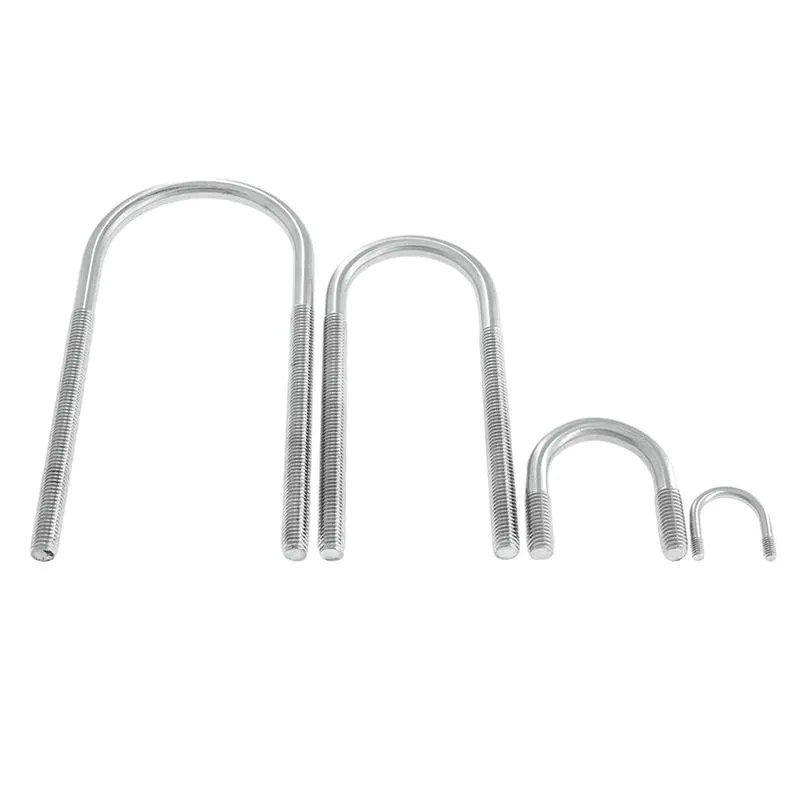
Comparing Custom U-Bolts with Standard U-Bolts: Making the Right Choice
When Customization Justifies Additional Investment
Standard screws are inexpensive ways to fix common shapes that meet set size standards. Manufacturers keep stock of popular sizes so that they can be shipped right away and offer reasonable prices by making a lot of them. These really work well as long as the equipment follows the rules for its business and works in normal conditions.
Custom u-bolt manufacturing is needed when there are unique equipment designs, non-standard component space, or performance needs that are higher than what a standard product can handle. Custom manufacturing is necessary when there are specific coating needs, odd mixes of dimensions, or material types that aren't available in normal lists. This is the case even though it costs more per unit. The expense pays off because the fit is better, the service life is longer, and upkeep is done less often.
Material Grade Comparisons
Grade 5 carbon steel has a tensile strength of about 120,000 psi, making it good for medium-duty uses with steady loads. The tensile strength goes up to about 150,000 psi with Grade 8 standards, which are for high-stress installations in business cars and industrial equipment. These grades with better strengths cost more per unit, but they are less likely to break in tough situations.
Stainless steel 304 is very good at resisting rust in most industry settings. The 316 grade has more molybdenum, which makes it more resistant to chlorides and acidic environments. Custom u-bolt manufacturers often choose between these two grades based on the specific fluid exposure and temperature ranges of the application. Even though stainless steel is three to four times more expensive than carbon steel, it often has better lifetime economics in corrosive conditions because it doesn't need to be coated or replaced as often.
Evaluating Total Cost of Ownership
The purchase price is only one part of the total costs of owning. Specifying the right materials and protected finishes for custom screws lowers the number of times they need to be replaced, cuts down on upkeep work, and stops damage from happening when a component fails. The costs of downtime for equipment often far outweigh the costs of replacing parts, so investing in stability is a good idea even if the initial costs seem higher.
To find the lifetime costs, multiply the expected number of replacements by the sum of the costs of parts, labor, and downtime. Even though they cost 40% more at first, parts that last twice as long give a good return on investment. This method for analysis helps procurement teams make choices based on facts instead of automatically choosing the cheapest option, which could end up costing more in the long run.
Best Practices for Procuring Custom U-Bolts: How to Choose a Reliable Supplier
Essential Supplier Qualifications and Certifications
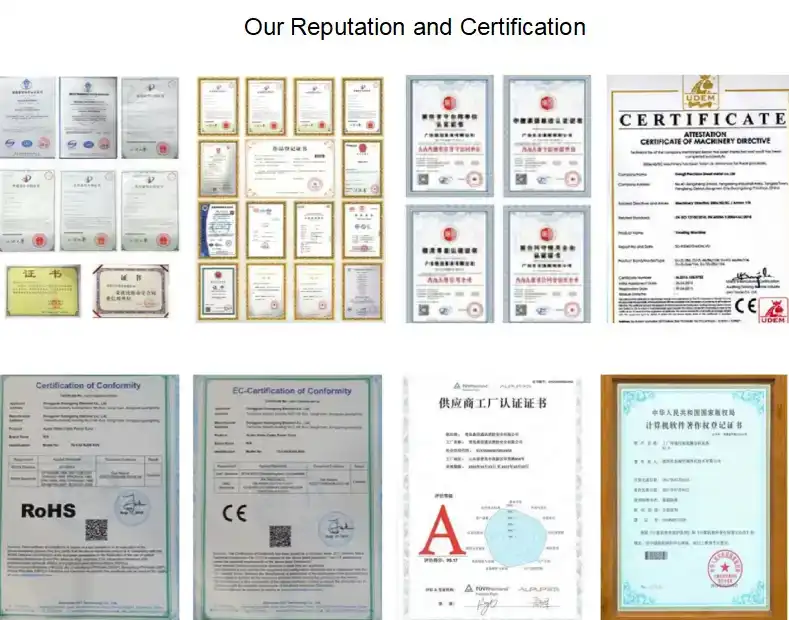
Certifications for quality management systems show organized ways to keep an eye on production and make improvements all the time. With ISO 9001 approval, you can show that you follow written methods for getting materials, making things, inspecting them, and fixing problems. Suppliers with these certifications keep records that connect produced goods to lots of raw materials and times of production for every custom u-bolt.
Environmental management standards like ISO 14001 show that a company uses responsible manufacturing practices, which are becoming more and more important for businesses that want to be environmentally friendly. Occupational safety licenses show that protecting workers is a top priority, which is in line with attitudes in companies that value quality. During the evaluation process, look over the supplier's certifications and ask for copies of their most recent certificates instead of believing what they say.
Manufacturing Capabilities That Matter
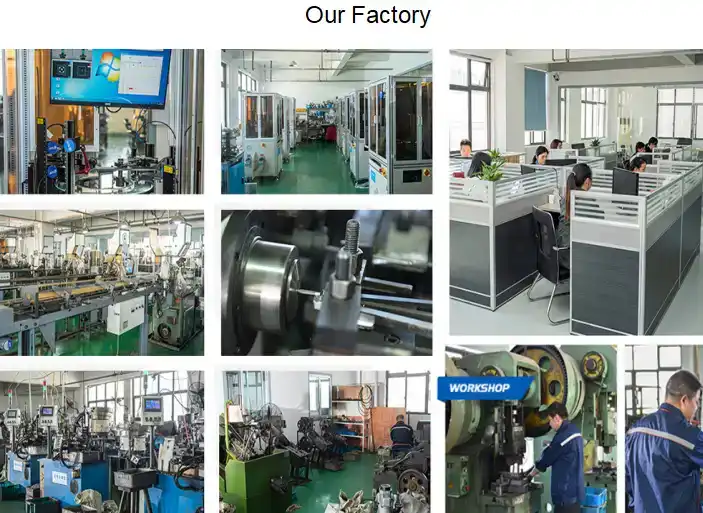
The production ability of providers tells you if they can meet your volume needs within the time frames you need. Facilities with automatic bending machines, precision sewing machines, and controlled atmosphere plating systems make sure that the quality of each production run is the same. Qingdao RUIRUI Machinery has eight specialized production lines that can make more than 130,000 pieces a year. These lines are backed by fully automated robotic systems that make sure the sizes are always the same.
For more advanced finishing methods, you need special tools and settings for the process. To get the right covering thickness and adhesion, electrogalvanizing devices need to keep the right bath chemistry, current density, and immersion time. Suppliers should show they can do what they say they can do by sending sample parts and third-party test results that prove the finish works as expected under salt spray conditions.
Evaluation Through Sample Orders and Testing
Before placing a full order, ask for samples that will be used before the full order is made. A physical review checks the accuracy of the measurements, the quality of the finish, and the material's features. Custom u-bolt samples, in particular, require extra attention because their bent geometry can introduce hidden dimensional variations during forming. Use calibrated tools to measure important measurements and then compare the results to the limits specified in the specification. The surface finish should look even, with no bare spots, yellowing, or covering flaws that show a problem with the process.
Material test results from recognized labs prove the composition and mechanical qualities of the alloy. Tensile strength tests confirm that the material can hold weight, and hardness tests confirm that the right heat treatment was done. According to ASTM B117 guidelines, salt spray testing shows how long corrosion protection lasts. Reliable providers don't hesitate to give paperwork; refusing to share test data is a sign of possible quality issues that need careful thought.
Procurement Process: From Buy to Delivery of Custom U-Bolts
Initiating Orders Through RFQ Processes
Requests for quotes that are very specific lead to correct prices and better communication. When ordering a custom u-bolt, include all important measurements, such as the inside width, leg length, thread thickness, and thread pitch. Find out what materials are needed, how they should be coated, and if there are any special marking or packing needs. Include the amount you need and when you'd like it delivered so that suppliers can figure out their ability and give you accurate wait time estimates.
When quality providers reply, they send full quotes that cover all aspects of the specification. Responses should make it clear what the quality standards are, how they are inspected, and what kind of paperwork is sent with packages. Pay close attention to the payment terms, the minimum order quantity, and the tooling charges for special forms. RUIRUI allows customization with a minimum order number of 1,000 pieces, which strikes a balance between the cost-effectiveness of custom manufacturing and the need for customer freedom.
Contract Review and Order Confirmation
All technical details, quality standards, delivery dates, and payment terms should be written down clearly in purchase agreements. When parties have different standards, ambiguous contracts lead to disagreements during production or delivery. Include rules for checking the dimensions, trying the material, and making sure the coating is correct. Also, include acceptance standards and ways to settle disagreements.
Make sure that lead times are reasonable and take into account things like getting materials, planning production, ending processes, and, if necessary, shipping goods internationally. Depending on how complicated the item is, how it needs to be coated, and how busy the factory is right now, custom making usually takes 3 to 6 weeks. Rush orders may cost more, but they can meet pressing project needs if they are expressed clearly.
Logistics Considerations and Delivery Management
Shipping ways have a big effect on both the total cost of landing and the time it takes to deliver. Ocean freight is a cheap way to move large amounts of goods, and the transit time is usually between 3 and 5 weeks, based on the places of origin and destination. Air freight cuts travel time from weeks to days, but it costs a lot more. It's worth it for pressing needs or high-value packages where the costs of delay are higher than the transportation premiums.
Products are safer when they are shipped internationally if they are properly packed. To keep the surface from getting damaged, parts should be kept apart, and moisture screens should be used to keep shipping packages from condensation. Pallet layouts should make the best use of container area while keeping loads from moving. RUIRUI offers custom packaging choices that are made to fit the needs of each customer. This makes sure that goods arrive in perfect shape no matter how they are shipped or where they are going.
Conclusion
To buy custom u-bolts successfully, you need to find a balance between technical requirements, the supplier's skills, and the cost-effectiveness over the whole lifespan. Knowing important measurements, the features of the material, and the different finishing choices lets you make exact specifications that meet the needs of the application. Custom u-bolt specifications should always include forming radius and leg length tolerances, as these directly affect fit-up.
Choosing suppliers based on their certifications, manufacturing skills, and quality systems lowers the risk of buying something and builds a basis for long-term relationships. Clear contract terms, thorough RFQ methods, and realistic transportation planning make sure that everything goes smoothly, from placing the order to delivering it. These practices help procurement teams find solid parts that improve the performance of tools while keeping the total cost of ownership low.
FAQ
What lead times should I expect when ordering custom u-bolt components?
When buying custom u-bolt parts, production schedules usually need three to six weeks from the time an order is confirmed until it is ready to be shipped. This time frame includes buying materials, making things to order, sewing, electrogalvanizing, inspecting for quality, and packing. Complex specs or odd material needs may cause delays, but regular customers who place repeat orders are sometimes given priority scheduling. Depending on the location, international shipping can add 3–5 weeks for ocean freight or 5–7 days for air freight.
How do electrogalvanized finishes perform in corrosive environments?
Electrogalvanized coats are great at protecting against water, road salt, and the weather-related rust that happens in cars and outside. Under regular working conditions, a coating with a thickness of 8 to 12 microns will protect for several years. Thicker layers in the 15–25 micron range are better for equipment that is exposed to saltwater from the coast, industrial chemicals, or constant moisture. Parts last a lot longer if they are properly maintained and inspected on a regular basis.
What documentation should I request from suppliers?
Ask accredited labs to send you material test results that prove the alloy's composition and mechanical qualities. Dimensional measurement records show that the product meets the required limits. Measuring the thickness of the coating and the results of the salt spray test confirm that it works to protect against rust. Copies of ISO certifications show that the quality control system is being followed. Manufacturers with a good reputation, like RUIRUI, keep all the paperwork needed for tracking and send certification packages with orders.
Partner with RUIRUI: Your Trusted Custom U-Bolt Manufacturer
RUIRUI is a great company for procurement teams that want solid custom u-bolt fastening options backed by years of manufacturing experience. Our Qingdao plant uses cutting-edge technology for fabrication and strict quality systems that are approved to meet ISO 9001, ISO 14001, and safety standards for workers. We are experts at making things out of electrogalvanized and stainless steel, and you can choose any size, material, or style you want.
We offer steady quality at reasonable factory-direct prices thanks to our eight automatic production lines and yearly capacity of 130,000 pieces. During the specification creation, sample assessment, and production stages, our engineering team is available to offer technical advice. Email us at kshdhardware@qdkshd.com to talk about the suspension parts you need and get quotes that are specific to your application.
References
1. American Society for Testing and Materials. (2019). "Standard Specification for Carbon Steel Bolts and Studs, 60,000 PSI Tensile Strength." ASTM International.
2. Society of Automotive Engineers. (2020). "Mechanical and Material Requirements for Externally Threaded Fasteners." SAE J429 Standards.
3. National Institute of Standards and Technology. (2018). "Corrosion Protection Through Metallic Coatings: Performance Analysis." NIST Technical Publications.
4. International Organization for Standardization. (2021). "Quality Management Systems: Requirements for Automotive Production and Relevant Service Parts Organizations." ISO/TS 16949.
5. Heavy Duty Manufacturers Association. (2020). "Suspension System Maintenance Guidelines for Commercial Vehicles." HDMA Technical Report Series.
6. American Galvanizers Association. (2019). "Performance and Specification of Electrogalvanized Coatings for Industrial Applications." AGA Technical Manual.

Send Inquiry
You may like