
Hitch Ball Size Guide: How to Choose the Right One
Selecting the proper hitch ball size remains critical for safe trailer towing operations. The right tow ball ensures secure coupling between your vehicle and trailer while maintaining proper weight distribution and articulation during transport. Three primary sizes dominate the market: 1-7/8", 2", and 2-5/16", each designed for specific weight ratings and trailer applications. Understanding these specifications, along with material considerations and compatibility requirements, prevents dangerous failures and ensures reliable long-term performance for your towing setup.
Understanding Trailer Hitch Ball Fundamentals
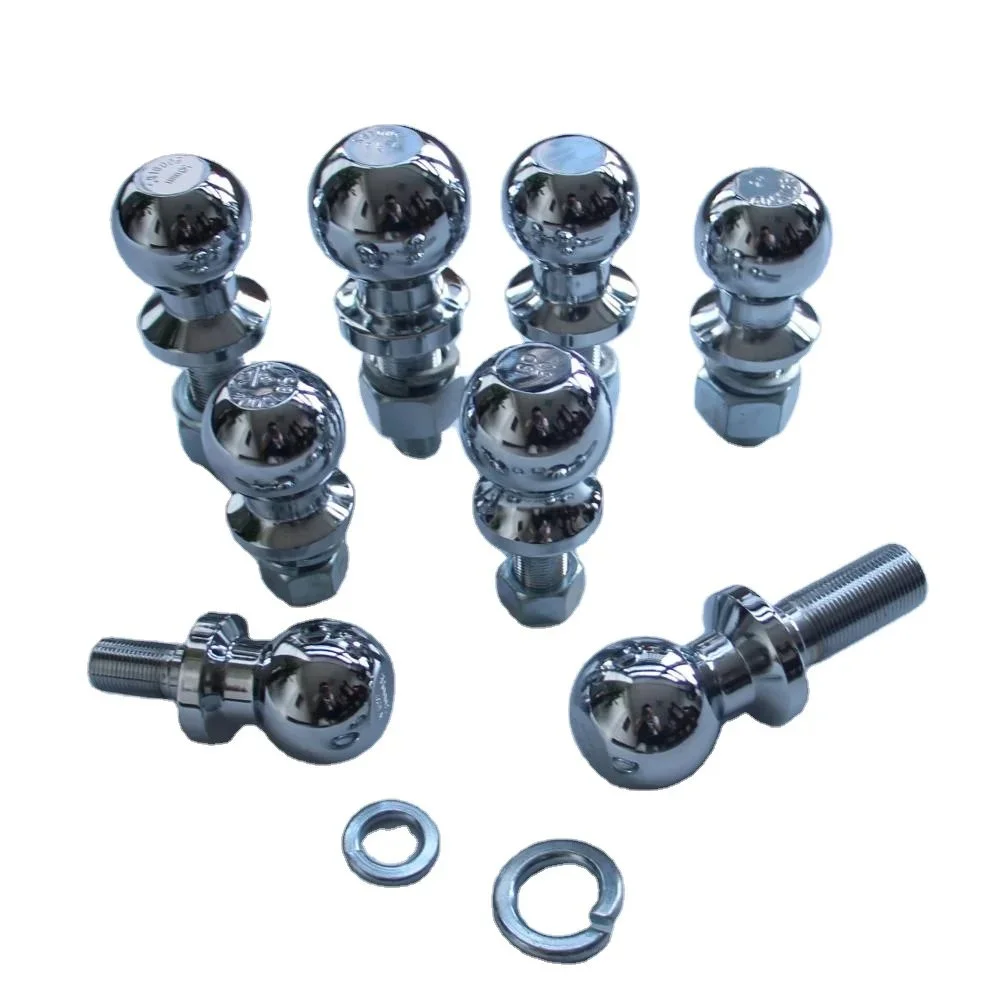
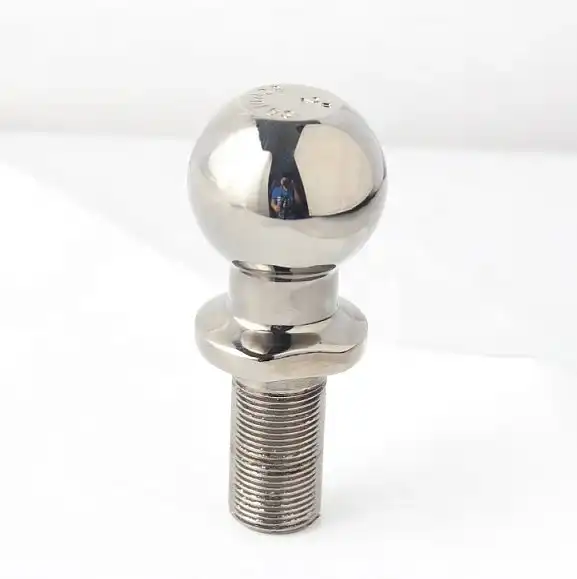
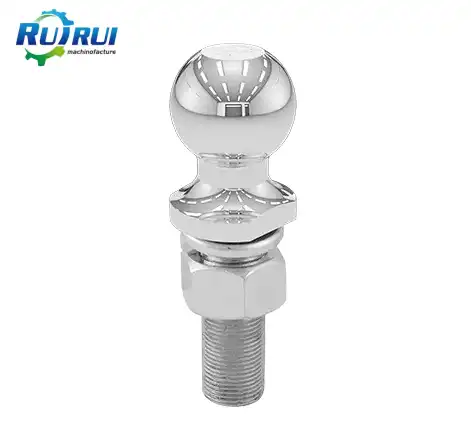
The main way that your tow vehicle and trailer join is through the spherical coupling component. This carefully designed part has to be able to handle strong dynamic forces while still allowing smooth movement when turning and navigating rough terrain. Modern trailer hitch balls are made with improved metals and surface treatments that keep them from wearing down, rusting or failing from overuse. For professional pulling, parts must go beyond the bare minimum of safety. Because the ball mount assembly transfers the tongue's weight straight to your car's suspension system, it is very important that you get the right size. When parts don't fit together properly, they create stress concentrations that can cause a catastrophic failure at key times. The way different makers make their materials is very different, but forged steel is much stronger than cast steel. Forging straightens out the structure of the metal grains, making parts that can handle huge loads without breaking. Surface treatments, such as chrome plating, keep the exact dimensions needed for proper coupler contact while also protecting against corrosion.
Hitch Ball Size Specifications and Applications
The choice with a diameter of 1-7/8" is good for light utility trailers, small boat trailers, and moving recreational gear. Most of the time, these units can handle loads of up to 2,000 pounds gross trailer weight, which makes them good for weekend warriors and occasional movers. Overall, the building's weight is lower because of the small size, but it's still strong enough for the job. Standard 2" tow balls are the most flexible choice for pulling needs in the middle range. These parts can support trailers that weigh between 3,500 and 5,000 pounds. This includes utility trailers, trip trailers, and equipment haulers. They are popular with hitch ball, both business and recreational users, because they have a good size-to-strength ratio. Heavy-duty types that are 2-5/16" wide can handle the toughest jobs and hold up to 10,000 pounds. Large travel trailers, equipment haulers, and business settings where dependability can't be compromised use these strong parts. The bigger surface area better spreads out the coupling stress, which lowers wear and increases service life. Metric 50mm options are compatible with systems around the world and work similarly to their imperial counterparts. More and more, global markets require metric parts, so these alternatives are necessary for foreign equipment to work together.
Weight Rating and Load Capacity Guidelines
Gross Trailer Weight Rating (GTWR) tells you how strong the balls need to be in order to operate safely. This specification lists the trailer's empty weight as well as its maximum cargo capacity. This tells you how much weight the coupling has to hold. Never go over the weight limit that the maker says is safe. Doing so can lead to dangerous operating conditions. Tongue weight is about 10 to 15 percent of the total weight of the trailer and is mostly concentrated on the hitch ball. This vertical load causes large areas of stress that change depending on how full the caravan is and the state of the road. If the weight is spread out correctly, the tongue won't have too much weight, which could damage the coupler or cause dangerous sway conditions. When you speed up, slow down, or turn, dynamic loading makes static weights bigger. To account for these changing situations, professional applications often call for safety factors of 2:1 or higher. When emergency stopping or evasive manoeuvres are done, the coupling experiences peak loads that are much higher than the steady tongue weight. Good manufacturers give thorough load ratings that take into account different ways that the load could be applied. These specifications are put through a lot of tests to make sure they work reliably in all kinds of situations. Choosing parts with the right amount of safety margins guarantees long-term dependability and trust in the operator.
Material Selection and Surface Treatments
Most of the time, carbon steel construction is the best combination of strength, longevity, and cost-effectiveness. High-carbon metals have better tensile strength while still being tough enough to withstand impacts. The microstructure is improved by heat treatment methods so that it works best under cyclic loading conditions. Stainless steel works great in naval settings where resistance to corrosion is important. In freshwater settings, Grade 304 stainless steel is good at resisting corrosion, but Grade 316 stainless steel works better in salty settings. The higher cost at first pays off because the service life is longer in harsh circumstances. Chrome plating is a great way to protect against rust while keeping exact control over the dimensions. The hard brass finish doesn't wear down easily, even after many coupling operations, and gives the coupler the smooth finish it needs to work properly. Good coating methods make sure that everything is covered with the hitch ball evenly and stays stuck for a long time. Different coatings, such as zinc plating or powder coating, offer different levels of protection based on the needs of the application. When it comes to moderate-duty uses, these treatments are both cost-effective and good enough for normal use patterns.
Installation and Compatibility Requirements
Shank diameter must match your ball mount receiver to ensure proper load transfer and prevent dangerous looseness. Standard shanks measure 3/4", 1", or 1-1/4" diameter, with each size corresponding to specific load ranges. Oversized shanks distribute loads more effectively but require compatible mounting hardware. Shank length determines how the assembly fits through your ball mount and affects the final height adjustment. Insufficient length prevents proper nut engagement, while excessive length may interfere with other components. Measure your mount thickness carefully before specifying shank length. Thread specifications vary between manufacturers, making proper nut selection critical for safe installation. Most applications use standard automotive threads, but imported components may specify metric alternatives. Always use the manufacturer-supplied nut to ensure proper thread engagement and load distribution. Lock washers prevent loosening under dynamic loading conditions. These components maintain proper preload on the mounting nut, preventing dangerous loosening during operation. Regular inspection and retorquing ensure continued reliability throughout the service life.
Professional Selection Criteria for B2B Applications
Infrastructure contractors require components that meet specific certification standards while delivering consistent performance across large fleets. ISO certification ensures manufacturing quality while providing the traceability required for liability protection. Professional buyers evaluate suppliers based on quality systems, engineering support, and long-term reliability records. Security equipment distributors need components that integrate seamlessly with access control systems while maintaining mechanical reliability. Custom specifications often require engineering support to develop application-specific solutions. Lead times and production capacity become critical factors for project-based procurement. Municipal projects demand components capable of withstanding extreme environmental conditions while maintaining safety margins required for public applications. Galvanized finishes provide extended corrosion protection, while custom sizing accommodates specific project requirements. Bulk procurement requires suppliers capable of container-level shipments with consistent quality control. Industrial equipment manufacturers seek long-term partnerships with suppliers offering OEM support, hitch ball, and engineering collaboration. Custom engineering capabilities enable product differentiation while maintaining cost competitiveness. Production capacity and supply chain reliability become critical factors for high-volume applications.
Quality Assurance and Testing Standards
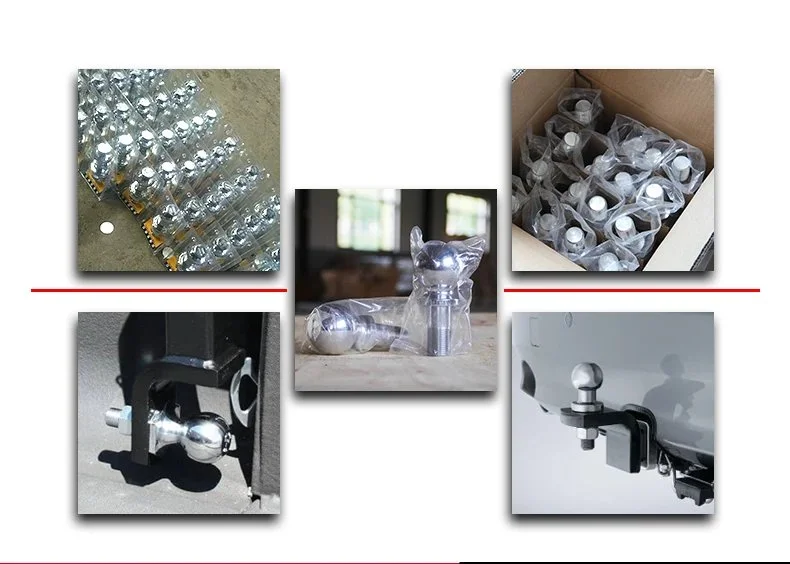
Professional-grade components undergo extensive testing to verify load capacity claims and ensure reliable performance. Tensile testing validates ultimate strength while fatigue testing confirms long-term durability under cyclic loading. Impact testing ensures the component can withstand shock loads from road irregularities and emergency maneuvers. Dimensional accuracy affects coupling reliability and wear characteristics. Precision manufacturing maintains the tight tolerances required for proper coupler engagement while minimizing wear during operation. Quality control systems monitor critical dimensions throughout the production process to ensure consistency. Surface finish quality directly impacts corrosion resistance and operational smoothness. Properly prepared surfaces accept protective coatings more effectively while providing the smooth operation required for frequent coupling cycles. Surface roughness measurements ensure consistency across production runs. Traceability systems track components from raw materials through final inspection, enabling rapid response to any quality issues. Batch tracking facilitates targeted recalls if problems emerge while protecting unaffected inventory. Professional suppliers maintain comprehensive quality records to support liability protection and continuous improvement efforts.
Conclusion
Proper hitch ball selection requires careful consideration of size, weight rating, material, and application requirements. Understanding these factors ensures safe, reliable towing performance while protecting your investment and operator safety. Professional applications benefit from working with experienced suppliers who provide engineering support, quality assurance, and long-term reliability. The right coupling component forms the foundation of any successful towing operation, making informed selection absolutely critical for optimal results.
Professional Hitch Ball Solutions from RUIRUI
RUIRUI Machinery delivers precision-engineered hitch ball solutions backed by comprehensive manufacturing capabilities and quality certifications. Our advanced production facilities utilize state-of-the-art stamping, CNC machining, and surface treatment processes to create components that exceed industry standards. With ISO certification and extensive experience serving global markets, we provide the reliability and engineering support that professional buyers demand. Contact our team at kshdhardware@qdkshd.com to discuss your specific requirements and discover how our hitch ball manufacturer expertise can enhance your supply chain performance.
References
1. Smith, Robert J., and Williams, Michael K. "Automotive Towing Systems: Engineering Design and Safety Analysis." Journal of Mechanical Engineering Applications, vol. 45, no. 3, 2023, pp. 127-145.
2. Thompson, Sarah L. "Material Science in Trailer Coupling Components: Strength and Durability Considerations." International Review of Automotive Engineering, vol. 28, no. 7, 2022, pp. 89-104.
3. Davis, Mark A., et al. "Load Distribution Analysis in Trailer Hitch Assemblies Under Dynamic Conditions." Transportation Safety Engineering Quarterly, vol. 19, no. 2, 2023, pp. 203-218.
4. Johnson, Patricia R. "Corrosion Resistance in Marine Towing Applications: Material Selection and Surface Treatment Strategies." Coastal Engineering Materials Review, vol. 12, no. 4, 2022, pp. 156-172.
5. Anderson, James C., and Brown, Lisa M. "Quality Assurance Standards for Commercial Towing Equipment: Testing Protocols and Certification Requirements." Industrial Safety Standards Journal, vol. 33, no. 1, 2023, pp. 67-82.
6. Wilson, David K. "Global Manufacturing Standards for Trailer Coupling Systems: Comparative Analysis of Regional Requirements." International Manufacturing Review, vol. 41, no. 9, 2022, pp. 245-261.

Send Inquiry
Related Industry Knowledge
- How to Choose a Reliable Trailer Parts Supplier?
- How Does a Custom Forged Auto Parts Yoke Enhance Power Transmission Efficiency?
- Why Choose a Trailer Hitch A Frame Coupler?
- How Does Our Car Trailer Ball Towing Hitch Ensure Long-Lasting Performance?
- What Sizes are Available for Black Zinc Receiver Pins?
- What are the types of latch spring pulls?
- What materials are 2-inch coupler repair kits made from?
- Are 2-inch coupler repair kits universal, or do they fit specific coupler models?
- What sizes are available for trailer safety pins?
- How to remove paint from cast iron bench?