
How to Choose a Reliable Trailer Parts Supplier?
Finding the right trailer parts supplier can make or break your business operations. Whether you're managing a fleet of commercial vehicles or manufacturing custom trailers, partnering with a reliable supplier ensures consistent quality, timely deliveries, and competitive pricing. The ideal trailer parts supplier should offer comprehensive product catalogs, proven manufacturing capabilities, quality certifications, and excellent customer service. This decision impacts everything from your production timelines to customer satisfaction levels.
Understanding Your Trailer Parts Requirements
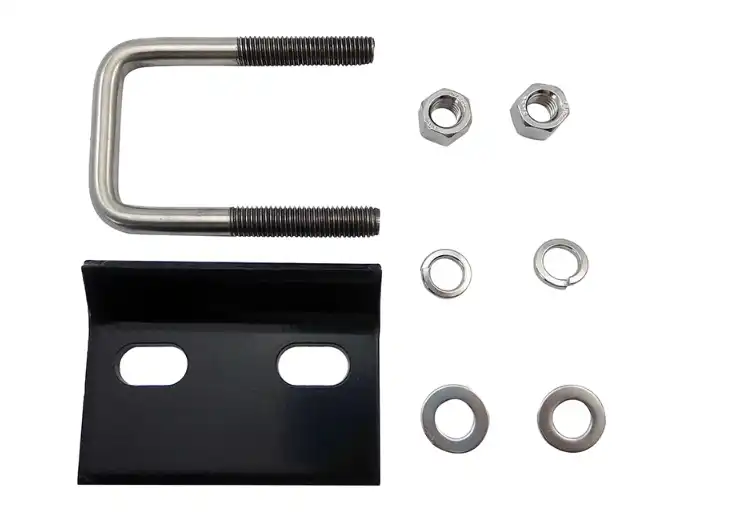
Make sure you know exactly what you need before you start looking at possible suppliers. Heavy-duty trailer axle assemblies are needed for commercial trucks, while lighter trailer hitch systems are needed for boats and other leisure vehicles. Think about whether you need standard parts or options that are made just for you. Specifications for manufacturing are very important. Long-haul truck trailer brake systems need different materials and certifications than farming equipment brake systems. Write down your load ratings, the conditions of the environment, and the standards for compatibility. Getting ready in this way helps sellers give accurate quotes and suggestions. Pricing and seller choice are affected by the amount that needs to be ordered. Orders that come in in large quantities often get savings and are scheduled first. Smaller businesses, on the other hand, gain when suppliers offer flexible minimum order quantities. Knowing how much you usually spend each year can help you get better terms.
Evaluating Manufacturing Capabilities
A trustworthy provider shows that they can make things using a lot of different methods. You should look for places that can do laser cutting, CNC machining, pressing, and welding. These skills show that the supplier can handle complicated custom tasks and keep quality standards high. Production capacity has a direct effect on how reliably deliveries happen. When a supplier makes more than 80,000 units a year, they usually keep more inventory on hand and have shorter wait times. Automated production lines cut down on mistakes made by people and make sure that big orders are all made the same way. Material knowledge includes stainless steel, carbon steel, aluminium alloys, and special finishes, among other metals. Suppliers who work with a variety of products show that they are flexible and know their stuff. This wide range of products lets them suggest the best materials for each job. Secondary finishing methods, such as powder coating, anodising, and plating, make products last longer and work better. Suppliers that offer these services offer full solutions, so you don't have to deal with multiple vendors.
Quality Certifications and Standards
ISO 9001 certification trailer parts supplier stands for basic methods for managing quality. This certification makes sure that suppliers keep records of their processes, do regular audits, and have programs for continuous growth. Companies that aren't ISO certified often don't have any systemic quality controls. Industry-specific licenses show that you know a lot about a certain subject. Find providers who know about the SAE J684 towing classifications, DOT rules, and safety standards that apply. With these certificates, you can show that you know the rules that apply to caravan parts. Material approvals prove the quality of the raw materials and show where they came from. Suppliers should give mill certificates, reports on the chemical makeup, and proof of the material's mechanical properties. This paperwork is very important for quality checks or guarantee claims. Tensile strength verification, corrosion resistance testing, and dimensional checking are some of the tests that can be done. Testing in-house cuts down on wait times and makes sure that quality is always the same before shipping. If suppliers only rely on outside tests, they might have to deal with delays and differences in quality.
Global Supply Chain Experience
For cross-border procurement, international logistics knowledge is very important. Suppliers who know about customs paperwork, shipping rules, and port procedures help keep problems and delays to a minimum. This knowledge is especially useful for shipping at the container level. Exporting to more than one country shows that your business is mature and reliable. Suppliers who work with a wide range of markets, such as those in North America, Europe, and Australia, know that customers have different quality standards and government rules. This knowledge means that customers from other countries will get better service. Time zone coverage changes how well people can talk to each other. Suppliers with customer service available 24 hours a day, seven days a week can handle pressing questions and orders. This availability is very important when equipment breaks down and needs new parts right away. Changes in currency and payment terms have an effect on managing cash flow. Suppliers with a lot of experience offer a variety of payment choices and know how to handle international banking. This adaptability makes the buying process easier for people around the world.
Technical Support and Engineering Services
Professional suppliers are different from basic parts vendors because they offer engineering help. Look for teams that can look over technical drawings, make suggestions for better designs, and fix problems with connectivity. This knowledge is very helpful during the creation stages of a product. Custom fabrication services can meet specific needs that can't be met by normal catalogue items. Suppliers who offer OEM/ODM services can change current designs or make whole new ones. This adaptability allows for specialised uses and the restoration of old technology.The level of technical documentation shows how professional a person is as a whole. Careful attention to detail is shown by detailed product catalogues, installation guides, and specification sheets. Product documentation helps keep installation mistakes and guarantee claims to a minimum. Responding quickly to problems is what sets great providers apart from average ones. The best partners look for problems ahead of time and offer answers before they affect operations. This proactive method cuts down on operational disruptions and downtime as much as possible.
Pricing Structure and Value Proposition
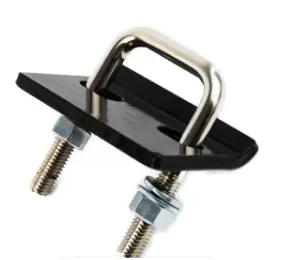
Factory-direct pricing eliminates distributor markups while maintaining quality standards. Direct relationships with manufacturers provide better pricing transparency, trailer parts suppliers, and negotiating flexibility. This approach often delivers 15-20% cost savings compared to multi-tier distribution channels. Volume pricing tiers reward larger commitments with progressive discounts. Understanding these structures helps optimize order quantities and timing. Some suppliers offer annual agreements with guaranteed pricing, providing budget predictability. Total cost considerations extend beyond unit prices. Factor in shipping costs, customs duties, inventory carrying costs, and potential quality issues. The lowest quoted price may not represent the best overall value when considering these additional factors. Payment terms significantly impact cash flow. Suppliers offering extended terms or progressive billing accommodate different financial situations. However, early payment discounts sometimes offset shorter payment windows.
Lead Times and Inventory Management
Standard lead times for bulk orders typically range from 7-14 business days for established suppliers with adequate capacity. Shorter lead times may indicate insufficient quality controls, while extended periods suggest capacity constraints or inefficient operations. Rush order capabilities provide flexibility during unexpected demand spikes or equipment failures. Suppliers maintaining safety stock for critical components can accommodate emergency requirements. This capability justifies premium pricing during urgent situations. Inventory management services reduce customer carrying costs while ensuring component availability. Some suppliers offer consignment programs or vendor-managed inventory arrangements. These services transfer inventory risk while guaranteeing supply continuity. Demand forecasting collaboration improves supply chain efficiency. Progressive suppliers work with customers to anticipate seasonal fluctuations and project requirements. This collaboration reduces stockouts and excess inventory situations.
Communication and Customer Service Standards
Response time expectations establish service level baselines. Professional suppliers acknowledge inquiries within 24 hours and provide detailed responses within 48 hours. Consistent communication builds confidence and facilitates smooth transactions. Language capabilities affect communication clarity and efficiency. Suppliers with native English speakers or professional translators reduce misunderstandings and errors. Clear communication becomes especially important for technical specifications and custom requirements. Project management skills demonstrate organizational capabilities. Suppliers assigned dedicated account managers provide single points of contact and ensure continuity across multiple orders. This structure improves accountability and relationship development. After-sales support extends beyond initial delivery. Quality suppliers provide warranty coverage, replacement part availability, and technical assistance throughout product lifecycles. This ongoing support reduces total ownership costs and operational risks.
Making Your Final Supplier Decision
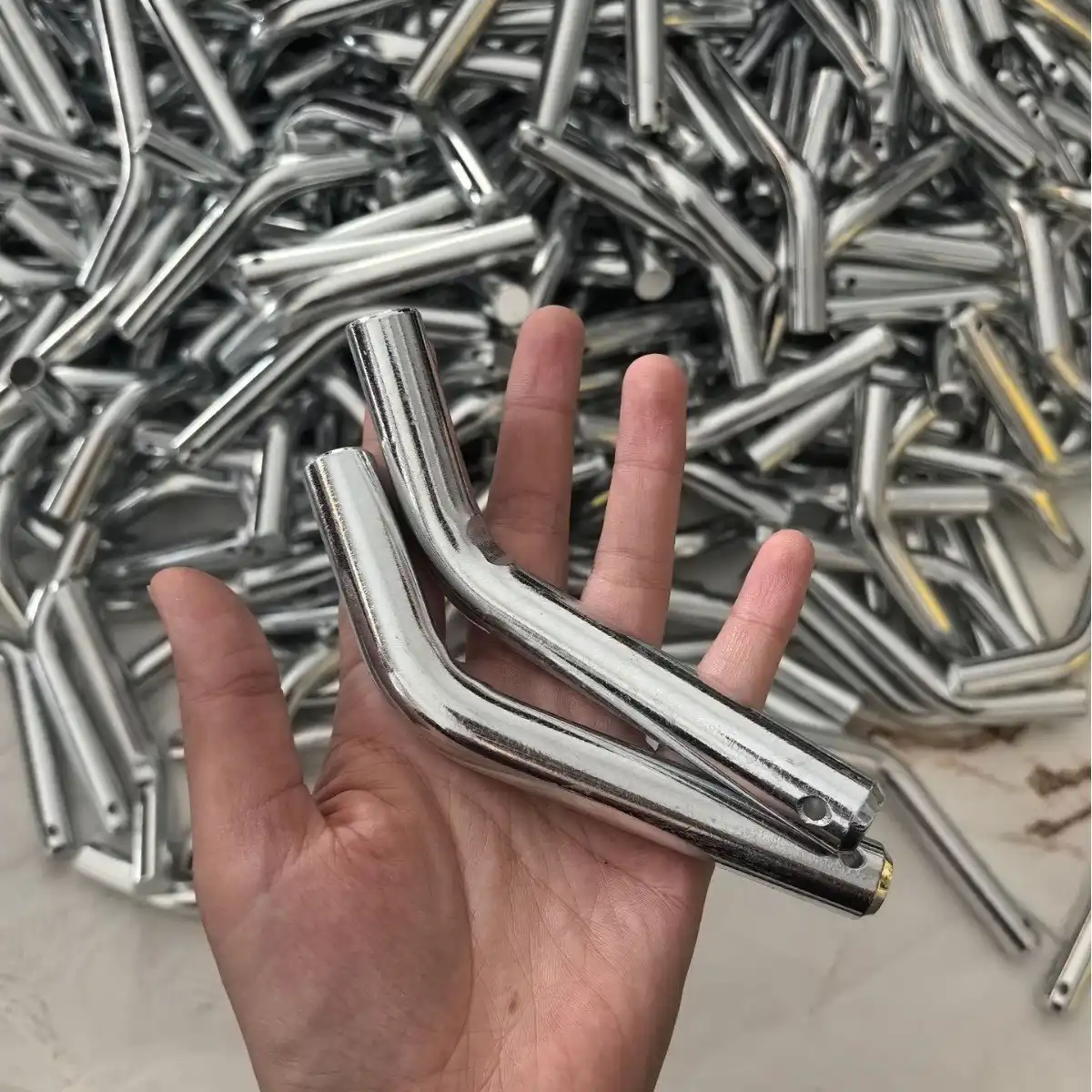
Supplier evaluation requires balancing multiple criteria rather than focusing solely on price. Create weighted scorecards considering quality, delivery, service, and trailer parts supplier. This systematic approach ensures comprehensive evaluation and defensible decisions. Reference checks provide insights into the ac and cost factors. actual performance rather than marketing promises. Contact existing customers in similar industries to understand real-world experiences. Pay attention to comments about problem resolution and long-term reliability. Trial orders minimize risks when evaluating new suppliers. Start with smaller quantities to assess quality, delivery performance, and service levels before committing to larger volumes. This approach validates supplier capabilities without significant exposure. Relationship development requires ongoing attention and communication. The best supplier partnerships evolve through regular performance reviews, feedback sessions, and continuous improvement initiatives. Invest time in building these relationships for long-term success.
Conclusion
Selecting a reliable trailer parts supplier requires careful evaluation of manufacturing capabilities, quality systems, technical expertise, and service commitments. The right partnership extends beyond transactional relationships to strategic collaboration supporting your business growth. Prioritize suppliers demonstrating proven track records, comprehensive capabilities, and genuine commitment to customer success. This investment in supplier selection pays dividends through improved quality, reduced costs, and enhanced operational reliability. Take time to thoroughly evaluate potential partners using the criteria outlined above, and remember that the cheapest option rarely provides the best long-term value.
Partner with RUIRUI for Your Trailer Parts Needs
RUIRUI stands out as a trusted trailer parts supplier and manufacturer with over 15 years of manufacturing excellence. Our ISO-certified facility produces 130,000 pieces annually across eight production lines, serving customers in 80+ countries. We combine advanced automation with comprehensive quality systems to deliver reliable trailer components, including pins, arms, winches, and custom-fabricated solutions. Contact us at kshdhardware@qdkshd.com to discuss your specific requirements and experience our commitment to quality and service.
References
1. Smith, J. "Industrial Procurement Best Practices for Heavy Equipment Components." Manufacturing Supply Chain Quarterly, Vol. 28, No. 3, 2023, pp. 45-62.
2. Johnson, M. and Davis, R. "Quality Management Systems in Metal Fabrication Industries: A Comprehensive Analysis." International Journal of Manufacturing Excellence, Vol. 15, No. 7, 2023, pp. 112-128.
3. Thompson, K. "Global Supply Chain Risk Management for Automotive and Trailer Industries." Industrial Engineering Review, Vol. 42, No. 2, 2024, pp. 78-94.
4. Williams, A. "Cost-Benefit Analysis of Direct Manufacturer Relationships in B2B Procurement." Business Operations Management, Vol. 19, No. 4, 2023, pp. 203-219.
5. Brown, S. and Lee, P. "Technical Documentation Standards in Industrial Component Manufacturing." Engineering Management Today, Vol. 31, No. 1, 2024, pp. 56-71.
6. Garcia, L. "International Trade Regulations and Compliance in Metal Parts Manufacturing." Global Commerce Perspectives, Vol. 22, No. 6, 2023, pp. 134-149.

Send Inquiry

Related Industry Knowledge
- Best Trailer Coupler Manufacturer for Cost-Effective Bulk OEM Supply
- Top Trailer Coupler Manufacturer Choices for Heavy-Duty Use
- Top-Rated Hitch Pin and Trailer Ball Supplier for RV & Marine Use
- Can you tow with a locking hitch pin?
- What Makes a TRAVEL COUPLER Essential for Every Trailer?
- Heavy Duty Locking Hitch Pin: Long-Lasting Protection for Towing
- Are Utility Pole Clamps Adjustable?
- What is a D-shape pin used for, and why is zinc plating applied?
- How to design a custom sheet metal part?
- What are common issues with pump cover plates?