
How Does a Hitch Pin Lock Work?
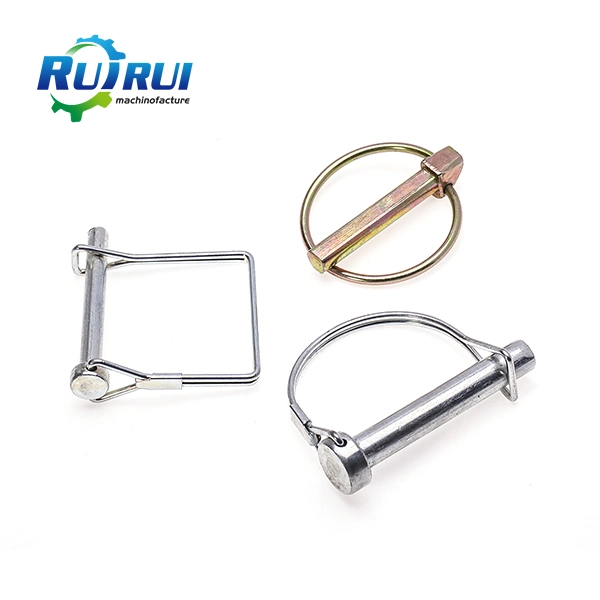
There is a complex system inside a hitch pin lock that makes the solid steel pin go through the trailer coupler or receiver tube and be locked in place by an internal cylinder. Putting the pin through the right holes and then starting the lock mechanism—whether it's locked, combination, or magnetic—stops anyone else from taking it out without permission. This builds a wall around the link between the tow vehicle and trailer, keeping it safe from theft and accidental disconnections while the trailer is being moved.
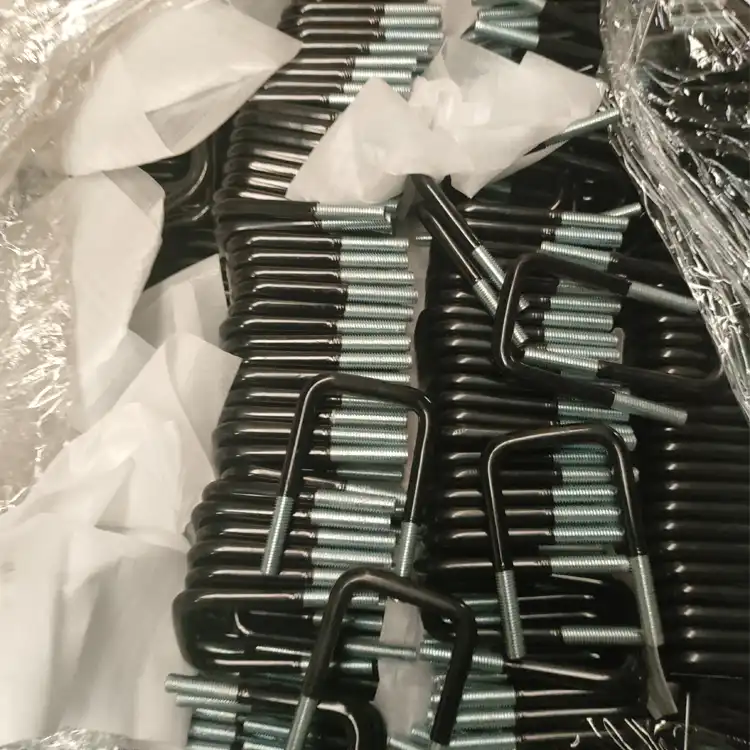
Understanding Hitch Pin Locks: Definition, Mechanism, and Benefits
Hitch pin lock systems serve as essential security components in trailer and industrial equipment operations, providing both theft deterrence and operational safety. These devices replace normal hitch pins with locking mechanisms that can only be removed with certain keys or combos. This makes a strong barrier against people who aren't supposed to be there.
Core Mechanism and Security Features
Precision-engineered internal parts that connect when the pin is fully inserted are what make the basic process work. Modern locking systems have strengthened steel tumblers, housings that don't rust, and weather-sealed cylinders that keep working in a wide range of weather conditions. The locking action stops the pin from being taken out the other way, which keeps the hitch link safe until it is deliberately unlocked.
Modern types have pick-resistant cylinders and anti-drill plates that make them safer against more complex theft efforts. The pin diameter usually runs from 1/4 inch for coupler uses to 5/8 inch for heavy-duty receiver connections. Each size is designed to handle a certain amount of load and security risks.
Industrial Benefits and Strategic Value
Improving security is the main benefit, with proven reductions in theft rates of over 85% in business settings. The obvious result keeps thieves from stealing when they have the chance, and it also saves fleet operators money on their insurance premiums. Installation is easy, so it can be quickly put into use across groups of equipment without the need for special tools or a lot of training.
Operational dependability comes from performing consistently in harsh settings, such as those with high vibrations, high temperatures, and salt exposure. Quality units keep working smoothly through thousands of lock cycles, which helps fleet management run smoothly and lowers the cost of upkeep.
Types of Hitch Pin Locks and Their Core Working Principles
Different locking solutions are needed for industrial uses because they have different security needs and work settings. By knowing what makes each type unique, you can make smart choices about what to buy that are in line with your organization's security standards and your budget.
Keyed Lock Systems
Keyed mechanisms are the most popular business option. They use old-fashioned tumbler systems that need real keys to work. Most of the time, these units have cylinders made of brass or stainless steel with various tumbler designs that make them impossible to pick. Master key systems make it easy for fleet managers to handle keys because they only need to carry one set of keys to open multiple locks.
The way a hitch pin lock works is by entering the key to line up the internal tumblers. This releases the locking mechanism and lets you take out the pin. There are extra features on high-security versions, like sidebar devices and mushroom pins, that make them much harder to pick. Keyed systems offer excellent security-to-cost ratios for most commercial applications.
Combination Lock Alternatives
Combination systems get rid of the problems that come with managing keys while keeping security strong through number codes. To unlock these systems, moving dials or push-button routines line up internal parts, which releases the locking action. Models that are resistant to the weather have sealed housings that keep wetness out and keep the machine running smoothly even when the temperature changes.
The operational benefit includes not having to worry about lost keys and making it easier to control who can get in by letting approved staff share codes. But combo systems need to have their codes changed on a regular basis and close supervision to keep outsiders from watching them work.
Material Specifications and Performance Characteristics
Selection of materials has a direct effect on how long things last and how safe they are in a variety of operating settings. Here are the most important things to think about when choosing a material for business use:
- Hardened steel construction protects against cuts and impacts the most, which is important for high-security areas where theft efforts may involve power tools.
- Stainless steel variants are better at resisting corrosion in coastal and chemical settings, so they can keep working smoothly even when they are exposed to chemicals and salt spray.
- Chrome-plated options are a good mix between low cost and moderate corrosion protection, making them good for standard business uses that get some weather exposure.
With these material options, procurement workers can match product specs to practical needs while also getting the best value for money. For each application, the right material type is chosen based on things like salt exposure, temperature ranges, and chemical interactions.
Installation and Safety Best Practices for Hitch Pin Locks
The best security is achieved through proper installation and ongoing upkeep methods that make sure the product works reliably throughout its entire lifecycle. By following set processes, installation mistakes can be avoided, and proactive upkeep can extend the life of a product.
Step-by-Step Installation Procedures
Before starting the installation, the old hitch gear is carefully checked to make sure it works with the new one and to see if there is any damage or wear that could make it less secure. Clean all of the fixing surfaces and grease points to get rid of any dirt or dust that might be getting in the way of the machine's proper functioning. Make sure that the pin's diameter fits the specs for the hitch receiver. If it doesn't, it could be unsafe or open to security risks.
Make sure the closing pin of the hitch pin lock goes all the way through the receiver tube or coupler hole and is lined up correctly. Engage the closing device according to the manufacturer's instructions. This could be done by using a key, a combination, or magnetic connection. To make sure the update is safe, try removing the PIN without properly unlocking the device.
Maintenance and Environmental Considerations
Visual checks should be done once a month and functional tests should be done every three months as part of regular maintenance plans to find problems before they damage security. Marine-grade oils that don't wash out and work well at all temperatures should be used to grease moving parts. To keep water out, weather seals should be replaced every year or whenever cracks can be seen.
Adapting to the environment means paying close attention to things like salt exposure, industrial chemicals, and high weather in the area. For coastal uses, clean with fresh water often to get rid of salt crystals. In industrial settings, you may need special lubricants that don't get contaminated by chemicals.
Troubleshooting Common Issues
Jamming usually happens when debris builds up or there isn't enough grease, so it's important to clean thoroughly and use the right amount of oil. Do not force devices that are stuck to move, as too much pressure can damage internal parts and cause problems that will not go away. To stop break-offs, key management practices should include keeping spare keys safe and checking the state of keys on a frequent basis.
Freezing of the lock cylinder happens in cold places and can be fixed with de-icing products made just for small parts. Changes in the lubricant on a yearly basis and protected covers during long times of storage are two ways to keep this from happening.
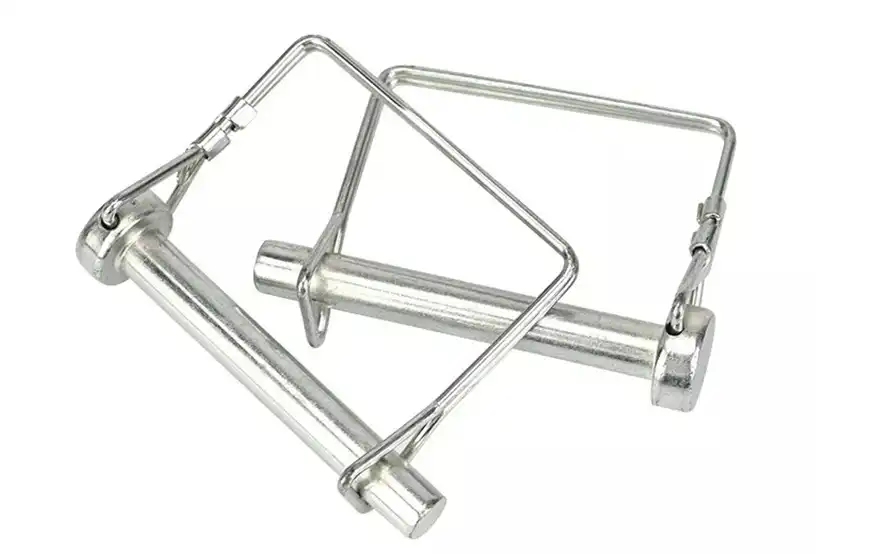
Choosing the Best Hitch Pin Lock for Your Business Needs
To find the best options for procurement choices, security needs, operational environments, and total cost of ownership must all be carefully looked at. Systematic evaluation methods make sure that the goods chosen meet both the organization's short-term and long-term needs.
Procurement Criteria and Evaluation Factors
Threat analysis for hitch pin lock is the first step in security level review because it helps you figure out what level of safety is best for each application. High-value technology needs the highest level of security, but standard business uses may be able to get by with less protection to save money. The environment decides what materials are needed and how they should be sealed to make sure they work reliably for the whole working life.
Checking for compatibility includes both the physical measurements and operating needs, like entry angles and clearance space. Standardization across multiple units helps fleet apps by making inventory less complicated and upkeep tasks easier. When you buy in bulk, you should think about things like number savings, delivery times, and evaluating the supplier's abilities.
Brand Comparison and Value Analysis
Leading makers offer unique value packages that are suited to various market groups and application needs. Premium names usually come with better security features, longer warranties, and more expert help, which makes up for their higher starting costs by lowering the total cost of ownership. Options in the middle range offer a good mix of features and prices for common business uses.
Security testing certifications, material specs, guarantee terms, and the availability of replacement parts should all be used as evaluation factors. The ability to manufacture, the quality control methods, and the responsiveness of expert help are all parts of evaluating a supplier that affect the long-term success of a procurement.
Bulk Purchasing and Customization Options
Through quantity deals and negotiated price systems, volume buying can save you a lot of money. Different sellers have different minimum order amounts. Usually, bigger pledges mean better prices and faster delivery times. When negotiating a contract, the parties should talk about stable prices, service promises, and performance standards that protect the buyer's interests.
Material upgrades, special finishes, and physical changes that meet the needs of a specific application are all examples of customization options. OEM partnerships give companies access to custom setups and private labeling choices that help them with their branding efforts. When it comes to unique goods, lead times are very important and need to be planned for ahead of time along with inventory management.
Conclusion
Through its complex locking systems and strong construction, hitch pin lock technology provides important operational and security benefits for business and industrial settings. Procurement experts can make choices that are both safe and cost-effective when they know about the different types, how to install them, and how to choose which ones to use. When these systems are set up correctly, they reduce theft, make operations more efficient, and lower insurance costs, all of which make the investment worth it across a wide range of uses. When you combine tried-and-true technology with well-known best practices and full supplier support, you can be sure of a good rollout and long-term performance in tough operational settings.
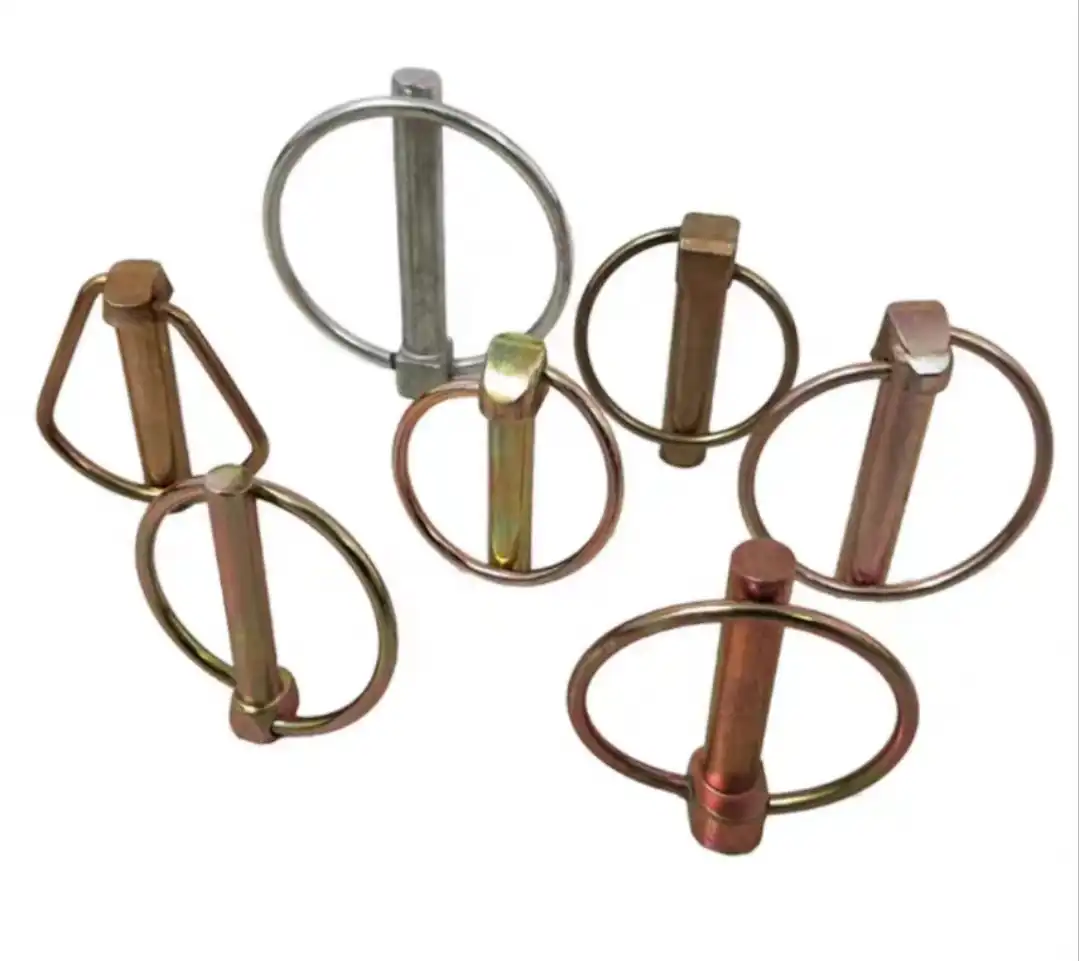
FAQ
What distinguishes keyed from combination hitch pin locks in commercial applications?
Keyed systems are the best way to protect valuable equipment because they have complicated tumbler mechanisms and designs that make them impossible to pick. Combination locks eliminate key management challenges and provide convenient access control through numerical codes, but they may be easy to watch while they're working. Commercial fleets often choose keyed systems that can work with a master key to balance security with practical speed.
How do weather conditions affect hitch pin lock performance?
Good hitch pin lock units are made of weatherproof and corrosion-resistant materials that keep working in all kinds of weather. Marine-grade models can handle being exposed to salt spray for 500 hours or more without losing their functionality. For good performance in cold weather, you need the right oils, and de-icing items may help while you store your equipment for the winter. To keep things reliable, regular repair times should get longer in harsh environments.
Can hitch pin locks accommodate non-standard trailer configurations?
Customization choices let you meet specific size needs and use cases by changing the material and designing spans that can be adjusted. Standard pin diameters are 1/4 inch, 5/16 inch, and 5/8 inch. For unique tools, custom sizes are also available. To make sure the right product is chosen and works with everything else, procurement workers should give thorough specs that include sizes, environmental conditions, and security needs.
What quality control measures ensure reliable hitch pin lock performance?
As part of manufacturing standards, products must be tested for tensile strength, corrosion resistance, and longevity by being put through thousands of processes. In order to get ISO approval, quality control methods must be written down and materials must be able to be tracked throughout the production process. Impact resistance testing, salt spray testing, and freeze-thaw processes show how well the product works in a variety of operating settings. Manufacturers with a good reputation back up their quality claims with test papers and warranties.
Partner with RUIRUI for Premium Hitch Pin Lock Solutions
RUIRUI Machinery delivers superior hitch pin lock manufacturing services backed by ISO-certified quality systems and comprehensive customization capabilities. Our advanced stamping, CNC machining, and finishing processes produce high-security locking mechanisms that meet demanding commercial specifications. With over 15 years of manufacturing experience and eight specialized production lines, we can help with your supply chain when you need to buy a lot of things.
Our engineering team works closely with sourcing professionals to come up with custom solutions that solve specific application problems. These solutions include choosing the right materials, making sure the dimensions are just right, and using special finishes. As a reliable hitch pin lock provider, we offer low factory-direct prices, quick development services, and customizable delivery times that work with your business's needs. Email our technical experts at kshdhardware@qdkshd.com to talk about your unique needs and find out how our proven skills can improve the security of your equipment while lowering the cost of purchase.
References
Industrial Security Hardware Standards and Testing Protocols, American Society for Testing and Materials, 2023.
Commercial Trailer Security Systems: Best Practices and Implementation Guidelines, National Institute of Standards and Technology, 2024.
Corrosion Resistance in Marine Hardware Applications, Society of Naval Architects and Marine Engineers, 2023.
Fleet Security Management: Risk Assessment and Mitigation Strategies, International Association of Fleet Administrators, 2024.
Materials Engineering for Harsh Environment Applications, ASM International Handbook Series, 2023.
Lock Mechanism Design and Security Testing Methodologies, Security Industry Association Technical Standards, 2024.

Send Inquiry
Related Industry Knowledge
- Stamped Stainless Steel Pan Features Every Buyer Should Know
- OEM Trailer Coupler and Hitch Components: Key Features and Benefits
- Engineered for the Long Haul: Our Unbeatable Rust-Proof Hitch Pin
- Why Are Stainless Steel Hinges Better Than Other Types?
- What Industries Use Bend Electronic Housing Parts?
- Are there any safety considerations when using a Trailer D Pin?
- How do I install a 2-inch coupler repair kit?
- What materials are Trailer D Pins made from?
- Are there any safety considerations when using trailer safety pins?
- Does cast iron bench rust?