
How Does a Trailer Coupler Work?
A trailer coupler is a mechanical part on the tongue of the trailer that screws onto the tow vehicle's hitch ball and holds it in place. In order to tow safely, this makes a connection point that can pivot. The ball fits into a socket on this part, and it stays in place with a latch or locking mechanism. It also comes with mounting hardware to securely attach it to the trailer frame. When the coupler is properly engaged, it spreads out the loads that come from speeding up, solar down, and turning. It also controls the joint movement between the tow vehicle and the trailer. When it comes to industrial transport, knowing this basic part helps procurement specialists and fleet managers make better choices about what to buy and keeps things safe.

Understanding the Basics of Trailer Couplers
What Is a Trailer Coupler and Its Key Components?
A trailer coupler has several built-in parts that work together to make a tight but safe connection. The coupler body is the main housing for the structure. Most of the time, it is made of forged or cast steel so that it can handle being stressed over and over again. The ball socket is inside this housing, and it is perfectly designed to fit hitch ball diameters between 1-7/8 inches and 2-5/16 inches. Most of the time, 2-inch balls are used in medium-duty situations.
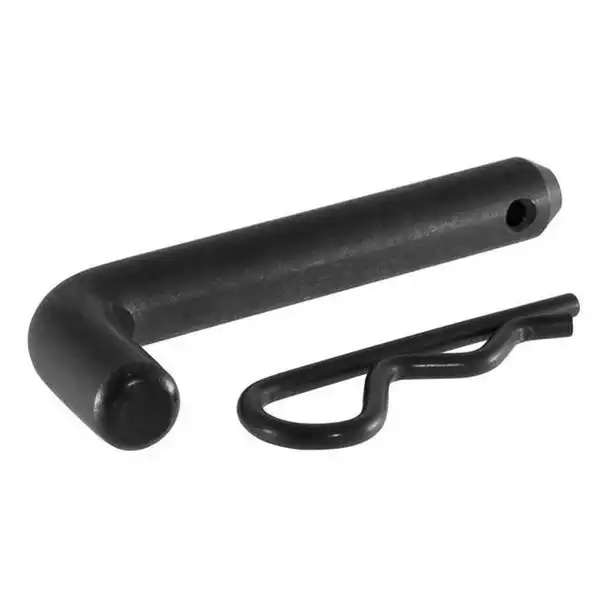
The part that locks the door is the latch mechanism. There are many types of latches, including A-frame latches, straight-tongue latches, and trigger-activated designs. When you close this latch over the hitch ball, it locks in place. It can't be opened because of a spring-loaded keeper, a threaded pin, or a built-in locking bolt. A secondary safety feature that is very important is the trailer coupler pin. It threads through the latch assembly and stops it from opening by accident during transport when there is vibration or impact.
How the Coupling Process Creates Secure Connections
The coupling process begins when the trailer tongue is moved so that the open coupler socket lines up directly over the hitch ball. There are two ways to lower the trailer: by hand with a jack or automatically with actuators. This moves the ball into the socket. Now, the operator lets go of the latch. The spring tension or gravity draw the socket closed around the ball's sphere-shaped surface. It's engaged correctly when the ball's bearing surfaces touch another metal surface. This spreads the pulling force across the hardened steel surface.
It's necessary to press a locking mechanism when the latch is closed so that it doesn't open by accident. You may need to tighten a threaded bolt, put a coupler pin through holes that have already been drilled in the latch assembly, or put a spring-loaded keeper in place so that it locks. Geometric locking is what makes this system work better mechanically. The upward force of the ball keeps the latch closed when the load is standing up. When the wheel turns, horizontal forces try to open the latch but instead spread shear loads across the ball's surface.
Primary Coupler Types and Material Considerations
A lot of people use ball hitch couplers as their tow hitch because they are simple to use and can connect to many types of trailers. The round hitch balls that come with these units fit into a socket that lets them move in any direction. When used for heavy duty tasks, pintle hooks last longer because they have a horn-and-ring design that keeps the connection strong even when moving at very high angles, which is common off-road or in farming.
Instead of welding the connections together, flange mount couplers spread the weight over a bigger area because they attach directly to the trailer frame through holes that have already been drilled. Couplers with drop legs have an extended shank that lowers the attachment point to account for the fact that the tow vehicle and trailer are not all the same height. What you use for something has a big impact on how well it works. The most durable and least expensive choice is steel couplers, but they need to be coated to keep them from rusting. Aluminum units are about 40% lighter than steel units, but they are still strong enough for light-duty uses. Each unit costs more, though. A cheap way to protect steel against corrosion in moderately harsh environments is to coat it with zinc. Stainless steel, on the other hand, costs more but lasts longer in harsh chemical or marine environments.

Trailer Coupler Types and Their Functional Differences
Structural Distinctions Between Ball Hitches and Couplers
Couplers and ball hitches are two different parts of the tow interface, even though people use them the same way all the time. The receive tube of the tow vehicle is connected to the ball hitch. It has a shank, a platform, and a ball in the shape of a sphere. The coupler is built into the tongue of the trailer and has a socket that fits over the ball. When you buy something, this difference is very important because the ball diameter, shank length, and trailer coupler socket specifications must all be the same for it to work.
This separation of parts has different benefits depending on the use. Ball hitches make it easy to switch between vehicles quickly by letting you swap out the receiver-mounted assemblies. Couplers, on the other hand, can be changed or upgraded without affecting the trailer's main structure. One problem is that the coupler and ball have to be the exact same height. When the coupler and ball are level, if the ball is too high or too low compared to the coupler, the load angles will be off. This could cause the connection to break. When procurement teams know about this geometric relationship, they can choose the right parts and avoid mistakes that cost a lot of money and put people's safety at risk.
Material Performance in Different Operating Environments
Its steel construction makes it very strong against tensile stress and impact, making it ideal for heavy-duty uses where the gross trailer weight is over 10,000 pounds. Forged steel couplers are less likely to wear out than cast ones because their grain structures match their stress patterns. When water, road salt, or industrial chemicals touch steel that isn't protected, it rusts quickly. To put it another way, it needs to be powder coated, galvanized, or regularly maintained.
The tongue is lighter because it is made of aluminum alloys. This saves gas on long trips and makes it easier to move around by hand during hookup. The oxide layer on the material itself keeps it from rusting, so it doesn't need any extra coatings. However, aluminum has a lower ultimate tensile strength than steel. This means that it can only be used in places where 7,500 pounds is the most weight that can be supported. When teams go shopping, they have to think about whether lighter items are better because they are easier to carry or not. You should also let them know that aluminum costs more, but it lasts longer in harsh conditions, which can make up for the extra cost.
Specialized Couplers for Heavy-Duty and Variable Applications
Heavy-duty couplers are made for trailers that weigh more than 14,000 pounds. They have stronger socket geometries, thicker wall sections, and latch parts that have been hardened to handle high stress levels. Most of the time, these units have channels that can be changed to fit hitch balls of different sizes. This gives them the freedom to work with a variety of fleets. Each unit costs 40 to 60 percent more than standard-duty ones because it is made with more material and more precise machining. When a broken-down trailer costs a lot of money or puts people in danger, this is an investment that is worth making.
On the other hand, light-duty couplers for utility trailers that weigh less than 3,500 pounds are made to be cheap and easy to use. This type of design usually has easier latch mechanisms with fewer parts. This makes it cheaper to make and easier to fix in the field. Even though these units work well enough for their intended purpose, they are not safe enough for business use and are not made of materials that will last. Those who work in procurement should resist the urge to buy cheaper parts that aren't exactly what need to be bought. If something breaks or something goes wrong, fixing it will cost a lot more than the money you saved by buying parts.
How to Ensure Safe and Effective Use of Trailer Couplers?
Proper Attachment Techniques and Verification Procedures
There should be no dirt or other things on either the trailer coupler or the hitch ball. They should also be the right size for each other. Parts that don't fit together properly, like a 2-inch coupler on a 2-5/16-inch ball, leave gaps that let too much movement happen and wear out faster. It's important to make sure the connection stays in place after putting the coupler over the ball and locking it in place. Before the trailer is used, this simple check finds any latches that aren't fully engaged.
If the main coupler fails, the safety chain provides an alternative path for the load. Rules from the Department of Transportation say that trailers that weigh more than 3,000 pounds gross must do this. In an X shape, these chains must go under the tongue of the trailer. The tongue won't fall to the ground if something goes wrong because of this cushion. It's best to put the chain attachment points as close to the coupler as the structure will allow and make sure they can handle the trailer's gross weight. When you hitch up the trailer and the hitch, this will lessen the pendulum effects.
Locking Mechanisms and Failure Detection
These days, trailer coupler pins go through the latch assembly and are held in place by cotter pins, threaded nuts, or spring-loaded detents. This extra bolt keeps the latch from opening when the vehicle is moving over rough terrain. This is known as latch bounce, and every year it leads to thousands of trailers coming apart. In industrial settings, coupler pins should be standard equipment, and checking the pins should be part of the pre-trip inspection process. Units with built-in locks are less likely to be stolen, which is helpful for trailers that are kept in yards that aren't locked up or on job sites that are far away.
You need to do a systematic inspection that focuses on stress points to find wear and possible failure. See if the ball socket has cracks that are spreading from the holes for the bolts or if it has grown longer. Also, check to see if the latch mechanism is bent. You can tell right away that the bearing surfaces need to be changed if the ball and socket have too much play. To see this, rock the coupled connection by hand. If you see cracks in the welds or the coupler body itself, it needs to be taken out of service right away because it is about to fail catastrophically. Making inspection times based on hours of use instead of calendar days makes sure that maintenance matches how things really wear down. In this way, fleets that get a lot of use don't break down too soon.
Installation and Adjustment Best Practices
When you attach a coupler to the tongue of the trailer, you should think about how the weight is distributed and how strong the structure is. When installing a bolted flange, grade 8 fasteners should be used. These should be torqued to the manufacturer's specifications and have lock washers on them so they don't come loose when the system shakes. On welded installations, only certified welders can do full-penetration welds. This is because incomplete fusion makes stress risers that spread cracks. If you don't want the trailer to side-load when you turn, the centerline of the coupler needs to be perfectly lined up with the trailer's longitudinal axis. This keeps the trailer stable while you're towing and helps the coupler last longer.
By changing the trailer's height, you can make sure it rides level when it's hitched up. This keeps the right tire contact patches and distributes the tongue weight evenly. It's helpful for fleets that use a variety of vehicle types to have couplers that can be moved up and down to fit different tow vehicle heights. For the trailer to be ready for use again, tighten all the screws and make sure it is still aligned after making any changes. These steps may seem like a lot of work, but they directly stop the safety incidents and equipment failures that slow down operations and get you in trouble with the law.

Choosing the Right Trailer Coupler for Your Business Needs
Selection Criteria for Industrial Applications
The load capacity of a trailer is the most important thing to think about when picking one out. This is based on the gross vehicle weight rating, not the weight of the trailer when it is fully loaded. Most safety factors are between 1.5 and 2.0. A trailer coupler that can hold 15,000 to 20,000 pounds should be used with a trailer that can hold 10,000 pounds. Dynamic loading, such as going faster, slower, or over rough terrain, is taken into account by this margin. Forces that are much stronger than static weight are made by dynamic loading.
Experts look at how something was made, what materials were used, and whether the company that made it has quality certifications to decide how long it will last. Cast parts don't hold up as well against fatigue as forged parts do, which is important for high-cycle uses. Not only do the sizes match, but different types of safety chains, brake controllers, and trailer connector systems can also be used with each other. Businesses that manage a variety of trailers can save time and money by standardizing on couplers that can fit a variety of ball sizes. This makes inventory management and fleet management easier.
Industry Brand Considerations and Support Services
There are a lot of dealers and support systems for the aftermarket for well-known brands like Lippert, Reese, Bulldog, and CURT. Most of their warranty programs cover flaws in both the material and the work for three to five years. This way, customers can get their money back if their products break down too quickly. You need to be good at customer service if you get technical questions during installation or troubleshooting. Manufacturers who can help with engineering are more valuable than those who only sell things.
When you have specific needs that can't be met by standard catalog items, custom fabrication is the best way to go. This is something that RUIRUI does very well: we design trailer parts that are perfect for every job. Because we are very good at laser cutting, CNC machining, stamping, and welding, we can make couplers out of a lot of different materials, shapes, and sizes. ISO 9001, ISO 14001, and OHSAS 18001 have all approved our quality management systems. This means that all of our parts, whether they are custom or standard, are made to the same high standards. We can work with procurement teams that want to work with suppliers who understand industrial needs as a strategic partner because we can make things in different ways and have certified quality control.
Conclusion
Businesses that buy things from other businesses can make better decisions about safety, lower costs, and better fleet performance if they know how trailer couplers work. Rules for specifications, maintenance, and ways to judge suppliers are all based on the mechanical principles that control these key parts. There are many technical things that can be done to make things more reliable and lower the risk of liability. These include picking the right materials and load ratings, as well as how often to check them and when to replace them. Things that are used in factories need parts that are built to last, come from companies with good quality control systems, and have quick technical support. You can buy couplers with confidence after reading this guide. It also tells you how to set up best practices for maintenance and how to build relationships with suppliers that will support long-term operational excellence.
FAQ
How often should trailer couplers be inspected to ensure safety?
Every day, before each use, the locking mechanisms are looked at to make sure they work right and there is no damage that can be seen. A full checkup should be done once a month to see how well the coating is holding up, measure wear, and check the torque of the fasteners. Inspections that are done once a year may include non-destructive testing to look for cracks below the surface. Fleets that see a lot of use and work in harsh conditions might want to have thorough checks every three months to find problems early on, before they get out of hand.
Can heavy-duty couplers be used on smaller trailers effectively?
It is possible to connect heavy-duty couplers to light-duty trailers without any issues. However, this costs money and adds weight. Putting light-duty couplers on heavy trailers can be dangerous because parts can break under loads that are too high for them to handle. If you want to be safe, you should match the coupler rating to the trailer's gross vehicle weight rating instead of the trailer's normal loaded weight.
What advantages do locking mechanisms provide beyond basic latches?
Latch bounce can happen because of vibrations and bumps in the road, which can cause the trailer coupler to come loose by accident. This can't happen because of locking systems. Also, when trailers are stored somewhere that isn't locked, they keep thieves away. In regulated areas, locking pins or built-in locks show that safety rules were followed during inspections. This lowers the risk of being sued and the amount of money that could be fined.

Partner with RUIRUI for Precision-Engineered Trailer Components
To make trailer coupler systems that work, you need to get their parts from companies that make them and know what the business needs. The people at RUIRUI Machinery have been making metal things for more than 15 years. We are very good at making custom trailer couplers, pins, fasteners, and other parts that are built to last. We can make things using advanced surface treatments like powder coating, plating, and anodizing, as well as progressive stamping, laser cutting, and CNC machining. For example, we make sure that all of our parts are strong enough, won't rust, and are the right size.
Infrastructure builders, security system integrators, and companies that make industrial equipment come to us when they need certified suppliers who can work with detailed engineering drawings and project specifications. Our quality management systems, which are ISO 9001-certified, keep track of everything, from the raw materials to the final check. This gives businesses that care about compliance the records and tracking they need. Our technical team works with your purchasing and engineering teams to get you the best parts at factory-direct prices, no matter if you need standard trailer coupler configurations or solutions that are specially designed for your needs. You can talk to experienced trailer coupler suppliers who care about the success of your business by emailing our team at kshdhardware@qdkshd.com.
References
- Society of Automotive Engineers. "SAE J684: Trailer Couplings and Hitches - Automotive Type." SAE International Standards, 2019.
- National Highway Traffic Safety Administration. "Federal Motor Vehicle Safety Standards: Trailer Hitch Systems and Connections." U.S. Department of Transportation, 2021.
- American Society for Testing and Materials. "ASTM A320: Standard Specification for Alloy-Steel and Stainless Steel Bolting for Low-Temperature Service." ASTM International, 2020.
- Trailer Industry Association. "Best Practices Guide for Trailer Coupling Systems Inspection and Maintenance." TIA Technical Publications, 2022.
- International Organization for Standardization. "ISO 1102: Mechanical Coupling Between Tractors and Semi-Trailers." ISO Standards Catalogue, 2018.
- Materials Engineering Research Laboratory. "Fatigue Performance of Forged versus Cast Steel Trailer Couplers Under Cyclic Loading Conditions." Journal of Materials Science and Manufacturing, Vol. 34, 2021.

Send Inquiry
Related Industry Knowledge
- Why High-Strength Trailer Ball Design Improves Towing Safety?
- China Trailer Parts Supplier: OEM, ODM & Custom Design Services
- How Industrial-Grade Hinges Support Extreme Weight Without Sagging?
- Why Do 500+ Installers Choose Our Universal AC Mounts?
- Are Black Zinc Receiver Pins Compatible with All Hitch Receivers?
- What are the Different Types of Latch Spring Pulls?
- What is retractable bollards?
- What are the uses of removable bollards?
- What materials are wire lock lynch pins made of?
- What Are the Different Types of Bollards?