
How to Adjust a Trailer Coupler?
When adjusting a trailer coupler, you need to pay close attention to the locking mechanism, the tension settings, and making sure the coupler is lined up correctly with the hitch ball. First, remove the coupler adjustment bolt. Next, move the coupler to the right height and angle for your hitch ball size. Finally, fix all of the parts according to the manufacturer's instructions. Correct adjustment guarantees a strong link, stops accidental separation, and keeps the load evenly distributed during transport operations.
Understanding Trailer Couplers and Their Functions
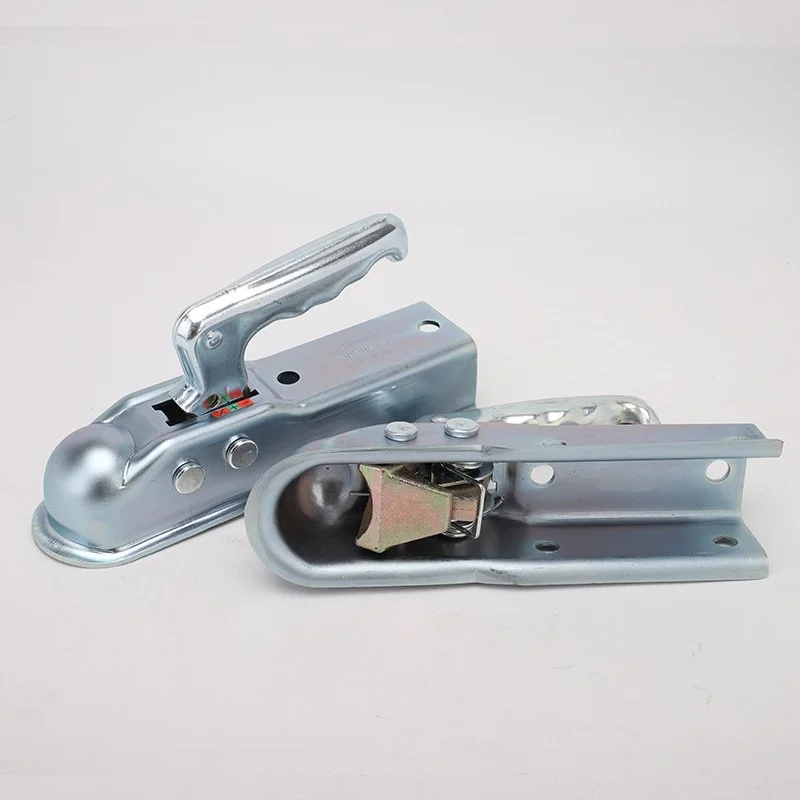
Trailer couplers are the most important mechanical link between pull vehicles and trailers. They are the main safety connection point and must be able to handle dynamic forces while the vehicle is moving. These parts come in a number of different configurations, and each one is designed for a different set of uses and load standards that procurement pros need to carefully consider.
Types of Trailer Coupler Systems
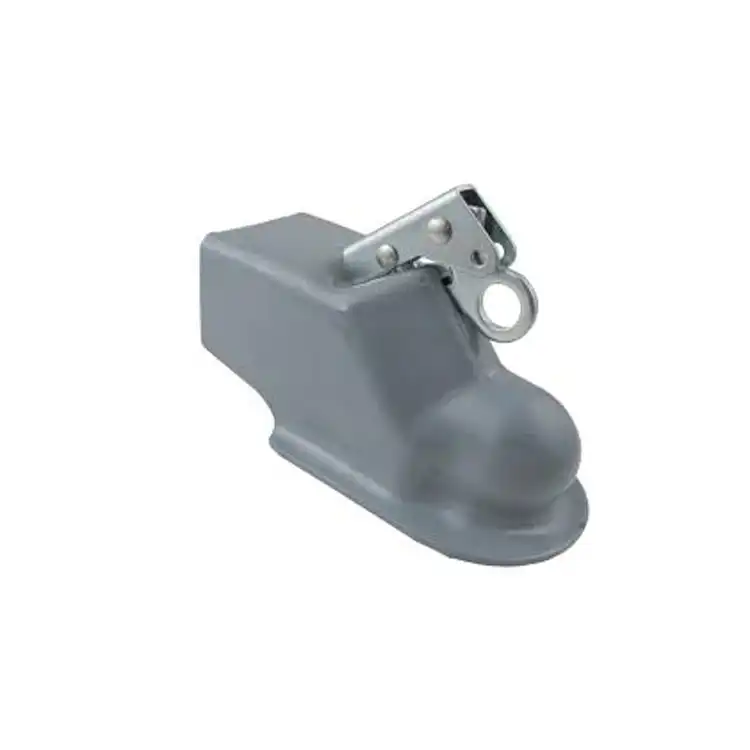
A-frame couplers represent the most common configuration in commercial applications, featuring a triangular mounting design that distributes stress across the trailer frame. Most of the time, these units have devices that can be adjusted to fit hitch balls with diameters ranging from 1-7/8 inches to 2-5/16 inches. While welded designs are stronger for heavy-duty uses, bolt-on versions are easier to service because maintenance teams can change old parts without having to weld them first.
Electric coupler systems integrate hydraulic or air actuators, which lets you control them from inside the car. These high-tech methods are especially useful when adding a lot of things at once, because hand coupling would slow things down. Manual systems use locking mechanisms that are operated by a lever and need to be operated by a person. These mechanisms are simple and reliable in a wide range of situations.
Critical Components and Weight Ratings
The locking device is what makes the coupler work. Usually, spring-loaded latches or cam-actuated systems that seal around the hitch ball are used. Tension levers let workers change the clamping force, which makes sure that the parts fit properly and keeps the touch areas from wearing down too quickly. It is very important for buying teams to understand weight grades because they set safe operating limits and make sure that regulations are followed.
To properly distribute weight, you need to think about more than just the total car weight number. You also need to think about tongue weight percentages, dynamic load factors, and external stress multipliers. Professional-grade couplers have wear signs and adjustment marks that help maintenance staff figure out how good a part is and make sure the settings are correct.
Diagnosing Issues: When and Why You Need to Adjust a Trailer Coupler?
Recognizing early warning signs of wrong trailer coupler adjustment can stop catastrophic breakdowns and keep fleet operations running as smoothly as possible. The people who work in procurement and maintenance need to know about these signs so they can set up preventative repair plans that keep both machinery and people safe.
Common Symptoms Requiring Attention
If the coupler and hitch ball move or play around a lot, it means that the contact surfaces are worn or that the tension settings are not right. This condition shows up as rattling sounds during transport, changes in the gap that can be seen from different angles, or obvious trailer sway that goes beyond what is normal. These kinds of signs usually show up over time, which is why regular inspections are so important for finding them early.
If the coupler is hard to engage or disengage, it could mean that there are mechanical problems in the latch assembly. These problems could be caused by not enough greasing, buildup of dirt, or component wear. These issues often happen at the same time that normal operations need more working forces, which can be bad for workers' health and pose safety risks during coupling processes.
Safety Risks and Regulatory Compliance
When business operations don't set their couplers properly, they could be held legally responsible for accidents involving trailer detachments that damage property, hurt people, or break rules. According to the Federal Motor Carrier Safety Administration, hitch connections must be done correctly and meet certain performance standards, such as load capacity rates and safety chain backup systems.
The consequences of coupler failure extend beyond instant safety worries. It can also have effects on insurance, lead to fines from the government, and hurt reputations that can affect long-term business relationships. B2B clients who are in charge of big fleets face higher risks because they are exposed to them more often. This is why systematic repair procedures are so important for operations.
Step-by-Step Guide: How to Adjust a Trailer Coupler?
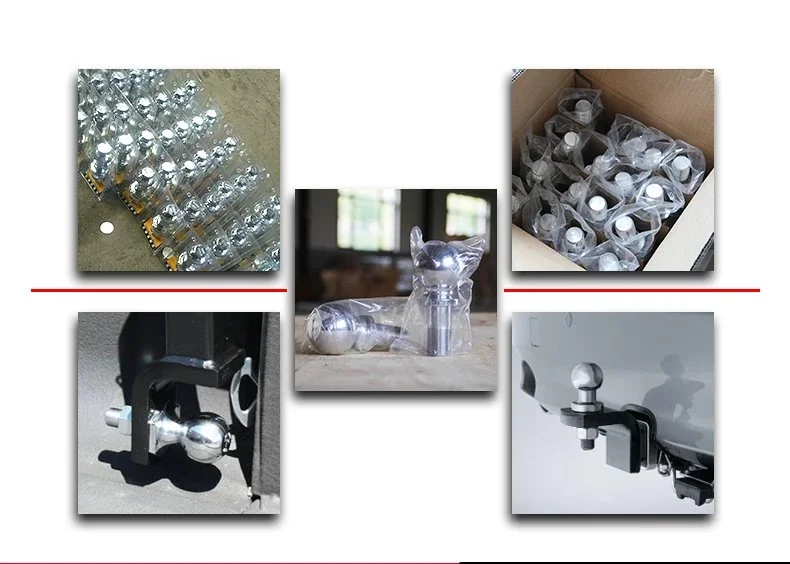
To properly fix a coupler, you need to follow a set of steps that will make sure it works right away and stays reliable for a long time. This thorough process includes safety rules, accurate measurements, and tests to make sure the work is done right, as required by professional upkeep standards.
Essential Tools and Safety Preparations
To adjust a coupler professionally, you need certain tools, such as adjustable wrenches that are the right size for the coupler's hardware, torque wrenches that can measure values stated by the maker, and safety gear like wheel chocks and personal protective equipment. Digital calipers or measurement tools help you check the hitch ball's size and the coupler's spacing with great accuracy, which keeps you from having to make adjustments in the future.
To start making safety plans, put the trailer on level ground and put the parking brakes on both the car pulling the trailer and the trailer itself. Wheel chocks give you extra safety while you're adjusting things, and good lighting makes sure you can see all the parts and measurement marks clearly.
Detailed Adjustment Procedures
Loosening the main adjustment bolt or mechanism, which is usually near the coupler throat or latch assembly, is the first step in the adjustment process for trailer coupler. This part controls the coupler cavity's internal size and has a direct effect on how tightly the unit grips the hitch ball. Gradual tightening keeps mechanical releases from happening all at once, which could damage parts inside.
By putting the coupler over the right hitch ball, you can check the fit and spacing conditions right now. For proper contact, the ball needs to be fully seated in the coupler hole while the latch mechanism is kept slightly tight. Too much tension stops proper interaction, while not enough tension leads to the play and moving problems we talked about earlier.
The steps for putting the coupler back together are the opposite of the steps for taking it apart, and they use the force specs given by the coupler's maker. These numbers make sure that the tightening force is just right without putting too much stress on threaded parts or warping important surfaces. Keeping track of torque settings and adjustment points helps with planning future repair and making sure the warranty is followed.
Post-Adjustment Verification Testing
Both static and dynamic tests are used in comprehensive testing to confirm that the change works. During the physical fit test, the coupler is engaged and disengaged several times while it is watched to make sure it works consistently and latches properly. Controlled stress tests with the right weights that mimic real-world situations without going over safe limits can be part of load-bearing verification.
Movement evaluation during low-speed movement helps find any leftover play or binding conditions that need to be fixed more. These tests should be done in controlled settings where any problems found can be fixed right away without putting people in danger or slowing down operations.
Maintenance Best Practices to Ensure Long-Term Coupler Performance
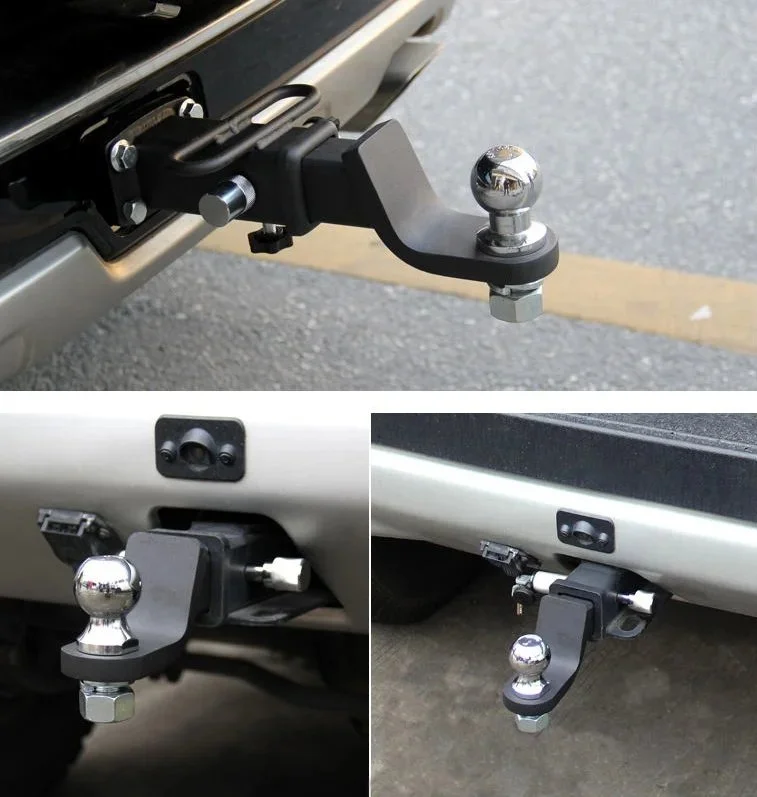
Routine repair plans make trailer couplers last longer and keep them working at their best, which is important for running a reliable business. Professional maintenance methods use preventative steps, condition tracking, and replacement criteria to cut down on unexpected downtime and the costs that come with it.
Routine Maintenance Tasks and Schedules
Cleaning methods get rid of built-up dirt, road salt, and other contaminants that speed up wear and damage and stop machines from working right. When high-pressure cleaning is paired with the right solvents, it gets rid of tough deposits and shows you what needs to be fixed on the surface. Cleaning plans should be based on how often something is used, how exposed it is to the environment, and what the maker recommends.
Different coupler designs and working situations have different lubrication needs. Usually, certain greases need to be applied to pivot points, threaded parts, and sliding surfaces. Marine-grade lubricants are better at resisting rust in seaside or high-humidity areas, while high-temperature formulas are better for uses that happen often or for long periods of time.
Wear Detection and Replacement Criteria
Early discovery of wear on a trailer coupler depends on carefully looking at the most worn areas, measuring the size of the part, and judging how well it works. A lot of professional-grade couplers have built-in wear indicators or measurement guides that make it easier to figure out what the state is and give you objective information to use when making repair choices.
Safety gaps and economic factors should both be taken into account when deciding what to replace. The cost of replacing something too soon should be weighed against the risks and costs of failures while it is still in use. When to change parts in a business fleet depends on when the parts are available, how they need to be installed, and when operations need to be scheduled.
Professional repair programs need to keep accurate records that show how adjustments were made, how much wear was done, and how well similar pieces of equipment were performing over time. This information helps guide planned maintenance and makes it easier to choose the right parts for different jobs and working situations.
Choosing the Right Trailer Coupler for Your Business Needs
It's important to think about working needs, weather conditions, and integration factors that affect long-term performance and cost-effectiveness when choosing the right coupler systems. Professionals in procurement have to balance instant functional needs with long-term factors like the need for upkeep, operator training, and the benefits of standardizing the fleet.
Material and Design Considerations
Heavy-duty uses benefit from steel construction's greater strength and longevity, while aluminum alternatives offer weight savings and better corrosion protection for specific needs. Surface treatments like galvanizing, powder coating, and specialty platings make things last longer in harsh settings while still meeting important aesthetic standards for businesses that deal with customers.
Choosing between manual and electric actuation depends on how often the system needs to be used, how comfortable the user needs to be, and how well it needs to work with other tools. Electric systems are more efficient and less tiring for operators in high-volume situations, which makes up for their higher starting costs. On the other hand, manual systems are easier to use and more reliable in a wide range of situations.
Procurement Factors and Supplier Evaluation
Manufacturer quality, on-time delivery, and expert support are all parts of a supplier's dependability that affect both the success of the original purchase and the long-term happiness of operations. The terms of the warranty should be based on realistic operating standards and offer enough protection against premature failures or flaws in the manufacturing process.
Price competition needs a full study of all costs, such as the cost of acquisition, the cost of installation, the cost of upkeep, and the expected service life. Opportunities to buy in bulk can save a lot of money for businesses with a lot of vehicles, and they can also make sure that parts are always available and service is consistent across all of their sites.
Customization features let you make solutions that fit your specific business needs or work with the systems you already have. Engineering help during the creation of specifications and planning for installation adds value that goes beyond price when choosing a source.
Conclusion
Proper trailer coupler adjustment represents a critical maintenance discipline that directly impacts fleet safety, operational reliability, and cost management for B2B operations. The systematic approaches outlined in this guide enable procurement professionals and maintenance teams to implement effective protocols that prevent failures while optimizing component performance. Understanding coupler functionality, recognizing adjustment requirements, and following professional maintenance practices creates the foundation for successful long-term operations. Regular attention to these mechanical systems protects both equipment investments and operational reputation while ensuring compliance with safety standards that govern commercial transportation activities.
FAQ
How often should trailer couplers be adjusted?
How often adjustments are made depends on how often they are used and how the machine is being used, but for most business uses, monthly checks and tweaks as needed are enough upkeep. Fleets that get a lot of use may need to be serviced more often, while seasonal activities can often make the time between big service events longer.
Can coupler adjustments be performed in-house or require professional service?
Most basic changes can be made by trained repair staff using the right tools and following the manufacturer's instructions. Professional service may be needed for complicated fixes or major component replacements to make sure the job is done right and the guarantee is honored.
What safety checks are essential after coupler adjustment?
Before putting the equipment back into service, it should be checked for proper engagement and mechanical function after the adjustments have been made. This should include checking the fit, operating cycling, torque, and low-speed movement.
Partner with RUIRUI for Superior Trailer Coupler Solutions
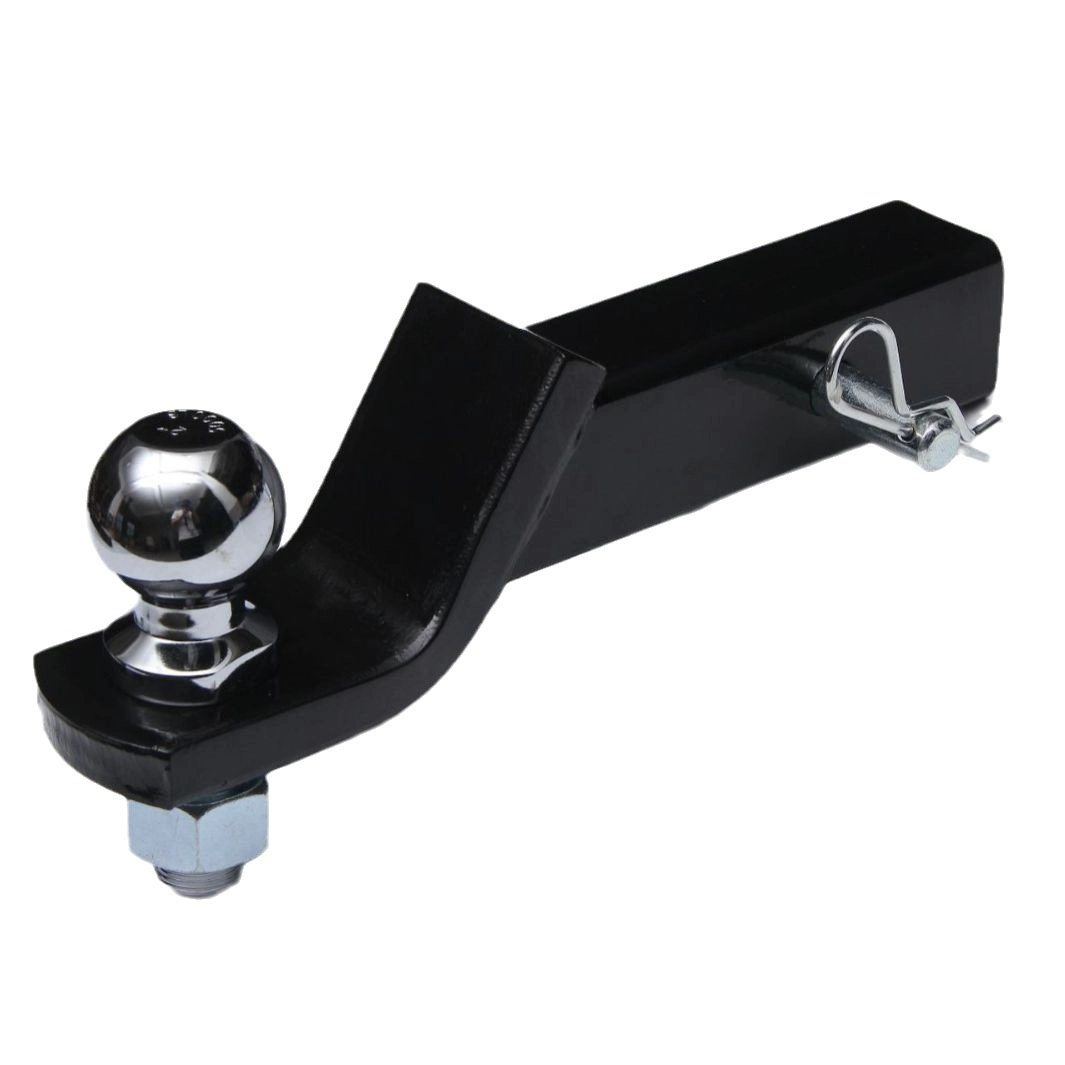
RUIRUI Machinery makes trailer coupling parts that are precisely designed to meet the strict needs of business and industrial settings. Our advanced production techniques, such as CNC machining, laser cutting, and progressive stamping, allow us to make trailer coupler assemblies that are more durable and work better than the norm in the industry. As a maker of trailer couplers with a lot of experience, we know how important these parts are for truck operations and safety rules.
Our full range of customization services lets you get solutions that are specifically designed to meet your business's needs while still being cost-effective for big purchases. With ISO 9001 certification and more than 15 years of experience making things, RUIRUI gives B2B procurement workers the quality guarantee and technical help they need. Get in touch with our engineering team at kshdhardware@qdkshd.com to talk about your trailer coupler requirements and find out how our creative production solutions can improve the reliability and overall efficiency of your fleet.
References
Federal Motor Carrier Safety Administration. "Commercial Vehicle Safety Standards for Trailer Coupling Systems." U.S. Department of Transportation, 2023.
Society of Automotive Engineers. "SAE J684 Standard - Trailer Couplers and Hitches - Automotive Type." SAE International Standards, 2022.
American Trucking Associations. "Fleet Maintenance Best Practices for Commercial Trailer Systems." Transportation Research Board, 2023.
International Organization for Standardization. "ISO 11555 - Road Vehicles - Commercial Vehicle Trailer Coupling Requirements." ISO Technical Standards, 2022.
National Highway Traffic Safety Administration. "Analysis of Trailer Coupling System Failures in Commercial Transportation." NHTSA Technical Report Series, 2023.
Commercial Vehicle Safety Alliance. "Inspection Guidelines for Trailer Coupling and Connection Systems." CVSA Operations Manual, 2023.

Send Inquiry
Related Industry Knowledge
- Introduction To Sheet Metal Processes
- Which type of hitch tightens around the load?
- Quick-Install Hitch Tightener: Small Tool, Big Impact on Towing Performance
- What is a hitch locking pin?
- What Are the Advantages of Choosing a Factory-Direct Towing Eye Automotive Connector Supplier?
- How to read profile tolerances on a sheet metal part?
- What Are the Benefits of Using a Trailer Jack Foot?
- How Do I Install a Trailer Jack Stand Foot?
- What is a hitch tightener?
- Can Zinc Plating O Shape Pins be customized?