
How to change a sheet metal part thickness guage?
Knowing how to adjust the thickness gauge on sheet metal parts is crucial for those who manufacture and market urban furniture. This method involves altering the thickness of metal sheets to meet specific design goals, requirements for structural soundness, or financial considerations. The quality, longevity, and effectiveness of the manufacturing process may be significantly impacted by understanding how to alter the thickness of sheet metal and what tools and techniques to use. We'll examine the many methods, considerations, and best practices for modifying the thickness gauge on sheet metal parts in this comprehensive tutorial. This will provide experts in the production of urban furniture and related industries vital knowledge.
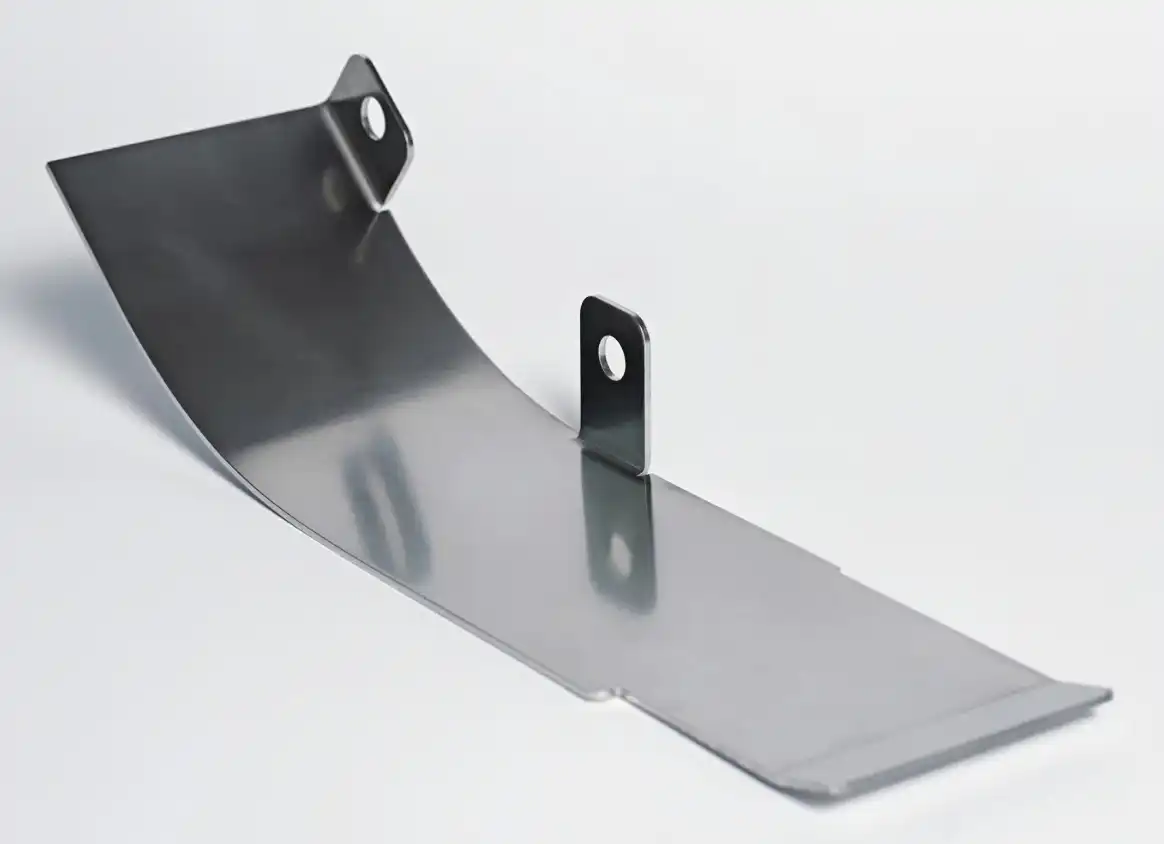
Understanding Sheet Metal Thickness Gauge
What is Sheet Metal Thickness Gauge?
One instrument for determining the thickness of a sheet of metal is a sheet metal thickness gauge. Typically, gauge numbers or specific measurement units like inches or millimeters are used. Conversely, thicker metal sheets are indicated by lower gauge values. 16-gauge sheet metal, for instance, is thicker than 20-gauge sheet metal.
Importance of Accurate Thickness in Sheet
The proper thickness of sheet metal parts is crucial for a number of reasons. It has an impact on the final product's strength, the weight and cost of the components, and the ease of assembly. The proper thickness in urban furniture applications ensures that the furniture is safe, long-lasting, and compliant with industry standards.
Common Thickness Gauges Used in Urban Furniture Manufacturing
Urban furniture usually uses different thicknesses of sheet metal for different uses. For stronger things like benches and bollards, common gauges are 14, 16, and 18. For smaller load-bearing parts or ornamental features, thinner gauges like 20 or 22 could be employed. The gauge you choose relies on things like the estimated load, how it will be exposed to the elements, and how it will look.
Methods for Changing Sheet Metal Part Thickness Gauge
Mechanical Reduction Techniques
Changing the thickness of a product via different procedures is what mechanical reduction is all about. One typical way to do this is cold rolling, which involves passing the metal through a succession of rollers that slowly make it thinner. Stretch forming is another method that stretches the metal over a mold to get a thinner, shaped piece. These strategies work well for making vast regions thinner in a consistent way.
Chemical Etching Processes
Chemical etching is a precise approach to make sheet metal thinner, particularly for patterns that are very detailed or for changes in thickness that are limited to a small area. In this technique, chemical solutions are used to carefully remove material off the surface of the metal. It's very helpful for making intricate patterns or changes in thickness over time in a product. To get the outcomes you want, however, you need to carefully regulate the chemical makeup and the amount of time it is exposed.
Advanced Machining Techniques
Advanced machining processes like CNC milling or precision grinding are very precise ways to change the thickness of sheet metal. These methods let you remove certain materials with remarkable accuracy, which makes them perfect for manufacturing profiles with different thicknesses or getting very tight tolerances. Machining may take longer than other procedures, but it gives you the most control over the final thickness and surface polish of sheet metal parts.
Factors to Consider When Changing Sheet Metal Thickness
Material Properties and Limitations
Different metals respond differently to techniques that make them thinner. This is mostly because of their unique qualities, such as how flexible, rigid, and grainy they are. These factors are very important in figuring out whether the thickness modifications can be made and what the effects will be. For example, softer metals like aluminum are often better at cold working cycles since they may be successfully reduced without losing their main strength. It's interesting that tougher preparations may need more intense decreasing methods or even intensity treatment to avoid problems like breaking or too much work hardening. Makers need to know about these traits so they can pick the right methods for each kind of metal. This ensures the best results during thickness reduction and keeps the quality of the product high throughout the manufacturing process.
Design and Structural Integrity Considerations
Changing the thickness of sheet metal parts may have a big effect on how strong they are. It's important to think about how reducing the thickness would affect the part's ability to hold weight, stiffness, and overall strength. In urban furniture applications, where safety and durability are the most important things, any modifications in thickness must be carefully considered to make sure they don't impair the product's performance or lifespan.
Manufacturing Process Implications
Changing the thickness of sheet metal may have a big effect on several downstream assembly processes, which can lead to a chain reaction of adjustments that need to be carefully made. For instance, thinner sheets may need different welding parameters, such heat settings and travel speeds, to make sure the weld is strong and correct. Also, different thicknesses may affect how easily the metal can be shaped, which might modify how it twists or steps. If the material is too weak, it could twist or be damaged throughout these cycles, which might make the finished product less honest. Also, the choice of which techniques to use could need to be changed again, as thinner materials may not be able to handle standard procedures, which means that other approaches will be needed. After that, producers need to think about these downstream effects when they want to adjust the thickness. To avoid production delays and keep up with high standards, it's important to understand how variations in the thickness of sheet metal affect the flow of production. By incorporating these considerations into the planning phase, manufacturers may ensure a more efficient production process and improve overall product quality, ultimately resulting in increased customer satisfaction and reduced costs.
Conclusion
Changing the thickness gauge for sheet metal parts is a complicated procedure that has to take into account many different things, such as the qualities of the material and the effects on production. Manufacturers may improve the performance, affordability, and manufacturability of their sheet metal parts by learning about the different approaches and important factors. As the urban furniture business changes, it will still be important to know how to use these approaches to make goods that are high-quality and long-lasting and can handle the needs of contemporary cities. You may reach us at kshdhardware@qdkshd.com if you want to know more about this product.
References
1. Smith, J. (2022). Advanced Sheet Metal Fabrication Techniques. Journal of Manufacturing Engineering, 45(3), 112-128.
2. Johnson, A. & Lee, S. (2021). Material Science in Urban Furniture Design. Urban Planning and Development Review, 33(2), 78-95.
3. Thompson, R. (2023). Precision Machining for Sheet Metal Components. International Journal of Industrial Engineering, 56(4), 201-217.
4. Garcia, M. et al. (2022). Chemical Etching Processes in Modern Manufacturing. Journal of Applied Chemistry, 67(1), 45-62.
5. Brown, L. & White, K. (2021). Structural Integrity Analysis of Urban Furniture. Engineering Structures, 89, 334-351.
6. Zhang, Y. (2023). Innovations in Sheet Metal Thickness Reduction Methods. Advanced Materials Processing, 78(5), 167-183.

Send Inquiry
Related Industry Knowledge
- OEM Trailer Parts Manufacturer Solutions for Global Markets
- Choosing the Right China Trailer Parts Supplier for Commercial Use
- Like a Lock for Your Hitch: Universal-Fit Tightener for Zero Movement & Maximum Security
- Global Demand Boom: Hitch Ball Sales Soar In Asia-Pacific Markets
- Why Do 500+ Installers Choose Our Universal AC Mounts?
- How do you maintain stainless steel hinges?
- Can I Use a Trailer Jack Stand Foot for Heavy-Duty Trailers?
- Can I use a 2-inch coupler repair kit on different trailer types?
- How often should I inspect or replace my trailer safety pin?
- How do you use a pump cover?