
How to make a sheet metal box with ip rating?
It is essential for both manufacturers and do-it-yourselfers to be able to construct a sheet metal box with an IP (Ingress Protection) classification. This approach combines careful consideration of environmental protection regulations with accurate metalworking. We'll go over the nuances of building a sheet metal box that satisfies certain IP classifications in this in-depth video, making sure your enclosure can survive a variety of environmental problems. From choosing the appropriate materials to using the correct sealing procedures, every step of this tedious procedure will be explained. This article will provide you important information on building sturdy and dependable sheet metal enclosures, whether you're a professional trying to improve your abilities or a hobbyist excited to start a new project.
Understanding Sheet Metal Boxes and IP Ratings
What is a Sheet Metal Box?
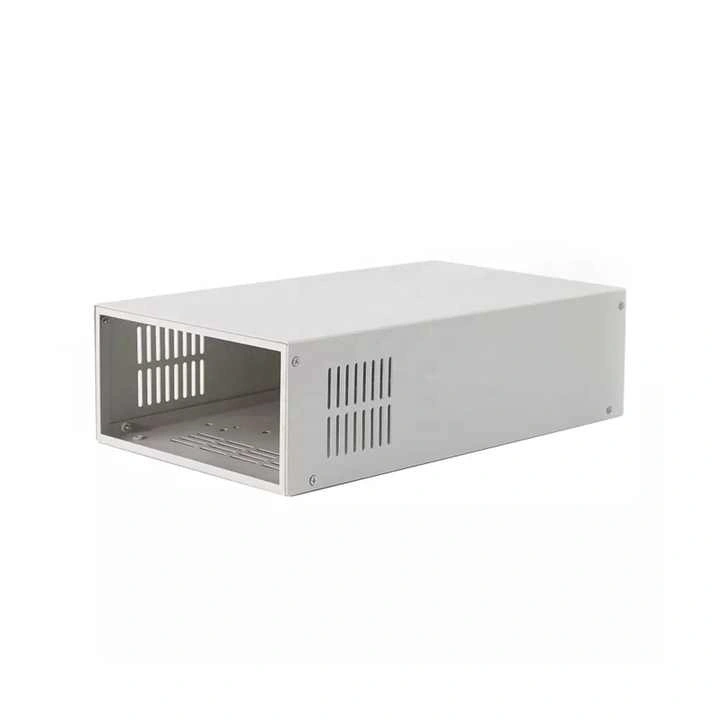
A sheet metal box is a multipurpose container made of thin, flat metal. These boxes are often used in a variety of sectors to store mechanical, electrical, or other components. Cutting, bending, and attaching metal sheets to create a strong, useful container is the process of making a sheet metal box. Depending on the intended usage, several metal thicknesses may be utilized. Common materials include stainless steel, aluminum, and galvanized steel.
Importance of IP Ratings
Established measurements known as Ingress Protection ratings, or IP ratings, demonstrate how effectively an enclosure guards against liquids and solid objects. The rating consists of two numbers: protection from liquids is represented by the second number, and protection from solid objects by the first. For instance, an IP65 certification means that the enclosure is dust-tight and resistant to water jets. Understanding IP ratings is crucial when making sheet metal boxes for certain environments or applications.
Selecting the Right Materials
The key to getting the correct IP rating for your product is selecting the right material. Weight, durability, and corrosion resistance are factors to take into account. For instance, stainless steel is perfect for severe settings and has outstanding corrosion resistance. Conversely, aluminum offers a nice mix of strength and light weight. The intended application of the box and the particular IP rating criteria should also be considered during the material selection process.
Design and Planning of the Sheet Metal Box
Creating a Detailed Blueprint
Making a thorough layout for your sheet metal box is crucial before manufacture starts. Precise dimensions, cut lines, bend positions, and any required holes or cuts should all be included in this layout. Using computer-aided design (CAD) software may help you picture the finished product and significantly improve the correctness of your design. When creating your blueprint, take into account elements like the size of the box, the location of interior components, and access points.
Determining the IP Rating Requirements
Determine the required IP rating by evaluating the environment in which the sheet metal box will be utilized. Take into account elements like exposure to water, dust, and other possible pollutants. A higher IP rating could be necessary for outdoor applications in order to provide protection from dust and rain. Protection from metal shavings or oil spills may be necessary in indoor industrial environments. You may adjust your design and production process by precisely outlining the IP rating requirements.
Planning for Sealing and Gaskets
Gasket selection and sealing techniques must be carefully considered in order to get the required IP rating. To guarantee a tight seal between the box and its lid or access panels, include gasket grooves or channels into your design. Select gasket materials that can last the desired environment and are suitable with your sheet metal. Common gasket materials include silicone, neoprene, and EPDM, each of which has unique qualities in terms of chemical compatibility, temperature resistance, and compression set.
Fabrication Process of the Sheet Metal Box
Cutting and Shaping the Metal
Cutting the sheet metal to the necessary dimensions is the first step in the production process. There are many ways to do this, such as laser cutting, water jet cutting, or conventional shearing methods. To make sure everything fits together perfectly, precision is essential. Press brakes or bending machines are used to form the metal sheets after they have been cut. In order to preserve the metal's integrity and produce the required form, this phase requires close attention to bend radii and tolerances.
Welding and Joining Techniques
A crucial step in obtaining the required IP rating is joining the sheet metal box's cut and formed components. The best technique for producing a robust, waterproof seal is often welding. TIG (Tungsten Inert Gas) welding produces accurate, superior welds and is especially useful for thin sheet metal. Use fastened connections with suitable sealing techniques for boxes that need to be disassembled. To preserve the integrity of the IP rating, make sure all seams are correctly sealed, regardless of the joining method.
Implementing Sealing Solutions
To get the necessary IP rating, effective sealing methods must be used. This might include applying liquid gaskets, inserting pre-formed gaskets, or using specialized sealing compounds. The corners and edges of the box where different parts connect should get special attention. Make sure the sealing system in boxes with removable doors or panels is strong and long-lasting. Consider utilizing bolts or compression latches to impart continuous pressure on gaskets in order to guarantee a tight seal.
Testing and Verification of IP Rating
Conducting IP Rating Tests
It is crucial to carry out extensive testing to confirm the sheet metal box's IP rating once it has been manufactured. This usually entails putting the box through standardized testing that mimic different environmental circumstances. Tests may include exposure to dust particles of certain sizes in order to guard against solids. Depending on the targeted IP rating, water protection testing might vary from mild sprays to complete submersion. To guarantee accurate and trustworthy findings, it is essential to adhere to standardized testing standards.
Addressing Potential Weak Points
Keep a watchful eye out for any possible weak places in the sheet metal box's design throughout the testing process. These might be the vicinity of mounting points, seams, or cable entrances. Review the design and make the required adjustments if any problems are found. This might include strengthening certain regions, repositioning the gasket, or changing the sealing technique. To consistently get the intended IP rating, iterative testing and improvement are often required.
Documentation and Certification
Accurate documentation of the testing process and results is crucial, especially if the sheet metal box is intended for commercial use. Keep detailed records of the components, production methods, and testing procedures. To verify the IP rating, consider obtaining official certification from a respectable testing center if needed. This documentation not only shows how the box works, but it also provides crucial information for any future improvements or modifications.
Conclusion
It takes careful planning, exact execution, and extensive testing to create a sheet metal box with a certain IP rating. You may build sturdy, weather-resistant enclosures that are appropriate for a variety of uses by following the instructions in this handbook. Recall that obtaining the required IP rating is essential to guaranteeing the durability and dependability of your sheet metal boxes in a variety of settings. If you want to get more information about this product, you can contact us at kshdhardware@qdkshd.com.
References
1. "Sheet Metal Fabrication Techniques: A Comprehensive Guide" by John Smith, Manufacturing Today, 2022.
2. "Understanding IP Ratings for Industrial Enclosures" by Sarah Johnson, Electrical Engineering Journal, 2021.
3. "Advanced Welding Methods for Sheet Metal Boxes" by Michael Brown, Welding Technology Review, 2023.
4. "Gasket Selection and Application in IP-Rated Enclosures" by Emily Davis, Materials Science Quarterly, 2022.
5. "Testing Procedures for IP Rating Verification" by David Lee, Quality Assurance in Manufacturing, 2023.
6. "Design Considerations for Weather-Resistant Sheet Metal Enclosures" by Laura Wilson, Industrial Design Magazine, 2021.

Send Inquiry
Related Industry Knowledge
- Best OEM Trailer Ball Coupler Pin Set Supplier for Custom Solutions
- How Can Our Premium Anchoring System for Portable Winch Boost Your Operational Efficiency?
- How Can OEM and ODM Customization of Adjustable Tow Arm Adapters Meet Your Unique Needs?
- How Do Carbon Steel Forged Automobile Brake Pads Improve Braking Performance in Extreme Conditions?
- How can I maintain my spare tire lock to ensure it functions properly?
- What are Sheet Metal Cases used for?
- How Do I Install a Trailer Jack Stand Foot?
- How do I install a 2-inch coupler repair kit?
- What is the weight capacity of a 2-inch coupler repair kit?
- Can I use any pin as a trailer safety pin?