
OEM Custom U-Bolts: What Buyers Should Verify Before Ordering
Buyers face a significant challenge when looking for OEM custom u-bolt options for industrial applications: making sure that every standard matches exactly what is needed for the job. A custom u-bolt isn't just a regular fastener that's been bent to fit; it's an engineered part that's made to fit specific load requirements, weather exposures, and fitting limitations. Before committing to large orders, procurement teams working on infrastructure projects, heavy machinery assembly, or automobile suspension systems need to make sure they know about material grades, dimensional tolerances, coating durability, and seller certifications.
By making the right choices with a properly specified custom u-bolt, you can avoid expensive mistakes in the field, cut down on downtime, and build a base for long-term manufacturing relationships. This guide shows you the important steps you need to take to make sure your investment and project are safe.
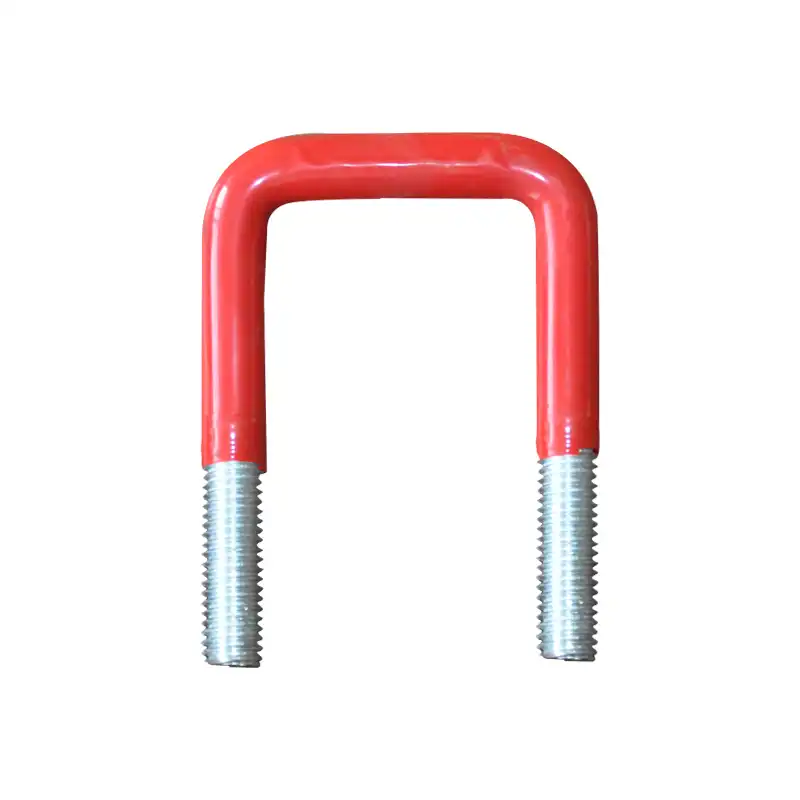
Understanding Custom U-Bolts: Essential Knowledge Buyers Need
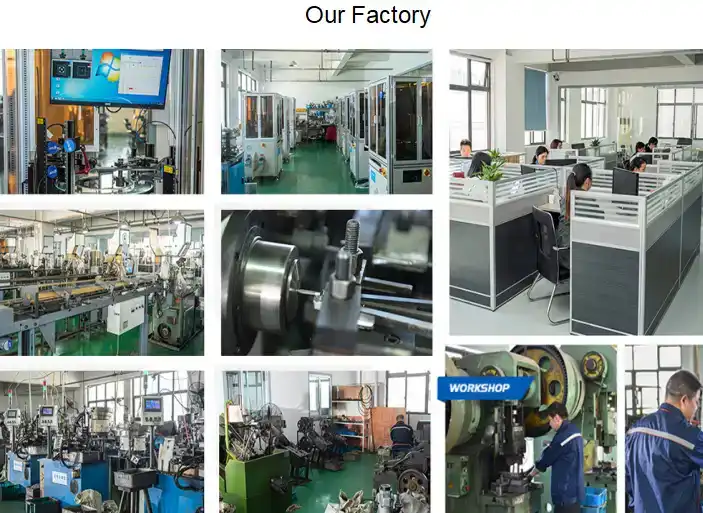
It is possible to get custom u-bolt fasteners that are precisely made to meet specific industry needs that standard parts can't meet. Unlike general hardware, these specialized screws are made using precise bending, thread rolling, and surface treatment to make sure they fit the exact requirements of the application. We at RUIRUI Machinery make electrogalvanized custom u-bolts in our Qingdao factory using advanced bending methods and high-strength steel supports to make sure that every piece meets strict standards for size accuracy and load-bearing capacity.
Material Selection: The Foundation of Performance
The choice of material has a big impact on how well your custom u-bolt works under stress and in different environments. For most commercial uses, high-strength steel is the best choice because it can hold up to 20 tons of weight tension. Electrogalvanized coatings are very resistant to rust and can last up to 10 years in normal conditions. Stainless steel types are better for cryogenic or highly corrosive environments where chemicals or salt water are usually present.
Cost structures are directly affected by the material. For example, coated steel is cheaper for large orders, while stainless steel costs more but doesn't need to be replaced as often. When buyers select materials for custom orders that are more than our 1000-piece minimum order quantity, they must weigh up the initial costs against the materials' long-term performance.
Dimensional Specifications That Matter
A good fit depends on accurate measurements. Inside Width (IW) is the space between the legs and needs to be a little bigger than the outer diameter of the pipe or part being fastened. For example, a 2-inch pipe with an outer diameter of 2.375 inches needs an IW of about 2.5 inches so that it can be clamped properly without distorting. The leg length and thread length need to be able to fit mounting plates, washers, and nuts, and the threads need to connect fully enough to meet pressure requirements. We can make diameters, lengths, and thread types that are customized, and we do so within very tight tolerances to avoid fitting problems or structure weaknesses.
Industrial Applications and Advantages
Custom u-bolts are very important for connecting heavy machinery, reinforcing structures in building, placing farm equipment, and making links between vehicles. High-tensile alloy steel with rolled threads is needed for automotive leaf spring systems so they can handle constant cyclic loads without breaking down from wear and tear. Galvanized finishes are good for construction jobs because they don't rust or corrode when left outside for a long time. Customization lets you get the best strength-to-weight ratios, exact fitment that gets rid of the need for shimming or field changes, and material specs that are perfect for the operating environment. These are all benefits that generic hardware can't provide.
Comparing Custom vs. Standard U-Bolts: What Buyers Should Know
Whether to buy special or standard custom u-bolts depends on how complicated the application is and how well you expect them to work. For general-purpose uses with forgiving tolerances, standard versions are easy to get and cost less per unit. When exact measurements could put people in danger, when the climate calls for certain coating systems, or when load estimates need certified material grades with known mechanical properties, then custom solutions are needed.
Design and Performance Differences
Standard custom u-bolt options have standard size numbers, and there aren't many ways to change the leg shape, thread arrangement, or material choices. Custom designs can fit different mounting forms, like square profiles for building frames, V-shapes for round poles, or asymmetrical layouts for specialized gear.
Differences in performance show up in how well loads are distributed, how well they fight tiredness, and how long they last in different environments. Precision CNC equipment is used in our custom u-bolt manufacturing process to keep the same dimensions across production runs. This makes sure that each piece in an order of 10,000 works the same way under rated loads.
Material Comparison: Galvanized vs. Stainless Steel
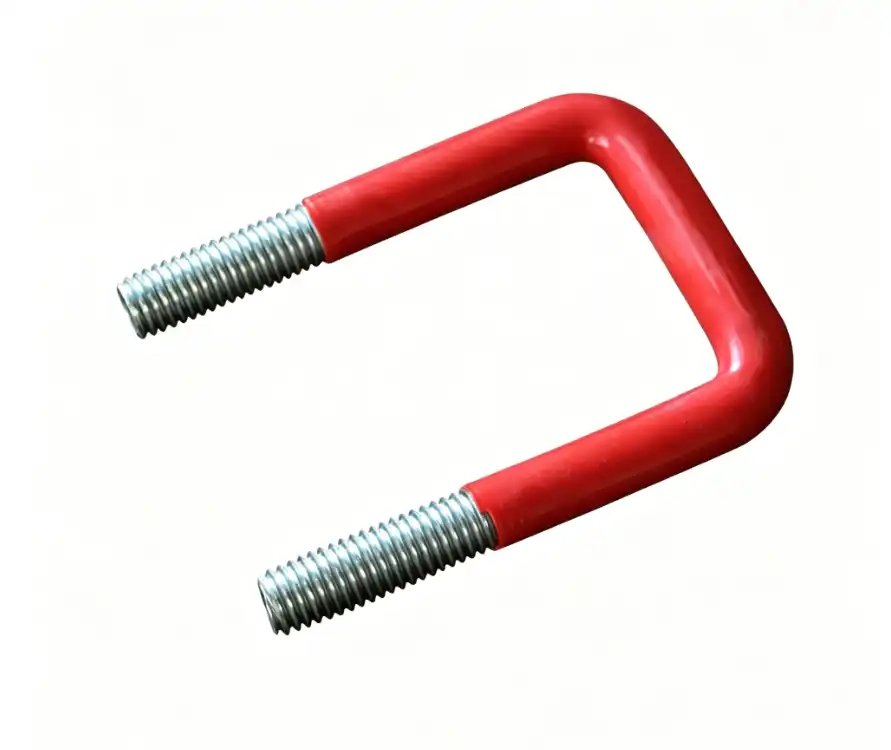
Zinc electroplating gives electrogalvanized coats rust protection that is both effective and affordable. They can be used indoors or outdoors in moderately wet climates. Stainless steel types completely get rid of the risk of galvanic rusting, which makes them necessary for use in offshore environments, chemical processing plants, or food-grade equipment. Cost differences for stainless versions are usually between 40 and 60% higher, but this investment pays off in places where zinc parts break down quickly because of corrosion. Instead of just looking at the purchase price, buyers should think about the total cost of ownership, which includes things like repairs, substitute work, and downtime.
Thread Types and Strength Considerations
Rolled threads are better than cut threads because they keep the steel grain flow going while they form, which gives them 30% more wear strength. This difference in making is very important in places with a lot of vibration, like car suspensions or train travel. Predictable clamping force and installation torque needs are affected by thread size and class grades. We offer both rolled and cut threads, based on the needs of the application. For structural and safety-critical applications where failure would be very bad, rolled threads are required by default.
Critical Verification Checklist Before Ordering OEM Custom U-Bolts
A thorough pre-order check is the first step to successful buying because it gets rid of specification mismatches and seller capability gaps. This organized method cuts down on project delays and makes sure that new parts fit in perfectly with the assembly steps.
Define Precise Application Requirements
When you calculate loads, you need to take into account things like static weight, dynamic forces, shock loads, and safety factors that are normal in your business. The environmental exposure review looks at temperature ranges, humidity levels, chemical touch, and the length of time someone is exposed to UV light. Different types of products have different compliance requirements. For example, car parts must meet SAE standards, building tools must meet ASTM standards, and goods exported must meet the certifications of the country where they will be used. Make sure that these factors are clearly written down in request-for-quotes so that suppliers can give accurate answers.
Verify Technical Specifications and Tolerances
The inside width, leg length, thread length, material grade, coating type, and coating thickness should all be shown on the engineering plans. Tolerance standards keep things from not fitting right. For flat dimensions, industrial tolerances are usually ±0.030 inches, but tighter controls may be needed for precision uses. Check that the supplier's capability claims match up with your drawings to make sure that their production tools can achieve the level of accuracy you need. At RUIRUI, we check the sizes of our products at several stages of production and keep inspection records for each batch so that we can track them.
Assess Supplier Credentials and Capabilities
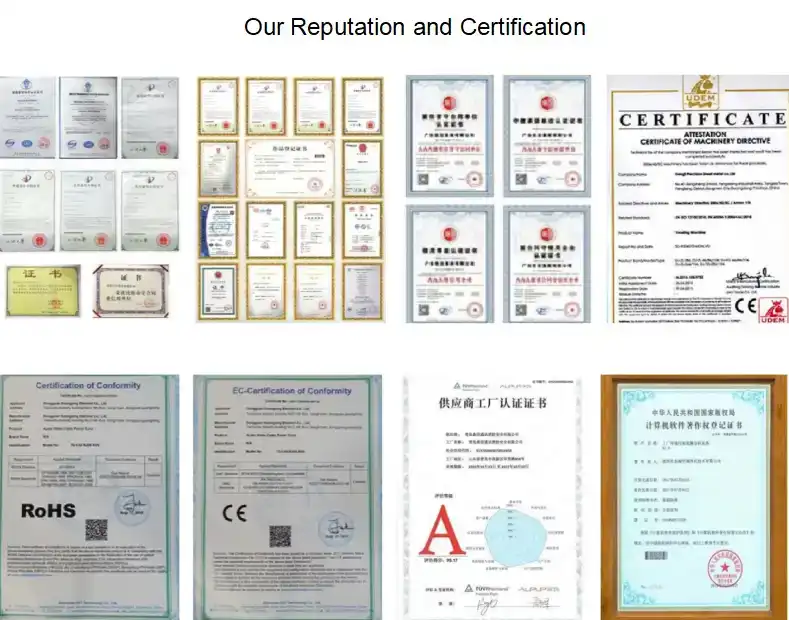
ISO 9001 certification shows that a company has a mature quality management system, and ISO 14001 certification shows that a company cares about the environment when it makes things. A supplier's OEM knowledge shows how well they can handle special requests and tech support needs. Lead times are affected by production capabilities. Our eight production lines make 130,000 units a year, which means they are always available for medium to large orders. Before agreeing to full orders, ask for sample production runs. This way, you can test the product physically to make sure that the specs match the performance.
Understanding Pricing and Order Terms
Our 1000-piece MOQ strikes a balance between setup costs and unit prices, which shows how efficient our production process is. When you buy more than 5,000 units of a custom u-bolt, you can usually save 15 to 25 percent with bulk prices. When buying from industrial hubs like Qingdao, lead times should include getting materials, planning production, inspecting quality, and sending goods around the world. Payment terms, tooling costs for custom u-bolt designs, and the ability to change specifications without breaking the contract should all be made clear during the discussion process.
How to Choose the Right OEM Custom U-Bolt Supplier
Not only does choosing a custom u-bolt supplier affect the quality of the parts, but it also affects how reliable the partnership will be throughout the project's lifecycle and in future buying cycles.
Evaluating Experience and Reputation
The past of manufacturing shows how mature a process is and how well it can solve problems. The people in charge of RUIRUI have been working with metal for more than 15 years and have utility model patents and design patents to show their technical innovation. Customer comments and case studies show how well our products work in the real world. For example, our relationship with a Spanish dealer started with factory models that proved the materials and designs could be used. And when an Italian client received their order early, it built trust that led to repeat orders. Look for companies that work with your business and have a history of success in similar situations.
Manufacturing Location Considerations
Through integrated supply chains, specialized manufacturing groups, and large-scale production, Chinese makers can offer lower prices. For example, Qingdao's metalworking environment makes it easy to get raw materials, use surface treatment facilities, and connect to transportation networks. Quality control is based on the systems of each supplier, not where they are located. Certifications like ISO 9001 and written quality control methods are more important than the plant address. Our automatic robot production lines and thermoplastic finishing methods give us stability that is on par with any global manufacturing standard, and our prices are still very low.
Bulk Ordering and Flexible Terms
Scalability means that your source can grow as the needs of the project do, without lowering the quality of their work. Compare their ability to the number of orders they expect to receive. Can they handle sudden order rises or changes in the seasons? Some examples of flexible buying terms are staggered shipping dates, ways to change specifications, and ways to hold inventory. We make engineering changes during production runs when buyers find ways to make things better. This keeps the project moving forward without having to cancel the whole order.
Customer Service and Communication
Quick expert support answers questions about specifications and helps with installation quickly. Accurate budget planning is possible with clear quotation methods that break down the costs of materials, handling fees, and shipping in great detail. Time zones and language skills affect how well people can communicate. For example, our foreign sales team offers English-language support that is time-stamped to match North American and European work hours. This makes it easier to answer questions and coordinate orders.
Design Tips and Best Practices for Custom U-Bolts
Optimized design specs make sure that installation is easy and that the performance of each component is maximized while manufacturing costs are kept low.
Enhancing Strength and Fatigue Resistance
The shape of the leg affects how stress is distributed; rounded inner radii make stress collection points less likely to be places where the leg bends. When choosing a material for a custom u-bolt, it's important to find a balance between the needs for yield strength and flexibility for shock absorption. To keep threads from stripping under maximum loads, the length of the thread engagement on a custom u-bolt should be longer than 1.5 times the thickness of the bolt. If the application loads allow lower ratings, don't over-specify the strength grades. This is because expensive materials cost more without improving performance.
Improving Corrosion Resistance
The length of security depends on the thickness of the coating. Standard electrogalvanizing is enough for controlled settings, but heavier coatings last longer when used outside. When two different metals touch, galvanic corrosion can happen. To keep stainless steel custom u-bolts from touching carbon steel lines, use neoprene covers or polyolefin strips. How the coating is stored and handled can affect its stability. Be clear about the package standards to avoid shipping damage that weakens corrosion protection.
Balancing Customization with Installation Ease
Design choices are affected by the limitations of field operation. Too long of legs make it harder to get to a wrench in tight areas. The thread length needs to be able to handle changes in plate thickness without bottoming out before the right force is applied. Think about the order of assembly. Can workers place the custom u-bolt before placing the pipes, or does it have to slide onto parts that have already been installed? Our engineering team looks over customer plans to find problems with installation and make suggestions for realistic changes that keep performance high while making assembly go more quickly.
Common Specification Errors to Avoid
The most common mistake is getting the inside width wrong. Instead of using standard sizes, you should always measure the part's outer circle and add clearance. If you don't pay attention to the thread direction, assembly interference happens when nuts touch nearby structures. Installers have to fully thread nuts because the thread length isn't long enough. This leaves no room for adjusting the power or doing future maintenance. If you use cut threads in high-vibration situations, they will wear out faster than expected. We offer design review services that can find these problems before production starts, keeping your project on schedule and on budget.
Conclusion
The material specs, dimensional precision, coating longevity, and supplier skills must all be carefully checked before ordering OEM custom u-bolt solutions. Buyers can keep their projects from failing and taking too long by knowing the differences between custom and standard solutions, being clear about what they need, and choosing makers with a history of quality systems and OEM work.
This article's verification checklist, which includes technical specs for each custom u-bolt, source references, clear price, and best practices for design, gives you a structured way to make an informed choice. When procurement teams buy from manufacturing partners that promise ISO-certified processes and quick engineering help, they get reliable custom u-bolt parts that work well for a long time in building, industrial, and automobile settings.
FAQ
How Should I Measure Inside Width for a Custom U-Bolt?
Find the outside width of the pipe or part that needs to be attached and add 0.125 to 0.25 inches to allow for enough space. Inside Width shows how far apart the legs are, not how far apart the centers of the legs are. This space keeps the parts from sticking together during fitting and allows for manufacturing flaws without affecting how well the clamps work.
Can Electrogalvanized U-Bolts Be Reused After Removal?
It is not a good idea to reuse custom u-bolts from safety-critical uses like car springs. When threads are torqued to the right level, they permanently stretch, which is called plastic deformation. This makes the gripping force and wear resistance lower. Replacement provides consistent performance and gets rid of the chance of failure.
What Lead Times Should I Expect for Custom Orders?
For custom u-bolt making, production times usually take 15 to 25 days, which includes getting the materials, shaping, threading, coating, and checking for quality. International shipping can take an extra 20 to 35 days, based on where it's going and how it's being shipped. With earlier planning, shorter deadlines may be possible for rush orders.
Do Your Custom U-Bolts Meet International Standards?
The way we make things meets the requirements of ISO 9001 and ISO 14001 standards. Products can be made to meet specific area standards, such as ASTM rules for North American markets and appropriate European standards. Shipments come with certification paperwork so that it can be checked.
Partner with RUIRUI for Precision-Engineered Custom U-Bolt Solutions
To get OEM custom u-bolts, you need a manufacturing partner with a track record of success, cutting edge production tools, and an unwavering dedication to quality. RUIRUI Machinery has been working with metal for more than 15 years and has ISO-certified quality systems, automatic production lines, and a wide range of customization services that allow them to make electrogalvanized custom u-bolts that meet the strictest requirements. Our Qingdao factory makes parts for 80 different countries' automotive, building, and industry needs. We offer expert support to help buyers from the first specification to the final delivery.
Our team can get you affordable factory-direct prices on anything from 1,000 pieces to full containers, and we won't skimp on the rust resistance, accuracy in measurements, or load capacity your projects need. Email us at joanna@qdkshd.com right now to talk to our tech team about your custom u-bolt needs. We'll give you thorough quotes, reviews of the specifications, and production schedules that fit your buying plan. This way, you can be sure that your projects stay on track with reliable parts from a reputable custom u-bolt supplier.
References
1. Bickford, John H. Introduction to the Design and Behavior of Bolted Joints: Non-Gasketed Joints. 5th Edition. CRC Press, 2018.
2. American Society of Mechanical Engineers. ASME B18.31.5: U-Bolts (Inch Series). ASME Standards Committee, 2020.
3. Budinski, Kenneth G., and Budinski, Michael K. Engineering Materials: Properties and Selection. 9th Edition. Pearson Education, 2016.
4. Deutsches Institut für Normung. DIN 3570: U-Bolts for Pipe Fastening. DIN Standards Publication, 2019.
5. Davis, Joseph R. Corrosion: Understanding the Basics. ASM International Materials Handbook Series, 2000.
6. Kulak, Geoffrey L., Fisher, John W., and Struik, John H.A. Guide to Design Criteria for Bolted and Riveted Joints. 2nd Edition. American Institute of Steel Construction, 2001.

Send Inquiry
You may like