
RV Lifting Machinery Jacks for Commercial RV Service Shops
RV lifting machinery jacks represent critical infrastructure components in commercial RV service shops, providing safe and efficient elevation solutions for heavy recreational vehicles during maintenance and repair operations. These specialized lifting devices enable service technicians to access undercarriage components, perform suspension work, and conduct comprehensive maintenance procedures with enhanced safety protocols. Professional-grade lifting equipment ensures compliance with OSHA safety standards while maximizing operational efficiency in commercial workshop environments. The selection of appropriate heavy-duty jacks directly impacts workshop productivity, technician safety, and customer service turnaround times, making procurement decisions vital for sustainable business operations.
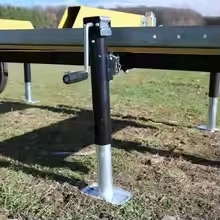
Understanding RV Lifting Machinery Jacks: Types, Operation & Benefits
Modern commercial RV service operations depend on modern lifting gear designed to handle considerable weight loads while maintaining operational safety benchmarks. Understanding the principal characteristics of these specialized jacks empowers educated acquisition choices that align with workshop requirements and safety protocols.
Design Specifications and Weight Capacities
Commercial-grade RV lifting gear features robust construction with static load capacities typically ranging from 8,000 to 15,000 pounds, accommodating various recreational vehicle types. Heavy-duty trailer jacks combine reinforced steel construction with powder-coated finishes to withstand corrosion and environmental degradation. The CW-S-120 model embodies professional-grade specifications with a 12,000-pound static capacity and a 10,000-pound dynamic rating, including 100mm x 100mm external tube dimensions and a comprehensive vertical travel of 660mm. These specifications ensure reliable performance across different commercial applications, from Class A motorhomes to heavy-duty travel trailers. The engineering behind these units incorporates safety features that exceed standard operational requirements, providing additional security margins during critical lifting operations.
Operational Mechanisms and Safety Features
Professional lifting jacks utilize various operational components to meet specific workshop requirements. Manual sidewind systems provide precise control for delicate positioning tasks, while hydraulic versions offer rapid height capabilities for high-volume service environments. Drop leg extensions add 13.75 inches of extra adjustability, accommodating different ground clearance needs and ensuring stable positioning on uneven surfaces. Grease zerks facilitate regular lubrication maintenance, extending operational lifespan and maintaining smooth mechanical operation. These service points allow technicians to perform preventive care without extensive disassembly, reducing equipment downtime and maintaining consistent performance standards, especially in RV lifting machinery jacks.
Enhanced Workplace Safety and Operational Benefits
Professional lifting gear brings measurable improvements in workshop safety standards and operational efficiency. Proper jack selection reduces technician injury risks while enabling faster service completion times. The enhanced durability provided by commercial-grade equipment allows for concurrent work on multiple vehicle systems, improving overall efficiency and client satisfaction rates.
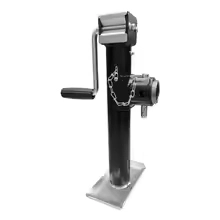
Comparing RV Lifting Machinery Jacks: Making Informed Decisions for Your Workshop
Procurement experts must assess various factors when selecting lifting gear to ensure optimal performance that aligns with workshop needs and operational budgets.
Hydraulic vs. Mechanical Lifting Systems
Hydraulic lifting systems offer superior speed and ease of operation, especially beneficial in high-volume commercial environments where technician fatigue impacts efficiency. These systems provide smooth, stable lifting action with minimal physical exertion requirements, enabling quick vehicle positioning and enhanced workflow efficiency. Mechanical jack systems deliver precise control and reliable performance without hydraulic fluid support requirements. The sidewind handle mechanism provides tactile feedback during positioning operations, allowing professionals to make fine adjustments with confidence. These systems demonstrate exceptional longevity when properly maintained and offer lower long-term operational costs.
Capacity Requirements and Workshop Compatibility
Matching jack capacity to workshop requirements involves analyzing typical vehicle weights and service methods. Commercial RV service shops handling Class A motorhomes require jacks with a minimum 12,000-pound static capacity to safely accommodate fully loaded vehicles. Construction and utility trailer service operations may benefit from higher capacity units to handle specialized equipment configurations. Extended height ranges become crucial when servicing lifted vehicles or conducting extensive suspension adjustments. The CW-S-120's increased height of 1370mm accommodates most commercial service scenarios while maintaining stability throughout the working range.
Best Practices & Maintenance Guide for RV Lifting Machinery Jacks
Establishing comprehensive support conventions guarantees gear lifespan while maintaining strict safety compliance in commercial workshop environments.
Operational Safety Protocols
Professional jack operation requires adherence to established safety procedures to prevent accidents and equipment damage. Professionals must verify ground conditions before positioning jacks, ensuring stable contact with appropriate surface materials. The 210mm x 202mm footplate design provides sufficient load distribution for most operational scenarios when properly placed on solid surfaces. Pre-operation checks should include visual inspection of critical components, confirmation of lubrication fitting conditions, and ensuring smooth operation throughout the travel range. These procedures help identify potential issues before they compromise safety or operational reliability, especially in RV lifting machinery jacks.
Routine Maintenance Schedules
Regular lubrication through designated grease zerks maintains optimal operational performance and significantly extends equipment life. Monthly lubrication schedules prevent premature wear while ensuring smooth operation under demanding commercial conditions. The powder-coated finish requires periodic inspection for damage, with touch-up applications maintaining corrosion resistance. Annual comprehensive inspections should include load testing procedures to confirm capacity evaluations and identify potential structural issues. These assessments ensure continued compliance with safety standards while providing early warnings of replacement needs.
Procurement Strategies for Commercial RV Service Shops
Successful procurement requires vital assessment of providers, item details, and long-term operational necessities to maximize investment returns.
Supplier Evaluation and Quality Assurance
Selecting qualified producers guarantees access to items meeting professional-grade specifications and safety standards. ISO 9001 certification demonstrates established quality management systems, while additional certifications show commitment to environmental and safety regulations. The evaluation process should include an audit of manufacturing capabilities, quality control methods, and after-sales support availability. Lead time considerations become especially important for commercial operations where equipment failure disrupts service schedules. Providers offering 25-day delivery for standard quantities provide reasonable procurement planning timelines, while bulk order accommodation enables cost-effective inventory management strategies.
Cost-Benefit Analysis and Budget Planning
Commercial jack procurement involves balancing initial investment costs with long-term operational benefits and maintenance requirements. The 29.5KG weight specification demonstrates robust construction suitable for demanding commercial applications, including RV Lifting Machinery Jacks, while remaining practical for installation and positioning requirements. Bulk purchasing opportunities offer significant cost benefits for multi-location operations or planned expansion scenarios. The 500-piece monthly production capacity allows for substantial volume discounts while ensuring consistent supply availability for ongoing operational needs.
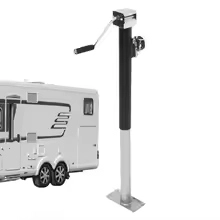
Company Profile and Integrated RV Lifting Machinery Solutions
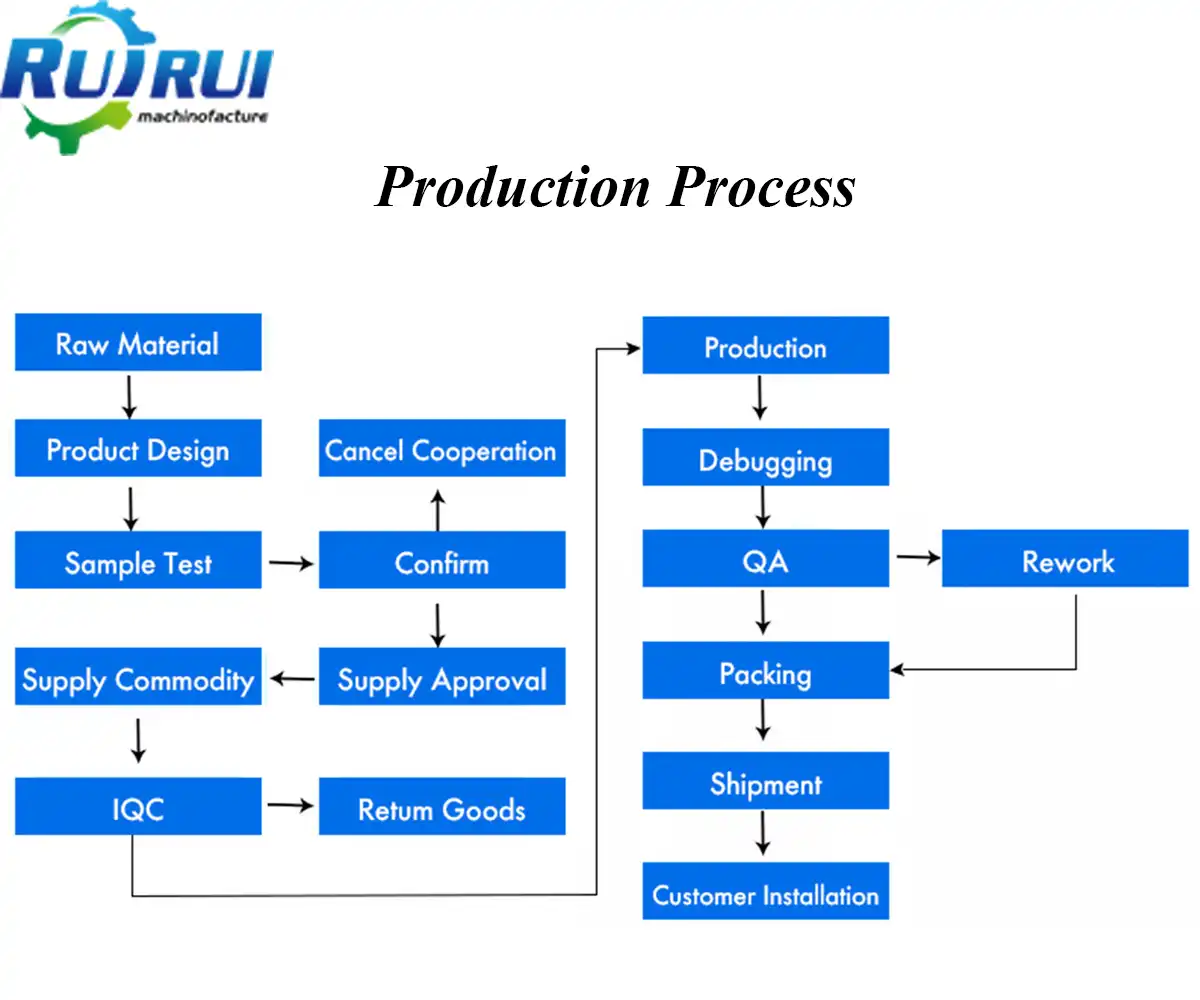
Qingdao RUIRUI Machinery Manufacturing Co., Ltd. stands as a premier manufacturer specializing in heavy-duty trailer components and custom metal fabrication solutions for commercial applications. Established in 2016, our comprehensive manufacturing capabilities encompass progressive stamping, laser cutting, CNC machining, and specialized coating processes that ensure superior product durability and performance standards.Our engineering expertise extends beyond basic manufacturing to include customized solutions tailored to specific operational requirements. The facility operates eight dedicated production lines with advanced automation capabilities, generating annual output exceeding 130,000 components while maintaining stringent quality control standards throughout the manufacturing process.
Manufacturing Excellence and Quality Certifications
RUIRUI's manufacturing operations maintain multiple international certifications including ISO 9001, ISO 14001, and OHSAS 18001, demonstrating commitment to quality management, environmental responsibility, and occupational safety standards. Our engineers collaborate closely with quality inspectors to establish comprehensive product documentation and manufacturing process tracking for every component produced.The powder coating capabilities ensure superior corrosion resistance and aesthetic durability for commercial applications. Advanced thermoplastic coating processes provide enhanced protection against environmental conditions while maintaining the professional appearance expected in commercial service environments.
Comprehensive Support Services and Global Reach
Our customer-centric approach includes technical support throughout the procurement process, from initial specification development through installation and ongoing maintenance support. Custom packaging solutions accommodate specific shipping requirements and international delivery protocols, ensuring product integrity throughout the supply chain.With products exported to over 80 countries across North America, Europe, and Australia, RUIRUI understands the unique requirements of international commercial operations. Our experienced team provides responsive communication and transparent lead times essential for effective procurement planning and inventory management.
Conclusion
Professional RV lifting equipment represents a critical investment in commercial workshop safety, operational efficiency, and customer service capabilities. The selection of appropriate heavy-duty jacks directly impacts technician productivity while ensuring compliance with safety regulations essential for sustainable business operations. RUIRUI's comprehensive manufacturing expertise and customer-focused approach provide commercial RV service shops with reliable lifting solutions engineered for demanding operational environments. Our commitment to quality manufacturing, responsive support, and customized solutions positions us as the preferred partner for procurement professionals seeking to enhance their workshop capabilities and operational performance standards.
FAQ: Common Questions About RV Lifting Machinery Jacks for Commercial Use
What size jack capacity do I need for commercial RV service operations?
Commercial RV service shops typically require jacks with minimum 10,000-pound capacity for standard operations, with 12,000-pound units providing additional safety margins for fully loaded vehicles. The capacity requirement depends on the tongue weight calculation, generally representing 7-10% of the total loaded trailer weight. Heavy-duty operations may benefit from higher capacity units to accommodate specialized vehicle configurations.
Can stabilizer jacks be used for lifting RV vehicles in commercial settings?
Stabilizer jacks are not designed for lifting operations and should never be used to raise vehicles off the ground. These components provide stability and vibration reduction for parked vehicles but lack the structural integrity and safety features required for lifting applications. Professional lifting operations require dedicated jacks specifically engineered for load-bearing and elevation functions.
What maintenance practices ensure optimal jack performance in commercial environments?
Regular lubrication through grease zerks maintains smooth operation and prevents premature wear in demanding commercial conditions. Monthly lubrication schedules combined with visual inspections of structural components ensure continued reliability. Annual load testing verifies capacity ratings while identifying potential replacement requirements before safety compromises occur.
Partner with RUIRUI for Superior RV Lifting Machinery Solutions
RUIRUI Machinery delivers comprehensive lifting solutions engineered specifically for demanding commercial RV service applications. Our heavy-duty jacks combine robust 12,000-pound capacity ratings with advanced manufacturing quality that ensures reliable performance and extended operational lifespan. As an established RV lifting machinery jacks manufacturer, we provide customized solutions, competitive bulk pricing, and responsive technical support that streamlines your procurement process. Contact our engineering team at info@qdkshd.com to discuss your specific workshop requirements and discover how our proven lifting solutions can enhance your operational efficiency and safety standards.
References
1. American Society of Mechanical Engineers. "Safety Standards for Commercial Vehicle Lifting Equipment: Design and Operational Guidelines." ASME Publication Standards, 2023.
2. National Institute for Occupational Safety and Health. "Workplace Safety Protocols for Heavy Vehicle Maintenance Operations." NIOSH Technical Publication Series, 2022.
3. Recreation Vehicle Industry Association. "Commercial Service Shop Equipment Specifications and Safety Requirements." RVIA Technical Standards Manual, 2023.
4. Society of Automotive Engineers. "Heavy-Duty Vehicle Lifting Systems: Engineering Design and Performance Standards." SAE International Technical Papers, 2022.
5. International Organization for Standardization. "Quality Management Systems for Automotive Equipment Manufacturing." ISO 9001:2015 Implementation Guidelines, 2023.
6. Occupational Safety and Health Administration. "General Industry Standards for Vehicle Maintenance Equipment." OSHA Publication 3124, 2022.

Send Inquiry
Related Industry Knowledge
- Hitch Pin Clip vs Hitch Lock Which Is Better
- Heavy-Duty Trailer Coupler Buying Guide: What Professionals Recommend
- High-Toughness Metal Hinge: A Must-Have for Industrial Equipment
- Storm-Proof Air Conditioner Holder Bracket: Withstands 200km/h Winds
- What Are the Must-Have CNC Metal Accessories?
- What are the different types of utility pole clamps?
- What Surfaces are Suitable for Installing Stainless Steel Wall Hooks?
- How do I choose the right trailer safety pin for my setup?
- Can latch spring pulls be adjusted?
- Can Zinc Plating be customized?