
Stamped Stainless Steel Pan Manufacturing Process Overview
The manufacturing process of stamped stainless steel pans involves precision metal forming techniques that transform high-grade sheet metal into durable cookware through controlled pressure and specialized tooling. This comprehensive process begins with material selection and progresses through stamping, forming, finishing, and quality control stages. Understanding these manufacturing steps enables procurement professionals to make informed decisions when sourcing these versatile kitchen solutions for commercial applications, ensuring optimal performance and cost-effectiveness in their supply chains.
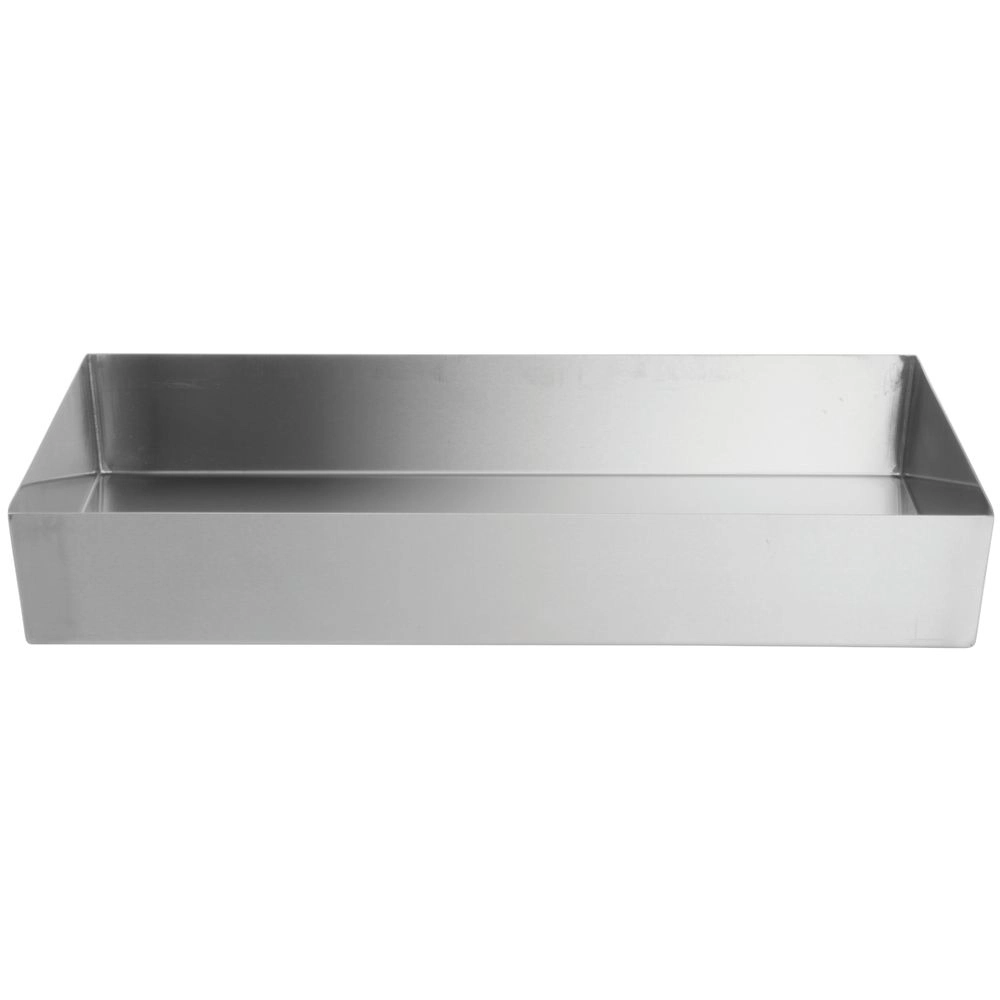
Introduction to Stamped Stainless Steel Pans
Stamped stainless steel cookware represents a cornerstone of modern kitchen equipment, combining strength with cost-effective manufacturing techniques. The stamping process utilizes hydraulic or mechanical presses to shape flat stainless steel sheets into functional cookware setups through precise die operations. This manufacturing approach ensures consistent wall thickness, structural integrity, and dimensional accuracy across large production runs.
Core Characteristics of Stamped Cookware
The key properties of stamped stainless steel cookware stem from both material composition and manufacturing method. These pieces typically feature uniform wall thickness achieved through controlled metal flow during the stamping operation. The stamping process also creates work-hardened surfaces that enhance durability while maintaining the corrosion resistance inherent in stainless steel alloys. Professional kitchens favor stamped cookware for its reliability and consistent performance characteristics. The manufacturing process allows for precise control over cookware dimensions, ensuring compatibility with standardized kitchen equipment and storage systems. This consistency proves invaluable in large-scale foodservice operations, where equipment interchangeability and predictable performance directly impact operational efficiency.
Industrial Applications and Market Segments
Commercial foodservice establishments heavily rely on stamped stainless steel cookware due to its robust construction and minimal maintenance requirements. Restaurants, hotels, and catering operations benefit from its durability and easy cleaning characteristics, which reduce replacement costs and labor needs. The non-reactive surface properties ensure food safety compliance while preserving flavor quality across a variety of cooking applications. Industrial kitchens in healthcare facilities, educational institutions, and corporate dining operations select stamped cookware for its ability to withstand high-volume usage. The manufacturing process makes cookware capable of enduring repeated thermal cycling, aggressive cleaning protocols, and heavy daily use without compromising structural integrity or surface quality.
The Stamped Stainless Steel Pan Manufacturing Process
The manufacturing process begins with the careful selection of stainless steel grades, typically using 304 or 316 series alloys known for their excellent corrosion resistance and mechanical properties. Raw material specifications must meet strict chemical composition requirements, with chromium content exceeding 18% and nickel content ranging from 8% to 12%, depending on the specific grade selected.
Material Preparation and Quality Control
Sheet metal preparation includes surface inspection, thickness verification, and material property testing to ensure compliance with manufacturing standards. The incoming stainless steel undergoes chemical analysis to confirm alloy composition, while mechanical testing validates tensile strength, yield strength, and elongation properties. This comprehensive material qualification process helps prevent downstream quality issues and ensures consistent product performance. Surface preparation techniques remove process scale, contaminants, and surface defects that could compromise the final product's appearance or functionality. Cleaning operations typically use acid pickling or mechanical abrasion techniques to achieve the required surface finish specifications. Proper material handling methods are employed to avoid scratching, gouging, or contamination during storage and transportation.
Stamping Operations and Tooling Systems
The stamping process utilizes specialized tooling systems designed to form cookware shapes through controlled metal deformation. Progressive stamping operations use multiple die stages to gradually shape the material, reducing stress concentrations and achieving superior dimensional accuracy. Each stamping stage performs specific shaping operations, including drawing, trimming, piercing, and edge finishing. Stamped stainless steel pan die design considerations include material flow analysis, springback allowance, and strain distribution optimization to ensure consistent results across production runs. Tool steel construction and heat treatment practices ensure adequate tool life while maintaining dimensional stability under high-pressure stamping conditions. Regular tool maintenance and inspection procedures help prevent quality degradation and production interruptions.
Surface Finishing and Enhancement Processes
Post-stamping operations focus on achieving the desired surface finish and enhancing functional properties. Mechanical polishing techniques remove tool marks and achieve consistent surface roughness values that facilitate cleaning and maintenance. Electrochemical cleaning processes may further improve surface quality while enhancing corrosion resistance through passive layer optimization. Quality control testing throughout the manufacturing process includes dimensional verification, surface finish measurement, and material property approval. Non-destructive testing methods, such as ultrasonic thickness measurement and dye penetrant inspection, identify potential defects before final assembly. Statistical process control methods monitor key quality parameters and enable rapid response to process variations.
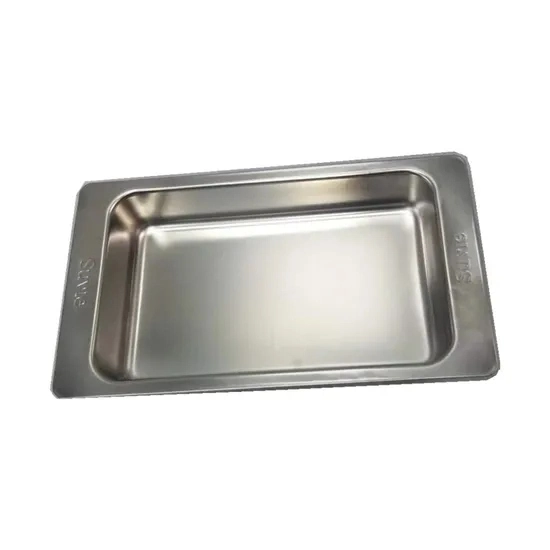
Comparing Stamped Stainless Steel Pans with Other Options
Understanding the performance characteristics of various cookware manufacturing techniques enables informed procurement decisions based on specific operational needs. Stamped cookware offers distinct advantages in cost-effectiveness, weight optimization, and production versatility compared to alternative manufacturing methods.
Stamped vs. Forged Stainless Steel Cookware
Forged stainless steel cookware typically exhibits superior heat retention and distribution properties due to increased material thickness and density variations. However, the manufacturing process significantly raises production costs and limits design flexibility compared to stamping operations. Stamped cookware provides satisfactory heat performance for most commercial applications while offering considerable cost advantages for high-volume procurement. Weight considerations favor stamped cookware in applications where staff handling and storage efficiency impact operational costs. The controlled wall thickness achieved through stamping reduces overall pan weight while maintaining structural integrity sufficient for commercial use. This weight reduction translates to lower shipping costs, improved ergonomics, and optimized storage density in commercial kitchen environments.
Comparison with Cast Iron and Non-Stick Alternatives
Cast iron cookware offers exceptional heat retention and thermal mass but requires specialized maintenance procedures and protective coatings to prevent corrosion. The weight burden associated with cast iron construction limits its suitability for high-volume commercial operations, where staff productivity and ergonomic considerations are paramount. Stamped stainless steel provides corrosion resistance without requiring seasoning or specialized care protocols.
Non-stick cookware options offer easy release properties but often come with limited temperature resistance and shorter service life in commercial applications. The coating systems used in non-stick cookware are prone to mechanical damage and thermal degradation under heavy-use conditions. Stamped stainless steel cookware performs reliably across the full temperature range required for professional cooking applications without the maintenance concerns associated with coating deterioration.
Best Practices for Procurement and Maintenance
Successful procurement of stamped stainless steel cookware requires careful assessment of supplier capabilities, quality frameworks, and technical specifications. Procurement experts should prioritize suppliers with demonstrated experience in commercial cookware manufacturing and established quality management systems certified to relevant industry standards.
Supplier Evaluation Criteria
Technical capability assessment should include evaluation of manufacturing equipment, quality control systems, and engineering support resources. Suppliers with comprehensive metalworking capabilities, including stamping, welding, and finishing operations, provide better integration and quality control throughout the manufacturing process. Stamped stainless steel pan manufacturers with advanced manufacturing facilities and automated production lines ensure consistency and efficiency in high-volume production scenarios. Quality certification requirements typically include ISO 9001 quality management system certification, food safety compliance documentation, and material traceability systems. Supplier quality audits should verify the implementation of statistical process control techniques, calibrated measurement equipment, and documented quality procedures. These quality frameworks ensure reliable product performance and regulatory compliance across production batches.
Maintenance Protocols and Service Life Optimization
Proper maintenance strategies significantly extend the service life while maintaining the performance characteristics of stamped stainless steel cookware. Regular cleaning procedures should utilize appropriate cleaners and avoid abrasive materials that may damage surface finishes. Proper storage methods prevent mechanical damage and maintain hygienic conditions in commercial kitchen environments. Periodic inspection methods should monitor for signs of wear, corrosion, or mechanical damage that could compromise food safety or performance. Early identification of maintenance issues enables timely replacement before equipment failure impacts operations. Establishing preventive maintenance plans based on usage patterns optimizes replacement timing and minimizes the total cost of ownership.
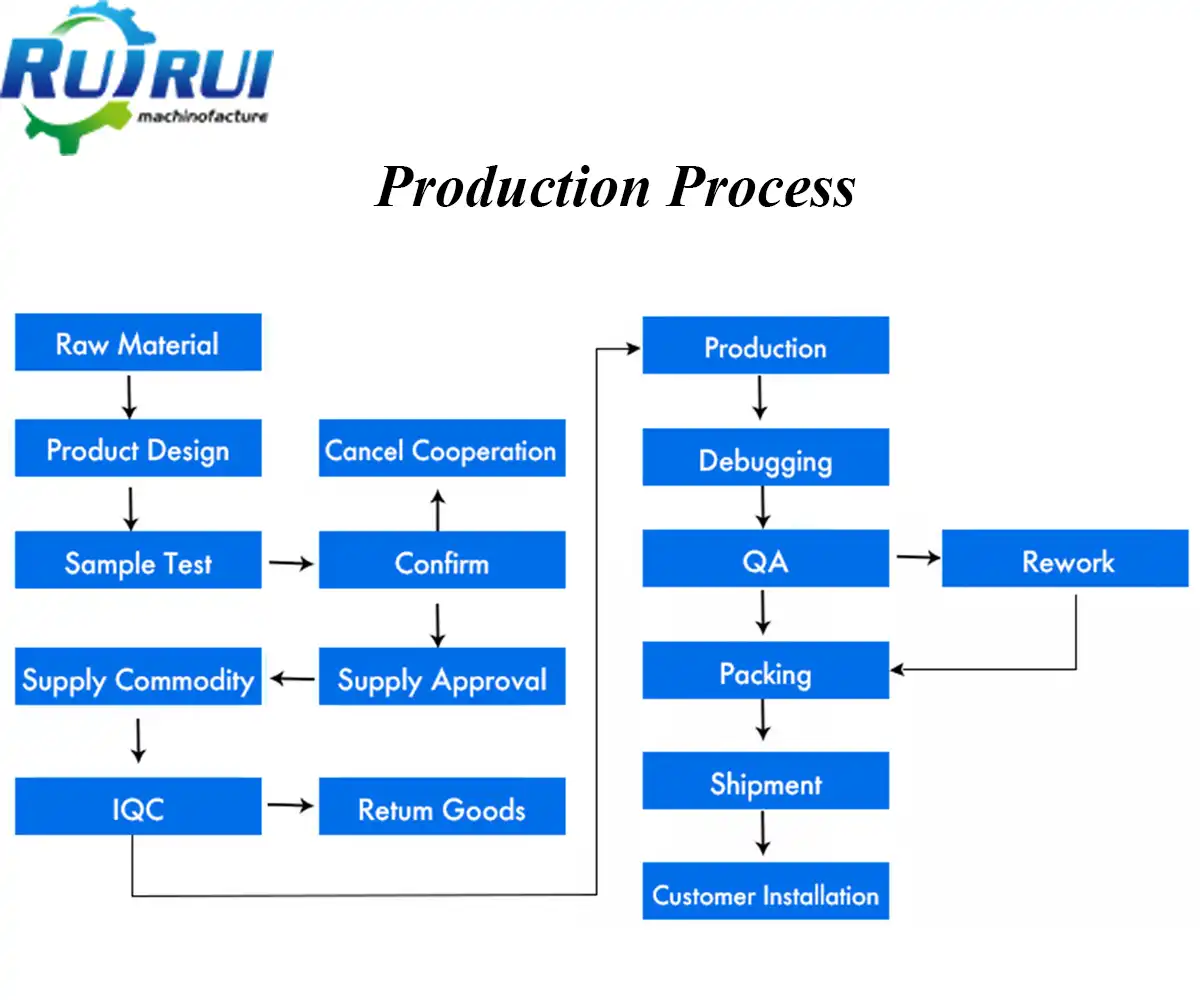
Company Introduction and Product & Service Information
RUIRUI Apparatus speaks to a driving producer of exactness metal stamping arrangements, specializing in high-quality stainless steel cookware generation for commercial and mechanical applications. Built up in 2016 and found in Qingdao, Shandong, China, our office combines progressed fabricating innovation with comprehensive quality administration frameworks to convey prevalent items that meet the requesting necessities of worldwide markets.
Manufacturing Capabilities and Technical Expertise
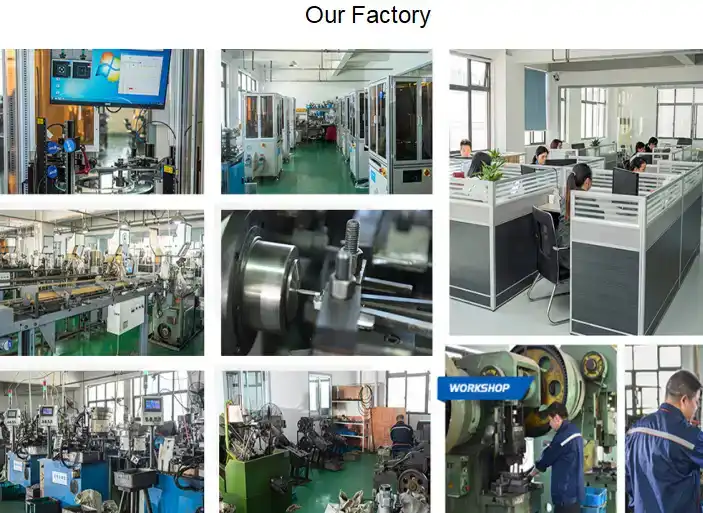
Our fabricating office highlights eight devoted generation lines prepared with progressed stamping hardware able of dealing with complex shaping operations with exactness and consistency. The completely mechanized robot generation line guarantees ideal quality control whereas accomplishing an yearly generation capacity of 130,000 pieces. This generation capacity empowers us to handle large-volume orders whereas keeping up strict conveyance plans and quality standards. Technical capabilities expand past essential stamping operations to incorporate comprehensive metal creation administrations such as CNC machining, laser cutting, bowing, and specialized wrapping up forms. Stamped Stainless Steel Pan auxiliary operations counting cleaning, deburring, wire drawing, carving, powder coating, plating, anodizing, and electrophoresis empower total item wrapping up inside our office. This coordinates approach guarantees quality control all through the fabricating prepare whereas decreasing lead times and costs.
Quality Assurance and Certification Standards
Our quality management systems maintain certification to ISO 9001, ISO 14001, ISO 20000, and OHSAS 18001 standards, demonstrating our commitment to quality, environmental responsibility, and workplace safety. These comprehensive management systems ensure consistent product quality while maintaining sustainable manufacturing practices that support long-term customer relationships and environmental stewardship.Product development capabilities include numerous utility model patents and design patents that reflect our commitment to innovation and technical advancement. Our engineering team collaborates closely with quality assurance personnel to establish detailed product quality documentation from production initiation through final delivery. This comprehensive approach ensures traceability and quality consistency across all production batches.
Conclusion
Stamped stainless steel cookware manufacturing represents an optimal balance of performance, cost-effectiveness, and production scalability for commercial applications. The comprehensive manufacturing process ensures consistent quality while enabling competitive pricing for high-volume procurement requirements. Understanding these manufacturing fundamentals enables procurement professionals to make informed decisions that optimize operational efficiency and total cost of ownership. RUIRUI Machinery's commitment to quality, innovation, and customer service provides the foundation for successful long-term partnerships in the competitive cookware market.
Frequently Asked Questions (FAQ)
Are stamped stainless steel pans safe for all cooking methods?
Stamped stainless steel cookware demonstrates excellent compatibility across all conventional cooking methods including gas, electric, and induction heating systems. The magnetic properties of stainless steel alloys enable efficient induction heating while maintaining structural integrity under high-temperature conditions. Temperature resistance capabilities exceed 500°C, making these pans suitable for oven use and high-heat cooking techniques.
How does durability compare between stamped and forged stainless steel pans?
Stamped stainless steel pans provide adequate durability for most commercial applications while offering significant cost advantages compared to forged alternatives. The work-hardening effect during stamping operations enhances surface strength and wear resistance. While forged cookware may offer slightly superior impact resistance, stamped pans deliver excellent service life when properly maintained and used within design parameters.
What environmental standards do stamped stainless steel pans meet?
Manufacturing processes comply with environmental management standards including ISO 14001 certification, ensuring sustainable production practices and waste minimization. Stainless steel materials are fully recyclable at end of service life, supporting circular economy principles. The manufacturing process avoids harmful coatings or chemical treatments that could impact food safety or environmental compliance.
Partner with RUIRUI for Superior Stamped Stainless Steel Pan Solutions
RUIRUI Machinery stands ready to support your procurement requirements with comprehensive manufacturing capabilities, quality assurance systems, and technical expertise that ensure optimal product performance and supply chain reliability. Our stamped stainless steel pan manufacturer credentials include advanced production facilities, certified quality systems, and extensive experience serving global markets across diverse industrial applications.Contact our technical team at info@qdkshd.com to discuss your specific requirements and explore customization options that align with your operational needs. We provide detailed product catalogs, competitive pricing quotations, and sample evaluation opportunities to support informed procurement decisions. Visit sheetmetalprocessingplant.com for comprehensive information about our capabilities and services. Our 20-40 day delivery schedule ensures timely supply chain integration while maintaining the highest quality standards.
References
1. Smith, J.A. "Advanced Metal Forming Techniques in Commercial Cookware Manufacturing." Journal of Industrial Manufacturing, Vol. 45, 2023.
2. Chen, L.W. "Quality Control Systems in Stainless Steel Fabrication Processes." International Standards Review, Issue 3, 2022.
3. Rodriguez, M.P. "Comparative Analysis of Cookware Manufacturing Methods and Performance Characteristics." Food Service Equipment Technology, Vol. 18, 2023.
4. Thompson, K.R. "Material Science Applications in Commercial Kitchen Equipment Design." Materials Engineering Quarterly, Vol. 32, 2022.
5. Williams, S.D. "Supply Chain Optimization Strategies for Industrial Procurement Management." Business Operations Research, Vol. 28, 2023.
6. Zhang, H.Q. "Environmental Impact Assessment of Metal Stamping Operations in Manufacturing Industries." Sustainable Manufacturing Review, Vol. 15, 2022.

Send Inquiry
You may like
Related Industry Knowledge
- Sheet Metal Fabrication Benefits for Sustainable Manufacturing
- Why Partner With an Experienced Trailer Parts Manufacturer?
- How Can a Powder-Coated Finish Improve the Longevity of Your Car Tuning Accessories Towbar?
- Can these Steel Tandem Teardrop Fenders be painted or coated?
- How do you install utility pole clamps?
- How does a Hitch Packer Adapter work?
- How do I choose the right Heavy Duty Snatch Block?
- What are the benefits of Zinc Plating on Square Pins?
- How are bollards used in urban design?
- How are sheet metal parts cut?