
Trailer Coupler Applications Across Agriculture, RV, and Logistics
Every day, RV enthusiasts encounter dangerous highway connections, logistics organizations lose money because of downtime from subpar towing systems, and thousands of agricultural enterprises have equipment breakdowns during crucial harvest seasons. Although the trailer coupler is an essential component connecting your automobile and trailer, selecting the incorrect kind may lead to dangerous situations, cargo damage, or catastrophic equipment failure. Operators may choose the best connection method for optimal efficiency, safety, and durability in their particular operating settings by being aware of the specialized uses of trailer couplers in the logistics, RV, and agricultural sectors.

Agricultural Trailer Coupler Applications and Requirements
Trailer couplers that can endure harsh operating conditions and continue to provide dependable performance during prolonged use are required by the agricultural industry. Towing systems that can manage heavy equipment, animal transportation, and the transfer of agricultural products across difficult terrain conditions are necessary for farm and ranch operations. With weight ratings ranging from 25,000 to 35,000 pounds, gooseneck trailer couplers have emerged as the go-to option for agricultural applications. This makes them perfect for moving livestock trailers, heavy tractor equipment, and harvesting apparatus. Gooseneck coupler systems are very helpful for agricultural activities because they uniformly distribute weight across the rear axle of the towing vehicle, which improves stability in muddy situations, steep inclines, and uneven fields. Gooseneck arrangements provide more maneuverability, which enables farmers to make sharp turns in tight areas like equipment yards, barns, and small farm roads. The sturdy design of these couplers, which are usually made of forged steel or alloy steel, guarantees that they won't corrode in the presence of fertilizers, animal feces, and severe weather that farm machinery often experiences on a daily basis.
Livestock and Equipment Transportation Considerations
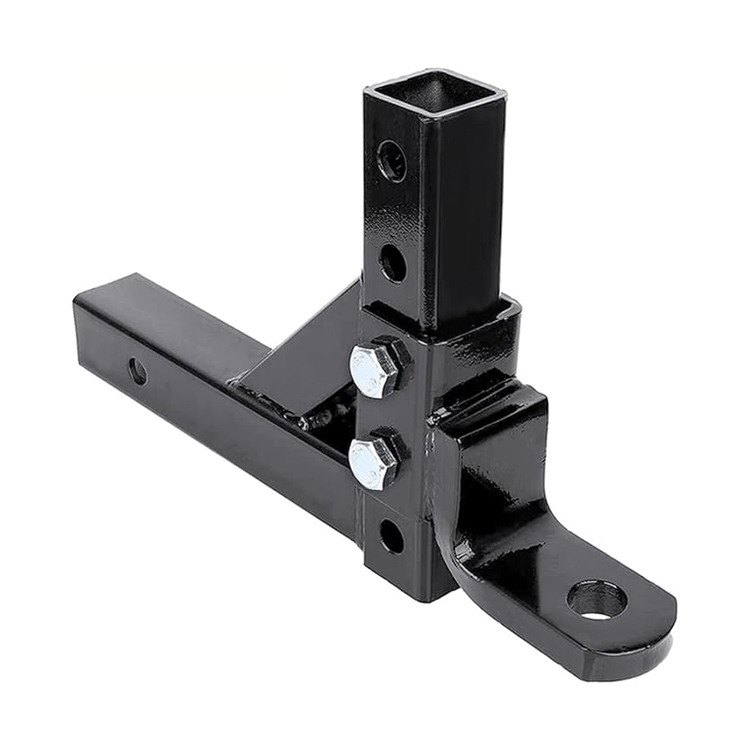
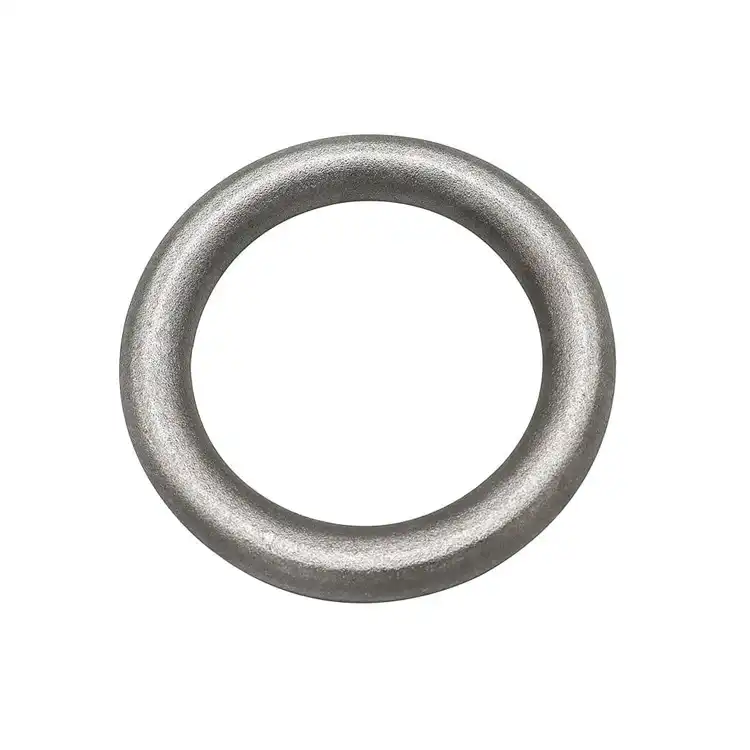
Specialized trailer coupler arrangements are required for livestock trailers, giving equal weight to animal safety and operational effectiveness while in transit. Standard couplers may not be able to securely handle the dynamic load changes caused by the animals' continual movement within trailers. Long-distance transportation of horses, cattle, and other big animals requires stability, which is provided by heavy-duty gooseneck couplers rated at over 30,000 pounds. With weight limits of up to 60,000 pounds for the most demanding agricultural equipment transportation requirements, the pintle hitch system, which has a lunette ring connection, provides outstanding articulation for agricultural applications needing movement over difficult terrain. The transportation of agricultural equipment has particular difficulties that need the careful selection of trailer couplers according to particular machinery dimensions and weight distributions. Specialized coupling systems are required because modern agricultural equipment, such as big tractors, combine harvesters, and cultivation tools, often exceeds ordinary towing weight restrictions. Agricultural workers may tow a variety of equipment types with variable heights thanks to adjustable channel mount couplers, which enable fast modifications to maintain level towing positions. When farmers must use a single towing truck to haul several kinds of equipment throughout varying seasons and operating needs, this flexibility is crucial.
RV Trailer Coupler Systems and Travel Applications
Trailer coupler technology is essential to the recreational vehicle industry's ability to give millions of passengers with dependable, pleasant, and safe towing experiences each year. Because RV owners vary from seasoned towers to first-time recreational vehicle users, couplers that combine a significant weight capacity with easy-to-use operation are necessary for RV applications. With weight capabilities ranging from 15,000 to 25,000 pounds, fifth wheel couplers are the industry standard for big RV trailers. They also provide better stability and less trailer sway while traveling on highways. In contrast to traditional ball hitch setups, the kingpin design included into fifth wheel systems guarantees a tight, stable connection that improves handling qualities and makes backing movements easier. Ball hitch couplers, which have capacities ranging from 2,000 to 10,000 pounds depending on the particular RV size and design, are often used in travel trailer applications for lighter recreational vehicles. RV owners may swiftly connect and remove their trailers at campsites and storage facilities because to these systems' flexibility and simplicity of use. Because of its triangle tongue shape, which distributes towing stresses more evenly over the trailer frame and adds structural support for bigger travel trailers, A-frame trailer couplers have become more and more popular among RV manufacturers. Because of their sturdy design, A-frame couplers are especially well-suited for long-distance travel applications where RV enthusiasts continue to place a high value on dependability and longevity.
Safety Features and Towing Stability for Recreational Vehicles
In order to minimize unintentional disconnections and improve overall towing stability during long-distance travel, modern RV trailer coupler systems include cutting-edge safety features. Positive locking methods, such as easy-lock and sleeve-lock systems, provide RV owners peace of mind that their couplers will stay firmly engaged throughout their travels. For RV applications, weight distribution is crucial since poor weight balancing may result in hazardous sway situations, especially while driving at highway speeds or in crosswinds. Because they place the connection point precisely above the rear axle of the towing vehicle, fifth wheel and gooseneck couplers are particularly effective in RV applications. This perfect weight distribution reduces sway and enhances handling qualities overall when traveling. RV trailer couplers exposed to a variety of weather situations work far better and last longer when specific materials and coating techniques are used. Anodizing treatments, zinc plating, and powder coating shield coupler parts from corrosion brought on by moisture, road salt, and temperature changes that occur during cross-country driving. Premature wear or failure is less likely with high-quality RV couplers made using CNC machining and precision stamping techniques, which guarantee constant dimensional correctness and structural integrity. To meet the need for strong but lightweight towing solutions from the recreational vehicle market, advanced manufacturers use deep drawing methods and progressive stamping techniques to produce coupler components with exceptional strength-to-weight ratios.

Logistics and Commercial Transportation Coupler Requirements
The logistics and commercial transportation sectors demand trailer coupler solutions that maximize operational efficiency while maintaining exceptional safety standards across high-volume usage scenarios. Commercial cargo trailers, delivery vehicles, and freight transportation operations require couplers capable of withstanding exposure to severe environmental conditions, repeated coupling and uncoupling procedures, and continuous usage. Ball hitch systems are still widely used in lighter commercial applications because they provide the fast attachment capabilities needed for delivery companies that need to make many stops on regular routes. However, pintle hitch designs are becoming more and more popular in heavy-duty logistics operations because they provide exceptional durability and dependability for moving huge cargo loads, industrial equipment, and building materials. Logistics trailer coupler selection is heavily influenced by weight capacity since commercial operations need to optimize payload efficiency while adhering to transportation safety rules. With weight capabilities surpassing 60,000 pounds, pintle hitches with lunette ring connections are perfect for heavy-haul logistics applications like the delivery of industrial machinery and the transfer of construction equipment. Pintle systems' sturdy construction allows them to withstand the recurring stress cycles that are a part of commercial transportation operations, when trailers go through thousands of coupling and uncoupling cycles per year. Properly made pintle hitch systems are valued by commercial fleet operators for their longevity and minimal maintenance needs, which save maintenance costs and operating downtime for large vehicle fleets.
Construction and Industrial Material Handling Applications
Specialized trailer coupler designs that can manage large loads, uneven weight distributions, and operate on a variety of terrain situations are required for the logistics of the construction sector. Gooseneck couplers are useful for construction logistics applications because they provide the stability required for moving construction machines, heavy equipment, and building supplies between work sites. work trucks can maneuver around constrained work sites, urban settings, and unimproved access roads with safe load connections because to the improved articulation provided by gooseneck systems. Couplers made of high-strength materials, such as cold-rolled steel, stainless steel, and forged alloy steel, are necessary for material handling activities inside logistics networks in order to maintain structural integrity under severe loading circumstances. Trailer coupler systems help industrial logistics operations by accommodating common equipment configurations and offering flexibility for specific transportation needs. Logistics operators may tow different kinds of trailers with standardized towing vehicles thanks to adjustable channel mount couplers, which simplify the fleet and increase operational effectiveness. Logistics firms can optimize load leveling for various cargo kinds by rapidly adjusting coupler height locations, which improves fuel economy and lowers tire wear across fleets of commercial vehicles. Commercial-grade couplers are guaranteed to meet the strict safety standards needed for logistics and transportation applications, where equipment failure can result in significant financial losses and safety hazards, thanks to quality assurance protocols like ISO 9001 certification and thorough testing procedures.
Material Selection and Manufacturing Quality for Trailer Couplers
The choice of materials and production quality standards have a significant impact on the durability and performance of trailer couplers in transportation, RV, and agricultural applications. The main materials utilized to produce high-quality trailer couplers are high-carbon steel, alloy steel, and stainless steel; each has unique benefits for various application needs. Cold rolled steel offers better strength and dimensional stability for medium-duty couplers, while mild steel offers more affordable options for lighter-duty applications. For RV applications, aluminum and aluminum alloys provide weight reduction advantages since reducing tongue weight enhances towing vehicle performance and fuel economy. CNC machining, deep drawing, and progressive stamping are examples of advanced production techniques that allow for the accurate creation of intricate coupler geometries with reliable quality attributes. Manufacturers can make high-volume coupler components with remarkable dimensional precision and little material waste thanks to progressive stamping procedures, which lower manufacturing costs while maintaining strict quality requirements. In harsh operating conditions, secondary finishing techniques including powder coating, electrophoresis, and anodizing prolong coupler service life by providing vital corrosion protection. To make sure their trailer couplers meet or surpass industry safety regulations and performance criteria, quality manufacturers use extensive testing processes, such as load testing, fatigue analysis, and corrosion resistance assessment.
Quality Certifications and Performance Standards
In order to guarantee constant product quality and ongoing improvement procedures, manufacturers dedicated to creating top-notch trailer couplers uphold extensive quality management systems accredited to international standards, such as ISO 9001. ISO 14001 and other environmental management certifications show a manufacturer's dedication to sustainable manufacturing methods, which are becoming more and more significant to business buyers assessing supplier relationships. Couplers are guaranteed to be made in safe working circumstances thanks to occupational health and safety certifications, which demonstrate an organization's general quality awareness and result in higher product dependability. varied application sectors have varied performance demands for trailer couplers; the logistics, RV, and agricultural sectors all have particular needs in terms of usefulness, durability, and safety. High-volume manufacturing runs are consistently of a constant quality thanks to manufacturers using automated production lines, robotic fabrication equipment, and sophisticated thermoplastic coating techniques. Traceability and quality assurance verification are crucial for commercial and industrial applications, and they are made possible by comprehensive quality documentation systems that monitor the production history of individual products. Trailer couplers provide better performance characteristics than typical commodity goods because of the specialized manufacturing processes and quality control systems developed by seasoned manufacturers with significant production histories.

Conclusion
Selecting appropriate trailer couplers for agriculture, RV, and logistics applications requires comprehensive understanding of operational demands, weight requirements, and environmental conditions. Quality manufacturing, proper material selection, and adherence to safety standards ensure reliable performance across all applications.
Cooperate With Qingdao RUIRUI Machinary Co., LTD.
Qingdao RUIRUI Machinary Co., LTD. offers outstanding value whether you're looking for a dependable China trailer coupler factory, China trailer coupler supplier, or China trailer coupler manufacturer. Being a well-known wholesale supplier of trailer couplers in China, we supply premium trailer coupler solutions at affordable prices. Our assortment of trailer couplers for sale comprises specially designed solutions made using cutting-edge CNC machining, laser cutting, and stamping techniques. Our quality assurance procedures guarantee that every product satisfies worldwide standards thanks to our ISO 9001, ISO 14001, and OHSAS 18001 certifications. With precise manufacturing techniques including progressive stamping, deep drawing, powder coating, and anodizing, our eight production lines produce 130,000 items a year. Our specialty is creating bespoke trailer coupler systems using brass, mild steel, stainless steel, and aluminum alloys. To guarantee your total pleasure, our skilled R&D team offers OEM support, technical help, and after-sales service. We are aware of the demands for quality throughout the world since we sell to more than 80 nations in Europe, America, and Australia. Get a fair quote for your agricultural, recreational vehicle, or logistical application needs by contacting our staff at info@qdkshd.com right now to discuss your trailer coupler needs.
References
1. "Trailer Coupler Market Research Report 2032" - Market Research Future, 2024
2. "Understanding Different Types of Trailer Couplers and Latches" - Lippert Components Inc., Technical Documentation
3. "Heavy-Duty Towing Solutions for Commercial Applications" - Society of Automotive Engineers (SAE), Industrial Standards Committee
4. "Agricultural Equipment Transportation Safety Guidelines" - American Society of Agricultural and Biological Engineers (ASABE)
5. "Recreational Vehicle Towing Systems and Safety Standards" - Recreation Vehicle Industry Association (RVIA), Technical Standards Division

Send Inquiry
Related Industry Knowledge
- Top OEM Trailer Parts Every Fleet Should Carry in 2026
- Why Partner With an Experienced Trailer Parts Manufacturer?
- Cart Trolley Insights: Improve Logistics and Productivity
- Thick-Gauge vs. Standard Hinges: A 5-Point Buyer's Checklist
- How Do Precision Steel Die Forging Parts Achieve Superior Dimensional Accuracy?
- How Does Advanced Manufacturing Improve Trailer Hitch A Frame Coupler Quality?
- What are the different types of stainless steel hinges?
- What is a pump cover plate used for?
- Do Trailer Hitch Tighteners Come in Different Styles?
- What are the benefits of zinc plating on R shape pins?