
Trailer Hardware Factory Solutions for Fleet Operators
Fleet managers are always under pressure to keep trailers operating dependably while controlling expenses and reducing downtime. Delivery delays, irate clients, and rising maintenance costs are just a few of the everyday problems that arise when vital trailer hardware parts malfunction while being driven. For fleet owners that need to keep their trucks moving effectively and financially, finding a trustworthy trailer hardware manufacturer that offers consistent quality, reasonable pricing, and stable supply chains is crucial.

Understanding Trailer Hardware Factory Manufacturing Capabilities
The activities of contemporary trailer hardware factories have progressed much beyond the manufacture of simple components. To satisfy the exacting demands of commercial fleet operations, today's top manufacturers combine cutting-edge technology with extensive quality processes. To create components that can survive the demanding circumstances of everyday commercial usage, a professional trailer hardware manufacturer integrates a variety of production techniques, such as progressive stamping, deep drawing, CNC machining, laser cutting, and welding. These facilities use fully automated robot manufacturing lines that satisfy the precise requirements needed for safety-critical applications while guaranteeing consistency across thousands of pieces. Combining secondary finishing techniques including powder coating, plating, anodizing, and electrophoresis with sophisticated thermoplastic coating processes increases component longevity and prevents corrosion under demanding operating conditions. These manufacturing capabilities immediately assist fleet operators by lowering replacement costs, improving vehicle uptime, and reducing maintenance intervals. Understanding the scope and depth of a trailer hardware factory's production capabilities is essential when assessing possible suppliers since it gives important information about their capacity to meet long-term fleet needs.
Material Selection and Processing Standards
The longevity and performance of components in fleet applications are directly impacted by the materials that a trailer hardware manufacturer processes. Mild steel, cold rolled steel, stainless steel, copper, brass, aluminum alloys, coated steel, and specialty alloys are just a few of the materials that skilled manufacturers deal with. For any material to have the best mechanical qualities and surface features, specialized processing knowledge is needed. In comparison to hot-rolled alternatives, cold-rolled steel provides greater surface quality and exceptional formability for intricate stamping operations. Although they need certain manufacturing and processing settings, stainless steel components may withstand corrosion in harsh environments. Aluminum alloys, when properly heat-treated and surface-finished, provide substantial weight reductions for fuel economy without sacrificing structural integrity. To optimize performance qualities, a competent trailer hardware manufacturer uses the right processing processes and keeps up-to-date technical knowledge of these material families. Systems for material traceability guarantee constant quality and provide quick problem solving in the event that field problems arise. Fleet managers should confirm that the supplier of their trailer hardware manufacturer upholds thorough material specifications and testing procedures that correspond with industry norms and particular application needs.
Quality Management Systems for Reliable Supply
Professional trailer hardware manufacturer operations are distinguished from basic component suppliers by quality assurance processes. Comprehensive quality management systems that have earned ISO 9001, ISO 14001, and OHSAS 18001 certifications provide organized frameworks for reliable output and ongoing development. In order to promote organizational excellence, these certification programs call for written procedures, frequent audits, corrective action plans, and management review procedures. Quality control at a trailer hardware factory starts with the inspection of incoming materials and extends to all stages of production, including dimensional inspection, in-process verification, and final testing before to export. To create comprehensive product quality files from the start of production, engineers collaborate closely with quality inspectors to document manufacturing parameters and inspection findings for complete traceability. By seeing patterns before they lead to nonconforming goods, statistical process control techniques allow for proactive modifications that preserve strict tolerances. These quality solutions result in lower total cost of ownership, fewer field failures, and predictable component performance for fleet operators. When unforeseen problems do arise, well-documented quality records provide quick root cause investigation and the use of remedial measures. You can be sure that parts will function dependably for the duration of their specified service life by partnering with a trailer hardware manufacturer that upholds strong quality control standards.
Critical Components and Custom Solutions from Trailer Hardware Factory Sources
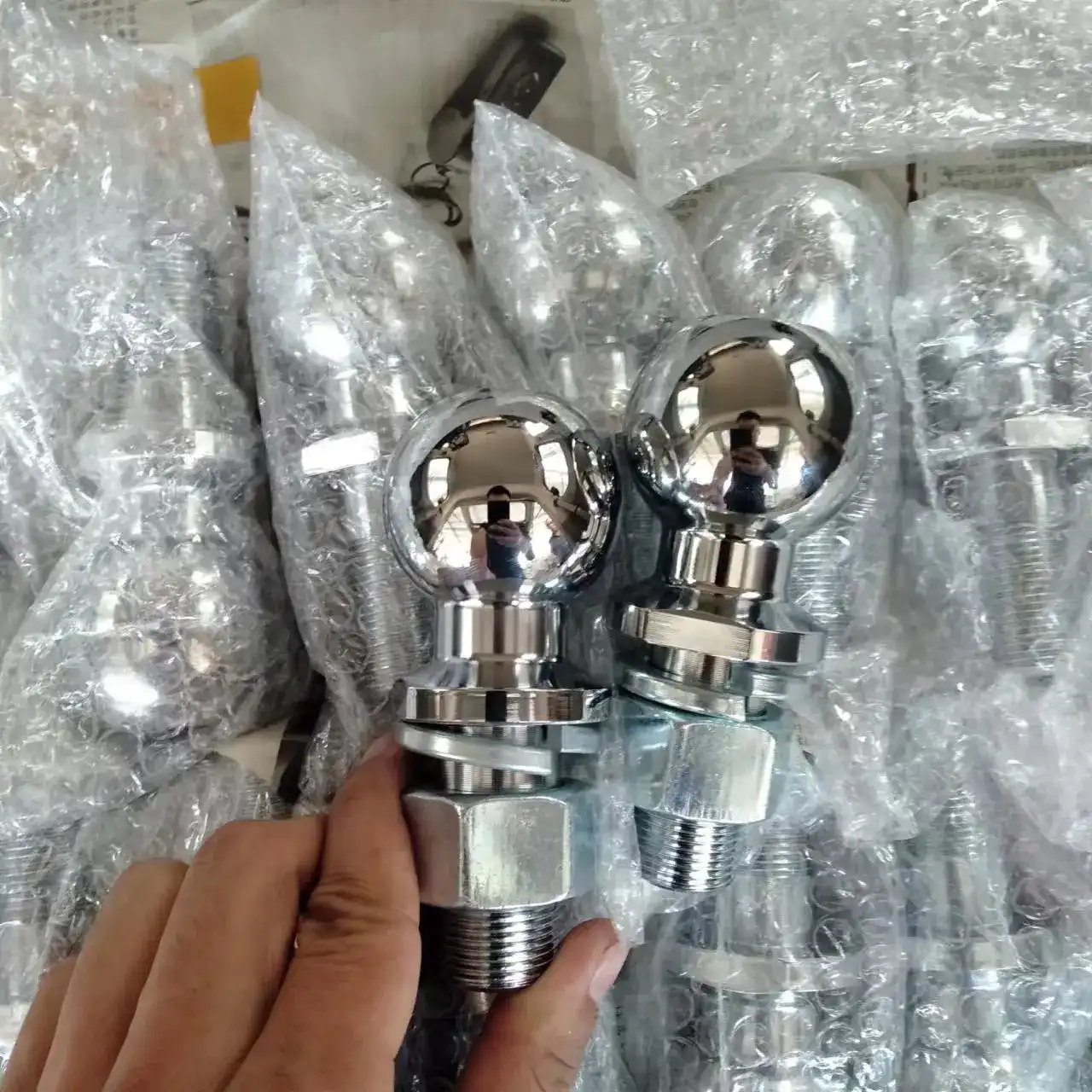
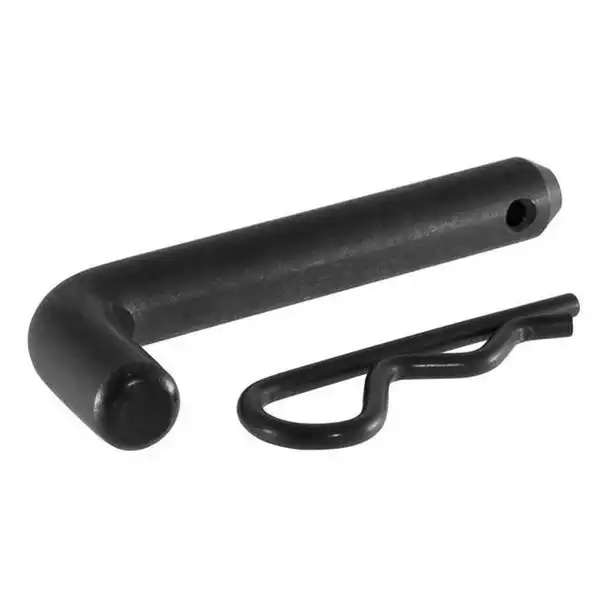
In order to meet unique functional requirements for various trailer kinds and applications, fleet operations need a variety of hardware components. Trailer pins, coupling assemblies, locking mechanisms, winch systems, fasteners, brackets, hinges, door hardware, landing gear components, and suspension mounting hardware are among the vital goods produced by a complete trailer hardware factory. Every component category needs specific equipment, processing know-how, and techniques for quality control. To guarantee correct mating with coupling mechanisms and to withstand wear during numerous connection cycles, trailer pins must adhere to certain dimensions tolerances and surface hardness criteria. For winch components to properly carry rated loads in a range of temperatures, they need to have corrosion-resistant coatings and the right strength properties. In order to avoid loosening or corrosion failures, fastener systems need uniform thread geometry, appropriate heat treatment, and coating standards. Leading trailer hardware manufacturing operations provide customisation services to meet specific fleet needs in addition to regular component manufacture. Specialized bracket designs, mounting options, and structural reinforcements that are suited to certain vehicle layouts or operating requirements are made possible by custom sheet metal manufacturing capabilities. For unique applications that call for customized hardware solutions not accessible via normal component catalogs, including refrigerated trailers, tanker operations, flatbed layouts, or equipment transfer, this flexibility becomes very beneficial.
Design Engineering and OEM Support Services
Strong technical support skills are the first step towards fleet operators and their trailer hardware manufacturer supplier working together effectively. Skilled design teams examine loading conditions, assess environmental variables, analyze application requirements, and suggest suitable materials and production techniques. Before investing in production equipment, computer-aided design tools allow for quick prototype and design iteration. For crucial structural elements, finite element analysis verifies safety factors and stress distributions. This technical help shortens development schedules and lowers the risks associated with untested component designs for fleet operators launching new trailer types or executing vehicle changes. The support provided by original equipment manufacturers goes beyond the initial design and includes continual improvement programs, obsolescence management, and continuing technical help. In order to ensure consistent replication throughout many production runs spanning years of supplier relationships, a responsive trailer hardware manufacturer keeps thorough records of component specs, manufacturing procedures, and quality criteria. When dealing with field performance difficulties, putting design enhancements into practice, or switching to improved manufacturing methods that increase cost or performance characteristics, this organizational expertise becomes very helpful.
Supply Chain Management and Delivery Performance
Among trailer hardware manufacturer suppliers catering to fleet operations, dependable supply chain performance is a crucial distinction. Production planning systems must retain enough capacity to handle demand unpredictability while striking a balance between inventory investment and delivery timeliness. Lean manufacturing techniques are used by effective trailer hardware factory operations, which shorten lead times, cut down on work-in-process inventory, and increase production flexibility. While specialized capacity guarantees availability for high-volume standard parts, several production lines allow for the concurrent processing of various component families. Order status, inventory locations, and production plans are all visible in real time thanks to automated material handling systems and integrated enterprise resource planning software. Predictable delivery performance allows fleet managers to improve inventory strategies that strike a compromise between carrying costs and parts availability while managing repair programs across scattered sites. Short delivery cycles decrease vehicle downtime while waiting for parts and save emergency expediting costs. Professional packing guidelines enable effective receipt and storage at fleet maintenance facilities while safeguarding components throughout transit. Inventory management is made easier and damage is avoided with palletized shipments that are properly identified and protected with the right materials. To be sure that a trailer hardware manufacturing partner is in line with your fleet's operating needs and geographic dispersion, consider their order fulfillment metrics, capacity flexibility, and logistical capabilities.
Economic Advantages of Direct Trailer Hardware Factory Sourcing
When opposed to typical distribution channel buying, direct sourcing partnerships with trailer hardware factory manufacturers provide considerable cost benefits. Reducing intermediate markups lowers component prices while preserving or enhancing technical support availability and quality standards. Consolidation of volume across fleet sites increases bargaining power and makes special price arrangements possible that smaller purchasers cannot access. Trailer hardware manufacturing partners benefit from production planning insight that supports capital investment choices and process improvements via long-term supply agreements with committed volume predictions. In addition to unit pricing benefits, direct manufacturer partnerships allow for optimum order amounts, flexible delivery timetables, and bespoke package configurations, all of which lower overall supply chain costs. Programs for inventory consignment transfer financial responsibilities while guaranteeing the availability of parts for essential maintenance procedures. Value engineering options that lower component prices without sacrificing performance attributes are found via technical cooperation. Establishing strategic alliances with specific trailer hardware factory suppliers gives large fleet operators with advanced procurement skills a competitive edge over rivals using conventional distribution channels by improving technical support, lowering costs, and improving parts availability.
Conclusion
Selecting the right trailer hardware factory partner fundamentally impacts fleet operational efficiency, maintenance costs, and vehicle reliability. Comprehensive manufacturing capabilities, robust quality systems, engineering support, and reliable supply chain performance distinguish professional suppliers capable of supporting demanding commercial operations.

Cooperate With Qingdao RUIRUI Machinary Co., LTD.
Founded in Qingdao, Shandong, China, in 2016, Qingdao RUIRUI Machinery Co., LTD. is a specialist Chinese trailer hardware plant that offers fleet operators all over the globe complete solutions. As a production facility and supplier of trailer hardware factories in China, RUIRUI blends cutting-edge manufacturing technology with a wealth of industry knowledge. Trailer pins, arms, winches, fasteners, and bespoke sheet metal components are among the premium trailer hardware factory goods that our China wholesale operations provide to clients in over 80 countries. Our facility has eight manufacturing lines that can produce 130,000 pieces annually, all of which are backed by sophisticated coating techniques and completely automated robot systems. We uphold ISO 9001, ISO 14001, ISO 20000, and OHSAS 18001 certifications, guaranteeing uniform quality in all of our trailer hardware factory for sale products. Our technical staff offers thorough OEM assistance for unique applications, and our competitive trailer hardware factory pricing structures reflect the benefits of direct manufacturer sourcing. Through progressive stamping, deep drawing, CNC machining, laser cutting, and sophisticated finishing techniques like powder coating, plating, anodizing, and electrophoresis, we produce premium trailer hardware factory components made of mild steel, stainless steel, copper, brass, and aluminum alloys. To discuss your fleet needs and find out how our trailer hardware manufacturing skills may improve your operating efficiency, get in touch with us at info@qdkshd.com. Keep this information handy for when your fleet need dependable parts and prompt assistance.
References
1. "Fleet Maintenance Best Practices and Component Reliability Standards" - Society of Automotive Engineers International, Technical Committee on Commercial Vehicle Systems
2. "Quality Management Systems in Automotive Component Manufacturing" - International Organization for Standardization, Technical Committee ISO/TC 176
3. "Metal Forming Technologies for Transportation Component Production" - American Society of Mechanical Engineers, Manufacturing Engineering Division
4. "Supply Chain Optimization Strategies for Commercial Fleet Operations" - Council of Supply Chain Management Professionals, Research Division
5. "Corrosion Protection Systems for Heavy-Duty Vehicle Components" - National Association of Corrosion Engineers, Surface Technology Committee

Send Inquiry
Related Industry Knowledge
- Stamped Stainless Steel Pan Market Trends in 2026
- How Steel Tread Plate Trailer Fenders Improve Trailer Safety
- Top Secure Towing Solutions for Small Businesses
- Need a Reliable Trailer Pin? Discover Top Features Buyers Love
- Trailer D Pin Explained: Everything You Need to Know
- What Are the Key Benefits of Using Forged Steel Mechanical Parts in Power Generation?
- What Are the Key Benefits of Using a Customizable Towing Eye Automotive Connector?
- What Materials Are Used for Bend Electronic Housing Parts?
- Are Standardized Installation Holes Necessary for Air Conditioner Support Stands?
- What is the weight capacity of a 2-inch coupler repair kit?